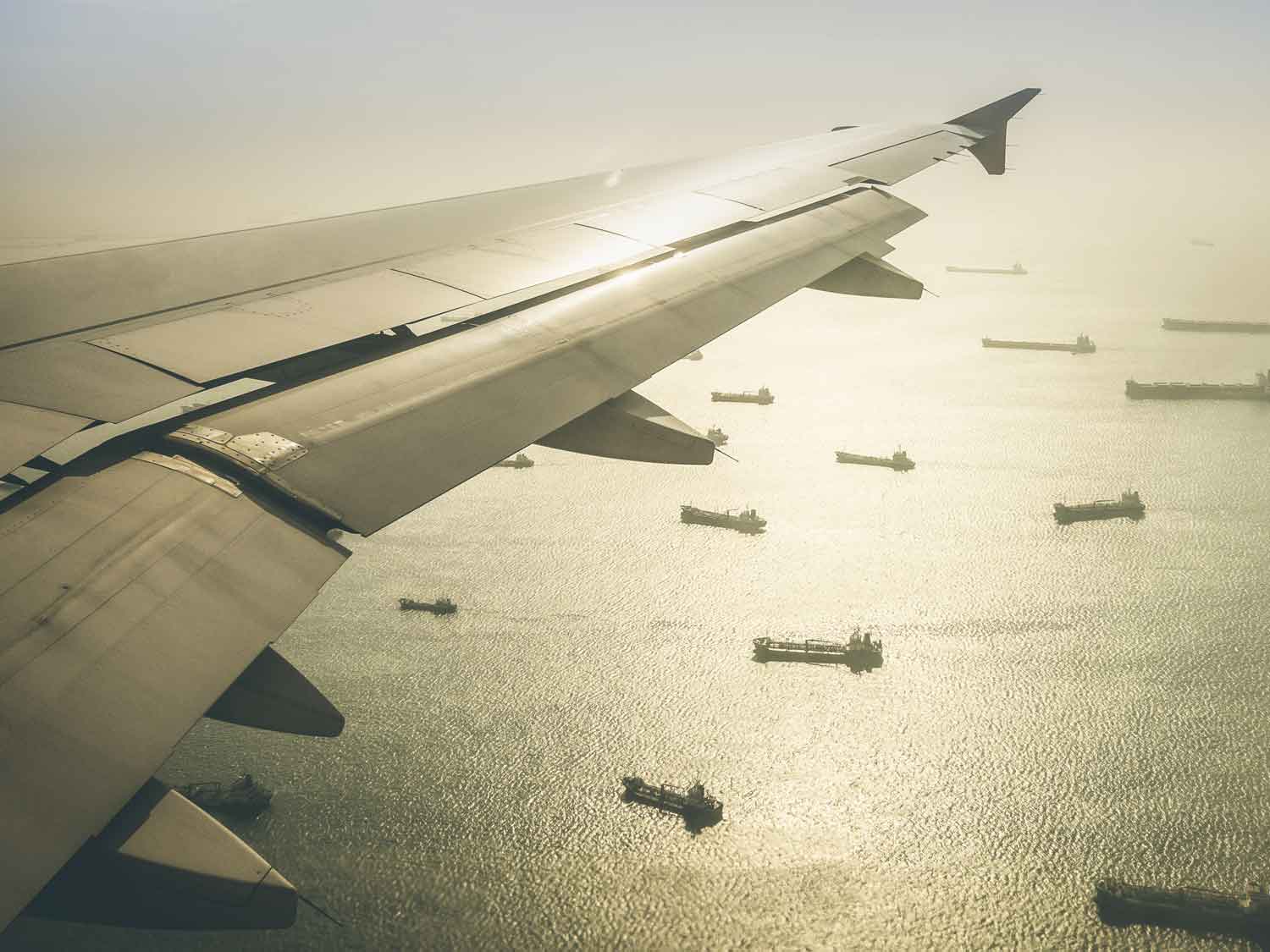
ships at anchor

Container Shipping Faces Prolonged Excess Capacity

The container shipping industry is set for several years of structural oversupply, which will put significant downward pressure on rates, with fleet growth consistently outpacing cargo demand until the end of the decade.

Analysts point to a combination of record vessel orders and limited scrapping as the primary drivers of the imbalance. By mid-2025, global carriers had ordered 2.3 million TEU of new capacity, only slightly below the record levels set in late 2024. The current order-book now totals 9.6 million TEU, equivalent to more than 30% of the active fleet. With 3.3 million TEU scheduled for delivery in 2028 alone, average fleet growth is forecast to remain above 6% per year.

The composition of new orders is also shifting. While demand for ultra-large ships of 14,000 TEU and above remains strong, the most striking increase has come in smaller units. Seventy-four feeder and regional vessels of up to 4,000 TEU were ordered in the first half of 2025, almost matching the entire 2024 total. This investment comes despite the fact that nearly a third of the world’s smaller ships are already over 20 years old, a share set to rise to around half by 2030.

Scrapping activity has stalled at the same time. Just ten ships totalling 5,454 TEU were demolished in the first six months of 2025, compared with nearly 49,000 TEU a year earlier. A strong charter market and resilient cargo flows, combined with continued diversions via the Cape of Good Hope, have encouraged carriers to hold on to older tonnage. Many remain wary of cutting capacity after recent shocks, including the pandemic and Red Sea disruptions, demonstrated the strategic value of surplus vessels.

On the demand side, global throughput is expected to rise 2.6% in 2025, supported by front-loading, fiscal stimulus, and lower effective tariff rates. But growth is forecast to slow to 1.7% in 2026 as inflationary pressures, higher costs, and weaker US job growth weigh on consumption. Asia–Europe routes, where the largest vessels are being deployed, are expected to feel the oversupply most acutely, while transpacific trades face uncertainty once front-loading unwinds.

The imbalance has clear financial and regulatory implications. Analysts expect profitability to bottom out in 2028, when the largest wave of deliveries coincides with a likely return of normalised Red Sea transits. At the same time, retaining older tonnage raises questions around emissions compliance and fuel efficiency as IMO decarbonisation rules tighten.

Industry projections suggest average overcapacity of around 27% through 2028. While unforeseen shocks may disrupt the outlook, the medium-term picture points firmly to a prolonged period of structural pressure on global container shipping.

With vessel supply set to outpace demand for years ahead, oversupply will continue to distort schedules and pressure rates. In this environment, booking space is no longer enough. You need visibility, agility, and the ability to adapt as conditions change, with blanked sailings and service adjustments likely without notice.

Metro’s MVT platform continuously tracks carrier KPIs and vessel position, comparing actual performance across alliances and adjusting supply chains in real time. This data-led approach maintain supply chain resilience, minimises disruption, optimises inventory planning, and safeguards service levels.

EMAIL Andrew Smith, Managing Director, to discuss how we can support your supply chain.

Six question marks 1440x1080 1

H1 2025: Six Developments Reshaping Global Trade

The first half of 2025 has been one of the most turbulent periods for supply chains in recent memory. From renewed tariff wars to fresh geopolitical flashpoints, logistics professionals have had to contend with a constantly shifting landscape.

At the same time, structural challenges around skills, safety, and sustainability have continued to grow. Here we review six developments that defined H1 2025.

1. Tariffs return to the fore
The pause in US tariff escalation ended in August, with the White House reintroducing “reciprocal” tariffs that apply baseline duties of 10% to all countries and higher rates of 10–41% depending on origin. The UK sit at the low end, while Syria faces the steepest levels. Brazil has been singled out further, hit by an additional 40% levy. Canada also saw tariffs raised from 25% to 35% on certain goods, justified by Washington’s claim that Ottawa has not done enough to curb fentanyl flows.

The executive order applies from 7 August 2025, with a grace period allowing cargo already loaded onto vessels before that date to arrive until 5 October 2025. To add complexity, US Customs will also impose new fees on Chinese-built or operated vessels from 14 October, potentially forcing alliances such as the Ocean Alliance into costly fleet reshuffles. Carriers are already working through how to redeploy capacity to avoid penalties, with COSCO and OOCL particularly exposed.

2. New shipping alliances reshape networks
The recomposition of global shipping alliances in Q1 has reshaped carrier strategies. The launch of the Gemini Cooperation between Maersk and Hapag-Lloyd marked one of the most significant realignments in recent years, focused on achieving 90%+ schedule reliability. Shippers are already seeing more dependable services, but questions remain about whether premium pricing will follow.

Other alliances, particularly Ocean and THE Alliance (now Premier Alliance), are recalibrating networks, with competition sharpening across Asia–Europe and transpacific trades. For shippers, the alliance changes mean rethinking service contracts and adapting to new network structures that could endure for much of the decade.

3. Houthi attacks deepen Red Sea crisis
The Red Sea crisis, triggered by Houthi rebel attacks, has now stretched on for nearly two years. In July 2025 the threat escalated further with the sinking of the Magic Seas, a Greek-operated vessel targeted for its links to companies calling at Israeli ports. Analysis suggests that one in six vessels globally could now be considered threatened under the Houthis’ broad definition of violators.

For container lines, this effectively rules out a return to Suez Canal routings before 2026 — and possibly not until 2027. Rerouting around the Cape of Good Hope adds up to two weeks to Asia–Europe journeys, pushing up costs and insurance premiums, and putting additional strain on fleet capacity. The Red Sea instability has been a reminder of how localised conflicts can have global consequences for supply chains.

4. Logistics skills shortages persist
The UK continues to face a significant shortfall in logistics skills, with the Road Haulage Association estimating a deficit of around 50,000 HGV drivers. The ONS also reports 6,000 fewer courier and delivery drivers than the previous year. With 55% of HGV drivers aged between 50 and 65, the demographic imbalance remains a long-term concern.

Factors include reduced access to EU workers post-Brexit, poor industry perception, and limited uptake of government training schemes. Although the crisis is not as acute as during the height of the pandemic, the ageing workforce and lack of young entrants mean structural shortages will continue. Rising wage costs, recruitment struggles, and bottlenecks in road transport all add to the burden on UK supply chains.

5. EV shipping challenges raise alarm
The growth of electric vehicle (EV) trade has created new safety risks at sea. Several high-profile fires on car carriers have been linked to lithium-ion batteries, sparking concern among insurers, regulators, and shipowners. Insurers are pushing for tougher loading protocols, enhanced crew training, and more advanced fire suppression systems.

For supply chains, this adds cost and complexity to automotive logistics, with carriers facing higher insurance premiums and the need to retrofit vessels. It is also slowing the momentum of EV exports, just as demand for cleaner vehicles accelerates globally.

6. Sustainability regulations tighten
Sustainability regulation is reshaping procurement strategies. The EU’s Carbon Border Adjustment Mechanism (CBAM) is beginning to impact trade in carbon-intensive products such as steel, aluminium, and cement, with importers required to report embedded emissions.

At the same time, sustainable aviation fuel (SAF) is moving toward a tipping point. UK and EU mandates are pushing airlines to integrate SAF into their fuel mix, with new investments underway to scale production.

While tariffs and geopolitics grab headlines, sustainability is quietly becoming a decisive factor in supplier choice, cost structures, and long-term resilience planning. For many organisations, compliance with emissions and ESG frameworks is no longer optional but critical.

Outlook
H1 2025 has exposed the vulnerability of supply chains to political shocks, armed conflict, safety risks, and structural labour shortages. Tariffs, alliances, and attacks have disrupted networks, while long-term challenges around sustainability and skills remain unresolved.

The message for supply chain leaders is clear: resilience, agility, and visibility will be critical in the second half of 2025, as disruption becomes the new normal.

H1 2025 has underlined how vulnerable global supply chains have become and staying ahead demands visibility, expertise, and a trusted partner by your side.

Metro’s account management team works proactively with customers to anticipate risks, share insights, and design solutions that are resilient and adaptable to change.

Our expertise encompasses dangerous goods and lithium battery shipping, customs, and multimodal freight, backed by a strong people strategy that includes apprenticeships, engagement programmes, and our Great Place to Work certification.

We are also leading the way on sustainability. Metro has been carbon neutral for five years, pioneering the use of Sustainable Aviation Fuel (SAF), while our MVT ECO platform helps businesses forecast, measure, and offset emissions across their global supply chains.

EMAIL Andrew Smith, Managing Director, to learn how Metro can build resilience into your supply chain.

Houthis 1440x1080 1

Red Sea Return Scuttled by Houthi Vessel Sinking

The deadly July 7 attack on the Eternity C cargo vessel by Yemen’s Houthi rebels marks one of the most severe escalations yet in the Red Sea shipping crisis, reinforcing the view that this vital trade artery will remain off-limits for carriers through 2025. 

The Red Sea, via the Suez Canal, typically handles 30% of global container trade, linking not only Asia and Europe but also acting as a vital transit point for goods moving between Asia and North America, the Mediterranean, and even parts of Africa and Latin America. 

With most container ships now rerouting via Africa’s Cape of Good Hope, what began in late 2023 as a regional security issue has become a global supply chain disruptor, sending shockwaves far beyond the Asia-Europe corridor.

The Global Supply Chain Butterfly Effect

Asia–North America East Coast
Goods from China, Southeast Asia, and India bound for the U.S. East Coast often transit the Suez Canal. Rerouting extends voyages by up to 14 days, tightening container availability, raising costs, and pressuring ports on both coasts to manage capacity mismatches.

Africa–Europe and Africa–Asia
African exporters, including agricultural and mineral suppliers, face longer, costlier routes to reach European and Asian markets, challenging businesses from cocoa traders in West Africa to cobalt miners in the DRC.

Middle East–Europe Energy
Beyond containerised cargo, 20% of global LNG trade and 30% of global oil flows pass through the Red Sea and Strait of Hormuz. Disruptions here drive up global energy prices, affecting industries and consumers worldwide, from European factories to Latin American fuel markets.

Global Shipping Networks
With more ships tied up on extended routes, the global pool of available vessels is effectively reduced, tightening capacity on other trades, including the transpacific (Asia–U.S. West Coast) and transatlantic (U.S.–Europe), even though they don’t pass through the Red Sea.

Industry Effect

Automotive: Impacting not just Europe, but also in North America, as Tier 1 suppliers depend on globally sourced components.

Retail & Fashion: Global brands with cross-regional supply chains face timing, cost, and margin pressures.

Food & Agriculture: Grain, rice, coffee, and fruit trades are experiencing higher freight costs, threatening price inflation in developing markets.

Electronics: Longer lead times impact consumer electronics and critical components like semiconductors.

What’s clear is that the Red Sea crisis is not just a regional challenge. It’s a global supply chain stress test, that will continue to demand resilience, agility, and innovation for some time.

Metro’s supply chain management expertise and advanced MVT technology help shippers adapt on the fly; rerouting cargo, shifting transport modes, and even switching suppliers with agility and precision. From high-level network redesign to SKU-level control, we empower you to overcome disruption with confidence. EMAIL Managing Director, Andy Smith, to learn more.

India flag on container doors 1440x1080 1

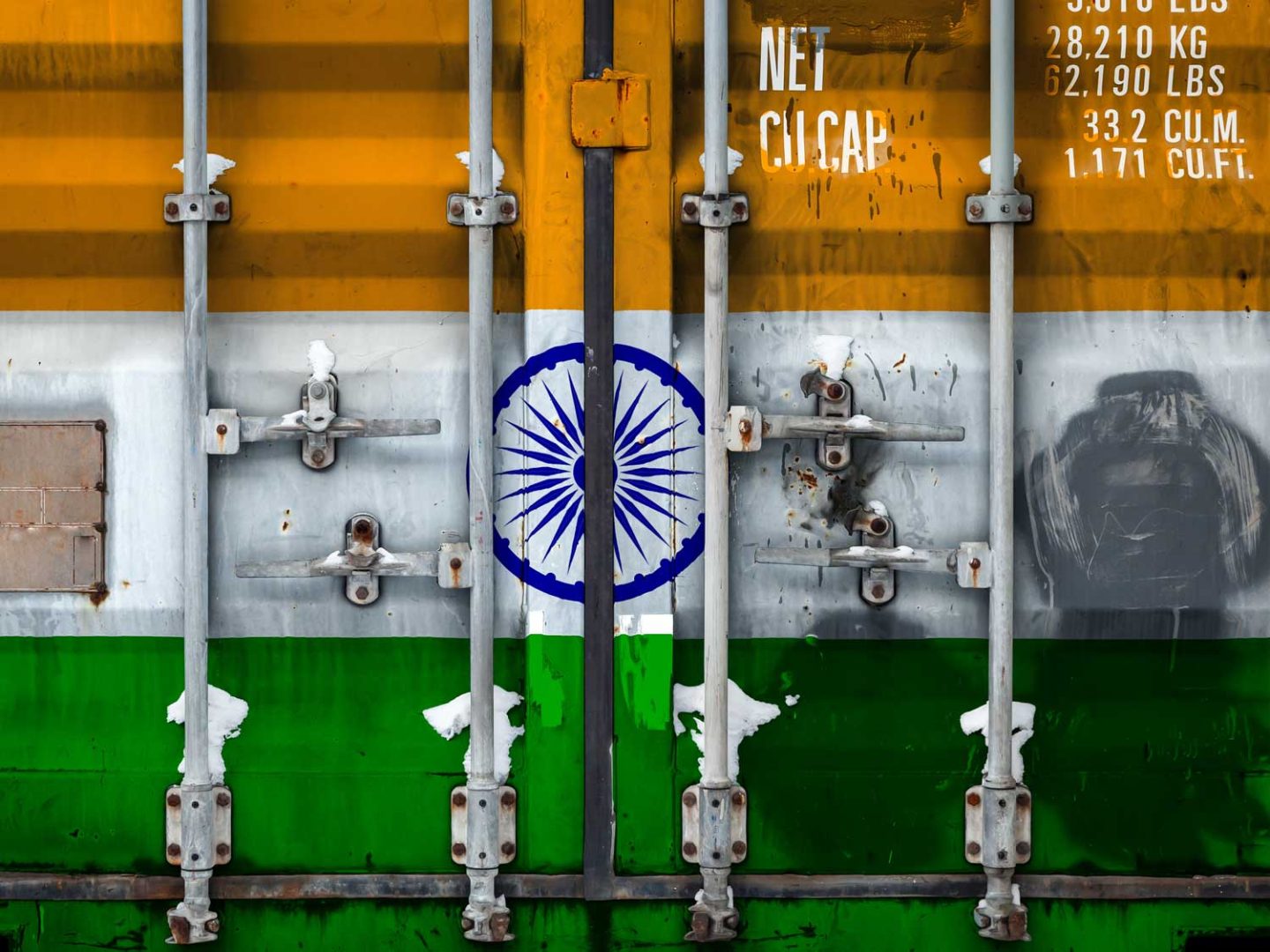
Pressure Builds on India–Europe Sea Freight

Indian exports are facing growing challenges on the India–Europe sea freight corridor as space tightens, equipment shortages emerge, and rates rise sharply, as carriers push through significant price hikes and service adjustments.

The situation has been building since early May, when the end of seasonal produce volumes briefly softened the market. Since then, rates have rebounded week-on-week, climbing steadily on the back of capacity cuts, slower vessel arrivals, and strategic redeployments by carriers. While export volumes remain steady, the squeeze on space and container availability is driving up freight costs and impacting booking reliability.

From mid-June and into July, carriers have introduced a series of general rate increases (GRIs), with some operators implementing double-digit percentage rises on westbound shipments from Indian ports to North Europe and the Mediterranean. Several major lines have also introduced new surcharges to secure space, including emergency space surcharges and revised all-in tariffs.

These rate increases coincide with signs of wider strain on the trade. Some carriers are deploying smaller vessels on Indian routes to prioritise higher-yield trans-Pacific traffic, while others have voided scheduled calls due to operational issues. The result is growing uncertainty at key Indian ports, including Nhava Sheva, Mundra, Ennore, and Chennai, where last-minute gate cut-off changes and blank sailings are complicating planning for exporters and freight forwarders.

At the same time, equipment availability is starting to tighten. While the situation is not yet critical, access to empty containers, especially in inland and southern locations, varies widely between carriers and equipment types. The slowdown in imports from Asia, driven by congestion at transhipment hubs, is beginning to disrupt the usual balance of container flows, raising concerns about inventory levels in the weeks ahead.

The full impact of these challenges is now being felt across the market. Rates from West India to key European destinations, including Rotterdam, Antwerp, and London Gateway have increased by more than 50% in some cases, with further hikes expected. Carriers appear confident in their ability to hold these levels through the end of July, with strong demand and constrained supply underpinning their position.

As these dynamics play out, shippers should brace for continued volatility. Advance planning, flexible routing, and close collaboration with stakeholders will be essential in a trade lane that shows no signs of stabilising in the near term.

Metro combines deep ocean freight expertise with global reach and local insight, now strengthened by our new India office, to keep your cargo moving through market volatility.

EMAIL managing director, Andrew Smith, to discover how our sea freight solutions and on-the-ground presence in India can support your supply chain.