The Suez strikes back

Suez returns as Middle East shipping risks intensify

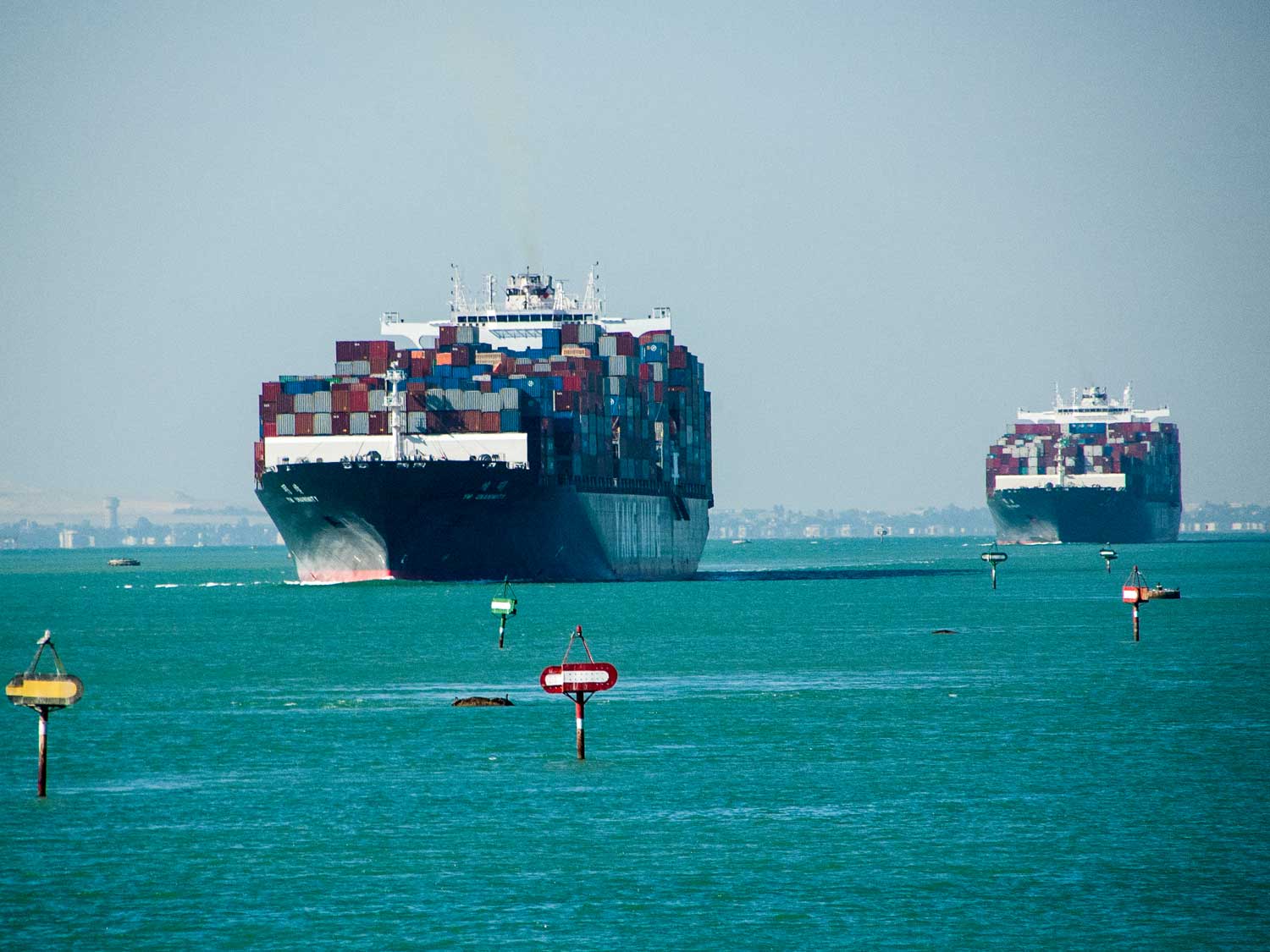
Container lines are restoring services through the Red Sea and Suez Canal, promising shorter Asia–Europe transits and more effective capacity. But the security picture around the Middle East’s critical shipping chokepoints is becoming more complicated, not less.

More Asia–Europe services are returning to Suez after almost three years of widespread diversions around the Cape of Good Hope. Yet a successful Houthi land offensive has expanded the group’s control along Yemen’s Red Sea coastline and the Bab el-Mandeb Strait.

At the same time, the Strait of Hormuz remains effectively closed to regular container services, conflict continues across the region and alternative Gulf supply chains are operating at significantly higher cost.

For shippers, this is not a straightforward return to normal. It is a more fragmented Middle East shipping environment in which routes can reopen, tighten or change at short notice.

Suez is reopening but the risk has not gone away

Container lines have steadily increased their use of the Red Sea during 2026. Almost a quarter of deep-sea capacity originally diverted around southern Africa has returned to Suez, with around 213,000 TEU of weekly capacity now moving through the waterway.

The shift is particularly advanced between Asia and the Mediterranean. More than a third of September headhaul capacity on this trade is expected to use the Red Sea, compared with around 6% between Asia and North Europe.

That transition is accelerating. Maersk and Hapag-Lloyd are moving another four Gemini Cooperation services from the Cape route to Suez during September, while other major carriers have also restored selected services.

The attraction is clear. Suez cuts substantial distance from Asia–Europe voyages, shortening transit times and allowing carriers to use vessels more efficiently. A widespread return could ultimately release the equivalent of 8% of global containership capacity currently absorbed by longer Cape routings.

That additional effective capacity is already contributing to softer Asia–Europe pricing, particularly into the Mediterranean.

However, the strategic picture at the southern entrance to the Red Sea has changed.

Recent Houthi advances have extended the group’s territorial control along Yemen’s Red Sea coastline and include Mayyun Island, which sits in the Bab el-Mandeb Strait. This gives the Houthis an even stronger position around the gateway connecting the Gulf of Aden with the Red Sea.

For now, the group has indicated that international traffic can continue unimpeded, with its restrictions focused on Saudi shipping. Container vessels have also largely avoided direct attacks for more than a year, allowing carriers to conclude that selected Red Sea transits are currently viable. 

So Suez normalisation continues. But the underlying vulnerability has arguably increased. The Houthis have retained and potentially strengthened their ability to interfere with traffic through Bab el-Mandeb should their intentions or the wider conflict change.

Shippers forum question the return

That contradiction is causing concern among cargo owners, with The Global Shippers Forum questioning whether carriers are returning too quickly given the continuing instability and the Houthis’ close relationship with Iran.

GSF director James Hookham described the increasing number of Red Sea transits as potentially a “reckless gamble”, arguing that shippers need more information about the security assessments underpinning carriers’ decisions.

Carriers maintain that safety remains the determining factor and that decisions to transit the Red Sea follow extensive security assessments informed by international and regional security organisations, with a commitment to stop transiting if there were indications that container vessels were again being targeted.

The absence of attacks on container ships for more than a year provides some reassurance. But a renewed threat could quickly send services back around the Cape, absorbing vessel capacity and extending transit times. A sudden reversal during the September and October shipping period could also disrupt cargo moving ahead of Black Friday and Christmas.

Further east, the picture is very different

The Strait of Hormuz remains severely restricted for container shipping after more than six months of disruption. Container ships have represented only around 6% of recorded inbound and outbound vessel transits during the conflict, with regular liner services largely avoiding the waterway.

Recent developments have added to the uncertainty. Iran has expanded a vessel blacklist that can potentially expose designated ships to fines, detention or confiscation, while vessels involved in transhipment with listed tonnage could also face restrictions.

Attacks on vessels have reinforced the risks, while diplomatic efforts to establish a framework for future shipping through Hormuz have stalled.

For Gulf importers, this has already reshaped supply chains.

Cargo is increasingly using alternative gateways such as Jeddah and Khor al Fakkan before moving overland. Demand for these alternatives has pushed China–Jeddah spot rates around 256% higher than before the conflict, while China–Khor al Fakkan rates have increased almost 480%.

Overland transport is consequently becoming a more important part of regional logistics. Greater use of the TIR trucking system through Iraq is opening additional options for upper Gulf markets, with some journeys between Europe, Turkey, Iraq and the Gulf dramatically reducing transit times compared with disrupted maritime routes.

But landbridges are not a direct substitute for ocean capacity. They add handling, road transport and border requirements, while growing demand is putting pressure on available trucking capacity and costs.

The wider conflict also matters far beyond Middle East cargo. Rising oil and bunker prices have the potential to feed into fuel surcharges and shipping costs across global trade lanes.

For shippers, the question is no longer simply whether a particular route is open. It is how dependable that route will remain, what alternatives exist if conditions change and how quickly cargo can be switched when they do.

Metro monitors carrier networks, regional gateways and changing conditions across the Middle East to identify emerging risks before they reach your supply chain. 

With global ocean freight expertise, alternative routing options and joined-up origin-to-destination management, we can help you balance cost, transit time and resilience, to keep your cargo moving when routes or risk change.
Mundra Port

Container trade stays strong as disruption reshapes east–west markets

Global container trade is proving remarkably resilient, but record volumes mask a more complicated picture across the major east–west trades. Congestion, blank sailings and inland constraints are increasingly determining the conditions shippers experience.

July set a new monthly record for global container shipping, with 17.3 million TEU moved worldwide. Volumes were 4.5% higher than July 2025 and are running 5.1% ahead year to date.

That underlying strength matters. Despite geopolitical disruption, changing tariffs and widespread port delays, international containerised trade continues to grow.

But demand alone does not explain current freight conditions. Carrier capacity management, severe congestion at Asian ports and pressure on destination transport networks are creating increasingly different conditions by trade lane.

East–west markets move apart

The clearest divergence is between Asia–Europe and the transpacific.

Asia–Europe spot rates have continued to soften, with Shanghai–Rotterdam falling another 2% and Shanghai–Genoa 3% in the latest weekly data. The traditional peak appears to have passed, although congestion and blank sailings are preventing a more rapid correction.

Across the Pacific, the picture is very different. Transpacific demand strengthened as the US peak season extended later than initially expected, with west coast volumes rising 9% week on week in early September and east coast volumes increasing 3%.

Rates have consequently remained firm. Shanghai–Los Angeles increased another 2% in the latest week and Shanghai–New York 1%, following larger gains the previous week.

However, demand is only part of the explanation. Carriers are becoming increasingly active in managing available space through blank sailings, vessel rotations and capacity deployment as China’s Golden Week approaches.

Across the major east–west trades, around 11% of scheduled sailings between mid-September and mid-October are currently expected to be cancelled. More than half of those cancellations are concentrated on the eastbound transpacific, with a further third affecting Asia–North Europe and Mediterranean services.

The pace of change is significant. Announced blank sailings for the four weeks leading into Golden Week jumped almost 56% in just one week, and further cancellations remain possible as carriers adjust networks around the Chinese holiday.

The overall level remains manageable, with almost nine in ten scheduled sailings still expected to operate. But the acceleration in cancellations points to a more active phase of capacity management.

For shippers, softer demand will therefore not necessarily translate directly into lower rates or easier access to space. How aggressively carriers remove capacity before Golden Week and how quickly demand returns afterwards could determine the balance between available space and pricing through October.

Congestion is moving through the network

Capacity management is only one part of the east–west picture. Four successive typhoons have left major Chinese ports working through substantial backlogs.

Between early July and late August, almost 5.8 million TEU of vessel capacity arrived more than seven days late at Chinese ports, which is around three times the level recorded before the storms.

The impact on schedule reliability has been dramatic. According to figures from Sea-Intelligence, global reliability fell over 6% in July to 56.4%, its sharpest monthly deterioration in more than five years, while late vessels were arriving an average of over six days behind schedule.

Conditions became particularly challenging on east–west services during the typhoon period. Asia–Europe on-time performance fell to around 10%, while Asia–North America dropped to 23%.

Although congestion is gradually easing, the network has yet to recover fully. The combination of existing backlogs, the pre-Golden Week export push and subsequent factory closures could prolong disruption into October, with bunched vessel arrivals then feeding through to European and North American ports.

That is particularly relevant in the US, where pressure is already building beyond the quayside.

The National Drayage Spot Market Index is 8.2% higher year on year as driver availability, equipment constraints, terminal turn times and appointment availability tighten the market.

Import containers are waiting six to seven days on average for inland transport at some locations and up to 14 days at individual terminals. Pressure has been reported around Los Angeles/Long Beach, Houston, Chicago, Memphis, Savannah and other inland gateways.

For US importers, securing ocean space is therefore only one part of the challenge. Drayage and inland capacity need to be planned earlier, particularly when disrupted schedules result in several vessels and large volumes of cargo arriving within a compressed period.

India disruption continues beyond Mundra strike

The end of the 13-day dispute affecting empty container yards at Mundra has not brought an immediate return to normal operations.

The strike officially ended on 10 September, but Metro’s team in India continues to report around 5,000 containers delayed each day, with empty container flows particularly affected.

The scale of Mundra makes those continuing delays significant. The port accounts for around 35% of India’s container trade, so disruption can quickly affect equipment availability, exports and wider regional supply chains.

The situation also highlights India’s growing importance within international sourcing strategies as businesses diversify their supply chains and increase manufacturing and procurement activity across the subcontinent.

Metro India continues to scale strategically in response. The business is expanding across seven locations, creating a stronger platform for sourcing, consolidation, origin management and exports across the Indian subcontinent.

Overall, ocean markets remains stronger and more complicated than headline rate movements suggest. Global container volumes are setting records, but where carriers deploy capacity, how quickly Asian ports clear backlogs and whether inland networks can absorb arriving cargo will shape conditions through Golden Week and into October.

We may return to examine these developing themes in more detail, as the impact of Golden Week becomes clearer.

Metro combines global ocean freight buying power with local expertise across key origin and destination markets, including our expanding operation in India and established US network. We monitor capacity, blank sailings, port conditions, equipment availability and inland constraints throughout the journey, giving customers the intelligence and routing options to act before disruption reaches their supply chain.

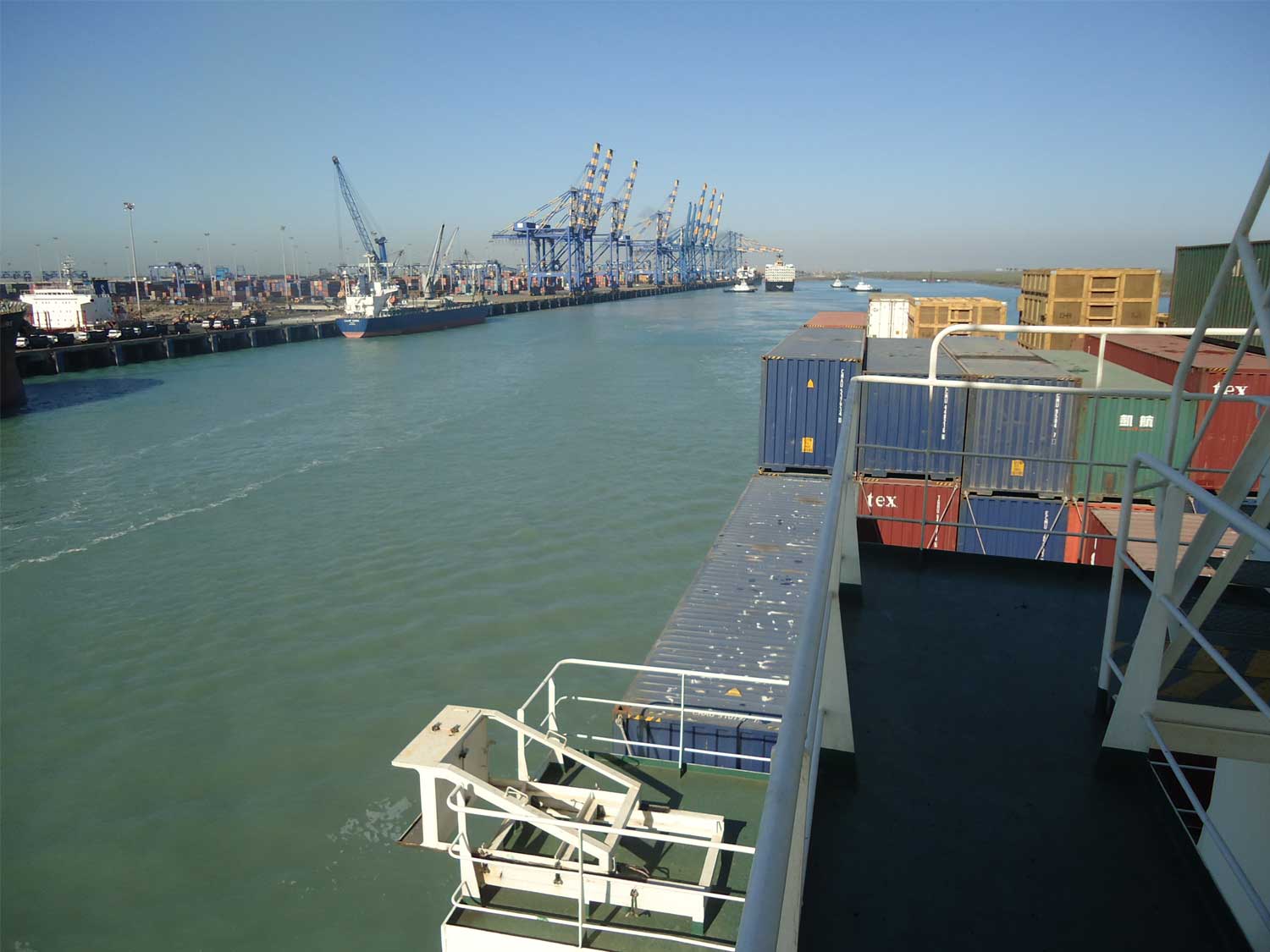
Image: Adapted from The port of Mundra in Gujarat by Felix Dance, via Wikimedia CommonsCC BY 2.0.

ship launch

Effective capacity is tightening despite container fleet growth

Container shipping capacity continues to expand, but congestion, schedule disruption and longer delays are preventing a growing share of the global fleet from carrying cargo when and where shippers need it.

For cargo owners, the size of the global container fleet increasingly tells only part of the capacity story.

New vessels continue to enter service, but around 5% of global deep-sea capacity is currently being absorbed by vessel delays, equivalent to approximately 1.7 million TEU.

During the relatively stable years between 2011 and 2019, delays typically tied up around 2.2% of capacity. The difference between those figures means disruption alone is effectively removing around one million additional TEU from the market compared with historic norms.

That helps explain why significant fleet growth has not necessarily translated into abundant space or consistently softer market conditions.

Congestion is absorbing millions of TEU

The scale of current port congestion illustrates the problem.

By week 34, more than 4.3 million TEU was waiting to berth at container ports globally, equivalent to 12.6% of the 34.4 million TEU fleet.

In absolute terms, that exceeds the approximately four million TEU caught in port congestion during the 2022 pandemic peak. Today's fleet is considerably larger, however, so the proportion affected remains below the 15.7% recorded at that time.

East Asia is responsible for much of the latest pressure, with severe weather disrupting some of the world's busiest container gateways.

China disruption ripples through global schedules

Typhoon Dolphin demonstrates how quickly a local event can affect global capacity.

Between early and mid-August, the number of vessels queueing at Shanghai increased from 24 to 139, while Ningbo's queue rose from 11 to 77.

Carriers responded with port omissions and changes to vessel rotations as they attempted to recover schedules. Across Shanghai, Ningbo and Yantian, these measures are estimated to have removed almost 500,000 TEU of scheduled capacity from affected services.

Asia–Europe has been among the trades affected, with vessels skipping calls to recover schedules and accommodate accumulated cargo. Some services have faced waiting times of five to eight days at Shanghai's Yangshan terminal, with individual vessels experiencing even longer delays.

The impact continues after ports reopen

Clearing a vessel queue does not immediately restore capacity. Containers diverted from congested Chinese ports have been discharged or transhipped through alternative hubs, including Busan and Hong Kong. Returning this cargo to its intended destination requires additional feeder movements and handling.

Port omissions can also leave cargo waiting for subsequent sailings, while late vessels risk missing berthing windows at later ports.

Disruption therefore travels through the network. A weather event lasting several days can affect vessel rotations and cargo flows for weeks afterwards.

This is compounded by structurally weaker schedule performance. Global reliability remains around 60–65%, compared with the 70–80% commonly achieved before the pandemic, while average delays have increased from around three to four days to approximately five to five-and-a-half days.

More ships do not automatically mean more space

Global container supply continues to grow, but physical fleet size is only one part of the equation.

Congestion, longer voyages, port omissions, diversions and disrupted rotations determine how much capacity is actually available on individual trade lanes.

Further pressure could emerge from the Panama Canal, where tighter draught restrictions and reductions in transit availability during September threaten to constrain capacity, particularly on services connecting Asia with the US East Coast.

Meanwhile, firm charter demand suggests carriers are still seeking additional tonnage despite the expansion of the global fleet.

The apparent contradiction disappears when nominal capacity is separated from effective capacity. The industry may have more ships, but disruption determines how productively those ships can be deployed.

Usable capacity is what matters to shippers

For shippers, the important question is not how much capacity exists globally, but how much is available on the required trade lane, sailing and date.

When disruption absorbs millions of TEU, available space can tighten quickly. Sailings can be omitted, containers rolled and transit times extended even while headline fleet statistics suggest the market is well supplied.

That makes early visibility, carrier choice and alternative routing increasingly important to ocean freight planning.

Metro combines extensive carrier relationships with a global network and strong Asian capabilities to give shippers access to alternative sailings, gateways and routings when effective capacity tightens. 

With early market intelligence and joined-up origin and destination management, we can identify emerging constraints before they become critical and keep your cargo moving when disruption takes capacity out of the market.

EMAIL Andrew Smith, Metro’s Managing Director, to learn more. 

India industrial revolution 1440x1080 1

India’s sourcing growth creates pressure at both ends of the supply chain

UK businesses sourcing from India face rising logistics costs before and after production, as more expensive Asian imports combine with tight westbound capacity and strong India–Europe demand.

India continues to strengthen its position as a manufacturing and sourcing alternative for UK and European businesses. But the cost of moving goods through the supply chains supporting that growth is rising.

The pressure starts well before finished products leave India. Many manufacturers rely on machinery, components, chemicals, electronics and other inputs imported from China and neighbouring Asian markets. Freight costs on those inbound routes have risen sharply, increasing the cost base for Indian production.

At the same time, strong exports are tightening India–Europe container capacity and pushing westbound freight costs higher.

For UK buyers, that creates a potential double freight squeeze, with logistics inflation entering the product cost upstream before another layer is added on the journey to Europe.

Asian imports into India become more expensive

The first pressure point is emerging on eastbound services into India.

During August, Shanghai–Nhava Sheva spot rates have almost doubled compared with July, while Shanghai–Chennai rates have increased by around 60%. Costs from other Asian origins, including Singapore, have also risen significantly.

Strong seasonal imports ahead of India's festival period are contributing to demand, while congestion at major Asian hubs has disrupted schedules and tightened available capacity.

For Indian importers, the impact extends beyond freight rates. Changing schedules and less predictable transit times make it harder to manage inbound inventory and maintain reliable production flows.

Higher freight feeds into manufacturing costs

The significance for UK buyers comes from China's deep integration into Indian manufacturing.

Rising transport costs for the raw materials and components feeding Indian factories may initially be absorbed through manufacturer margins. If elevated costs persist, however, some will inevitably feed into production costs and finished-product pricing.

That creates a supply-chain exposure that may be difficult to see when procurement decisions focus primarily on the factory price.

An Indian-made product can already contain significant logistics costs before it enters a container for its journey to the UK.

Strong exports tighten the westbound market

The second pressure point is India–Europe shipping.

Indian containerised exports to Europe reached an estimated 518,000 TEU during the first half of 2026, with stronger-than-expected demand creating a pronounced capacity squeeze.

Westbound rates increased again during August and are approaching levels last experienced around four years ago. Space has become increasingly difficult to secure, with some leading India–Europe services selling out several weeks ahead and additional spot capacity appearing only as carriers release allocations.

The problem is not simply growing demand. Available capacity has struggled to keep pace.

Blank sailings, congestion and rolled cargo at Nhava Sheva and Mundra are reducing effective space, while some capacity has been redirected towards growing Latin American flows using Indian ports for transhipment.

For cargo owners, guaranteed space can therefore command a premium, while less flexible shipments face greater rollover and delay risks.

Look beyond the supplier price

India's manufacturing scale and expanding trade relationships continue to make it an important sourcing market. But the changing freight environment reinforces the need to assess the complete landed cost of sourcing there.

A product assembled using Chinese or other Asian components may now carry substantially higher inbound logistics costs. Moving the finished goods from India to the UK then adds a second layer of freight inflation.

For lower-margin or freight-intensive products in particular, those combined costs could materially affect sourcing economics.

Timing matters too. With strong westbound bookings and constrained capacity, waiting for cheaper freight could leave importers competing for even tighter space.

Businesses can reduce that exposure by understanding upstream supply flows, consolidating shipments where appropriate and planning westbound capacity earlier.

Manage the whole supply chain, not just the final leg

The growing relationship between Chinese inputs, Indian manufacturing and European demand means these movements cannot always be managed effectively in isolation.

Metro can connect the complete Asia–India–UK supply chain, providing visibility from upstream suppliers through Indian production and onward to the UK. 

With extensive Indian based capabilities, global carrier relationships, consolidation and alternative routing options, we can identify where cost and capacity pressures are building and act before they reach your bottom line. EMAIL Andrew Smith, Metro’s Managing Director, to learn about protecting your landed cost from origin to destination.