
fxt derailment 1440x1080 1

Felixstowe train derailment

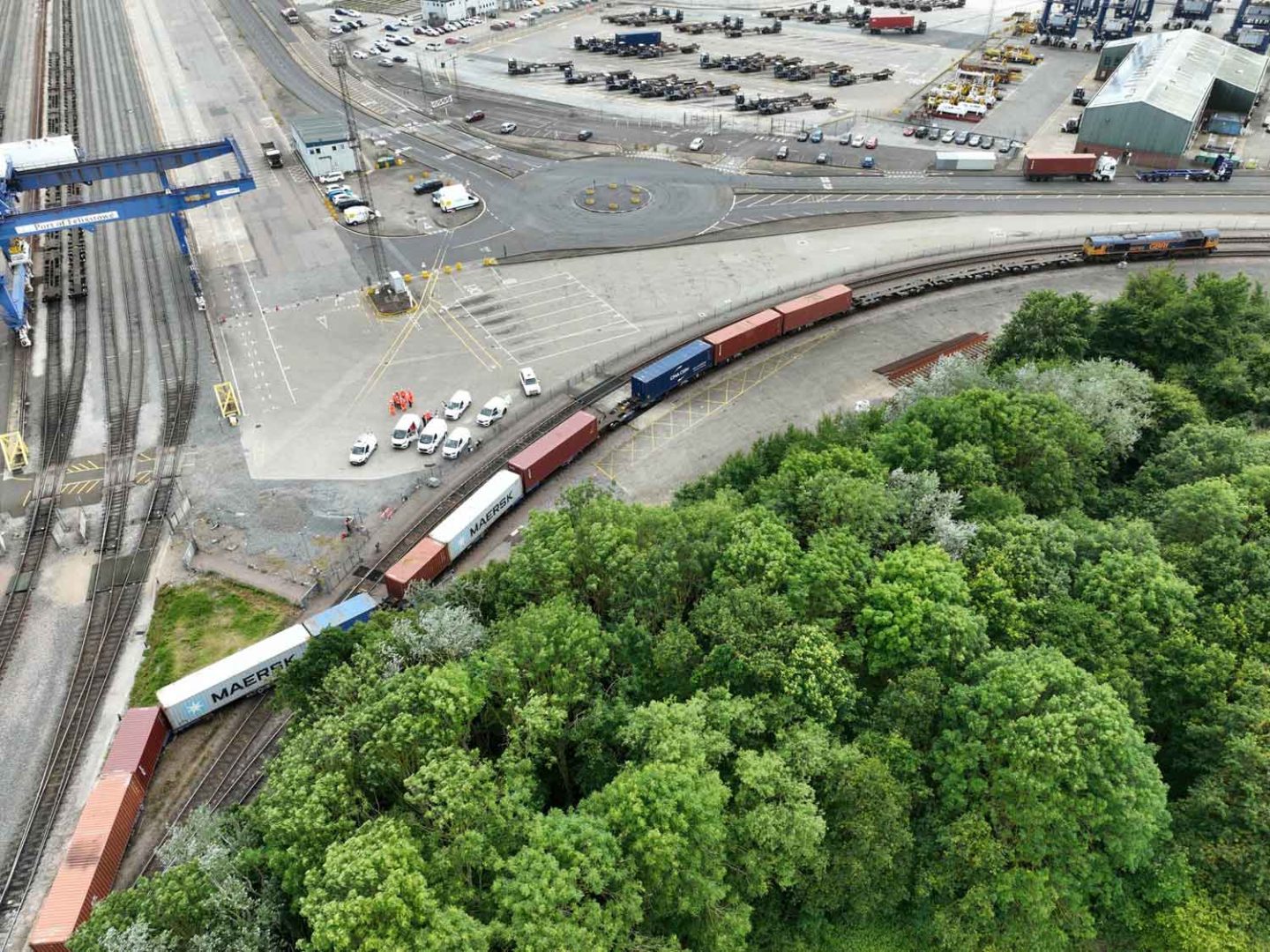
At 22:09 on Wednesday 19th June a GB railway locomotive and loaded wagons en-route to the Port of Felixstowe derailed on the branch line approaching the main Central and Northern railheads, causing significant damage to the track and closing both terminals to train movements.

The Central and Northern terminals, the main railheads at Felixstowe were closed, and while the Southern terminal continued operating, a large majority of import/export services were suspended, with rail throughput at 40% last Friday.

While access to all other areas of the container terminal remains unaffected, with shipping and haulage operations continuing as normal, the derailment impacted all train services serving the port, including those by Freightliner, GB Railfreight and Maritime Transport.

To help mitigate the impact, Felixstowe released additional vehicle booking slots for hauliers, which was welcome, but this does not entirely replace the lost collection/delivery capacity.

Network Rail engineers have been on site since the incident, clearing and repairing the damaged track, with the derailed wagons cleared at the weekend.

The Central terminal is now operating alongside the Southern terminal and rail throughput is back to 50%, but having undertaken a full assessment of required repairs the Network Rail engineers estimate that the port’s rail capacity may not be fully operational until next week.

Update 26th June 2024 – Port of Felixstowe confirm that normal rail service will resume on the 4th July 2024, from 12:00.

With rail companies cancelling services we are unfortunately being impacted by the consequential issues, for example exports missing booked trains as operators work around the situation.

Issues will continue to arise in the coming days, and potentially after normal service is resumed, as empty containers are left inland and not returned, as laden containers will be prioritised where space is limited.

These issues will work through and in the meantime we will continue with our contingency planning. If you have concerns about any consignments, or would like to discuss our transport strategy, please EMAIL Simon Balfe, our Multimodal Transport Manager.
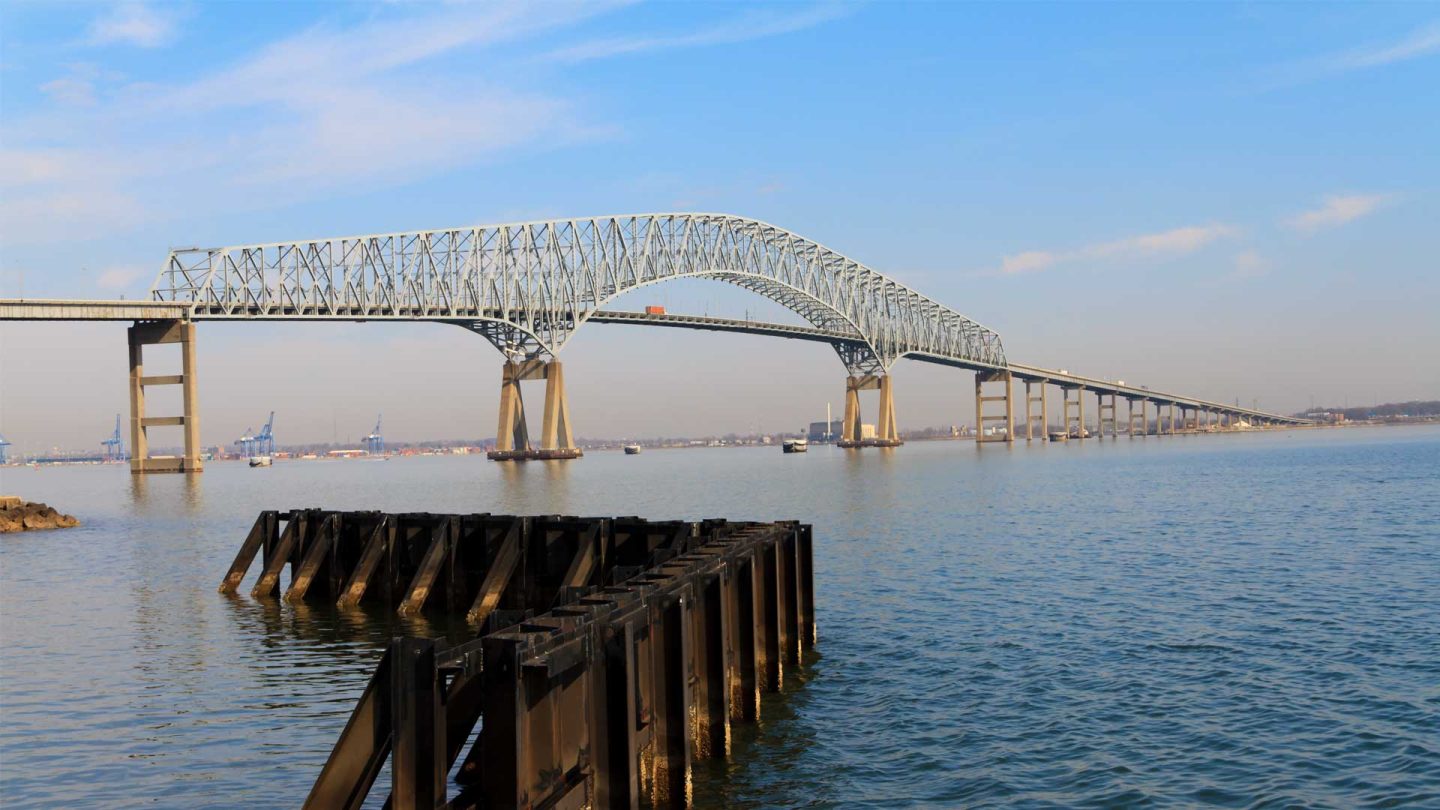
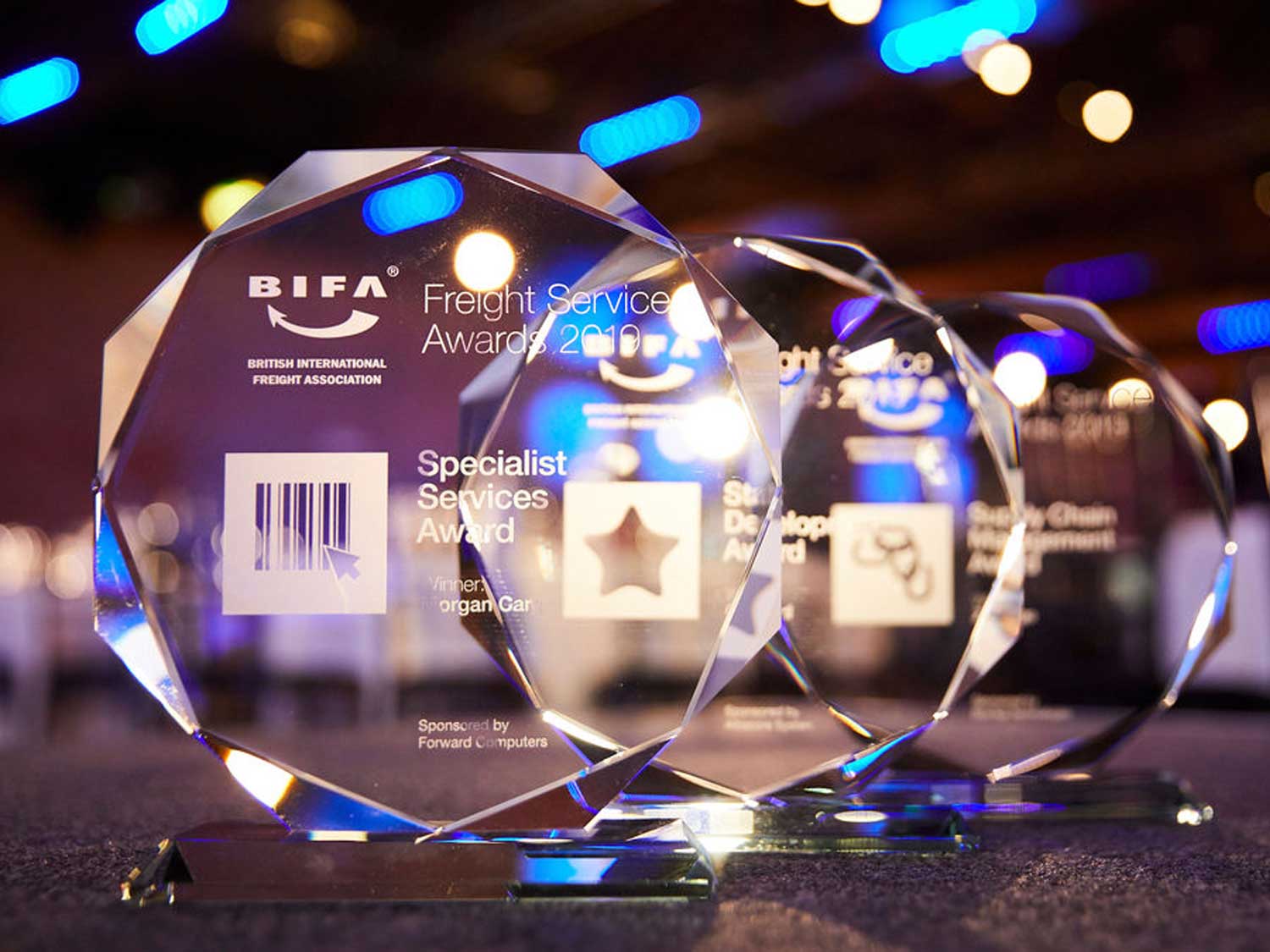
Image courtesy of the Ipswich Star

Francis Scott Key Bridge 1 1440x810 1

Maersk vessel collapses Baltimore bridge

The Dali, a time chartered Maersk container vessel with two pilots onboard, crashed into a support pylon of the Francis Scott Key Bridge in Baltimore, Maryland, in the early hours of Tuesday 26th February, collapsing a large section of the 1.6 mile bridge into the Patapsco River.

The Francis Scott Key bridge was the main thoroughfare for drivers between New York and Washington who sought to avoid downtown Baltimore. It was one of three ways to cross the Baltimore Harbour, with a traffic volume of 31,000 cars per day or 11.3 million vehicles a year.

The collapse of the bridge has cut off access in and out of the port for vessels. Around the world, about 40 ships, including 34 cargo vessels, have Baltimore listed as a destination, including 10 commercial ships with anchors dropped in nearby waters, according to MarineTraffic.

Baltimore port’s private and public terminals handled 847,158 autos and light trucks in 2023, the most of any U.S. port.

On top of the RORO operations Baltimore port handles around 21,000 TEU a week, which will have to be re-routed via other ports in the region until access is restored.

It is still unknown how long the port will be cut off due to the incident, but any length of downtime will greatly impact RORO capacity into the US East Coast, as well as cause additional congestion at alternative ports that will need to take on the overflow of ocean containers that would naturally route through Baltimore.

This also comes at a time when there is an element of uncertainty regarding the future situation at the US East and Gulf Coast ports due to the International Longshoremen’s Association and the United States Maritime Alliance current contract set to expire on 31st September 2024. Whether this incident will have any impact on the negotiations remains to be seen but Metro will be monitoring the situation closely and will be keeping our customers informed.

Automotive logistics contingency

The impact on RoRo, container and conventional freight moving into Baltimore is going to be significant. Baltimore is one of the largest RoRo ports for global vehicle movements into and out of the US East Coast. Carriers have already began to advise of diversions and avoidance of the port for the foreseeable future across all ocean freight modes.

We anticipate that there will be a consequential effect on vessel rotations and schedules ongoing to and from Europe and that vehicle compounds at alternative ports will become congested adding further to the impact, especially on the automotive sector.

RoRo carriers are already seeing a surge in bookings, adding further pressure on the high demand routes to the US. We will continue to update on the situation and market intelligence as it unravels. The impact will be ongoing for many weeks, and as experienced from the pandemic and Red Sea situations it is likely that indirect issues will arise as an outcome of the initial tragedy.

Metro have alternative solutions to Baltimore gateway and we can provide containerised services for vehicles and also other gateways into the US.

We are currently compiling the alternative options that we have and can share these with you in conjunction with our partner shipping lines and local offices in the US.

Please contact us for further information and speak with your account manager who will be delighted to arrange a meeting or Teams call to discuss the options available and your own specific needs and forecasts during the period of closure.

If you would like any further information on this solution and how it can work for you please do not hesitate to EMAIL our Automotive Account Director, Ian Tubbs.

SEE ALSO THIS BBC ARTICLE: Fears of disruption to global supply chains after Baltimore bridge crash

BIFA trophies

Freight industry award finalists

The British International Freight Association (BIFA) is the trade association for the freight, logistics and supply chain management sector. Their annual Freight Service Awards are the industry’s most contested and highly sought trade awards, because peer recognition is the ultimate accolade.

BIFA’s 35th and biggest Freight Service Awards – with over 500 attendees and a 30% increase in award entries – took place three weeks ago in the City of London, with Metro overcoming the increased competition, to be selected as finalists in the Sustainable Logistics and Specialist Services categories.

Grant Liddell, Metro’s Managing Director. “Our solutions, technology and customer focus are truly leading-edge and being selected as finalists in BIFA’s Freight Service awards yet again is recognition of that capability and is an independent endorsement of the value that we deliver consistently.”

Metro’s submission for the Sustainable Logistics Award described how a client’s commitment to create more sustainable supply chains was supported by three Metro initiatives, that focused on their critical air freight channel.

Over a two-year span Metro created:
1. A cloud-based tool to measure and monitor the CO2 emissions of every shipment
2. Became the first UK forwarder to invest in the Sustainable Aviation Fuel (SAF) programme
3. Participated in Sustainable Flight Challenges to generate CO2 savings exceeding 37%

The critical insights gained from the Sustainable Flight Challenges were invaluable in developing the operational templates that are now paving the way for a more sustainable air freight channel for the featured client.

Metro’s focus in the Specialist Services Award category was to highlight the value that we add, to enhance the freight element, and the difference that makes to our customers.

The Metro entry, chosen by the judges as a finalist, outlined how, at a time of limited transport capacity, a car manufacturing client’s finished vehicles were safely shipped to international markets, using a solution that reduced transit times, cut costs, lowered emissions and avoided disruption at destination.

By building connectivity between Metro’s supply chain management platform and the client’s ERP system, together with visibility of critical supply chain milestones, the client could grant their dealers direct access to Metro’s visibility tools, providing reassurance on vehicle orders in transit.

With Metro’s solutions the client could continue delivering customer orders in a challenging environment, with the solution running for over 12 months, to protect tens of millions in sales.

If you would like to learn more about the solutions highlighted here, please EMAIL Andrew Smith, Metro’s Chief Commercial Officer. 

Suez MSC vessel

General Red Sea Update

The US and UK carried out eight strikes on Houthi targets in Yemen on Monday, as the Iran-aligned armed group continues to target commercial shipping in the Red Sea, with no sign that the conflict will de-escalate anytime soon.

While many hoped that the situation in the Red Sea might be a short-lived crisis, it is edging closer to the challenges that global supply chains faced during the COVID-19 pandemic. 

The ripple effects caused by the necessity of re-routing around 90% of all container ships from Asia around the Cape of Good Hope are immense. Analyst Sea-Intelligence are concluding that the vessel capacity drop is the second largest after the ‘Ever Given’ got stuck in the Suez Canal for six days during March 2021. 

With 10+ days added to the normal transit the drop in available capacity has sent freight rates rocketing, with container equipment challenges growing and expected to become far more difficult in the run up to the Chinese lunar new year. 

CMA CGM, the world’s third-largest carrier, announced an empty container imbalance surcharge of $100 per unit on top of similar equipment surcharges out of Turkey to the Mediterranean and North Africa announced last week.

There is one significant difference between now and the Ever Given situation and the pandemic, which is demand is lower and the shipping lines have injected significant capacity to maintain services. 

The Ever Given disruption occurred during a period of scarce capacity and historic peak demand, which was why rates skyrocketed and while we aren’t currently at those highs, the recent rate surge is noticeable in the short term.

The current delays and projected longer transit times are already impacting manufacturers across the globe, with many forced to halt production due to shipment delays, while many retailers have warned of product delays and cost increases. 

The next two-to-three weeks could be interesting, with bunched vessels arriving at the main ports, potentially triggering port delays driver shortages and cargo build-ups at warehouses.

The window for booking air freight ahead of Chinese New Year is closing and vessels are quickly filling, which is why we would urge you for your shipping deadlines, so that we can book your space and services at the best possible rates. 

Sharing forecasts for your forthcoming movements is an essential tool in managing your freight and expectations, and reserving the equipment you need, when you need it. 

If you have any questions or concerns about the impact of the Suez situation on your Asia supply chain, or would like to discuss its wider implications, please EMAIL our Chief Commercial Officer, Andy Smith.