US India jigsaw 1440x1080 1

US and India growth strategies

Recent senior executive visits to the United States and India reinforce Metro’s strategic partnerships, enhance trade opportunities and positioning the company for continued global growth in 2025.

With international trade facing shifting policies, evolving supply chain dynamics, and increasingly demanding compliance solutions, Metro is strengthening its international footprint to provide clients with seamless, efficient and reliable logistics services worldwide.  

Expanding Metro’s presence in the US

CEO Grant Liddell and Managing Director Andy Smith recently concluded a two-week visit to key clients, partners, and carriers across the United States. These meetings focused on developing new trade lanes, enhancing service offerings, and optimising routes from the US into Metro’s global network.

One of the key outcomes of the visit was the decision to establish a dedicated sales platform within the US, Metro Global USA. This expansion will strengthen Metro’s local presence and allow the company to support clients and partners more effectively in this crucial market.

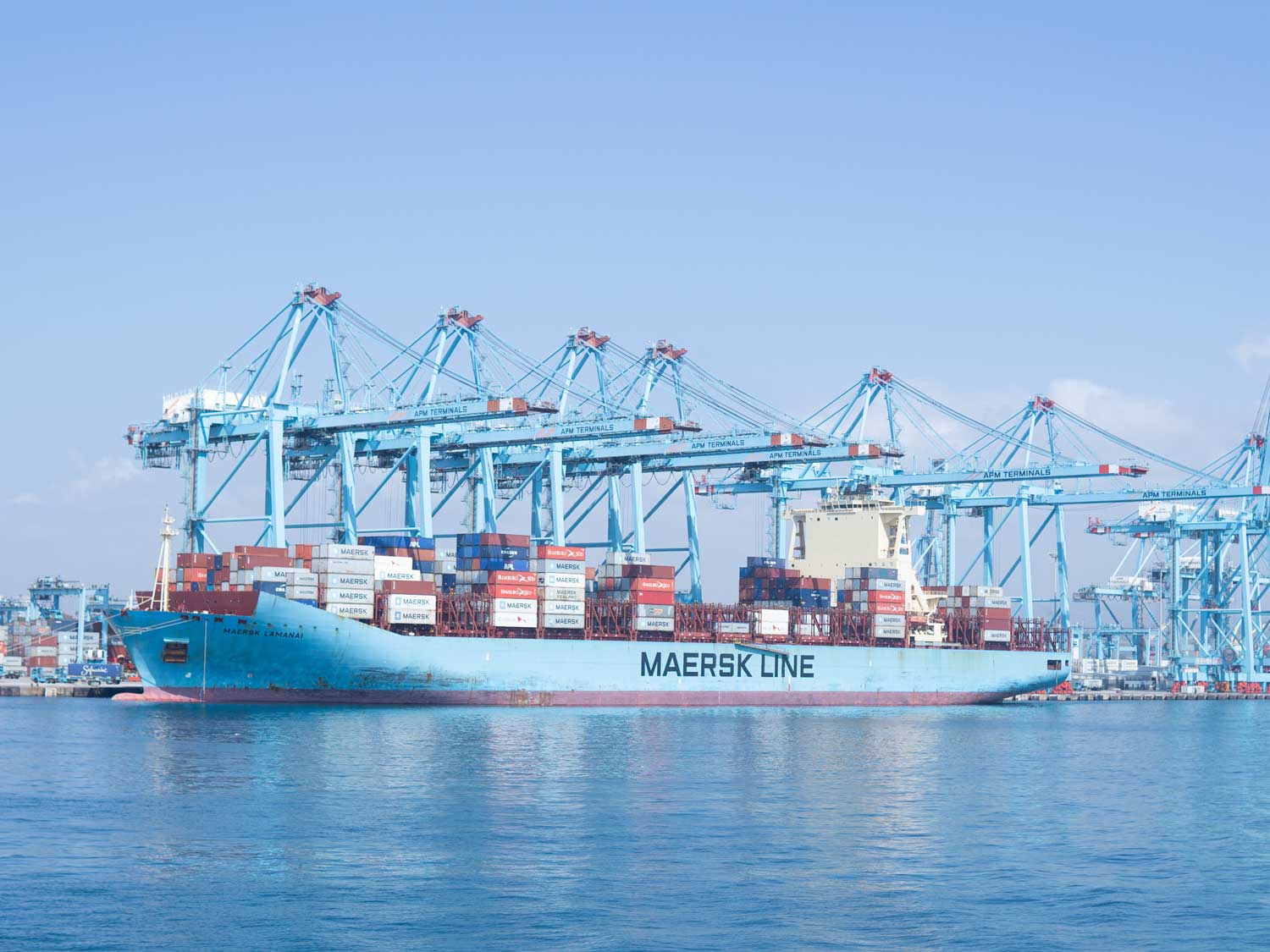
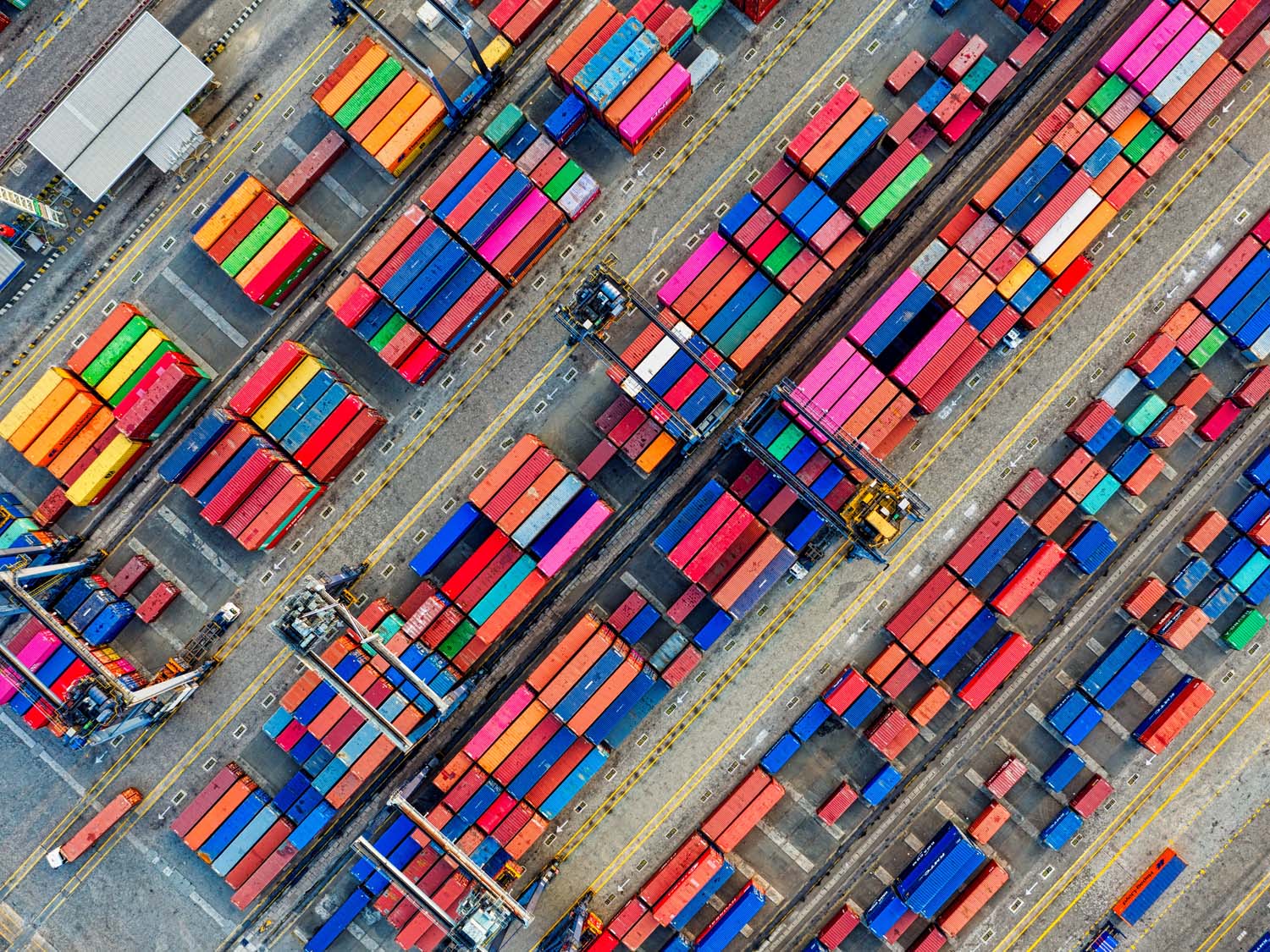
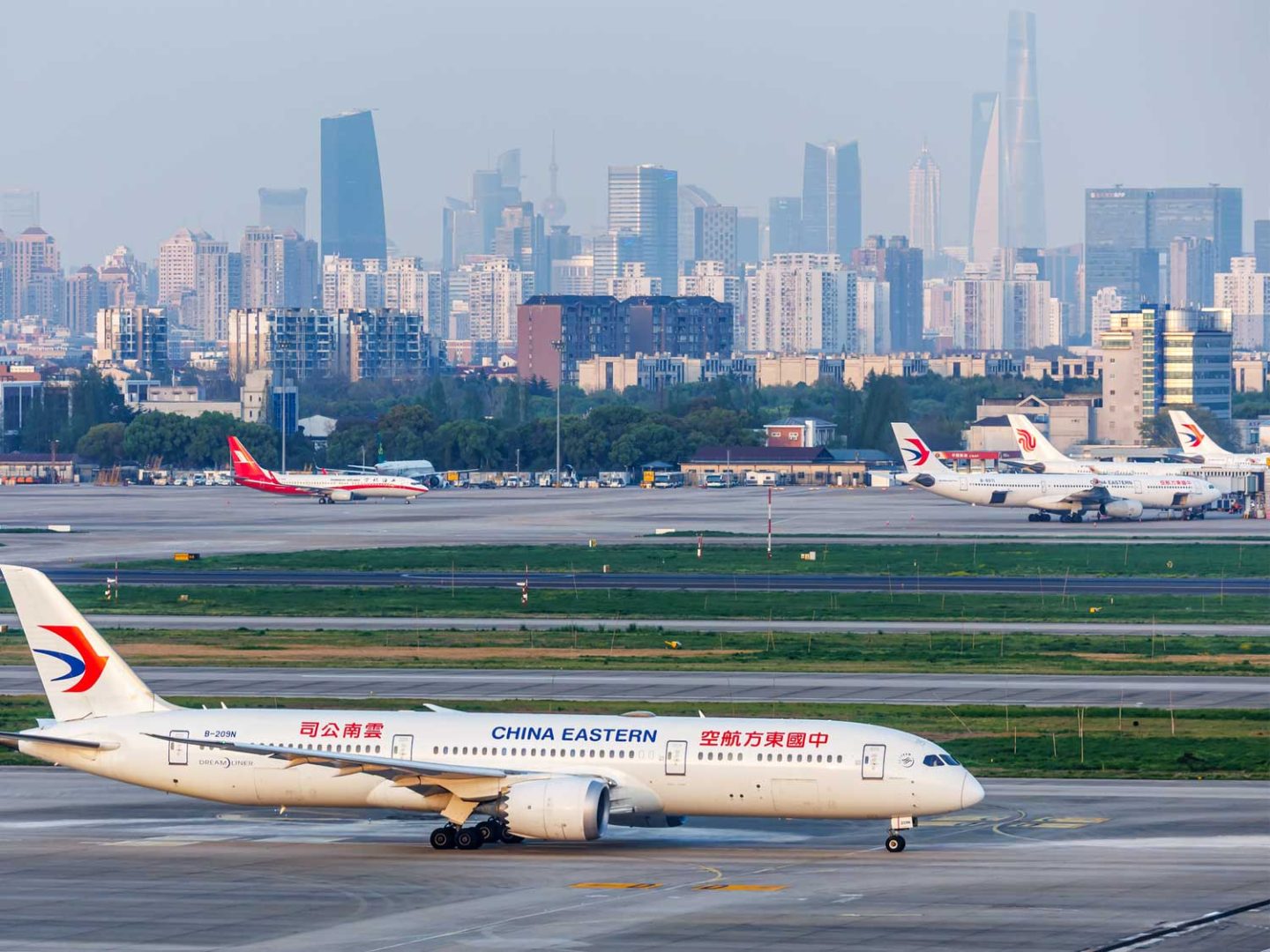
With North America remaining a priority market, Metro is also collaborating with carriers, ports, and airports to ensure optimised routes and enhanced operational efficiencies. As the global trade landscape shifts, closer alignment between Metro and US-based partners will be critical to navigating new challenges and opportunities.

The US/UK trade balance in goods is evenly matched and hopes are high that a comprehensive US/UK trade agreement could provide stability, boost trade, and remove barriers to growth.

Both economies share similar structures and ambitions, making further collaboration a natural progression. A deepened trade and investment agreement could unlock new opportunities for Metro’s clients, ensuring more predictable and streamlined transatlantic logistics solutions.

Scaling up Metro’s India operations

Metro’s expansion in India is also gathering momentum, with Director Tom Fernihough and COO Chris Gavin recently completing a multi-city visit to clients, partners, and Metro’s Indian headquarters in Chennai (MISC Chennai).

With India’s economy on track to become the world’s third largest by 2050, Metro is capitalising on the country’s growing manufacturing and export capabilities by scaling up its operations and investing in new infrastructure.

During the visit, Metro executives secured additional facilities, expanded recruitment efforts, and initiated plans to establish Metro Global India. This new entity will include an operational and physical handling centre dedicated to a key client manufacturing across the country, increasing Metro’s local headcount to a level comparable with the UK.

With UK exports to India valued at £16.6 billion and total trade reaching £42 billion last year, the revival of India-UK free trade talks presents substantial opportunities. A trade deal would enhance Metro’s ability to facilitate faster, more cost-effective logistics solutions for clients engaged in UK-India commerce.

As India’s role in global supply chains grows, Metro’s investment in local expertise and infrastructure will enable clients to benefit from seamless trade flows, reduced lead times, and enhanced supply chain resilience.

Metro’s evolving global network

By reinforcing existing relationships and forging new ones, Metro ensures that clients benefit from a global network that delivers efficiency, reliability, and strategic advantage.

Combining global reach with local expertise, ensures that clients always have access to tailored, best-in-class supply chain solutions in every location, no matter how complex the challenge.  Consistent investment in key markets, digital capabilities, and operational scalability will position Metro as a leader in global logistics, helping businesses thrive in an unpredictable trade environment.

To explore how Metro’s partnerships can support your business needs, please EMAIL Peter Orange for more information.

Stressed businessman 1440x1080 1

Seven supply chain shocks in seven weeks

Just seven weeks into 2025, global supply chains have already faced a whirlwind of challenges.

From industrial action to trade barriers and shifting alliances, businesses must stay agile to navigate ongoing disruptions. Here are seven of the most impactful developments so far this year.

1. US east coast port strike averted (8th January)
A major disruption was narrowly avoided as the International Longshoremen’s Association (ILA) and United States Maritime Alliance (USMX) reached a tentative six-year agreement. The deal, approved on 7 February, prevented a strike that could have crippled US east coast ports for months. A final vote on 25 February will confirm its ratification.

2. Uncertainty over Suez Canal return (19th January)
Despite a fragile ceasefire in Gaza, container ships will not be returning to the Red Sea anytime soon. Carriers remain cautious, fearing renewed instability and prioritising the established Cape of Good Hope diversions. Even if ships do resume transit, severe disruption is expected, with schedules taking up to two months to stabilise.

3. Trump’s trade policies spark concerns (20th January)
Following his inauguration, President Trump swiftly reignited trade tensions, threatening tariffs on Colombia, China, Canada, and Mexico. Proposals include a 25% levy on steel and aluminium from Canada and Mexico, with reciprocal tariffs also being considered for UK imports. The potential trade war could have widespread consequences for global supply chains.

4. US air cargo demand under threat (1st February)
Trump’s decision to impose a 10% tariff on all Chinese imports and temporarily suspend the de minimis exemption for low-value Chinese shipments has sent shockwaves through the air freight sector. While the exemption was reinstated, changes to eCommerce regulations could significantly disrupt air cargo flows into the US, which is expected to receive 1.4 billion eCommerce packages this year.

5. New Asia shipping alliances reshape trade (2nd February)
The long-anticipated shift from three major container alliances (Ocean, THEA, 2M) to four key players (Ocean, Premier, Gemini, MSC) is now in effect. Asia-North Europe scheduled liner capacity will shrink by 11%, yet the number of weekly sailings will increase from 26 to 28. These changes will reshape global shipping networks for years to come.

6. European road freight rates stabilising (4th February)
After three years of decline, European road freight spot rates may have hit their lowest point. According to the European Road Freight Rate Benchmark, spot rates fell just 1% year-on-year in Q4 2024. While demand remains weak, cost pressures have kept rates 15% above pre-pandemic levels, with short-term volatility expected.

7. Carriers cut sailings to stabilise rates (14th February)
Shipping lines are aggressively blanking sailings to ease the transition to new alliance schedules and sustain freight rates. Between 17 February and 23 March, 51 sailings have been cancelled across key east-west trade routes, with February’s cancellations rising to 133 from 104 in January. Further capacity withdrawals and a general rate increase (GRI) could follow if demand fails to recover.

With trade disputes, shipping realignments, and geopolitical instability shaping global supply chains, the first quarter of 2025 has already presented significant challenges.

Staying ahead requires proactive strategy adjustments to mitigate risks and build resilience. That’s why we share these insights and why your Metro account management team is always by your side, ready to provide expert advice, share knowledge, and develop bespoke solutions tailored to your supply chain needs.

For high-level support, EMAIL Andrew Smith, Managing Director.

MSC and Maersk 1440x1080 1

Gemini Cooperation’s bid to transform reliability

As the Gemini Cooperation officially launches, its promise of 90%-plus schedule reliability through a hub-and-spoke network is under intense scrutiny.

Maersk and Hapag-Lloyd, the two partners in the venture, aim to address persistent reliability issues in container shipping, where schedule adherence has remained stubbornly low, fluctuating between 50% and 55% throughout 2024.

Gemini’s hub-and-spoke model, which involves central hubs facilitating feeder services to final destinations, is designed to optimise transit efficiency. By consolidating mainline services at designated hubs, the carriers seek to mitigate congestion-related delays that can plague conventional port-to-port operations. 

With 340 vessels and a combined capacity of 3.7 million TEUs, the Gemini network will eventually offer 57 interconnected services – 29 mainline routes and 28 regional shuttles – once fully phased in by mid-year.

Overcoming historical challenges

Achieving the ambitious 90% schedule reliability target remains a formidable challenge, given the industry’s historical struggles with port congestion and operational disruptions. 

While Maersk and Hapag-Lloyd have consistently outperformed the industry average, their own reliability in 2024 remained below 60%. By controlling key transshipment hubs Gemini aims to establish a more predictable flow of goods. 

External risks, however, remain beyond the carriers’ control. Congestion at key ports in China, including Shanghai and Ningbo, has intensified due to demand outpacing capacity growth. The ability of the Gemini model to navigate such disruptions will be crucial in determining its success.

A question of market adoption

Beyond operational feasibility, the long-term viability of Gemini hinges on whether shippers are willing to prioritise schedule reliability over cost savings. The model’s success will depend on whether customers are prepared to pay a premium for consistency, particularly in an uncertain 2025 market. While some shippers may value reduced inventory costs enabled by greater reliability, past efforts to introduce premium services struggled due to market fragmentation and price sensitivity.

With the majority of shippers valuing end-to-end reliability rather than just punctuality between hubs, the challenge for Gemini will be to demonstrate that its model can deliver comprehensive benefits across the entire supply chain.

An industry-first experiment

With competing alliances, Ocean Alliance, Premier Alliance and MSC continuing to favour traditional port-to-port networks, Gemini’s decision to embrace the hub-and-spoke model sets it apart. For ‘Ocean’ and ‘Premier’ it is more or less ‘business as usual’, with their service structure based upon the current setups. 

In particular ‘Ocean’s’ network remains largely unchanged, except for the re-launch of a seventh Far East to Europe service. Further to this, the alliance will add the South Chinese port of Yang- pu, on Hainan Island, to two of its Asia to North America loops. 

‘Premier’ mainly maintains the former THEA services and it will compensate the departure of Hapag-Lloyd by slot agreements with MSC on Far East to Europe services. Operationally, the partners will keep full control of ‘their’ loops, while retaining an existing Vessel Sharing Agreement with Wan Hai Lines in the Transpacific trade. ‘Premier’s’ largest member, ONE, will also continue a Transatlantic Vessel Sharing Agreement with the members of ‘Ocean’. 

With the network still in its early stages, industry observers remain divided on whether Gemini can deliver on its promises. Yet, if the venture achieves its ambitious targets, it could compel competitors to rethink their approach. The coming months will provide the first indications of whether this bold experiment will reshape global container shipping or simply become another ambitious but short-lived attempt at reform.

Metro negotiates rates and volume agreements with a broad portfolio of carriers, including MSC and the three major alliances, ensuring shippers have access to the widest range of service options, port pairings, and competitive rates. 

Our tailored ocean freight solutions reflect each customer’s unique requirements and expectations, delivering optimised logistics strategies. For expert guidance EMAIL Andy Smith, Managing Director, to review your situation and find the best solution for your supply chain.

Suez map

Container shipping braces for volatility as Red Sea routes beckon

For over a year attacks on merchant vessels by Houthi militants has forced container carriers to reroute around the Cape of Good Hope. However, a newly established ceasefire and assurances from Houthi forces to limit attacks on non-Israeli vessels signal the possibility of a return to the Suez Canal route.

The ceasefire in Gaza and Houthi pledges to cease attacks on most vessels offer cautious optimism for carriers, who have stated that they will only return to Red Sea transits “when it is safe to do so”.

The assurance that ships will not be targeted, alongside a reduction in hostility towards vessels calling at Israeli ports, should pave the way for safer Red Sea transits.

However, the situation remains fragile. The Houthis have reserved the right to resume attacks should aggression occur in Yemen, and their targeting of Israeli-flagged or wholly Israeli-owned vessels persists. Furthermore, full implementation of the ceasefire agreement’s later stages is crucial for long-term stability.

Capacity oversupply threatens
While the reopening of the Red Sea route presents an opportunity to streamline shipping operations, it also introduces significant challenges.

Currently, close to 100% of container vessels avoid the Suez Canal, diverting around Africa and effectively removing over 12% of fleet capacity. This artificial tightening of capacity has driven freight rates to significantly higher levels in 2024, with spot rates more than tripling on some trades.

The return to shorter voyages through the Suez Canal will flood the market with capacity, dramatically altering the supply-demand balance. Analysts predict carriers will struggle to absorb the 1.8m TEU excess, with scrapping and slow steaming unlikely to offset the impact.

Operational challenges
Resuming Red Sea transits will also bring logistical hurdles. Carriers face the complex task of realigning schedules disrupted by the year-long diversions. Ships arriving earlier or later than expected at ports could lead to congestion and delays, adding to the strain on global supply chains.

Port congestion, particularly in Europe, is a key concern. A surge in vessel arrivals could overwhelm infrastructure, causing temporary backlogs that disrupt the smooth flow of goods. The shipping industry must also contend with record deliveries of new vessels, further compounding capacity issues.

While the reopening of the Red Sea route offers opportunities to reduce transit times and operational costs, the transition is unlikely to be smooth. The combination of excess capacity, volatile freight rates, and logistical challenges will create uncertainty in the short term.

With geopolitical risks casting uncertainty over the industry, building resilient supply chains, securing comprehensive cargo insurance, and managing budgets effectively will be essential for navigating the 2025 sea freight landscape.

In this volatile market, our marine insurance cover and fixed-rate agreements on key shipping routes help minimise risk and provide budgetary stability.

To discover how Metro’s insurance solutions and fixed-rate options can support your business in 2025, please EMAIL Managing Director Andy Smith.