US Tariffs Reshape Global Supply Chains

US Tariffs Reshape Global Supply Chains

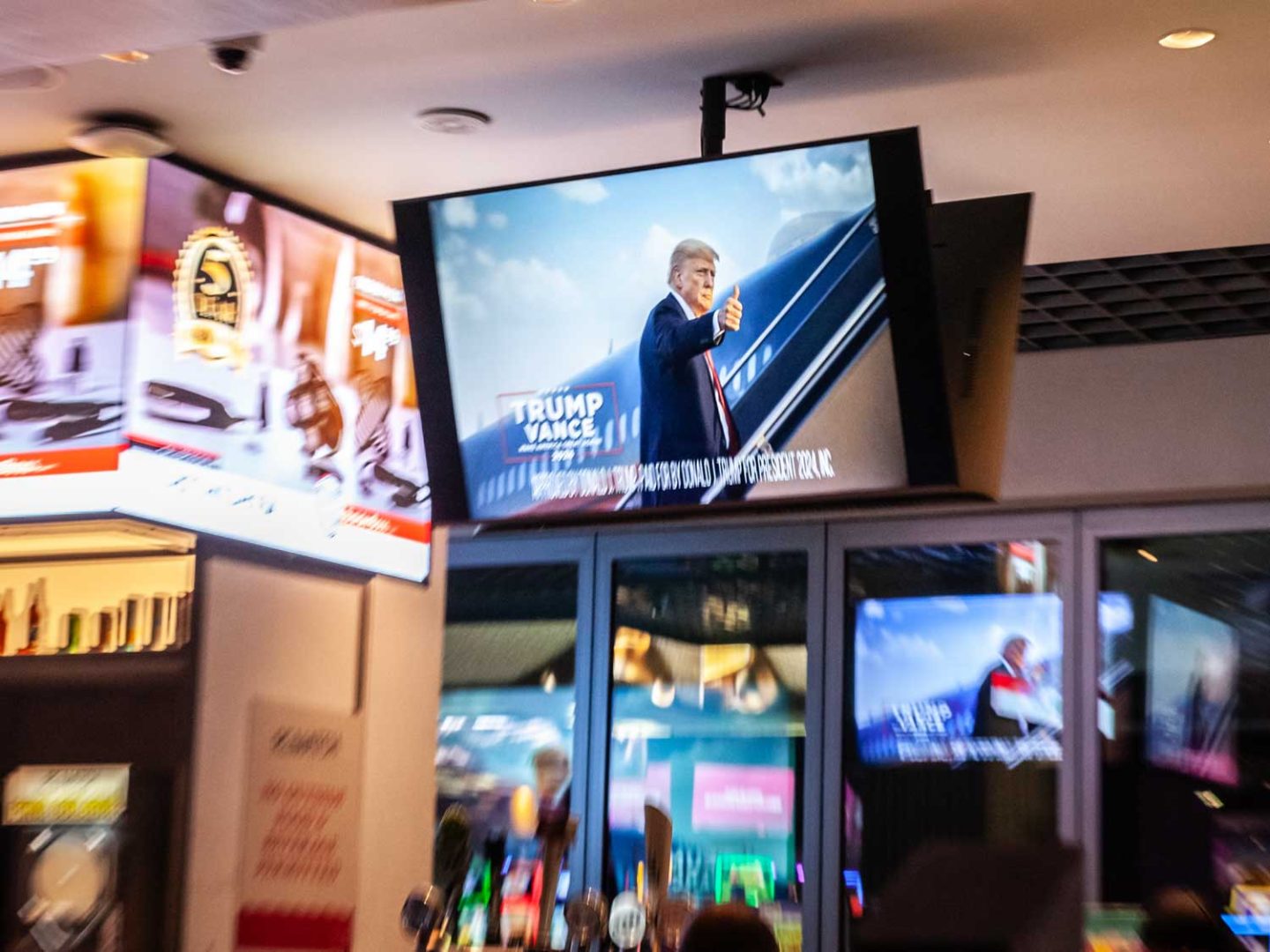
The wave of new US tariffs has triggered a recalibration across global trade and supply chains. While markets initially reacted with relative calm, the cumulative impact of the Trump administration’s layered tariff regime, now reaching more than 60 countries, is beginning to reshape sourcing strategies, cost structures, and trade flows worldwide.

The latest measures, including punitive tariffs of up to 50% on imports from India, and Switzerland, and a standardised 15% levy on most EU goods, follow months of negotiations, with the UK and US agreeing an Economic Prosperity Deal (EPD) on 8 May, as a framework for tariff reductions to 10% and sector-specific cooperation.

While the EU, UK and some other nations have secured temporary reprieves or reduced rates, others are facing some of the steepest trade barriers since the 1930s. Despite legal challenges and ongoing court reviews, the ‘reciprocal’ tariff framework remains in force until 14 October to give the administration time to appeal to the US Supreme Court.

Supply Chain Implications

With the average US tariff rate climbing to 15.2%, up from a pre-Trump level of just 2.3%, importers are confronted by significant new costs and operational uncertainties. Many rushed to ship goods before the new levies took effect, temporarily insulating American consumers from immediate price increases.

However, the landscape is growing more unpredictable. With distinct, sector-specific tariffs on items like semiconductors, consumer electronics, pharmaceuticals, and critical minerals forthcoming, importers face ongoing uncertainty around landed costs and logistical planning.

And while the legality of “reciprocal” tariffs continues under judicial review, it adds yet another layer of risk for firms engaged in international trading.

The structure of the new tariff regime is multi-layered. A base rate of 10% applies to most imports, with steeper levies of 15% to 41% on countries with trade surpluses or those targeted for geopolitical reasons. Sector-specific duties on copper, pharmaceuticals, semiconductors, and critical minerals are being introduced in stages, with transshipment clauses aimed at preventing circumvention.

India, Switzerland and Brazil have emerged among the hardest-hit economies, with duties on some goods now matching or exceeding those applied to China. 

The outlook for trade with China remains fluid. A 90-day truce has paused the imposition of previously announced three-digit tariffs, with further talks expected before the November deadline.

However, a new provision introducing a 40% tariff on suspected transshipped goods, potentially targeting Chinese exports routed through third countries, has introduced added further complexity for supply chain managers.

The EU, UK, Canada, Mexico, Japan, and South Korea, appear better positioned to weather the storm, with existing trade agreements and temporary negotiation windows providing some insulation. Yet, some of these buffers are time-limited, and broader economic impacts are still unfolding.

As tariffs shift the relative cost of sourcing and importing, businesses are actively reviewing their global footprints. For many, the focus is now on building resilience through diversification, friend-shoring, and regionalisation. However, continued tariff uncertainty is delaying investment decisions and complicating long-term planning, especially for industries reliant on integrated global supply chains.

US Tariffs are reshaping global trade. Whether you’re evaluating exporting or sourcing options, reviewing landed costs, or considering tariff engineering, EMAIL our managing director Andy Smith to discuss your exposure and build a future-proof compliance strategy.

Container Shipping Faces Prolonged Excess Capacity

Container Shipping Faces Prolonged Excess Capacity

The container shipping industry is set for several years of structural oversupply, which will put significant downward pressure on rates, with fleet growth consistently outpacing cargo demand until the end of the decade.

Analysts point to a combination of record vessel orders and limited scrapping as the primary drivers of the imbalance. By mid-2025, global carriers had ordered 2.3 million TEU of new capacity, only slightly below the record levels set in late 2024. The current order-book now totals 9.6 million TEU, equivalent to more than 30% of the active fleet. With 3.3 million TEU scheduled for delivery in 2028 alone, average fleet growth is forecast to remain above 6% per year.

The composition of new orders is also shifting. While demand for ultra-large ships of 14,000 TEU and above remains strong, the most striking increase has come in smaller units. Seventy-four feeder and regional vessels of up to 4,000 TEU were ordered in the first half of 2025, almost matching the entire 2024 total. This investment comes despite the fact that nearly a third of the world’s smaller ships are already over 20 years old, a share set to rise to around half by 2030.

Scrapping activity has stalled at the same time. Just ten ships totalling 5,454 TEU were demolished in the first six months of 2025, compared with nearly 49,000 TEU a year earlier. A strong charter market and resilient cargo flows, combined with continued diversions via the Cape of Good Hope, have encouraged carriers to hold on to older tonnage. Many remain wary of cutting capacity after recent shocks, including the pandemic and Red Sea disruptions, demonstrated the strategic value of surplus vessels.

On the demand side, global throughput is expected to rise 2.6% in 2025, supported by front-loading, fiscal stimulus, and lower effective tariff rates. But growth is forecast to slow to 1.7% in 2026 as inflationary pressures, higher costs, and weaker US job growth weigh on consumption. Asia–Europe routes, where the largest vessels are being deployed, are expected to feel the oversupply most acutely, while transpacific trades face uncertainty once front-loading unwinds.

The imbalance has clear financial and regulatory implications. Analysts expect profitability to bottom out in 2028, when the largest wave of deliveries coincides with a likely return of normalised Red Sea transits. At the same time, retaining older tonnage raises questions around emissions compliance and fuel efficiency as IMO decarbonisation rules tighten.

Industry projections suggest average overcapacity of around 27% through 2028. While unforeseen shocks may disrupt the outlook, the medium-term picture points firmly to a prolonged period of structural pressure on global container shipping.

With vessel supply set to outpace demand for years ahead, oversupply will continue to distort schedules and pressure rates. In this environment, booking space is no longer enough. You need visibility, agility, and the ability to adapt as conditions change, with blanked sailings and service adjustments likely without notice.

Metro’s MVT platform continuously tracks carrier KPIs and vessel position, comparing actual performance across alliances and adjusting supply chains in real time. This data-led approach maintain supply chain resilience, minimises disruption, optimises inventory planning, and safeguards service levels.

EMAIL Andrew Smith, Managing Director, to discuss how we can support your supply chain.

Court Ruling Challenges Trump’s Trade Strategy Amid Global Uncertainty

Court Ruling Challenges Trump’s Trade Strategy Amid Global Uncertainty

A U.S. federal court has ruled that President Donald Trump’s sweeping “Liberation Day” tariffs are illegal — delivering what may prove to be a major blow to his trade policy agenda, or simply a temporary setback.

On May 28, 2025, the United States Court of International Trade determined that President Trump exceeded his authority under the International Emergency Economic Powers Act (IEEPA) by imposing broad tariffs on imports from numerous countries. The court found that the administration’s justification did not meet the IEEPA’s requirement of an “unusual and extraordinary threat,” rendering the tariffs an improper use of executive power.

The three-judge panel unanimously held that the IEEPA does not authorise the president to unilaterally impose such sweeping tariffs, stressing the need for a clear mandate from Congress when it comes to major economic decisions. As a result, the court issued a permanent injunction against the tariffs and ordered U.S. Customs and Border Protection to stop collecting them.

The ruling requires that the tariffs be halted within 10 days. The Trump administration has announced plans to appeal, which could take the case to the U.S. Court of Appeals for the Federal Circuit.

Implications for Trade Policy
This decision directly challenges a key pillar of Trump’s trade strategy, which has leaned heavily on tariffs to address trade imbalances and shield U.S. industries. It may also influence ongoing negotiations with key partners such as the European Union and the United Kingdom by casting doubt on the legal basis for unilateral U.S. tariff actions.

While the court invalidated the sweeping global tariffs introduced on April 2 — including the baseline 10% levy and “reciprocal” duties — it did not strike down the administration’s sector-specific tariffs on imports like steel and cars, which remain in force.

The ruling is expected to embolden critics of Trump’s tariff policy across corporate America, foreign capitals, and Capitol Hill. It also comes at a sensitive moment for the administration, which is working to finalise new trade deals after suspending many of the planned tariff hikes.

The legal setback introduces fresh uncertainty into an already volatile global trade landscape — and may ultimately reshape how domestic and international actors engage with U.S. trade policy in the months ahead.

Stay informed as the US tariff and trade landscape evolves. Go to our home page to subscribe to our eBulletin updates for expert insight on the rulings, appeals, and what it all means for your supply chain strategy.

Tariff turmoil threatens US importers as China trade takes a hit

Tariff turmoil threatens US importers as China trade takes a hit

After weeks of speculation, US President Donald Trump has sharply escalated tariffs on Chinese goods to 125%, while simultaneously offering a 90-day reprieve to other trading partners.

The baseline tariff of 10% applies to imports from all countries other than China, including the EU. This rate applies in addition to any existing tariffs, with certain exemptions in place for key sectors such as semiconductors, copper, lumber, pharmaceuticals, bullion, energy, and minerals not found domestically.

Meanwhile, the separate 25% tariff on automobiles and auto parts, introduced last month, remains in effect.

Tariffs of 25% also continue to apply to steel and aluminium imports across the board, alongside the existing 25% duty on goods from Mexico and Canada that do not comply with USMCA free trade agreement terms.

US retailers and importers are reacting quickly. Delaying or cancelling orders and turning to existing inventory while they wait for clarity. According to the National Retail Federation (NRF), the outlook for imports is bleak, with volumes expected to fall sharply in the coming months.

Data from Dun & Bradstreet shows that just 225,900 TEUs of US imports from Asia were booked in the past seven days, down from around 633,000 TEUs the week before. Purchase orders for fall and holiday merchandise are also being postponed by 30 to 60 days.

The NRF’s Global Port Tracker estimates a 20% year-on-year drop in US imports for the second half of 2025. June volumes are forecast to be the lowest since early 2023, with the downturn starting as soon as May. While the 90-day reprieve on non-China tariffs may cushion the blow, the wide disparity in duty rates between China and other Asian nations is already influencing global sourcing decisions.

With tariffs now exceeding 150% on some goods, many Chinese-made products are no longer viable in the US market. By contrast, the impact on goods from countries facing lower tariffs is less severe. A 10% duty typically translates to a retail price increase of around 3%, making these supply chains more resilient in the near term. As a result, sourcing is shifting rapidly towards countries like Vietnam and Taiwan, where the tariff environment is more favourable.

Despite the disruption, shipping lines remain cautiously optimistic. Many believe that once the tariff situation stabilises import volumes could rebound strongly during the peak late summer to autumn season.

Meanwhile, the administration appears to be refining its approach on another controversial measure. The proposed port fees of up to $1.5 million on Chinese-built or operated ships calling at US ports. Speaking before the Senate Finance Committee, USTR Jamieson Greer sought to ease concerns, indicating adjustments are being made to avoid damaging American export competitiveness.

“The president will look very carefully to make sure we have the right amount of time and the right incentives to create shipbuilding here without impacting our commodity exports,” Greer said.

Meanwhile, pressure is building on US Customs and Border Protection (CBP). The increased complexity of tariff codes and documentation is creating more manual processing work, and staffing levels have not risen in line with demand. There is growing concern that CBP could be overwhelmed if volumes rise suddenly or new duties are introduced.

For now, the only certainty is continued volatility. Trade flows are being redrawn, sourcing strategies are in flux, and the longer-term consequences of this tariff upheaval are only just beginning to surface.

We will share further updates as new details emerge, particularly around the EU and shifts in UK trade policy.

If you’d like to review any potential impact on your supply chain, assess your exposure, or explore strategic options, we’re here to help. Metro is well-placed to support you, backed by our expanded US footprint and strong focus on North American trade flows.

If we can help, or simply answer your questions, contact us now for prompt and tailored advice.