Maersk at FXT 1440x1080 1

Maersk leave Felixstowe as shipping Alliances prepare for launch

The container shipping industry is undergoing significant realignments, with three major alliances and MSC operating independently, restructuring their networks to enhance efficiency and reliability.

These alliance changes represent a major shift in container shipping, affecting global trade routes and port operations, with the major carriers adapting to evolving market needs, regulatory pressures, and cost management requirements.

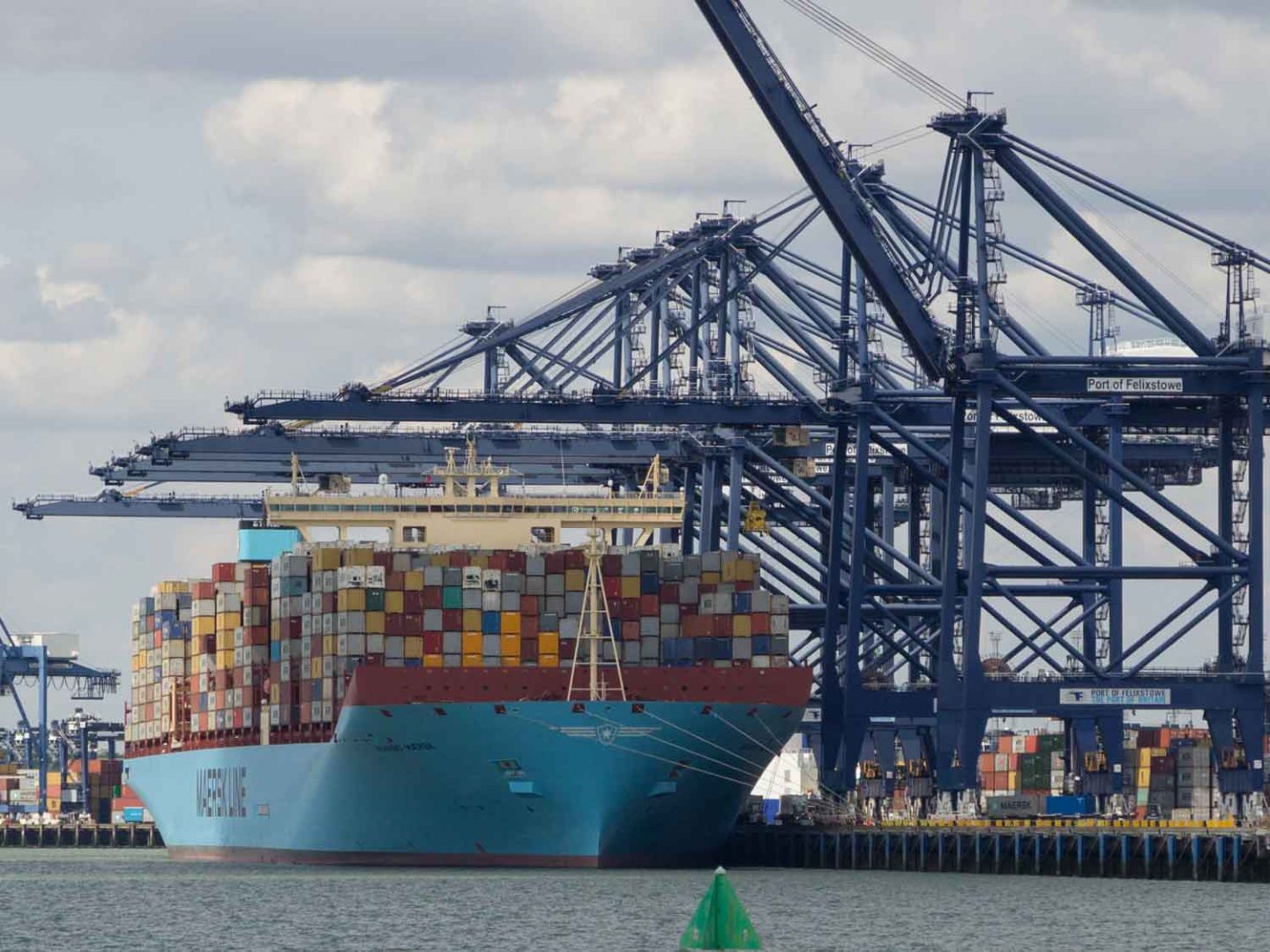
In a shock move announced last week Gemini Cooperation partners, Maersk and Hapag-Lloyd have chosen London Gateway as their primary UK hub for Asia-Europe services, replacing the Port of Felixstowe. Choosing ports is crucial for the ambition of Maersk and Hapag-Lloyd to achieve 90% schedule reliability.

Through Gemini they aim to reduce network complexity by implementing single-operator loops and fewer port calls per service, thereby enhancing reliability and speed for customers. The Gemini Cooperation will deploy a fleet of approximately 290 vessels, with Maersk contributing 60% and Hapag-Lloyd 40%, totalling a combined capacity of 3.4 million TEU. 

The dissolution of the 2M Alliance between Maersk and MSC, effective January 2025, has prompted these realignments. Additionally, Hapag-Lloyd’s departure from THE Alliance has led to the formation of the Premier Alliance, comprising Ocean Network Express (ONE), Yang Ming, and HMM.

2025 Container shipping alliances

Gemini Cooperation
Formation: A new alliance starting 1st February, 2025.

Members:
Maersk
Hapag-Lloyd

Key Features:
– Focus on high reliability (target: 90% service reliability).
– Simplified loops and reduced port calls to optimize efficiency.
– Major trade lanes: Asia-Europe, Trans-Pacific, and North-South trades.
– UK hub: London Gateway (replacing Felixstowe).

Premier Alliance
Formation: Starts February 2025; a five-year agreement.

Members:
Ocean Network Express
HMM
Yang Ming

Key Features:
– Coverage of East-West trade lanes, including Asia-Europe, Asia-North America, and Trans-Pacific routes.
– Aims to improve operational efficiency and cost-sharing among smaller carriers compared to the larger players.
– While the exact number of vessels allocated to the Premier Alliance is not specified, the extensive service network suggests a significant fleet deployment.

Ocean Alliance
Formation: Originally formed in 2017; extended until 2032.

Members:
COSCO
OOCL
CMA CGM
Evergreen Marine Corporation

Key Features:
– Operates 330 vessels with a total capacity of 3.8 million TEUs.
– Major trade routes: Asia-Europe, Asia-North America, and intra-Asia.
– Focuses on stability and long-term collaboration.

MSC Standalone Network
Mediterranean Shipping Company, the world’s largest carrier by fleet size.

Key Features:
– Operates independently without alliances.
– Plans to maintain flexibility and control over service offerings.
– Network includes extensive global coverage, particularly on Asia-Europe and Trans-Pacific lanes.
– Fleet of approximately 850 container vessels (6 million TEU), with 99 vessels on order, which would add nearly 1.2 million TEU to its capacity.

Legacy Alliances (Dissolved):
2M Alliance
Members: Maersk and MSC.

THE Alliance
Members: ONE, HMM, Yang Ming (until January 2025).
– Transitioning into the Premier Alliance.

Metro negotiate contracts and volume agreements with a broad portfolio of carriers, including MSC and across the alliances, to offer our shippers the widest range of service offerings, port-pairings and rates.

Our bespoke solutions uniquely reflect our customers requirements and expectations. For further information please EMAIL Chief Commercial Officer, Andy Smith, who would be delighted to review your situation. 
FTSE 1440x1080 1

FTSE 100 firms identify supply chain threats as a principal risk

A recent study by the Boston Consulting Group, reveals that 72% of FTSE 100 companies now identify supply chain threats as a principal risk to their operations.

This heightened concern follows significant disruptions such as the Suez Canal blockage, the COVID-19 pandemic, and the Red Sea shipping crisis, which have exposed vulnerabilities in global supply chains.

Despite widespread acknowledgment of these risks, only 54 of the FTSE 100 companies have provided shareholders with detailed information on their mitigation strategies. This lack of transparency underscores the need for more robust communication regarding risk management practices.

To address these challenges, companies are implementing various strategies:

  • Supplier engagement: Regular meetings with suppliers to monitor and share potential risks.
  • Risk documentation: Compiling and updating ‘risk registers’ to document supplier-specific risks.
  • Inventory management: Maintaining higher levels of ‘buffer’ stock to mitigate short-term crises.
  • Diversification: Expanding supply chain streams to prevent business interruptions.

Technological solutions are also being leveraged to enhance resilience. Companies are implementing robust cybersecurity measures, utilising artificial intelligence for supply chain design and monitoring, deploying algorithms to identify high-risk raw materials, and conducting comprehensive assessments of suppliers’ financial resilience and infrastructure.

Supply chain risks have now reached the boardroom, with discussions taking place within executive and audit committees. This elevation in priority reflects the critical importance of supply chain stability to overall business operations.

The findings emphasise the necessity for businesses to prioritise transparency, technological innovation, and strategic planning in their supply chain management. As risks continue to evolve, proactive risk management has become a vital component of corporate governance.

Metro’s advanced supply chain technology

Metro’s proprietary cutting-edge supply chain technology has been conceived and designed to enhance visibility, control, and efficiency. The AI-driven solutions provide real-time insights into supply chain operations, enabling companies to anticipate disruptions and respond swiftly. Features include comprehensive purchase order management, multi-modal track and trace capabilities, and consignment management tools. Additionally, the MVT ECO platform allows shippers to forecast, measure, and offset global supply chain emissions, supporting sustainability goals. By integrating these technologies, businesses can strengthen their supply chain resilience and maintain operational continuity in an increasingly complex global environment.

Metro is leading the industry in developing the technologies and platforms that simplify and support the development of resilient, agile and adaptable supply chains.

Visibility, control, environmental, and customs modules, blend together with integrations of critical digital trade documents, to provide an unparalleled supply chain platform.

EMAIL Ian Powell for further Information on our digital capabilities and how we can protect and enhance your global trade and business growth ambitions.

Canada and US flags 1440x1080 1

November: North American market update

The North American freight market faces a complex set of challenges as ongoing labour disputes, potential trade policy shifts, and evolving service offerings reshape the landscape.

Canadian port strikes strain supply chain
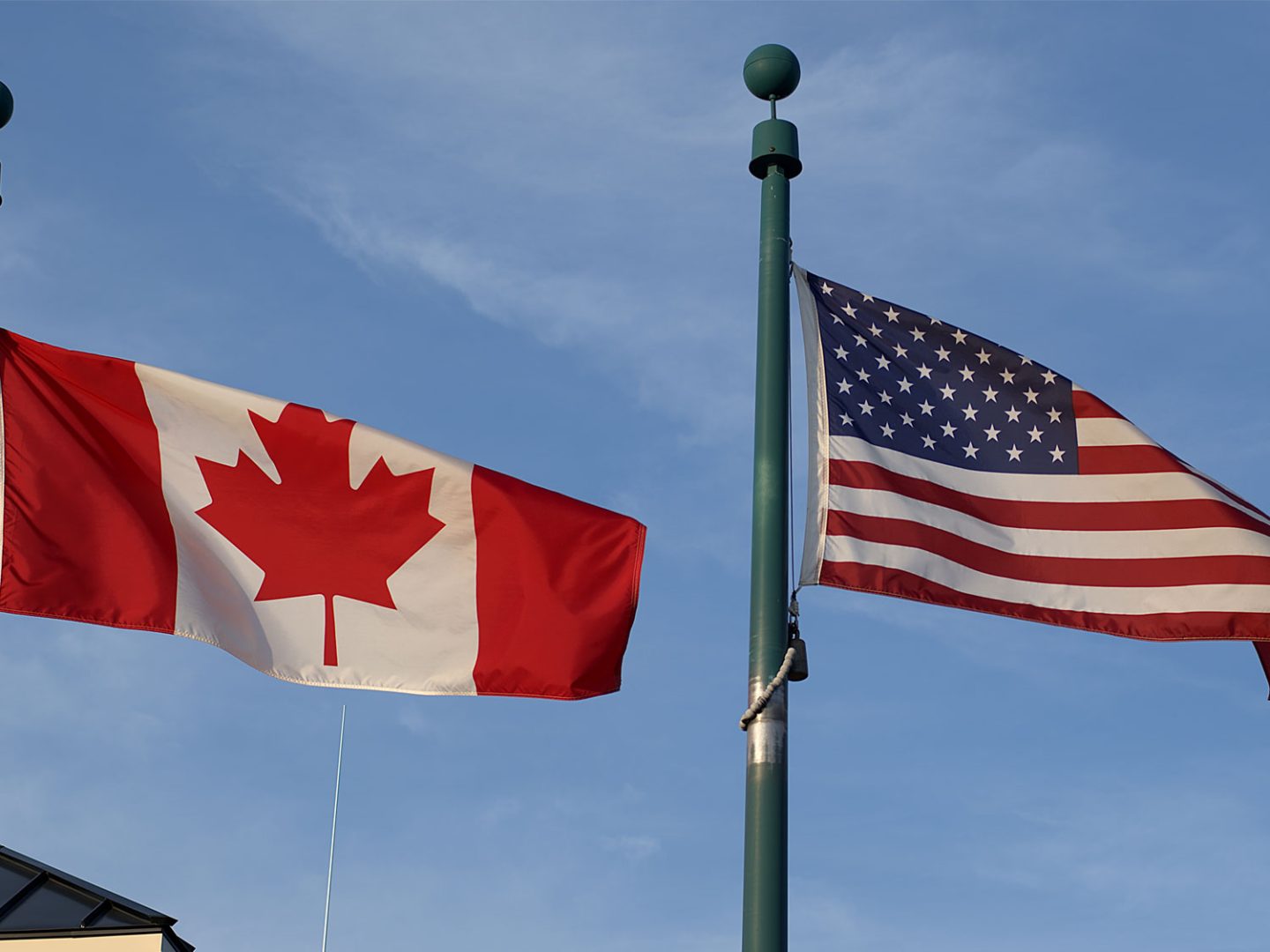
Labour disputes have disrupted operations at Canada’s east and west coast ports, with significant impacts on supply chains. At the Port of Montreal, the Maritime Employers Association (MEA) imposed a lockout after the Longshoremen’s Union CUPE Local 375 rejected their offer, halting operations since 31st October. On the west coast, stalled negotiations between the International Longshore and Warehouse Union (ILWU) and port authorities in Vancouver and Prince Rupert effectively paralysed these critical gateways for Canadian imports and exports.

The closures forced Canadian freight to be diverted to US west coast ports, including Seattle, Oakland, Los Angeles, and Long Beach, adding to congestion and creating backlogs that could take months to resolve.

Government intervenes to resume operations
In a decisive move on the 12th November, the Canadian government directed the Canada Industrial Relations Board (CIRB) to end the strikes at Vancouver and Montreal and impose binding arbitration. While business groups welcomed the intervention, union representatives criticised the move, arguing it undermines workers’ rights.

As operations begin to resume, the Montreal Port Authority announced plans to gradually clear terminal backlogs and restore fluidity, although it could take weeks to return to normal. Meanwhile, Vancouver’s container terminals remain delayed, with limited anchorage availability adding further challenges.

US east and gulf coast strike uncertainties persist
Following a brief three-day strike in October on the US east and Gulf coasts, concerns remain about potential further disruptions. The strike’s conclusion hinged on a provisional wage agreement between the International Longshoremen’s Association (ILA) and the United States Maritime Alliance (USMX), with more complex issues such as automation still unresolved.

Negotiations resumed with a new contract deadline of 15th January 2025, but ended early on the 12th November, when the ILA broke off talks with the USMX. According to ILA, the decision was made after USMX continued “pushing automation and semi-automation language in its Master Contract proposals that will eliminate ILA jobs.” The ILA added it “remains hopeful that USMX will alter its un-winnable strategy, and resume negotiations as soon as possible.”

The uncertainty surrounding contract outcomes is likely to push shippers to expedite shipments before January, amplifying capacity constraints across North American ports. The October strike impacted trans-Atlantic and Asia-US trade lanes, with trans-Atlantic westbound volumes falling by 15% and Asia-US east coast capacity expected to drop 17% in mid-November.

Potential tariff escalation under new US administration
The US presidential inauguration in January may bring significant trade policy changes, with proposed tariffs that could reach 60% on China and 20% on other countries.

While the EU, which has a $130bn trade surplus with the US, is preparing counter-tariffs, the UK, which enjoys a relatively modest surplus, appears unlikely to retaliate, favouring open trade instead.

This potential tariff escalation could lead to intense front-loading of shipments before January, creating a pre-inauguration shipping peak, which might align with the pre-Lunar New Year demand surge.

Metro’s expanding US focus
The United States is Metro’s 2nd largest origin/destination and client location, with a large number of customers also having their head office located in North America.

To better support this large and growing client base, Metro will open its first office in the US next year. The non-operational office will focus on local American customers, to enhance the level of service and support provided to them, including the oversight of 3rd country movements through the Americas.

In-house shipping line offers Express US service
Wholly-owned group subsidiary, Ellerman City Liners, has launched the weekly sailing United States Express Service (USX), delivering some of the fastest containerised transit times available. Direct to Philadelphia from just 13 days, USX utilises non-congested ports and terminals, to streamline port clearance and inland movements.

USX is the only direct service operating to and from Jacksonville, serving the Baltic, Scandinavia, Europe and the United States, with four calls on the East Coast, including Philadelphia.

Ellerman’s USX service offers fast and reliable transit times, with lots of flexibility and operates in cooperation with MSC. It is gratifying to see our group working closely with the world’s largest carrier, which underlines our continued commitment to supporting our partner carriers. Many of whom we have worked with for decades.

As North America’s sea freight market adapts to labour uncertainties and fluctuating trade policies, shippers face a complex landscape of demand pressures, capacity constraints, and fluctuating costs.

To discuss the current situation and how Metro can support your North American supply chain, please EMAIL Andrew Smith, Chief Commercial Officer.

MSC and Maersk 1440x1080 1

New alliances reshape East-West trade container shipping

Container shipping faces a transformative year in 2025, as key East-West and transatlantic shipping routes are set for substantial realignment, with the dissolution of existing alliances and the formation of new ones.

Carriers are optimising their networks to enhance competitiveness and meet the evolving demands of global trade, with the emergence of two new alliances: the Gemini Cooperation, a partnership between Maersk and Hapag-Lloyd, and the Premier Alliance, a collaboration of Yang Ming, HMM, and ONE, alongside new slotting arrangements with MSC.

The Ocean Alliance remains unchanged, continuing with CMA CGM, Evergreen, Cosco, and OOCL. These shifts will impact service offerings, schedules, and direct port-pair connections across major East-West routes, providing shippers with a mix of increased options and competition.

New alliances drive service innovation
MSC’s standalone network, set to operate independently of the previous 2M Alliance with Maersk, offers massive connectivity across five key trade routes: Asia to North Europe, the Mediterranean, North America West Coast, North America East Coast, and the transatlantic. The network promises high direct connectivity through both the Suez and the Cape of Good Hope, featuring over 1,900 direct port pairs, making it a formidable standalone competitor.

In contrast, the newly formed Gemini Cooperation offers few direct port-port pairs, concentrating on transhipment and feeder services to optimise efficiency. On the Asia-Europe route, MSC offers three-and-a-half times more direct connections than Gemini, while the Premier Alliance has structured its services with a high frequency of calls on selected port pairs, adding competitive pressure, especially on the Asia-North America route.

Competitive corridors and service options
For Asia-Europe, key origins including Shanghai and Ningbo will see extensive service coverage, with MSC offering the most direct options, followed closely by Ocean Alliance. MSC’s standalone network is set to offer daily services along some of these high-demand corridors, which will include major destination ports in North Europe, such as Antwerp and Felixstowe.

The Ocean Alliance will leverage its consistent service network with regular calls to European hubs, meeting demand with a steady schedule. In contrast, the Gemini Cooperation will focus on select routes with a more streamlined approach, prioritising efficiency over frequency, while the Premier Alliance positions itself as a flexible choice with direct connectivity to both large and mid-size European ports.

On the transatlantic route, the landscape is also evolving. MSC’s expanded standalone service includes comprehensive transatlantic offerings, with high-frequency connections to both North American and European ports. These routes cater to demand for direct services between major East Coast ports in the US and destinations such as Hamburg, Antwerp, and Rotterdam. The Premier Alliance, through its slot exchanges with MSC, will also deliver enhanced transatlantic options, further enriching service choices on this important corridor. The Gemini Cooperation, however, has chosen to limit its transatlantic service focus, concentrating on key North European ports.

Flexibility and choice
While 36 key port pairs will see direct services from all alliances, offering shippers competitive choices, 139 port pairs will be exclusively serviced by a single alliance, providing unique service propositions.

The distinct approaches taken by each alliance highlight a shift towards service flexibility, with alliances focusing on varying service concepts, transit times, and reliability levels to cater to different market needs.

As new alliances settle into their operational structures and MSC advances as a powerful standalone force, the reshaped East-West trade-lanes, including transatlantic services, will give shippers a broader selection of service configurations.

Metro negotiate rates and volume agreements with a broad portfolio of carriers, including MSC and across the alliances, to offer our shippers the widest range of service offerings, port-pairings and rates.

Our bespoke solutions uniquely reflect our customers requirements and expectations. For further information please EMAIL Chief Commercial Officer, Andy Smith, who would be delighted to review your situation.