India flag on container doors 1440x1080 1

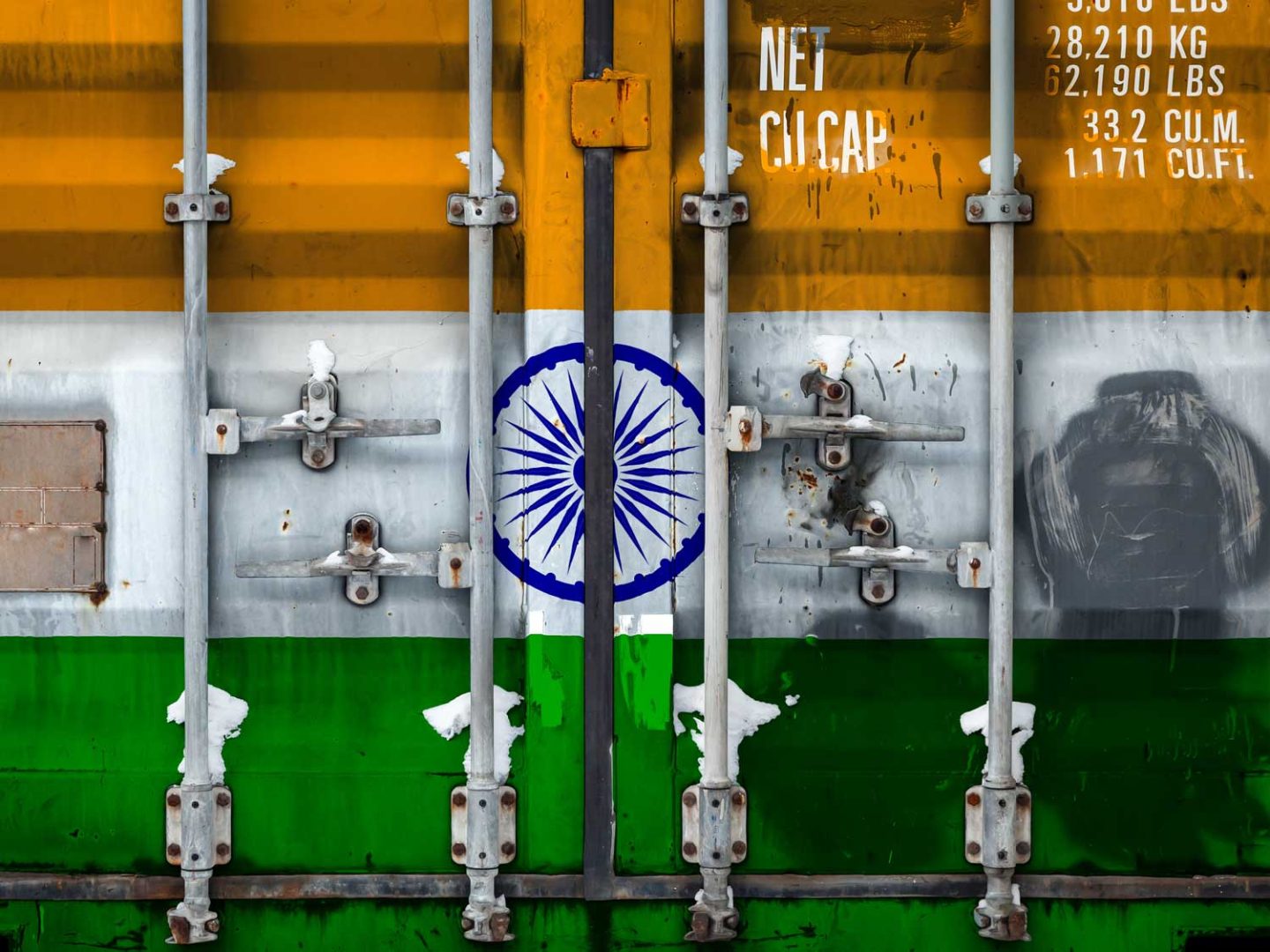
India, the hottest shipping lane

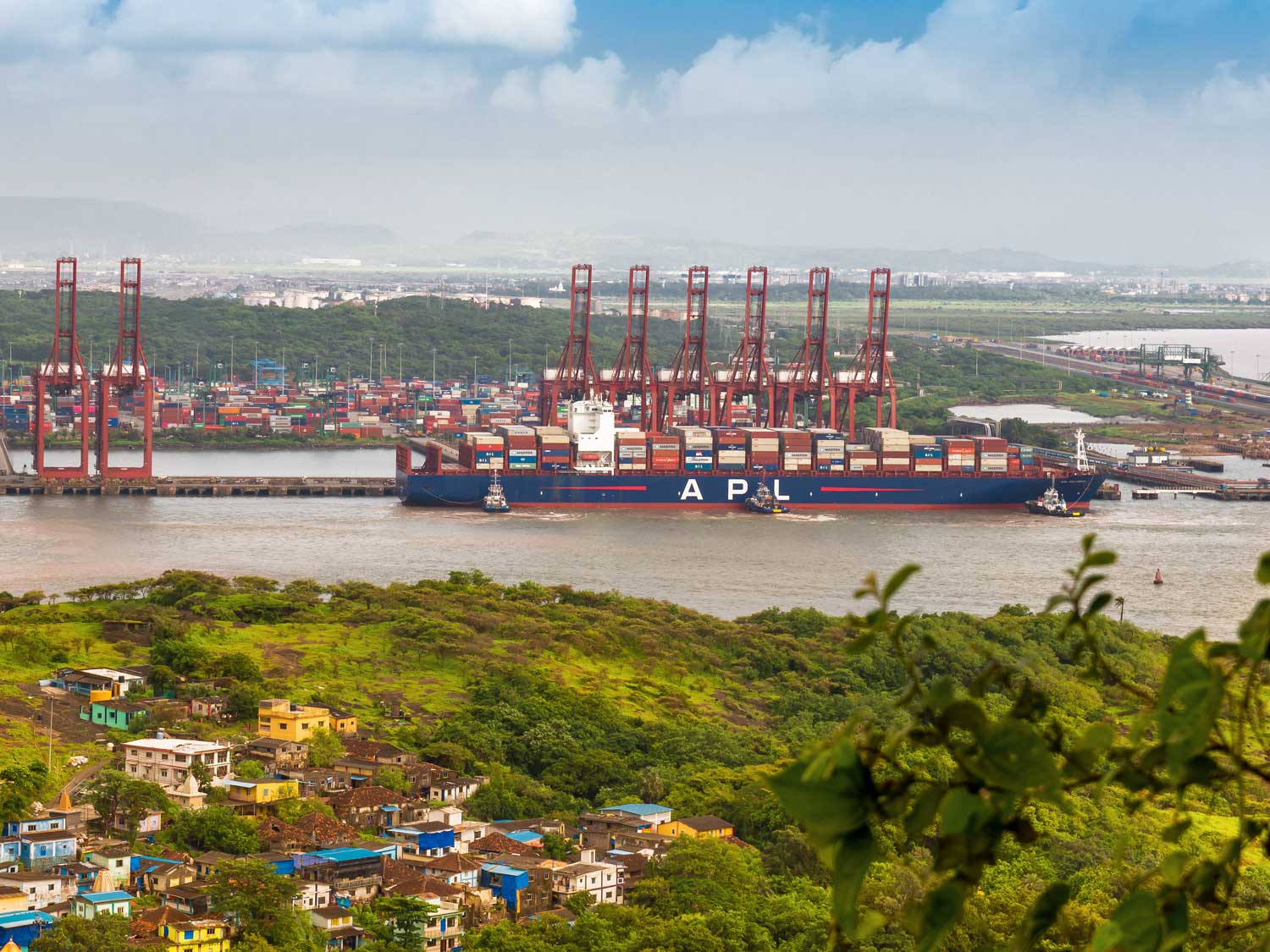
Ocean freight from India has entered a period of intense demand, with tightening vessel space, rising freight rates and increasing competition for capacity across both European and North American trade lanes.

For businesses diversifying manufacturing away from China or expanding sourcing across South Asia, the challenge is no longer finding suppliers. It is securing reliable shipping capacity in an increasingly constrained market.

Capacity constraints are driving the market

The India-Europe trade has tightened significantly over recent weeks as booming export demand collides with reduced vessel availability.

While demand has recovered strongly, carriers have removed a substantial amount of capacity through blank sailings, cancelled departures, port omissions and revised service schedules. Between March and early July, more than one in five scheduled sailings between India and Europe failed to operate, reducing overall capacity by around 17% across the trade.

The result has been widespread vessel overbooking, booking windows stretching to four to six weeks, and an increasing risk of cargo either being rolled or, in some cases, having confirmed bookings cancelled and rebooked onto later sailings.

Freight rates have responded accordingly. Average pricing from western Indian gateways into Northern Europe has increased by up to 50% in little more than a month, with further peak season surcharges already announced for the second half of July.

Rather than being driven by a single disruption, the current market reflects a genuine supply and demand imbalance, with available vessel space struggling to keep pace with export demand.

Service reliability is becoming just as important as capacity

The tightening market is being compounded by inconsistent service performance.

Several India-Europe services have experienced repeated blank sailings over recent months, while others have omitted key North European ports, further reducing effective capacity available to shippers. On some loops, weekly departures have become considerably less frequent, extending delays whenever cargo is rolled to a subsequent sailing.

At the same time, schedule reliability varies significantly between carrier networks. While some services continue to operate with consistently high reliability through the deployment of additional vessels, others continue to experience frequent disruption and irregular departures.

For shippers, choosing the right carrier and service has become just as important as securing vessel space itself.

Pressure is spreading across South Asia

Across the wider South Asia region, carriers have introduced substantially higher Freight All Kinds (FAK) levels into both North Europe and Mediterranean markets. These increases represent step changes of around 30-50% compared with pricing seen at the end of the first quarter.

These adjustments reflect a broader reset in carrier expectations. With capacity constrained and demand holding firm, pricing is being recalibrated to reflect both operational pressures and ongoing network disruption.

While some variation remains across individual trade lanes, the direction of travel is consistent: a more expensive and less flexible South Asia-Europe market through the current peak season.

US demand is adding further pressure

Demand on the India-US East Coast lane has surged in recent weeks, with booking volumes more than doubling normal levels and freight rates increasing by more than 80% over a four-week period.

In response, one major carrier is preparing to reinstate a previously withdrawn India-US 

East Coast service only weeks after suspending it, underlining how quickly supply and demand dynamics have changed.

This matters for European shippers because carriers continue to allocate vessels where returns are strongest. Strong demand across North American services inevitably competes with India-Europe for finite vessel capacity, making space increasingly valuable across both trades.

Local expertise makes the difference

With an expanding office network across India, Metro’s local teams coordinate factory collections, inland movements, port operations and ocean bookings as a single integrated flow, providing customers with earlier visibility of capacity constraints and greater flexibility when market conditions change.

Whether that means using alternative gateways, splitting shipments across multiple sailings or combining ocean freight with targeted air solutions for time-critical cargo, we help businesses maintain continuity while controlling transport costs.

To discuss your India-Europe or India-North America shipping requirements, EMAIL Metro’s Managing Director.
ULD on tarmac

Continued Airfreight Growth Amid Emerging Challenges

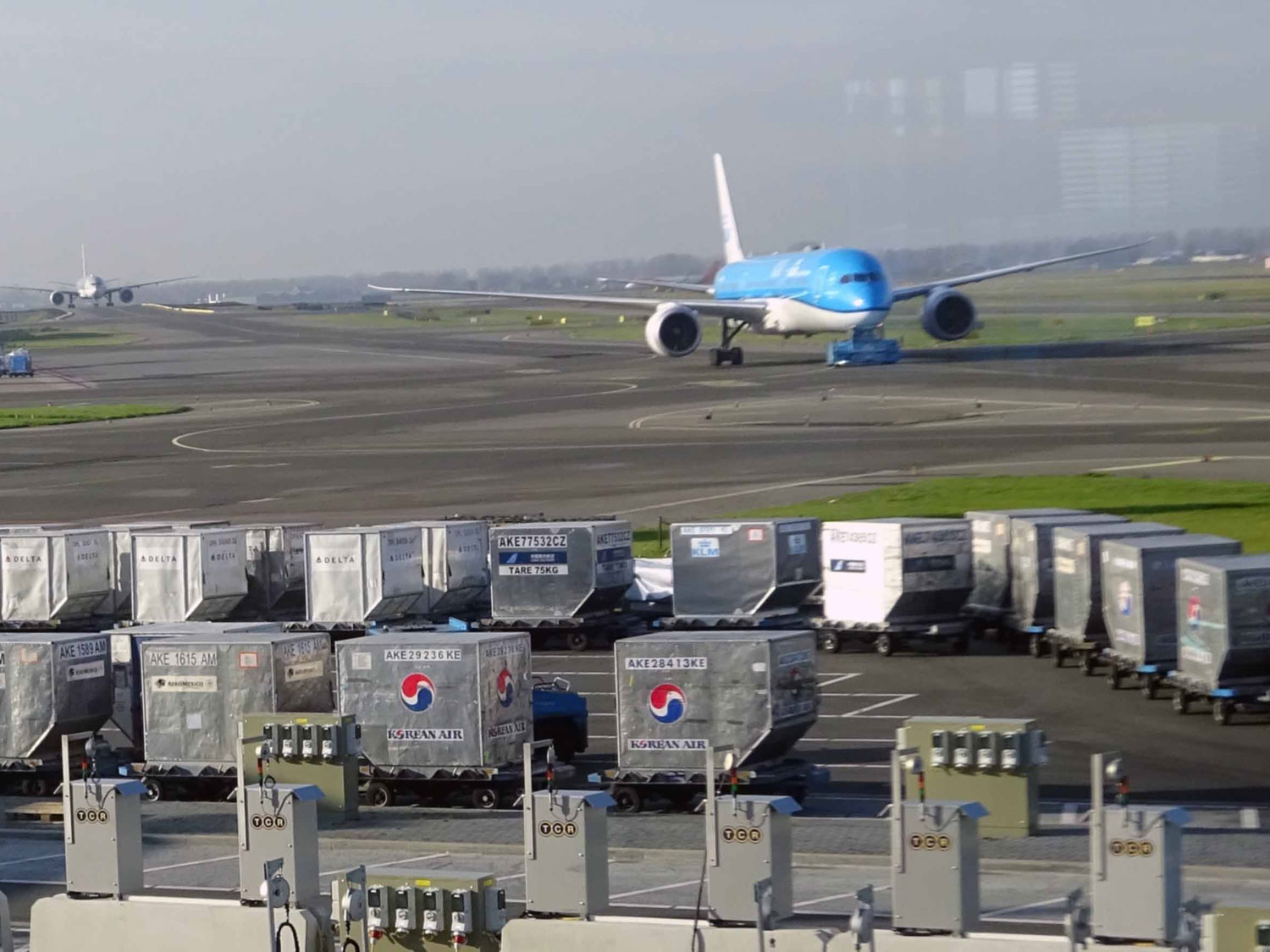
Global air freight markets have continued to post positive year-on-year growth through September and October, reinforced by stronger than anticipated build up to peak season volumes, but recent indicators point to a moderating pace and emerging challenges that merit close attention.

While recent data points to a slowdown in momentum, overall performance remains solid, underpinned by stable demand, improved belly capacity and expanding connectivity on Asia-Europe and Trans-Pacific routes.

September: Stronger Demand and Broad-Based Recovery

According to IATA’s latest data, global air cargo demand rose nearly 3% year-on-year in September, with international volumes up 3.2%. Capacity grew by roughly 3%, maintaining a healthy balance between supply and demand. The Asia-Pacific region led the expansion with a 6.8% increase in volumes, while Europe recorded a 2.5% rise and Africa posted double-digit growth.

Growth was especially strong on the Europe–Asia (up over 12%) and 10% up within Asia corridors, reflecting continued confidence among exporters and manufacturers leveraging airfreight for time-sensitive and high-value cargo. With global manufacturing activity steadying and cross-border trade recovering, September marked one of the most stable months of the year for international air logistics.

October: Consistent Throughput Amid Changing Conditions

Preliminary October data shows global air cargo volumes continuing to rise (around 4% higher than last year) indicating that demand remains robust heading into the traditional year-end peak. Industry analysts note that the pace of expansion is easing slightly as the market adjusts to higher passenger aircraft capacity and shifting economic conditions, but the overall picture remains positive.

Regional patterns are mixed: Asia continues to drive growth, supported by strong eCommerce flows and resilient intra-regional trade, while the transatlantic market remains steady. Importantly, network connectivity and schedule reliability have improved further, helping shippers achieve greater predictability and shorter transit times across major gateways.

Outlook: Stable, Predictable and Customer-Focused

While the pace of growth is slowing, there are reasons for optimism, including sustained peak season volumes, robust growth across key Asian and African corridors, and ongoing demand from eCommerce and modal shifts due to ocean shipping disruption.

The industry faces headwinds from weakening rate trends and demand imbalances, but steady year-on-year increases, even as momentum tapers, position air freight for a resilient conclusion to 2025.

Overall, air cargo remains on a positive trajectory, delivering growth despite moderating demand and evolving market challenges, with adaptability and strategic planning key for stakeholders navigating this dynamic landscape.

With demand steady and networks evolving, securing lift and predictability is all about smart planning. Metro’s air team proactively monitors capacity, fine-tunes routings, and works with trusted carrier partners to keep your cargo moving—reliably and on time.

Our platform adds real-time confidence with flight telemetry that delivers:

  • Live aircraft position and route mapping
  • Accurate departure/arrival confirmation
  • Time-stamped milestones, updated in real time

Plan with certainty, optimise inventory, and protect service levels—even when conditions change.

EMAIL Andrew Smith, Managing Director, to explore smarter, faster, and more resilient air-freight solutions powered by live data and long-standing carrier relationships.

Suez convoy

When the Suez Canal Comes Back Online: Hidden Risks for Supply Chains

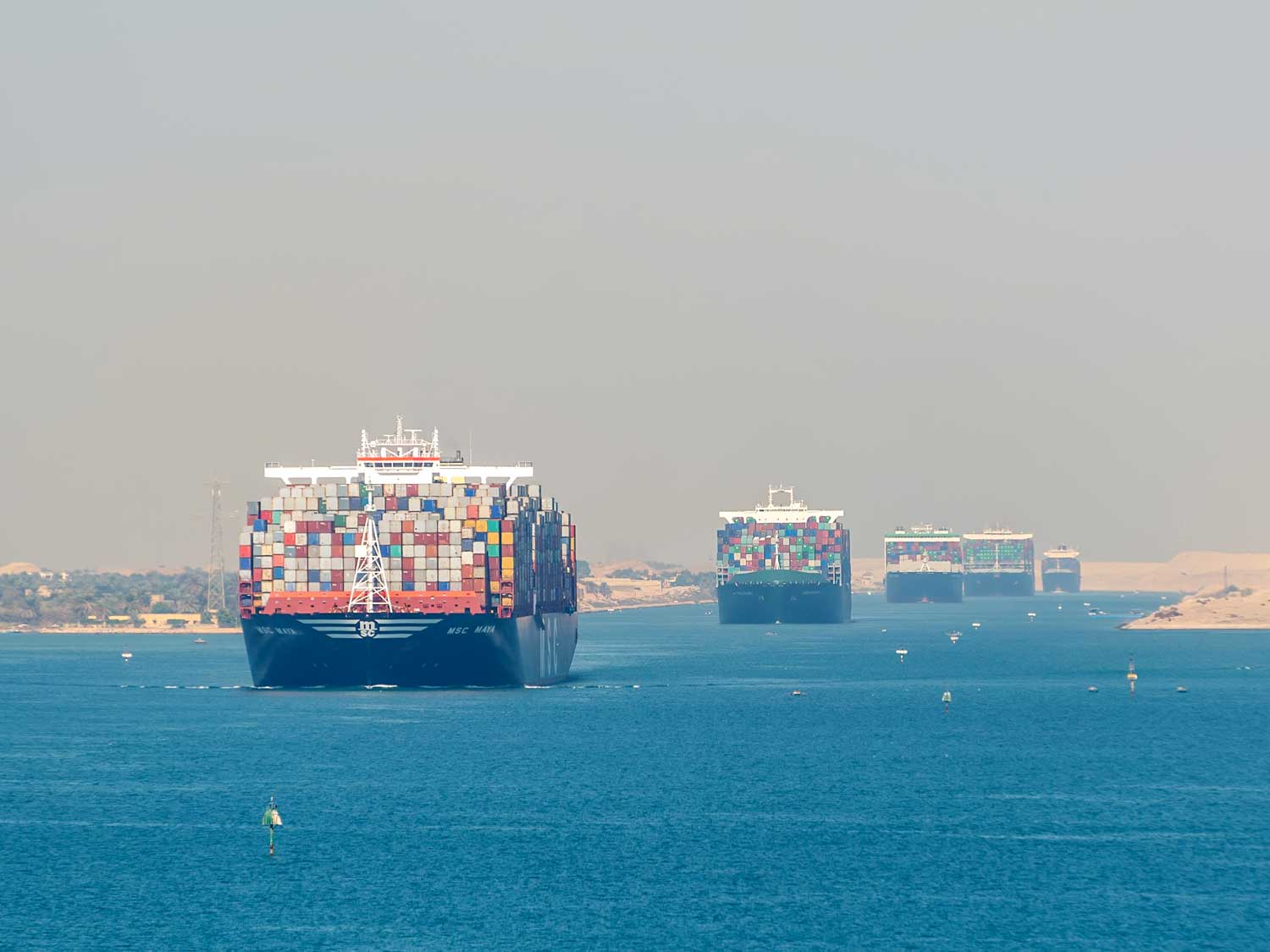
With hopes rising of stabilising conflict in the Red Sea region, analysts are increasingly considering what it would mean if shipping lines resume full use of the Suez Canal route, and it’s not all good news. 

While the shorter route from Asia to Europe might seem like a logistical boon, the modelling suggests there are several material pitfalls ahead that shippers need to be aware of.

Since late 2023, container shipping lines operating on Asia–Europe and Asia–North America routes have avoided the Suez Canal, opting instead to sail around the Cape of Good Hope. This detour has extended transit times and absorbed a significant amount of global container capacity. According to Sea-Intelligence, a full and immediate return to the Suez Canal could release up to 2.1 million TEU of capacity, equivalent to around 6.5 % of the global fleet, back into circulation.

However, this sudden release would create a powerful surge of imports into Europe. Modelling suggests that if all carriers reverted to Suez routing at once, inbound volumes from Asia could double for a period of up to two weeks, pushing overall port handling demand almost 40 % higher than previous peaks. 

Even if the transition were more gradual, spread over six to eight weeks, European ports would still face throughput levels around 10 % above historical highs, straining terminal operations, inland connections, and storage capacity.

Key Areas of Risk

  • European Port Congestion and Hinterland Strain
    European ports are already under pressure. A sudden import surge could stretch terminal capacity, yard space, and inland networks, leading to delays, higher handling costs, and increased demurrage.
  • Short-Term Disruption Despite Long-Term Gains
    While the Suez route offers shorter transits and lower fuel use, the transition back is complex. Network structures have been rebuilt around the Cape, and reverting will require major re-engineering, with temporary schedule changes and service disruption.
  • Lingering Risk and Insurance Costs
    The security issues that diverted ships from Suez persist. Even after reopening, residual war-risk premiums and contingency measures could keep operating costs elevated.
  • Capacity Overshoot and Rate Pressure
    Releasing 2.1 million TEU of capacity is likely to swing supply–demand balance, pushing rates down and while shippers may benefit in the short-term, it is likely that carriers would take drastic action to protect margins.
  • Timing and Readiness
    The timing of a full return remains uncertain. Analysts stress that rushing back before networks and ports are ready could trigger fresh disruption rather than restoring stability.

Metro’s sea freight team are already modelling reopening scenarios to ensure capacity, routing, and contingency plans are ready when trade flows shift back through the Suez Canal. 

EMAIL Managing Director, Andrew Smith to arrange a strategic review of your shipping patterns, risk exposure, and options to protect service continuity and cost efficiency when routes realign.

Globe 1440x1080 1

US Tariffs Reshape Global Supply Chains

The wave of new US tariffs has triggered a recalibration across global trade and supply chains. While markets initially reacted with relative calm, the cumulative impact of the Trump administration’s layered tariff regime, now reaching more than 60 countries, is beginning to reshape sourcing strategies, cost structures, and trade flows worldwide.

The latest measures, including punitive tariffs of up to 50% on imports from India, and Switzerland, and a standardised 15% levy on most EU goods, follow months of negotiations, with the UK and US agreeing an Economic Prosperity Deal (EPD) on 8 May, as a framework for tariff reductions to 10% and sector-specific cooperation.

While the EU, UK and some other nations have secured temporary reprieves or reduced rates, others are facing some of the steepest trade barriers since the 1930s. Despite legal challenges and ongoing court reviews, the ‘reciprocal’ tariff framework remains in force until 14 October to give the administration time to appeal to the US Supreme Court.

Supply Chain Implications

With the average US tariff rate climbing to 15.2%, up from a pre-Trump level of just 2.3%, importers are confronted by significant new costs and operational uncertainties. Many rushed to ship goods before the new levies took effect, temporarily insulating American consumers from immediate price increases.

However, the landscape is growing more unpredictable. With distinct, sector-specific tariffs on items like semiconductors, consumer electronics, pharmaceuticals, and critical minerals forthcoming, importers face ongoing uncertainty around landed costs and logistical planning.

And while the legality of “reciprocal” tariffs continues under judicial review, it adds yet another layer of risk for firms engaged in international trading.

The structure of the new tariff regime is multi-layered. A base rate of 10% applies to most imports, with steeper levies of 15% to 41% on countries with trade surpluses or those targeted for geopolitical reasons. Sector-specific duties on copper, pharmaceuticals, semiconductors, and critical minerals are being introduced in stages, with transshipment clauses aimed at preventing circumvention.

India, Switzerland and Brazil have emerged among the hardest-hit economies, with duties on some goods now matching or exceeding those applied to China. 

The outlook for trade with China remains fluid. A 90-day truce has paused the imposition of previously announced three-digit tariffs, with further talks expected before the November deadline.

However, a new provision introducing a 40% tariff on suspected transshipped goods, potentially targeting Chinese exports routed through third countries, has introduced added further complexity for supply chain managers.

The EU, UK, Canada, Mexico, Japan, and South Korea, appear better positioned to weather the storm, with existing trade agreements and temporary negotiation windows providing some insulation. Yet, some of these buffers are time-limited, and broader economic impacts are still unfolding.

As tariffs shift the relative cost of sourcing and importing, businesses are actively reviewing their global footprints. For many, the focus is now on building resilience through diversification, friend-shoring, and regionalisation. However, continued tariff uncertainty is delaying investment decisions and complicating long-term planning, especially for industries reliant on integrated global supply chains.

US Tariffs are reshaping global trade. Whether you’re evaluating exporting or sourcing options, reviewing landed costs, or considering tariff engineering, EMAIL our managing director Andy Smith to discuss your exposure and build a future-proof compliance strategy.