German dockworkers have accepted a new pay agreement, averting widespread port strikes, but record-low Rhine water levels continue to disrupt inland freight movements, increasing costs and threatening North European supply chains.
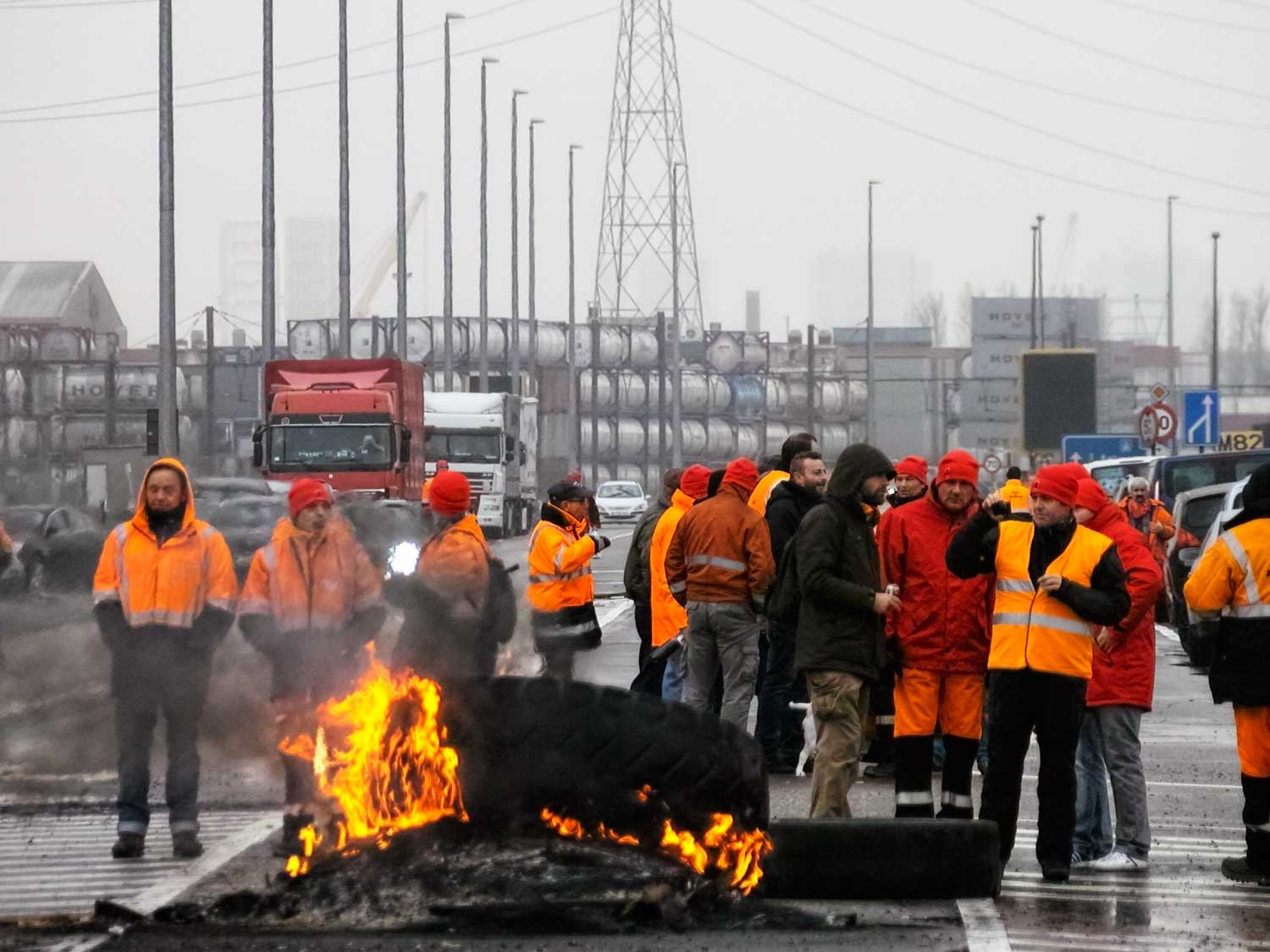
North European importers have avoided another potential disruption after German dockworkers accepted revised employment terms, reducing the immediate threat of industrial action at Hamburg, Bremerhaven and Wilhelmshaven.
However, congestion remains at several terminals, while exceptionally low Rhine water levels are restricting barge operations between Germany's industrial heartland and the major container gateways of Rotterdam and Antwerp.
The result is a continuing challenge for European supply chains: even when ocean freight services and port operations improve, inland transport constraints can still delay cargo and increase costs.
German port agreement reduces strike risk
Germany's ver.di union accepted revised employment terms on 6 October, following several rounds of negotiations and earlier warning strikes.
The agreement covers approximately 11,000 workers across six German ports and includes a 3.4% wage increase over 12 months.
Although final approval from port employers remains outstanding, the agreement has significantly reduced the immediate threat of industrial action.
However, terminal congestion remains a concern. Bremerhaven's container yard utilisation has reached 90%, compared with 80–85% at Hamburg and approximately 65% at Wilhelmshaven.
Vessel waiting times have improved since early September, but high terminal utilisation leaves limited flexibility to absorb further disruption.
Rhine restrictions threaten inland connections
The Rhine presents a more persistent challenge. Exceptionally low water levels have restricted barge movements along one of Europe's most important inland freight corridors, connecting German industrial centres with Rotterdam and Antwerp.
At Kaub, a critical navigation point, water levels fell to just 6cm on the gauge during August, the lowest recorded since measurements began in 1880.
Barges have been forced to operate with substantially reduced loads, while some vessels have been unable to complete their journeys.
The scale of the disruption is significant. A single 1,500-tonne barge can carry the equivalent of approximately 60 lorry loads, placing additional pressure on road and rail networks when river transport becomes unavailable.
Congestion is also affecting barge operations, with average waiting times reaching 36 hours at Antwerp and 56 hours at Rotterdam.
The severity of the situation was reinforced over the weekend of 10–11 October, when four inland vessels ran aground near Ludwigshöhe, prompting additional restrictions on vessel movements near Mainz.
Although all four vessels were subsequently refloated, the incidents underline the continuing risks facing inland shipping.
Low-water surcharges increase transport costs
Restricted barge capacity is also increasing inland transport costs. Shipping lines and barge operators have revised low-water surcharges to reflect the additional expense of operating vessels with reduced loads.
Surcharge structures link charges to water levels at Duisburg-Ruhrort, Kaub and Cologne.
As river levels fall, charges increase progressively, with the most severe restrictions potentially adding more than €1,500 per container to inland transport costs.
At particularly low levels, operators may be unable to guarantee container movements at all.
Alternative road and rail services can help maintain cargo flows, but limited capacity and increased demand may introduce further delays and expense.
A container arriving on schedule at Rotterdam, Antwerp or a German gateway offers little benefit if its onward movement is delayed by restricted inland capacity.
Keep your European supply chain moving
Metro's ocean freight and European logistics specialists combine carrier relationships, local market intelligence and inland transport expertise to help customers maintain reliable cargo movements.
From assessing alternative gateways and inland routes to coordinating road, rail and multimodal transport, Metro can identify practical options to minimise disruption and protect delivery commitments.
Don't let inland disruption undermine your shipping plans. Talk to Metro's freight specialists about your upcoming European shipments and the transport options that can keep your cargo moving.