
White House 1440x1080 1

Uncertainty grows as US tariffs target China

While last-minute negotiations resulted in a temporary reprieve for Canadian and Mexican imports, President Trump’s new tariffs on Chinese goods from the 4th February have already triggered retaliation, adding further pressure to international supply chains.

US tariffs on Canadian and Mexican imports have been put on hold for at least 30 days following security commitments from both nations. This delay offers temporary relief for critical trade lanes, including automotive components, electronics, and pharmaceuticals.

Canada has pledged increased border enforcement measures, including new personnel and surveillance technology, while Mexico has committed to deploying additional forces to its border. These actions have led to a pause in tariffs, but shippers should remain cautious as negotiations continue, with the risk of duties being reinstated if agreements are not finalised by March.

The US administration has implemented an additional 10% tariff on Chinese imports and in response China has introduced tariffs of up to 15% on selected US goods and imposed export controls, affecting critical technologies such as solar cell production. While these measures appear targeted, they contribute to an increasingly volatile trade environment, forcing businesses to reconsider sourcing strategies and logistics solutions.

US prepares further trade restrictions

Beyond tariffs, the US is tightening its stance on eCommerce imports by getting ready to suspend the de minimis exemption for shipments from China, as soon as adequate systems are in place to fully and expediently process and collect tariff revenue. Previously, goods valued under $800 could enter the US duty-free, but the removal of this exemption would be expected to severely impact cross-border eCommerce air cargo volumes.

In addition, new regulations, announced by US Customs and Border Protection, introduce additional filing requirements, increasing administrative burdens on online retailers and logistics providers. However, analysts suggest that while higher costs may impact some importers, consumer demand is unlikely to diminish significantly, given the relatively low average value of eCommerce purchases.

With ongoing negotiations between the US, Canada, and Mexico, and China’s measured response to tariffs, industry leaders remain cautiously optimistic. However, agility will be essential in navigating evolving trade policies and regulatory changes. As new agreements are brokered and tensions shift, shippers must remain adaptable to mitigate risks and capitalise on emerging opportunities.

As global trade policies shift and new tariffs reshape supply chains, proactive planning is more critical than ever. At Metro, we leverage award-winning services and deep industry expertise to help businesses navigate evolving trade barriers, regulatory changes, and supply chain disruptions.

Whether you need to mitigate the impact of tariffs, ensure compliance with new regulations, or adapt sourcing/export strategies, our tailored solutions keep your supply chain resilient and competitive.

EMAIL Andy Smith, Managing Director, today to explore how Metro can safeguard your supply chain and support your business in 2025 and beyond.
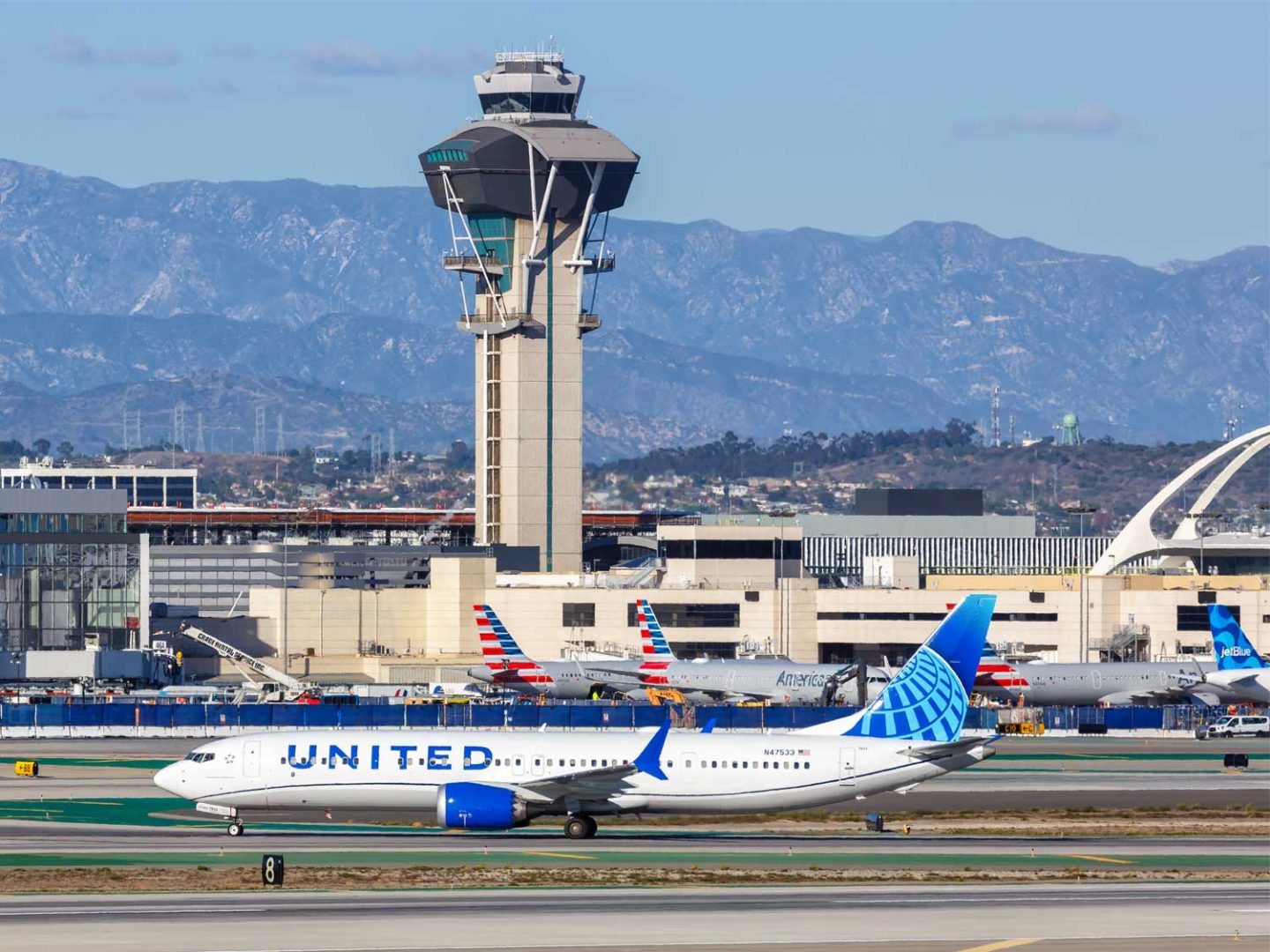
LAX 1440x1080 1

Air cargo demand defies regulatory uncertainty

In the final week of January, just before Lunar New Year, air freight spot rates continued their upward trend, rising 4% WoW and remaining 11% higher than 2024, supported by strong demand and tight capacity.

Market conditions remained resilient, with Asia-Pacific leading the growth as businesses rushed shipments before factory closures. While tonnages and spot rates have risen steadily in recent weeks (2% and 6%), comparisons to previous years are complicated by the earlier timing of Lunar New Year in 2025.

Asia Pacific to Europe volumes rebounded for a third consecutive week, approaching levels seen in mid-December. Similarly, demand on the transpacific route increased after a seasonal decline, with volumes and rates gradually strengthening. Despite some fluctuations, the market remains significantly stronger than last year, with rates holding firm and demand outpacing 2024 levels.

Regulatory headwinds create uncertainty

Despite a strong start to the year, regulatory developments in the US are introducing new challenges for air cargo. The shift toward protectionist policies has created uncertainty, particularly following the recent trade dispute with Colombia, where tariff threats were used as a negotiation tool. This approach signals a departure from predictable, rule-based trade agreements, raising concerns over future disruptions.

Uncertainty also surrounds changes to US de-minimis rules, which previously allowed low-value imports under $800 to enter tax-free. The exemption for Chinese goods has been suspended, a move expected to disrupt eCommerce shipments that have fuelled air cargo growth. Additionally, new filing requirements proposed by US Customs and Border Protection (CBP) would impose additional administrative burdens on cross-border eCommerce, impacting the more than 1.4 billion packages expected to enter the US this year.

Despite these concerns, industry experts believe the impact on consumer behaviour may be minimal, as the average value of eCommerce purchases is relatively low, suggesting that elevated eCommerce volumes may continue. While increased taxation could affect logistics costs, major policy shifts would require legislative approval, making immediate changes unlikely.

Outlook

While demand is still slightly below December’s peak, it has surpassed October levels, suggesting continued resilience. Over the past five weeks, available cargo capacity has increased across all major regions, with Europe and North America experiencing the most significant growth. Chargeable weight trends varied by region, with notable year-on-year increases in Asia Pacific and Africa, while other regions remained relatively stable.

Industry leaders emphasise the need for agility in navigating shifting trade policies, drawing parallels to the Year of the Snake, which symbolises adaptability. While challenges remain, the consensus is that air cargo demand will remain strong into 2025, with the market well-positioned to weather logistical and regulatory changes.

Metro’s airfreight, charter, and sea/air solutions strike the perfect balance of speed, cost-efficiency and resilience for time-sensitive, urgent and high-value shipments.

With block space agreements (BSA) and capacity purchase agreements (CPA) in place, we secure priority access to space and competitive rates on the busiest trade lanes. 

Whatever you’re shipping, our expertise and strategic carrier partnerships keep your cargo moving—on time and within budget.

Stay ahead in a volatile market. EMAIL Elliot Carlile, Operations Director, today to explore how Metro can support your business.

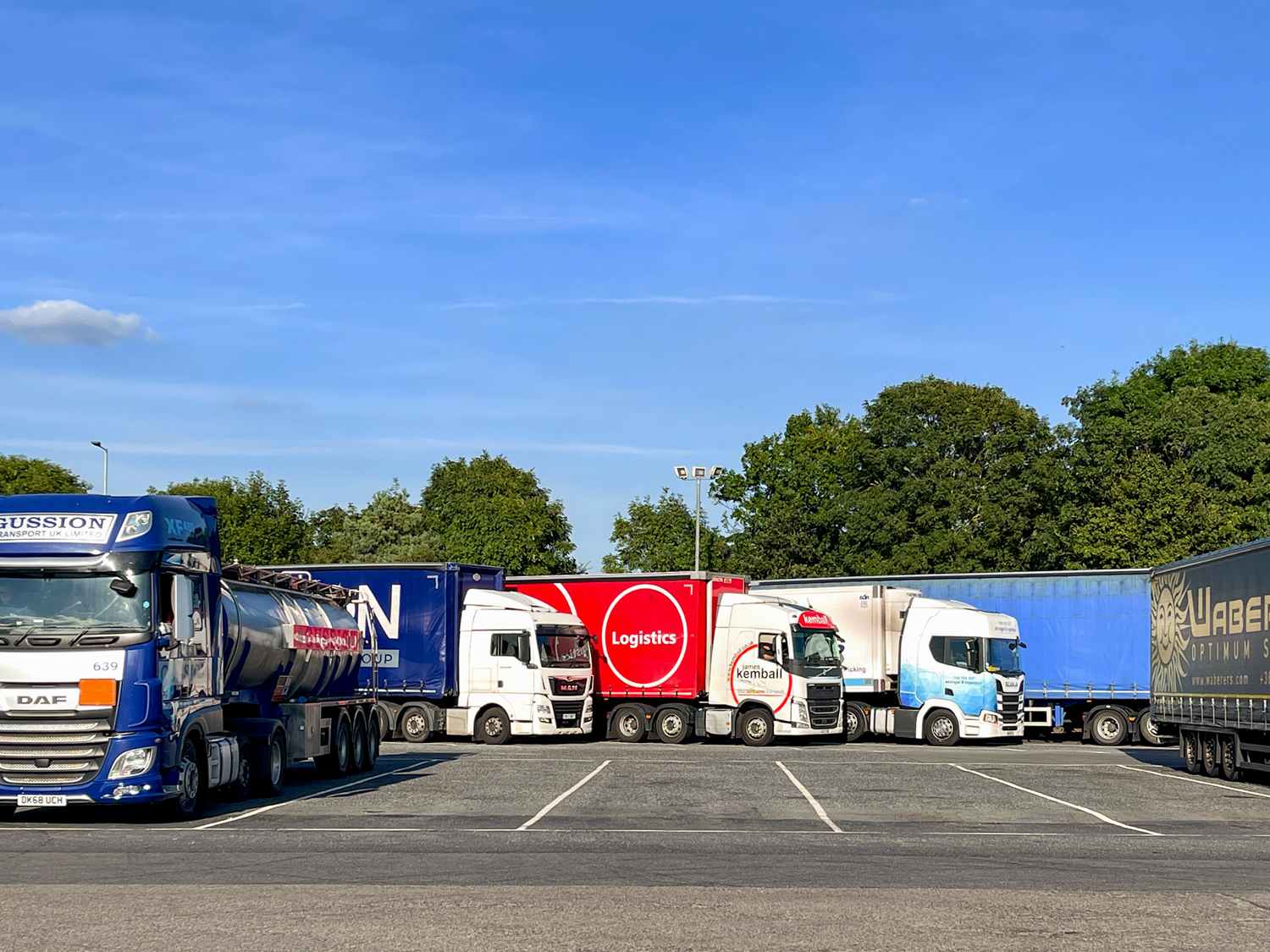
truck stop

Road freight resilience amid industry turbulence

Despite rising costs, political uncertainties, and sluggish economic growth presenting formidable obstacles for road freight operators, Metro remains a standout performer, driving forward with an optimistic outlook, bolstered by sustained expansion and strategic investments.

The UK’s haulage sector is bracing for what could be its most difficult year since the Covid-19 pandemic. Businesses are contending with increased operational expenses, stemming from policy changes such as National Insurance contribution adjustments and minimum wage hikes. These factors place additional financial strain on operators already struggling with freight volumes and inflationary pressures.

Across Europe, the freight industry has struggled with stagnating demand, particularly in Germany, where truck mileage—a key indicator of transport activity—has continued to decline. While a modest economic recovery is forecast, growth in the road freight volumes are expected to remain tight, reflecting broader economic uncertainties.

Challenging yet recovering market

The European road freight market is set to experience a gradual recovery in 2025, with overall activity expected to increase by 2%. This is largely driven by a projected improvement in GDP growth across the eurozone and a stabilisation of inflation. The international freight segment is forecast to grow at a slightly higher rate, indicating renewed confidence in cross-border trade.

However, challenges persist. The UK’s fiscal expansion is anticipated to temporarily boost domestic demand, yet higher operational costs are expected to maintain inflation at elevated levels. The market-wide outlook remains cautious, with operators needing to navigate a delicate balance between cost pressures and service efficiency.

Positioned for success

Despite the challenging conditions affecting the broader industry, Metro’s road freight division continues to defy trends, delivering exceptional year-on-year growth. While many competitors have struggled to maintain volumes, Metro has expanded significantly, with a marked increase in team size and service capabilities.

Key to this success is the company’s strategic focus on expanding its European network. Recently introduced groupage services to the Netherlands, Poland, and Iberia are set to drive further growth, complementing well-established French and German routes. 

Additionally, Metro’s investment in less-than-truckload (LTL) and full-truckload (FTL) services positions it for continued success, ensuring efficient and scalable transport solutions across Europe.

By prioritising service expansion, operational efficiency, and customer-driven innovation, the company continues to outpace market trends. Metro’s proactive approach ensures its customers benefit from reliable, cost-effective, and resilient transport solutions in an otherwise volatile market.

To explore the potential and benefits of our road freight services EMAIL Richard Gibbs to begin a conversation.

Trump tariffs on mobile 1440x1080 1

The risks of President Trump’s trade policies

President Donald Trump’s inauguration speech and subsequent executive orders have provided further insights into his proposed trade policies. 

His emphasis on protectionism, territorial expansion, and the establishment of an “External Revenue Service” marks a significant shift in the approach to international trade, raising concerns among stakeholders in global supply chains.

While intended to prioritise domestic economic growth, these policies could have far-reaching consequences for international trade, supply chains, and geopolitical stability.

In his inauguration speech, President Trump stated a commitment to reversing what he views as exploitative trade practices. Key elements of his vision include:

Tariffs and Revenue Generation: Trump announced the establishment of an “External Revenue Service” to manage tariffs, duties, and revenues, asserting that this would generate “massive amounts of money pouring into our treasury coming from foreign sources.” He also hinted at potential tariffs of 25% on imports from Mexico and Canada, with implementation possibly starting as early as February.

Territorial Expansion and Strategic Assets: In a surprising claim, Trump indicated intentions to “take back” the Panama Canal, erroneously stating that China operates it. He further noted ambitions to expand US territory, with implications for regions like Panama, Greenland, and Canada. These statements have added to geopolitical uncertainties.

Inflation Concerns: Despite his stated goal of reducing inflation, Trump’s emphasis on tariffs directly contradicts this aim. As economic experts have pointed out, tariffs tend to increase costs for businesses and consumers, creating inflationary pressures.

Implications for Global Trade and Supply Chains

Tariffs and Retaliation
The proposed tariffs, including the suggested 25% levies on Mexico and Canada, pose a risk of retaliation from trading partners. Such measures could disrupt the smooth flow of goods, increase trade barriers, and lead to a cycle of reciprocal tariffs. Industries like automotive, manufacturing, and electronics, which rely heavily on global supply chains, would be particularly affected.

These policies also threaten to undermine trade relationships between the US and its partners, creating uncertainty for businesses dependent on predictable supply chain operations.

Inflationary Impact
Trump’s claim that tariffs would enrich the US by taxing foreign countries misrepresents how tariffs function. In reality, these costs are borne by importers and ultimately passed on to consumers in the form of higher prices. This would likely lead to inflation, contradicting the administration’s stated goal of reducing costs and combating record inflation.

Geopolitical Tensions
Trump’s assertion regarding the Panama Canal and broader territorial ambitions increases geopolitical uncertainties. Control of key trade corridors like the Panama Canal is crucial for global shipping routes, and such rhetoric risks destabilising international relations. The suggestion of US territorial expansion further complicates trade dynamics, with potential repercussions for trade routes and global commerce.

Impacts on the UK and Europe
For the UK, the indirect effects of Trump’s policies are concerning. Europe, a key trading partner for the UK, may face economic disruptions due to strained US-EU trade relations. The UK’s automotive, machinery, and chemicals sectors, which rely on seamless integration with European supply chains, could experience higher costs, delays, and reduced demand.

Additionally, retaliatory measures by China and other US trading partners may flood global markets with cheaper goods, increasing competition for European industries and indirectly affecting UK exporters.

At Metro, we leverage award-winning services and deep market expertise to help businesses navigate the challenges posed by new tariffs, rising trade barriers, and supply chain disruptions. Whether it’s mitigating the impact of rising trade barriers, reconfiguring supply chains to address changing energy policies, or responding to broader global and UK economic developments, Metro provides tailored insights and solutions to ensure your success.

In times of uncertainty, preparation is key. With Metro as your trusted partner, you can adapt and thrive in this evolving landscape.

Contact Managing Director Andy Smith today to explore how we can safeguard your supply chain and help you navigate the complexities of 2025.