ECO globe

Metro expands sustainability initiative for global sea and airfreight services

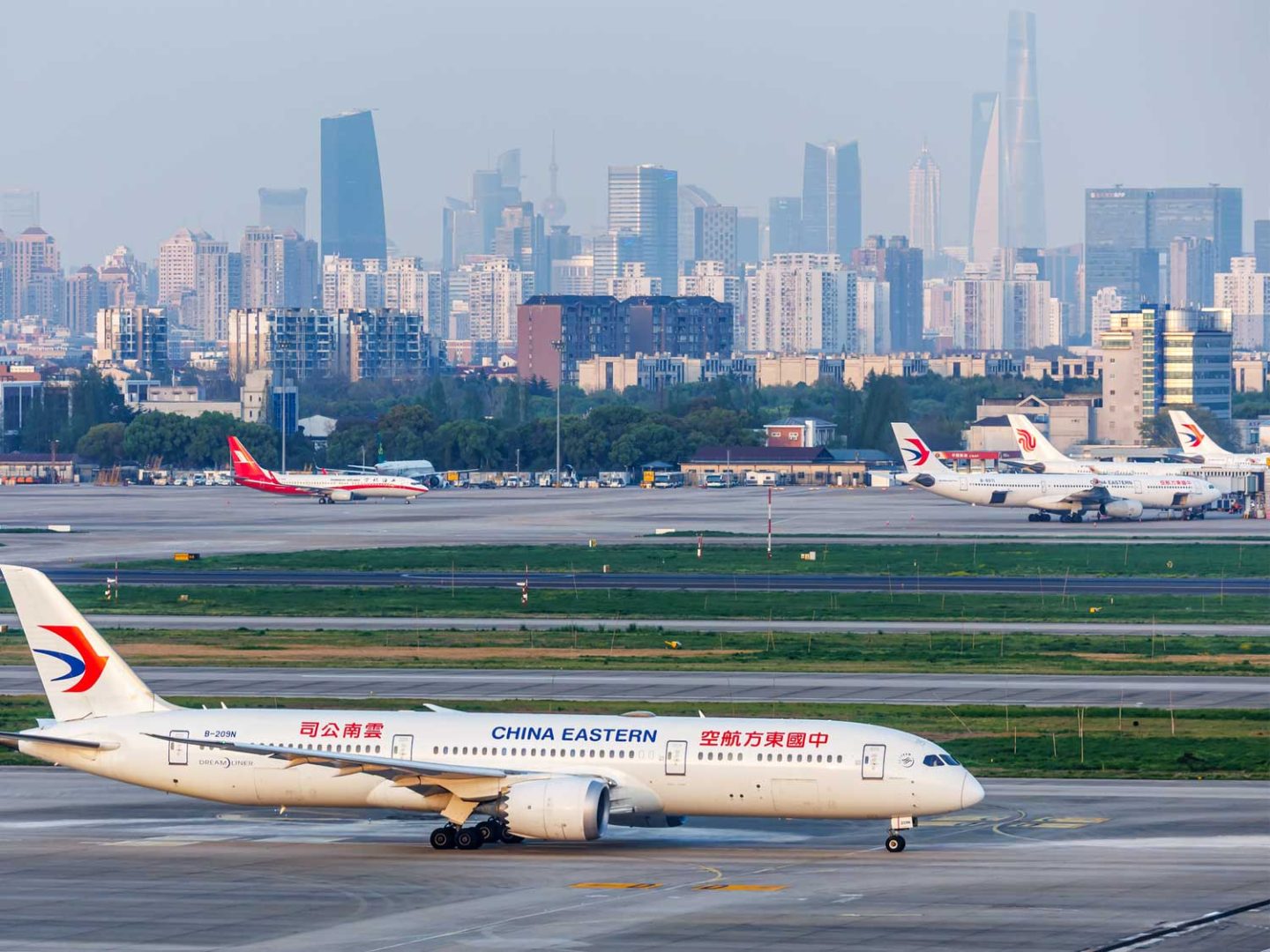
Metro is taking a bold step forward in its sustainability journey by expanding its environmentally conscious initiatives for global Sea freight and Airfreight services, effective April 1st, 2025.

As part of this commitment, Metro will introduce a groundbreaking transparency measure: the total amount of CO2 emissions generated by each Sea freight and Airfreight shipment will be clearly printed on every invoice. This initiative allows shippers to better understand and quantify their carbon footprint, making sustainability efforts more accessible and measurable.

This latest enhancement builds on Metro’s existing MVT Eco application, a tool designed to provide customers with in-depth insights into their transportation-related emissions. By integrating CO2 emissions data directly into freight invoices, Metro is setting a new standard for environmental accountability within the logistics industry.

Metro’s CEO, Grant Liddell, emphasises the importance of this initiative: “The inclusion of Sea freight and Airfreight shipment CO2 data on freight invoices enhances the existing reporting available via MVT Eco and represents an evolutionary step in Metro’s commitment to raising visibility and awareness of the environmental impact within transportation.”

Metro ensures that its carbon calculations are rigorously accurate by leveraging the most comprehensive accreditation coverage available. The CO2 calculations provided through this initiative are GLEC accredited and fully aligned with ISO-14083 standards, reinforcing Metro’s dedication to environmental best practices and industry-leading sustainability measures.

For customers looking to gain deeper insights into their Scope 3 emissions and maximise their sustainability efforts, the MVT Eco application offers advanced reporting and analytics.

Those interested in utilising this tool can reach out to their Key Account Management contact or connect directly with Ian Powell, Customer & Technical Solutions Director (EMAIL), to explore how Metro’s sustainability initiatives can support their environmental objectives.

With this initiative, Metro continues to lead the way in sustainable global freight transportation, providing shippers with the necessary tools to make informed, eco-friendly decisions.
strike at port

Labour disputes at European ports disrupt container shipping

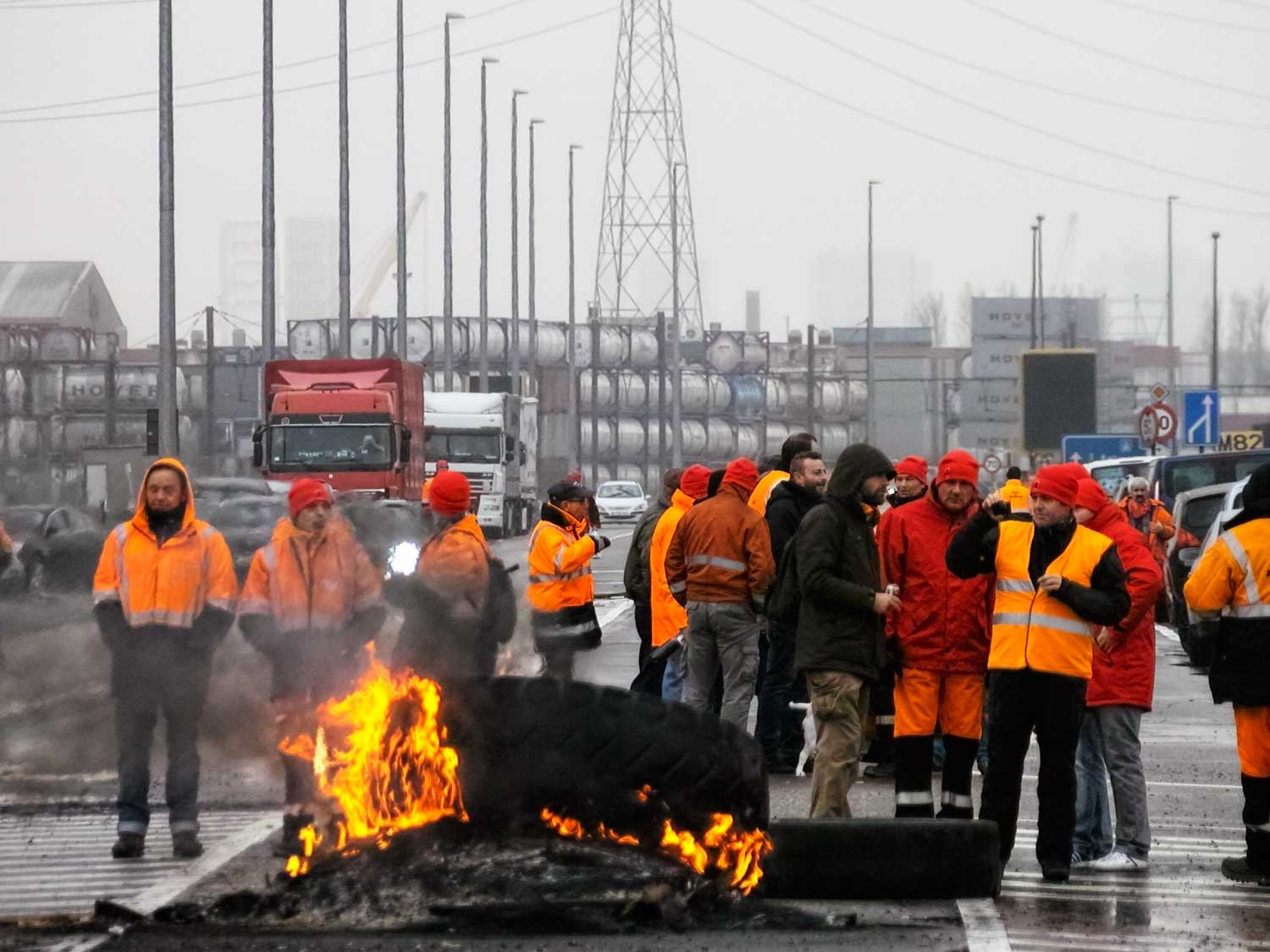
Trade union action across major European ports, particularly in Rotterdam and France, are causing significant disruptions to container shipping, exacerbating existing supply chain challenges.

Strikes at Rotterdam’s Delta II terminal and ongoing industrial action at French ports have created congestion, delays, and logistical bottlenecks, prompting carriers to reroute vessels and seek alternative solutions.

Rotterdam turmoil and ripple effects
Contract negotiations that began in November have stalled, while the FNV Havens and CNV unions have been locked in dispute with employers since the second half of last year over port automation concerns. Dockworkers have been staging intermittent strikes that have severely impacted deep-sea vessel operations, feeder ship schedules, and inland-bound cargo movements. The situation has escalated with calls for solidarity action across Europe, urging other ports not to handle diverted vessels. While no widespread solidarity strikes have been reported, shipping lines remain on high alert, monitoring developments and adjusting vessel rotations as necessary.

Congestion at Rotterdam has intensified due to a combination of adverse weather, holiday-related backlogs, and surging cargo volumes from Asia. As a result, vessels are facing extended waiting times, with some opting to bypass the port altogether. The container yard capacity is nearing full utilisation, and precautionary measures, such as limiting empty container acceptance, have been implemented to manage the strain.

French port strikes deepen crisis
Meanwhile, industrial action at French ports is compounding the disruption. Dockworkers are protesting against pension reforms, with frequent work stoppages and a series of strikes planned throughout March. These actions have significantly impacted cargo handling operations at key ports, including Le Havre and Marseille-Fos, leading to increased transport costs and supply chain strain for businesses dependent on timely shipments.

The business community has voiced concerns over the economic fallout, citing rising supply chain costs, shipment delays, and a decline in sales due to the port closures. Calls for government intervention and a coordinated public-private response have been made in an effort to mitigate the impact and prevent further damage to trade and industry.

Wider European impact
As Rotterdam and French ports struggle with ongoing disruptions, other European hubs, such as Antwerp-Bruges, are facing additional pressure. With cargo diversions increasing, terminal congestion at Antwerp has reached critical levels, forcing operators to implement emergency measures. 

Import deliveries are being prioritised over exports, and yard space constraints are leading to restrictions on transshipment volumes. Barge and feeder operations are experiencing significant delays, further straining inland logistics networks.

With no immediate resolution in sight for either the Rotterdam or French port disputes, container carriers are bracing for continued volatility.

With escalating labour disputes at key European ports, including Rotterdam and France, container shipping is facing increasing delays, congestion, and logistical challenges. At Metro, we have contingency plans in place to bypass affected ports, leveraging alternative routes and entry points to keep your cargo moving.

To minimise disruptions, we encourage you to share your shipping forecasts as early as possible so we can proactively mitigate potential issues.

For tailored solutions and expert guidance on protecting your supply chain, 

EMAIL Andrew Smith, Managing Director, today.

Ocean market report 1440x1080 1

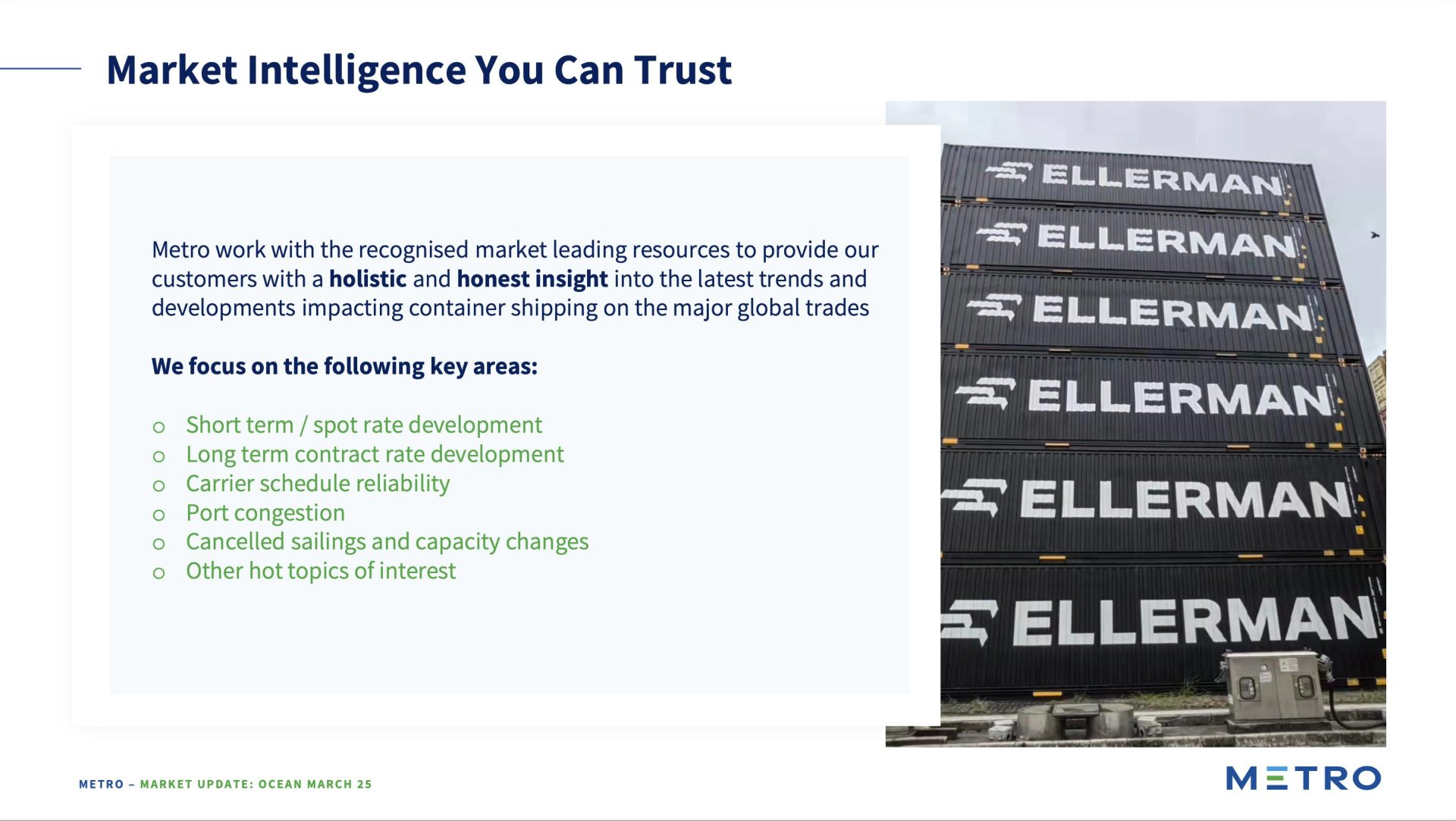
Stay Ahead with Metro’s Ocean Freight Market Update

In the ever-changing world of global trade, staying informed is not just an advantage, it’s a critical necessity. That’s why Metro provides the Ocean Freight Market Update, a comprehensive, data-driven report designed to help businesses navigate the complexities of container shipping.

Subscribers to this monthly report gain valuable insights into spot, short- and long-term rate trends, carrier reliability, port congestion, canceled sailings, sustainability initiatives, and more—ensuring they can make informed, strategic decisions in real-time.

Highlights from the March 2025 Ocean Freight Market Update

Rate Developments: Despite attempts to impose general rate increases (GRIs), rates on Far East Westbound trade lanes have softened. Volatility is expected through April, with Asia-Europe lanes facing capacity shortages.

Schedule Reliability & Port Congestion: Global vessel reliability dipped slightly to 50-55%, while major ports like Singapore, Busan, and Piraeus continue to experience significant congestion.

Bunker & Biofuels Transition: The shipping industry is accelerating its shift toward decarbonisation, but new EU carbon emissions surcharges are increasing costs.

Supply & Demand Outlook: An 8% increase in capacity versus just a 3% rise in demand suggests blank sailings will be necessary to balance market conditions.

Red Sea Transits: Major carriers continue to avoid the Suez Canal due to ongoing security concerns, maintaining Cape of Good Hope reroutes.

Why Subscribe?
Metro’s Ocean Freight Market Update is an unbiased, intelligence-driven resource backed by data from leading industry sources. In a landscape shaped by supply chain disruptions, regulatory shifts, and market fluctuations, having access to timely, expert insight is more critical than ever.

Subscribe now to receive monthly updates straight to your inbox and stay ahead in the dynamic world of ocean freight.

Contact your Key Account Director, or EMAIL Lucy Hulston to subscribe and receive the latest update.

Parliament blur

UK trade update

The UK continues to develop its global trade strategy, advancing negotiations with key partners while navigating post-Brexit relations with the EU.

With multiple trade discussions in progress and regulatory changes affecting movement between Great Britain and Northern Ireland, businesses should prepare for evolving trade conditions in the coming months.

Northern Ireland trade lane: transition deadline approaches

From 31st March 2025, updated processes for parcel movements between Great Britain and Northern Ireland will take effect, marking a significant transition for businesses.

  • Private individuals in Northern Ireland will continue to receive parcels from Great Britain without customs declarations, tariffs, or the need to present goods to customs, provided they are for personal use.
  • Business-to-business (B2B) parcel movements will follow freight procedures, with traders requiring authorisation under the UK Internal Market Scheme (UKIMS). Either the sender or recipient must be authorised to declare goods as ‘not at risk’, ensuring they qualify for duty-free movement under the Simplified Process for Internal Market Movements (SPIMM).
  • B2B goods that do not qualify for SPIMM will require a full customs declaration, reinforcing the importance of ensuring compliance with eligibility criteria.

With NIRMS, UKIMS, SPIMM, and IMMI frameworks creating a complex regulatory landscape, businesses are encouraged to seek guidance to ensure compliance. Metro offers support in navigating these schemes, including post-Brexit audit reviews to assess eligibility for retrospective duty reclaims.

UK trade negotiations: expanding global agreements

The UK is actively pursuing new and expanded trade agreements to strengthen its global economic position.

  • Comprehensive and Progressive Agreement for Trans-Pacific Partnership (CPTPP): The UK formally joined in December 2024, becoming the first European country to enter this major trade bloc, enhancing access to 11 key markets.
  • India and the Gulf Cooperation Council (GCC): Negotiations with India and the GCC are currently the highest priority, with discussions ongoing to finalise agreements.
  • South Korea, Switzerland, and Israel: The UK is working to deepen market access and streamline trade flows with these nations through revised agreements.

EU trade discussions: cautious expectations for change

Despite renewed diplomatic engagement between the UK and the EU, businesses should not expect imminent changes to existing trade arrangements.

Since the UK’s government change in July 2024, there has been a positive shift in UK-EU relations, yet uncertainty remains regarding what the UK seeks from a proposed trade ‘reset’. European officials have emphasised the need for clarity, particularly on youth mobility, but discussions remain in the early stages, with Brexit-related complexities still shaping the dialogue.

With UK-EU delegations set to meet in May, expectations are that the summit will establish a foundation for future talks rather than delivering immediate policy changes.

  • Supply chain operators should not anticipate short-term relief from Brexit-related challenges.
  • No significant changes to frontier processes appear likely, with both sides committed to fully implementing the current trade and cooperation agreement before considering modifications.
  • SMEs remain disproportionately affected by post-Brexit trade changes, with industry groups urging policymakers to prioritise reducing red tape.

As the UK’s trade strategy evolves, we will share important developments, particularly regarding EU discussions and the phased implementation of new trade agreements.

Navigating the complexities of international trade requires real-time insights and expert guidance. At Metro, we continuously monitor market influences and evolving regulations, to help you de-risk your supply chain and maximise opportunities.

With over 40 years of expertise in multimodal transport and customs brokerage, we lead the way with CuDoS, our automated customs declaration platform, ensuring swift compliance with UK and EU trade regimes.

Make informed decisions with Metro’s strategic support. For trade insights and risk management advice, EMAIL Laurence Burford, Chief Financial Officer. For customs and regulatory solutions, EMAIL Andrew Smith, Managing Director.