ship aerial 1440x1080 1

Ocean freight market report

Global shipping dynamics are shifting, with rates under pressure, 5% growth in global container shipping capacity, and the impact of the US’ new trade policies.

The ocean freight market is navigating a complex landscape, marked by operational and regulatory shifts. The Shanghai Containerised Freight Index (SCFI) has dropped since the start of the year, primarily due to the resolution of the US East Coast port strike. However, freight rates remain volatile, driven by service disruptions, alliance reshuffling, and geopolitical tensions in the Red Sea. Market capacity is also under pressure, with 30% of Far East westbound sailings expected to be blanked.

Capacity

Liner capacity growth has slowed following a record increase in 2024 and is now forecasted at 5% for 2025.

  • Global port congestion hit a three-month high (10.3%), particularly at Chinese ports before Lunar New Year.
  • The liner sector remains fully utilised, with only 0.2% of vessels (30 ships) idle.
  • 16,000 TEU vessels are becoming the new standard as carriers shift away from ultra-large container ships (ULCS).

From February to April 2025, the ocean freight market is expected to be volatile, driven by the post-Lunar New Year slowdown and carrier alliance reshuffles:

  • February: Capacity shortages are anticipated on Asia–North America and Asia–Europe lanes, with Transatlantic routes also under pressure, potentially increasing freight rates.
  • March: Market balance may improve as new alliance networks stabilise, though capacity constraints could persist from Asia.
  • April: Conditions should stabilise.

Rates & Schedule Reliability

  • Freight rates are in decline across all trades, with:
    • SCFI falling 17% since the beginning of 2025.
    • WCI down 12%.
    • Drewry World Container Index 118% higher than pre-pandemic.
  • Despite strong demand leading up to Chinese New Year, rates have continued to fall due to service disruptions and alliance changes.
  • Global schedule reliability has remained between 50%-55%, but port congestion has reached a three-month high.
  • 10.5% of the global fleet (3.3 million TEU) is currently stuck in port congestion.

Demand Outlook

Demand trends remain mixed, with a rush in US-bound cargo ahead of potential tariff hikes, while the traditional seasonal slowdown is following Lunar New Year.

  • December PMI data shows continued global growth disparities:
    • The US is outperforming other developed economies.
    • India leads emerging markets.
    • Global business confidence has declined.

Looking ahead the Far East is projected to remain a critical driver of global container trade, contributing significantly to the 3.3% CAGR expected from 2026 to 2028. The region’s demand is forecasted to grow by 2.9%, underpinned by robust intra-Asia trade and strong export performance, particularly to North America and Europe. 

Despite ongoing trade challenges, including regulatory and tariff impacts, the Far East’s economic resilience, led by China and India, is expected to support continued growth in freight volumes.

On the Transatlantic, demand is projected to remain stable, with North America expected to see a 2.5% increase in trade volumes. However, carriers are reducing capacity on this route, potentially impacting freight rates and capacity availability. The shift towards smaller vessels and the restructuring of carrier alliances may lead to temporary disruptions, but the market is likely to stabilise as the new network configurations take effect.

Market Developments

The US continues to lead developed markets, while China’s exports have exceeded expectations despite export tax rebate cuts. However, market outlook was already cautious, with business confidence waning amid concerns over economic growth, particularly in Europe and the UK. And now the de-stabilising impact of President Trump’s aggressive trade policies need to be factored in.

  • Market imbalances persist across key trade routes:
    • Asia outbound capacity is strained, creating pressure on freight rates.
    • The Transatlantic trade lane has seen capacity reductions, with carriers downsizing vessels.
    • The upcoming alliance reshuffle is expected to disrupt operations, leading to short-term demand surges until new networks stabilise.
    • Demand exceeds capacity on multiple routes, particularly:
      • Asia–North America
      • Asia–Europe
      • Asia–Middle East
    • Some regional markets are more balanced, but capacity pressures remain high.

Conclusion

The ocean freight market continues to challenge, with rate volatility, capacity constraints, and shifting trade policies. While global liner capacity is set to grow by 5% in 2025, port congestion and alliance reshuffles are contributing to market instability, particularly on Asia–North America and Asia–Europe routes.

Despite the post-Lunar New Year slowdown and the impact of new US trade policies, demand from the Far East remains a key growth driver, underpinned by strong intra-Asia trade and export flows to North America and Europe. 

As geopolitical risks and market disruptions continue to impact global shipping, building resilient supply chains and ensuring budgetary certainty, to mitigate risks and maintain stability, are more crucial than ever.

At Metro, our fixed-rate agreements on popular shipping routes provide a practical safeguard against rate volatility, offering predictable costs for effective budgeting. Whether you’re managing high-volume trade lanes or seeking greater stability for your supply chain, our tailored solutions can help you thrive in 2025.

To discover how Metro can strengthen your business and provide peace of mind, EMAIL our Managing Director, Andy Smith, today.

Stressed businessman 1440x1080 1

Seven supply chain shocks in seven weeks

Just seven weeks into 2025, global supply chains have already faced a whirlwind of challenges.

From industrial action to trade barriers and shifting alliances, businesses must stay agile to navigate ongoing disruptions. Here are seven of the most impactful developments so far this year.

1. US east coast port strike averted (8th January)
A major disruption was narrowly avoided as the International Longshoremen’s Association (ILA) and United States Maritime Alliance (USMX) reached a tentative six-year agreement. The deal, approved on 7 February, prevented a strike that could have crippled US east coast ports for months. A final vote on 25 February will confirm its ratification.

2. Uncertainty over Suez Canal return (19th January)
Despite a fragile ceasefire in Gaza, container ships will not be returning to the Red Sea anytime soon. Carriers remain cautious, fearing renewed instability and prioritising the established Cape of Good Hope diversions. Even if ships do resume transit, severe disruption is expected, with schedules taking up to two months to stabilise.

3. Trump’s trade policies spark concerns (20th January)
Following his inauguration, President Trump swiftly reignited trade tensions, threatening tariffs on Colombia, China, Canada, and Mexico. Proposals include a 25% levy on steel and aluminium from Canada and Mexico, with reciprocal tariffs also being considered for UK imports. The potential trade war could have widespread consequences for global supply chains.

4. US air cargo demand under threat (1st February)
Trump’s decision to impose a 10% tariff on all Chinese imports and temporarily suspend the de minimis exemption for low-value Chinese shipments has sent shockwaves through the air freight sector. While the exemption was reinstated, changes to eCommerce regulations could significantly disrupt air cargo flows into the US, which is expected to receive 1.4 billion eCommerce packages this year.

5. New Asia shipping alliances reshape trade (2nd February)
The long-anticipated shift from three major container alliances (Ocean, THEA, 2M) to four key players (Ocean, Premier, Gemini, MSC) is now in effect. Asia-North Europe scheduled liner capacity will shrink by 11%, yet the number of weekly sailings will increase from 26 to 28. These changes will reshape global shipping networks for years to come.

6. European road freight rates stabilising (4th February)
After three years of decline, European road freight spot rates may have hit their lowest point. According to the European Road Freight Rate Benchmark, spot rates fell just 1% year-on-year in Q4 2024. While demand remains weak, cost pressures have kept rates 15% above pre-pandemic levels, with short-term volatility expected.

7. Carriers cut sailings to stabilise rates (14th February)
Shipping lines are aggressively blanking sailings to ease the transition to new alliance schedules and sustain freight rates. Between 17 February and 23 March, 51 sailings have been cancelled across key east-west trade routes, with February’s cancellations rising to 133 from 104 in January. Further capacity withdrawals and a general rate increase (GRI) could follow if demand fails to recover.

With trade disputes, shipping realignments, and geopolitical instability shaping global supply chains, the first quarter of 2025 has already presented significant challenges.

Staying ahead requires proactive strategy adjustments to mitigate risks and build resilience. That’s why we share these insights and why your Metro account management team is always by your side, ready to provide expert advice, share knowledge, and develop bespoke solutions tailored to your supply chain needs.

For high-level support, EMAIL Andrew Smith, Managing Director.

MSC and Maersk 1440x1080 1

Gemini Cooperation’s bid to transform reliability

As the Gemini Cooperation officially launches, its promise of 90%-plus schedule reliability through a hub-and-spoke network is under intense scrutiny.

Maersk and Hapag-Lloyd, the two partners in the venture, aim to address persistent reliability issues in container shipping, where schedule adherence has remained stubbornly low, fluctuating between 50% and 55% throughout 2024.

Gemini’s hub-and-spoke model, which involves central hubs facilitating feeder services to final destinations, is designed to optimise transit efficiency. By consolidating mainline services at designated hubs, the carriers seek to mitigate congestion-related delays that can plague conventional port-to-port operations. 

With 340 vessels and a combined capacity of 3.7 million TEUs, the Gemini network will eventually offer 57 interconnected services – 29 mainline routes and 28 regional shuttles – once fully phased in by mid-year.

Overcoming historical challenges

Achieving the ambitious 90% schedule reliability target remains a formidable challenge, given the industry’s historical struggles with port congestion and operational disruptions. 

While Maersk and Hapag-Lloyd have consistently outperformed the industry average, their own reliability in 2024 remained below 60%. By controlling key transshipment hubs Gemini aims to establish a more predictable flow of goods. 

External risks, however, remain beyond the carriers’ control. Congestion at key ports in China, including Shanghai and Ningbo, has intensified due to demand outpacing capacity growth. The ability of the Gemini model to navigate such disruptions will be crucial in determining its success.

A question of market adoption

Beyond operational feasibility, the long-term viability of Gemini hinges on whether shippers are willing to prioritise schedule reliability over cost savings. The model’s success will depend on whether customers are prepared to pay a premium for consistency, particularly in an uncertain 2025 market. While some shippers may value reduced inventory costs enabled by greater reliability, past efforts to introduce premium services struggled due to market fragmentation and price sensitivity.

With the majority of shippers valuing end-to-end reliability rather than just punctuality between hubs, the challenge for Gemini will be to demonstrate that its model can deliver comprehensive benefits across the entire supply chain.

An industry-first experiment

With competing alliances, Ocean Alliance, Premier Alliance and MSC continuing to favour traditional port-to-port networks, Gemini’s decision to embrace the hub-and-spoke model sets it apart. For ‘Ocean’ and ‘Premier’ it is more or less ‘business as usual’, with their service structure based upon the current setups. 

In particular ‘Ocean’s’ network remains largely unchanged, except for the re-launch of a seventh Far East to Europe service. Further to this, the alliance will add the South Chinese port of Yang- pu, on Hainan Island, to two of its Asia to North America loops. 

‘Premier’ mainly maintains the former THEA services and it will compensate the departure of Hapag-Lloyd by slot agreements with MSC on Far East to Europe services. Operationally, the partners will keep full control of ‘their’ loops, while retaining an existing Vessel Sharing Agreement with Wan Hai Lines in the Transpacific trade. ‘Premier’s’ largest member, ONE, will also continue a Transatlantic Vessel Sharing Agreement with the members of ‘Ocean’. 

With the network still in its early stages, industry observers remain divided on whether Gemini can deliver on its promises. Yet, if the venture achieves its ambitious targets, it could compel competitors to rethink their approach. The coming months will provide the first indications of whether this bold experiment will reshape global container shipping or simply become another ambitious but short-lived attempt at reform.

Metro negotiates rates and volume agreements with a broad portfolio of carriers, including MSC and the three major alliances, ensuring shippers have access to the widest range of service options, port pairings, and competitive rates. 

Our tailored ocean freight solutions reflect each customer’s unique requirements and expectations, delivering optimised logistics strategies. For expert guidance EMAIL Andy Smith, Managing Director, to review your situation and find the best solution for your supply chain.

LAX 1440x1080 1

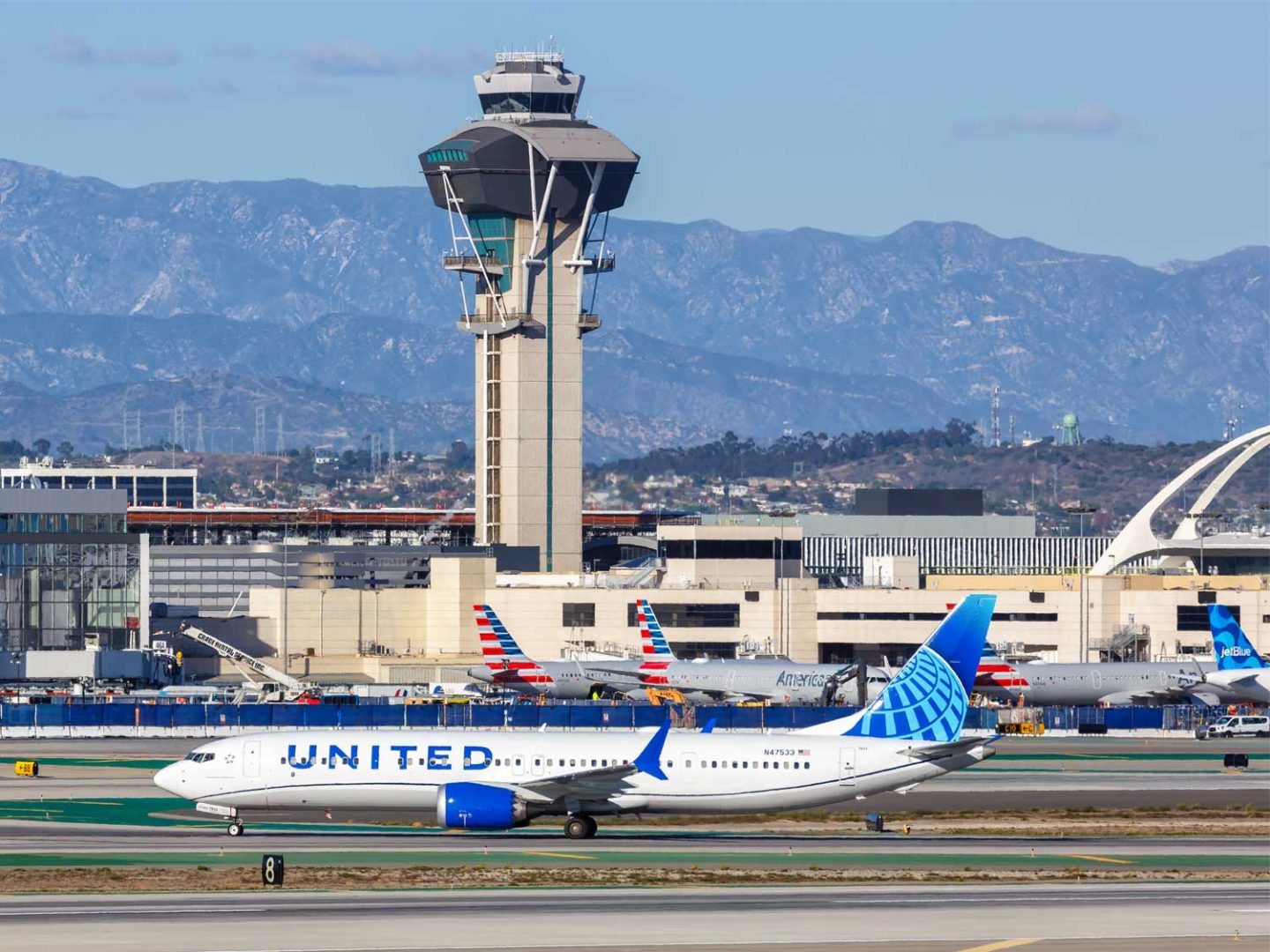
Air cargo demand defies regulatory uncertainty

In the final week of January, just before Lunar New Year, air freight spot rates continued their upward trend, rising 4% WoW and remaining 11% higher than 2024, supported by strong demand and tight capacity.

Market conditions remained resilient, with Asia-Pacific leading the growth as businesses rushed shipments before factory closures. While tonnages and spot rates have risen steadily in recent weeks (2% and 6%), comparisons to previous years are complicated by the earlier timing of Lunar New Year in 2025.

Asia Pacific to Europe volumes rebounded for a third consecutive week, approaching levels seen in mid-December. Similarly, demand on the transpacific route increased after a seasonal decline, with volumes and rates gradually strengthening. Despite some fluctuations, the market remains significantly stronger than last year, with rates holding firm and demand outpacing 2024 levels.

Regulatory headwinds create uncertainty

Despite a strong start to the year, regulatory developments in the US are introducing new challenges for air cargo. The shift toward protectionist policies has created uncertainty, particularly following the recent trade dispute with Colombia, where tariff threats were used as a negotiation tool. This approach signals a departure from predictable, rule-based trade agreements, raising concerns over future disruptions.

Uncertainty also surrounds changes to US de-minimis rules, which previously allowed low-value imports under $800 to enter tax-free. The exemption for Chinese goods has been suspended, a move expected to disrupt eCommerce shipments that have fuelled air cargo growth. Additionally, new filing requirements proposed by US Customs and Border Protection (CBP) would impose additional administrative burdens on cross-border eCommerce, impacting the more than 1.4 billion packages expected to enter the US this year.

Despite these concerns, industry experts believe the impact on consumer behaviour may be minimal, as the average value of eCommerce purchases is relatively low, suggesting that elevated eCommerce volumes may continue. While increased taxation could affect logistics costs, major policy shifts would require legislative approval, making immediate changes unlikely.

Outlook

While demand is still slightly below December’s peak, it has surpassed October levels, suggesting continued resilience. Over the past five weeks, available cargo capacity has increased across all major regions, with Europe and North America experiencing the most significant growth. Chargeable weight trends varied by region, with notable year-on-year increases in Asia Pacific and Africa, while other regions remained relatively stable.

Industry leaders emphasise the need for agility in navigating shifting trade policies, drawing parallels to the Year of the Snake, which symbolises adaptability. While challenges remain, the consensus is that air cargo demand will remain strong into 2025, with the market well-positioned to weather logistical and regulatory changes.

Metro’s airfreight, charter, and sea/air solutions strike the perfect balance of speed, cost-efficiency and resilience for time-sensitive, urgent and high-value shipments.

With block space agreements (BSA) and capacity purchase agreements (CPA) in place, we secure priority access to space and competitive rates on the busiest trade lanes. 

Whatever you’re shipping, our expertise and strategic carrier partnerships keep your cargo moving—on time and within budget.

Stay ahead in a volatile market. EMAIL Elliot Carlile, Operations Director, today to explore how Metro can support your business.