CMA CGM Montmarte

Record volumes raise concerns for peak season

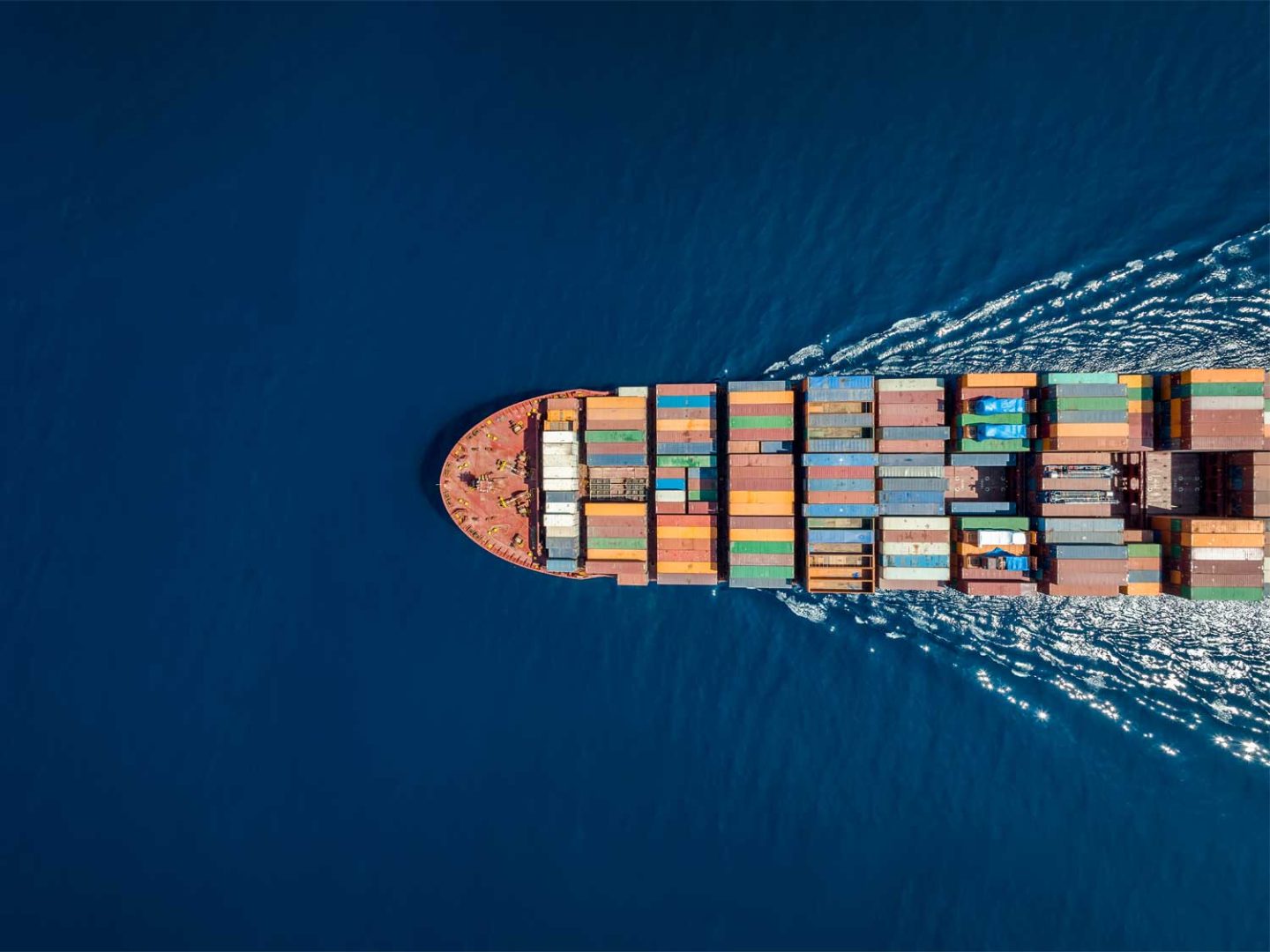
Global demand for ocean freight container shipping has surged to unprecedented levels, surpassing even the peak during the Covid pandemic and comes when available capacity is already strained due to diversions around Africa, leading to concerns that any peak season demand could be calamitous.

Chinese exports reached a record high of 6.2 million TEU in May and while there is hope that early shipments will reduce volumes during the traditional peak season in the third quarter, other factors could keep demand high. 

Nervous shippers are re-stocking and seeking to avoid potential future tariffs on imports from China, which could sustain high demand in the coming months.

Approximately 19% of US shippers and 26% of European customers are advancing their shipping schedules due to fears of supply chain disruptions.

Planned US tariff increases on goods, including electric vehicle-related materials, battery parts, and solar cells, could further elevate freight costs as exporters rush to front-load shipments. The Hong Kong Small and Medium Enterprises Association noted that many manufacturers are struggling with tighter deadlines and increased overtime pay in mainland China, jeopardising profitability.

With importing customers asking for orders to be shipped earlier than usual, Chinese manufacturers are increasingly struggling to meet the shortened schedules necessary for timely festive season deliveries. The average cost of moving a 40ft container between Asia and northern Europe has more than doubled in two months, with a roughly fivefold increase from the same period last year.

Recent spot rate indexes for sea freight have shown the smallest gains in months, with some main east-west routes seeing a pause in growth. The slowdown suggests the market might be reaching an equilibrium of supply and demand. However, it remains unclear whether this is a temporary early peak season or if demand from front-loading shippers will persist, particularly with potential US tariff increases looming.

While Asia-to-Market routes have stabilised, others continue to show week-on-week rises, with the WCI’s Shanghai-Rotterdam leg and XSI’s Asia-Europe component both increasing. Monitoring space availability closely, there are reports that vessel utilisation might be slipping, potentially making bookings easier to acquire. However, rates are expected to remain high throughout the peak season, especially for shipments ex-China.

Equipment shortages
Please be aware that we are seeing more reports from carriers that intra-Asia routes are experiencing equipment shortages, particularly out of China. This is an industry-wide issue that initially affected long-haul shipping but now has extended to intra-Asia routes. The demand for export containers in China means that carriers have to decide whether to prioritise carrying empty containers back to China or carrying laden containers to other destinations.

We are monitoring the station closely, as it could possibly push rates up, potentially cascading into the backhaul trades to Asia and regional trades.

The unprecedented demand for ocean freight and ongoing challenges in capacity and costs suggest a complex and potentially turbulent peak season ahead.

We recommend talking to us now, if you have any urgent or high-priority orders forthcoming and sharing your shipping forecasts, so that we can secure your space, on the services that meet your deadlines, at the best possible rates.

To learn how we can enhance your ocean freight solutions, please EMAIL our Chief Commercial Officer, Andy Smith. 

computer down 1440x1080 1

Global IT outage disrupts supply chains

On Friday, a faulty update to Microsoft software by cyber-security firm Crowdstrike, saw global supply chain operations significantly disrupted, with the fallout expected to take weeks to fully resolve.

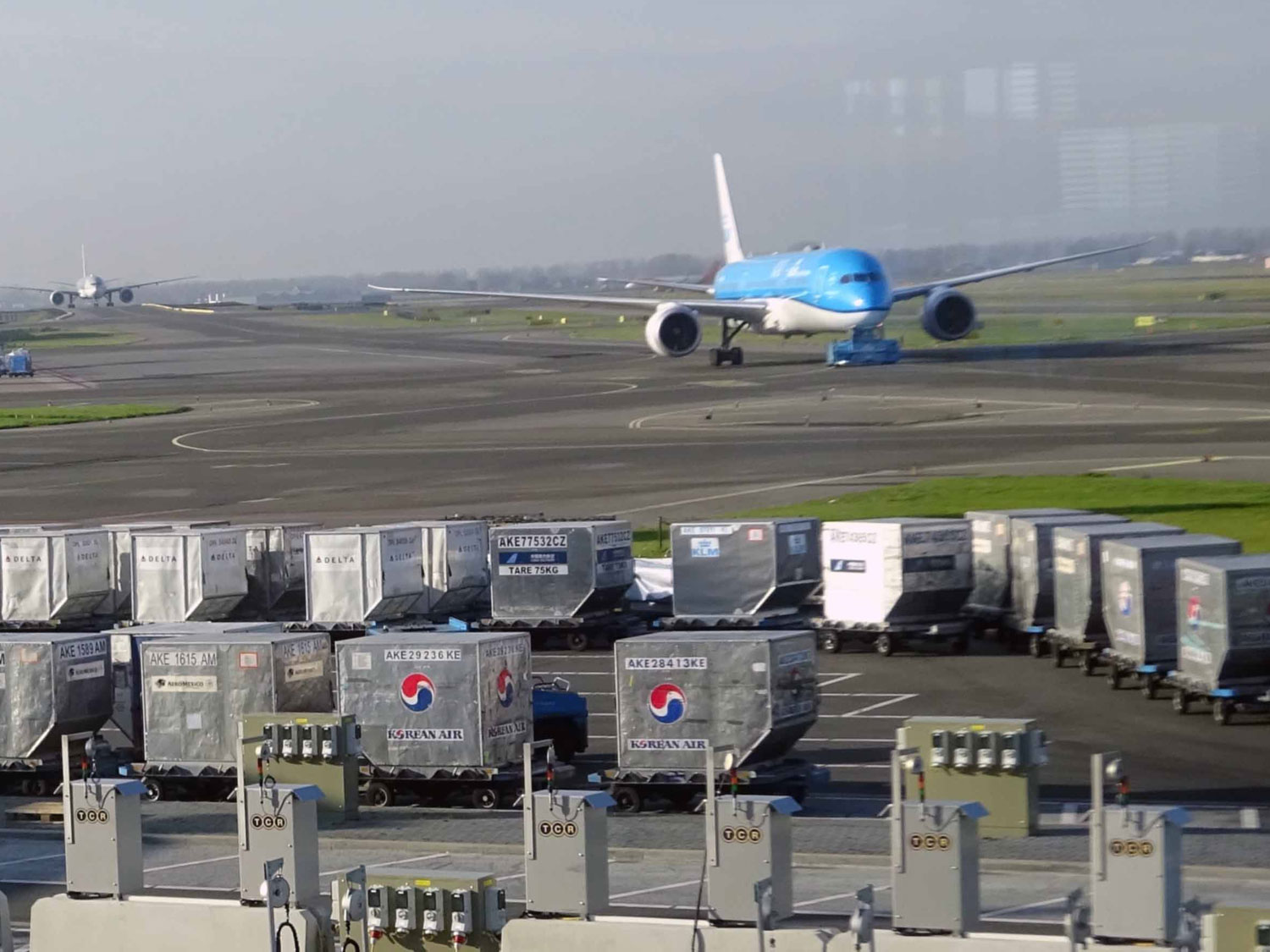
Thousands of flights were grounded or delayed at major air freight hubs in Europe, Asia, and North America, creating severe impacts on the complex air supply chains.

Experts warn that planes and cargo are not where they should be, leading to extended recovery times and depending on the scale of the IT failure and current market conditions, these disruptions could take much longer to resolve than the duration of the outage itself.

This situation is further exacerbated by limited airfreight capacity, with global demand increasing by 13% in June compared to 2023, with the surge in demand largely driven by traffic from China to Europe and the US, putting additional strain on already limited available capacity.

While sea port operations were less affected, initial disruptions were reported in several European container terminals, including Poland’s Baltic Hub, Felixstowe and Rotterdam. These ports have since recovered, but the main issues could lie inland with truck and rail services, potentially increasing congestion if containers cannot be moved in or out of the ports efficiently.

Some air cargo operations are gradually returning to normal, with ground handler Swissport and Lufthansa Cargo reporting only minor impacts. However, Schiphol Airport and US airlines such as Delta, United, and American Airlines faced significant disruptions, with hundreds of flights cancelled or delayed, including 700 cancellations by Delta on Monday.

While most airlines have resumed operations, residual delays are anticipated due to the sheer number of disrupted flights.

Supply chain experts are concerned about the long-term effects of the Crowdstrike outage on global deliveries. The Chartered Institute of Export & International Trade warned that the disruption could create further problems in planning and scheduling for importers, exporters, and consumers globally. Time-sensitive air freight is particularly affected, with one thousand flights cancelled worldwide, by mid-morning on Friday.

Although a fix has been deployed by Crowdstrike, the full resolution of the outage issue may take some time, as IT staff may need to access individual machines to remove the faulty update.

The fallout from the outage has once-again highlighted the vulnerability of global supply chains and as the industry works to recover, the importance of robust contingency plans and marine insurance cannot be overstated, ensuring protection against financial risks and maintaining supply chain resilience in the face of unforeseen challenges.

To learn how we can develop and support your supply chain resilience or for more information about our Marine Insurance products, please EMAIL our Chief Commercial Officer, Andy Smith.

HKG port

Ex-Asia spot rate spiral turned into shooting star

Container shipping lines have announced significant rate hikes on all ex-Asia trade lanes, due to increased demand and increasing equipment challenges in more origins and it would be prudent to expect more of the same.

Effective capacity to North Europe has decreased by 5% compared to a year ago, due to the longer route around Africa, despite the deployment of 18% more vessel capacity. 

One leading carrier has suggested that capacity shortages could be as much as 20% and while the situation is not as grim as the carrier suggests, demand growth of 15% has taken the market by surprise with container equipment and vessels in short supply. 

It is difficult to see what precipitated the steep increase in demand over the last couple of weeks, which have been remarkably strong. It may be buyers pulling orders forward because they have concerns about global geopolitical uncertainties, or they need an additional two-week buffer of stock in transit. Or rates could be driven by a more general restocking to replenish inventories.

The speed and pace of change in the market has been phenomenal, replicating the lead-up to the peak of the pandemic, with demand hugely high. Add to that the early start of the traditional peak season in May, which is now seasonalising to the pre-pandemic model and it’s a potential nightmare scenario for importers.

Carriers are putting rates out and then withdrawing them because they have already been replaced with higher levels. 

FAK and spot rate quotes for most shipping lines are now closed until June, or later, so shippers can’t make a booking even if they are willing to pay premium prices.

Demand has grown consistently over the last two quarters and while new container ship deliveries continue, the diversion around the Cape of Good Hope, strong demand and additional summer service deployments are absorbing this capacity and we expect the lines to continue raising rates into the summer.

The ocean freight market has moved beyond ‘pay to play’, with carriers cutting back on contracts, blanking vessels and not carrying space forward. Shippers may look around and try to ‘play the market’ but everyone is in the same ‘boat’.

Metro are coping relatively well, thanks to our long-standing carrier relationships and sensible annual contracts, which guarantee us space and set rates.

To learn how we can enhance your ocean freight solutions, please EMAIL our Chief Commercial Officer, Andy Smith. 

Suez MSC vessel

General Red Sea Update

The US and UK carried out eight strikes on Houthi targets in Yemen on Monday, as the Iran-aligned armed group continues to target commercial shipping in the Red Sea, with no sign that the conflict will de-escalate anytime soon.

While many hoped that the situation in the Red Sea might be a short-lived crisis, it is edging closer to the challenges that global supply chains faced during the COVID-19 pandemic. 

The ripple effects caused by the necessity of re-routing around 90% of all container ships from Asia around the Cape of Good Hope are immense. Analyst Sea-Intelligence are concluding that the vessel capacity drop is the second largest after the ‘Ever Given’ got stuck in the Suez Canal for six days during March 2021. 

With 10+ days added to the normal transit the drop in available capacity has sent freight rates rocketing, with container equipment challenges growing and expected to become far more difficult in the run up to the Chinese lunar new year. 

CMA CGM, the world’s third-largest carrier, announced an empty container imbalance surcharge of $100 per unit on top of similar equipment surcharges out of Turkey to the Mediterranean and North Africa announced last week.

There is one significant difference between now and the Ever Given situation and the pandemic, which is demand is lower and the shipping lines have injected significant capacity to maintain services. 

The Ever Given disruption occurred during a period of scarce capacity and historic peak demand, which was why rates skyrocketed and while we aren’t currently at those highs, the recent rate surge is noticeable in the short term.

The current delays and projected longer transit times are already impacting manufacturers across the globe, with many forced to halt production due to shipment delays, while many retailers have warned of product delays and cost increases. 

The next two-to-three weeks could be interesting, with bunched vessels arriving at the main ports, potentially triggering port delays driver shortages and cargo build-ups at warehouses.

The window for booking air freight ahead of Chinese New Year is closing and vessels are quickly filling, which is why we would urge you for your shipping deadlines, so that we can book your space and services at the best possible rates. 

Sharing forecasts for your forthcoming movements is an essential tool in managing your freight and expectations, and reserving the equipment you need, when you need it. 

If you have any questions or concerns about the impact of the Suez situation on your Asia supply chain, or would like to discuss its wider implications, please EMAIL our Chief Commercial Officer, Andy Smith.