
eCommerce2 1440x1080 1

UK De Minimis Rule Under Review

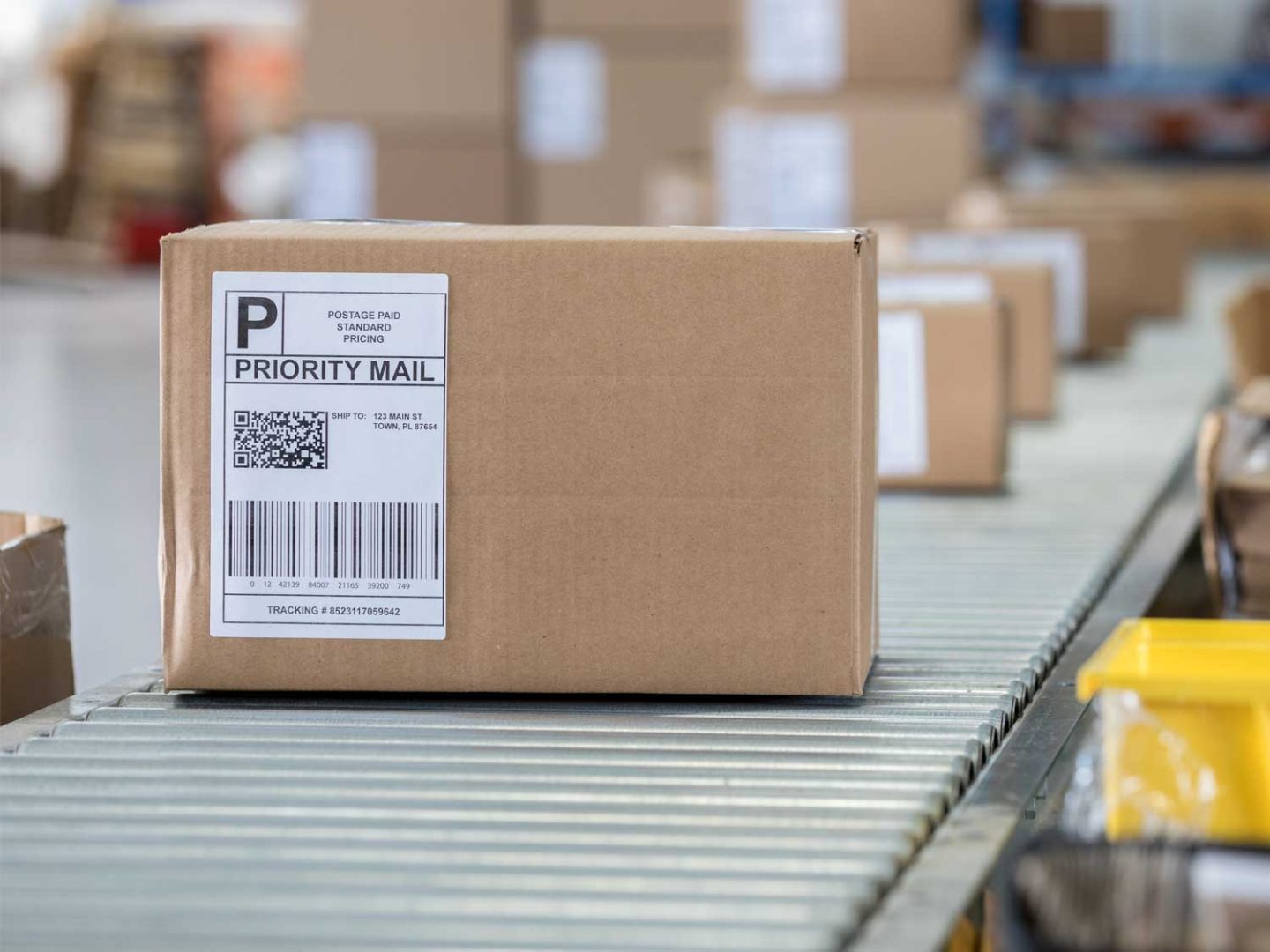
The UK government has announced plans to review the longstanding de minimis tax exemption for low-value imports, in a move that has been welcomed by major British retailers.

The rule currently allows goods valued at £135 or less to enter the UK without incurring customs duties; a system critics argue has been exploited by international eCommerce platforms at the expense of UK businesses.

The Latin term “de minimis” translates to “the smallest things” and has traditionally been used to justify the exemption of very low-value goods from burdensome customs procedures. However, as eCommerce volumes have grown and global online platforms increasingly rely on this exemption, its relevance and fairness have come under scrutiny.

Speaking at the IMF Spring Meetings in Washington DC, Chancellor Rachel Reeves signalled the government’s intention to help UK firms compete fairly by closing the loophole that international sellers have used to undercut domestic retailers.

Retailers argue that platforms like Temu and Shein leverage the exemption to ship millions of low-value parcels into the UK each day, often without meeting British environmental, ethical, or consumer safety standards, and are sold duty-free while UK retailers pay full VAT and import taxes.

Helen Dickinson, Chief Executive of the British Retail Consortium, said the review is “most welcome,” emphasising that it could prevent the UK from becoming a dumping ground for substandard goods in the wake of global trade turmoil.

Jonathan Reynolds, the UK’s Business and Trade Secretary, echoed this sentiment, promising “urgent steps to deliver quicker protections” for domestic firms.

The issue mirrors changes in the US, where the government has already lowered its de minimis threshold from $2,500 to $800 and is preparing to end the exemption altogether for China from May 2.

Retailers argue that eliminating the de minimis loophole would not only create a level playing field, but also enhance consumer protection, increase tax revenues, and support the struggling High Street. As the UK prepares to engage with stakeholders in the coming months, the move could reshape how global eCommerce platforms operate within the British market.

As tax exemptions tighten, Metro’s end-to-end airfreight and courier solutions combine speed, cost-efficiency and full regulatory alignment for both parcel and bulk eCommerce shipments.

With strategic block space agreements (BSA) and capacity purchase agreements (CPA) in place, we secure priority capacity and competitive rates across high-demand trade lanes so your products keep moving, even as the rules shift.

EMAIL Elliot Carlile, Operations Director, today to explore how Metro can help you stay compliant and competitive.

air sea banner 1

Tariff Tensions Drive Short-Term Freight Surges and Long-Term Uncertainty

Global freight markets remain under pressure as shifting US tariff policies continue to disrupt established trade patterns, prompting divergent responses across air and sea freight markets. While immediate demand surges have driven up short-term pricing, underlying market dynamics suggest a volatile road ahead.

Air freight rates from the US to China have surged following China’s announcement of steep tariff increases on American imports. Faced with escalating duties – rising from 34% to 125% – Chinese importers rushed to move goods before the latest hike, triggering a sharp spike in demand for air freight. Rates have soared, in some cases quadrupling, particularly on express shipments booked close to the tariff deadline.

Freighter capacity has responded swiftly, with US–China volumes up nearly 60% in March compared to February, and year-to-date capacity 21% higher than in 2024. However, this may represent a short-term peak. As the market absorbs front-loaded shipments and the end of the de minimis exemption approaches on 2 May, analysts anticipate a rapid slowdown, potentially leading to overcapacity and falling rates across both air and ocean modes.

Despite a global drop in air cargo volumes last week, average spot rates rose by 1%, reaching their highest point this year. Combined spot and contract rates increased by 2% week on week and 3% year on year. However, some trade lanes showed early signs of softening. Volumes out of the Middle East and South Asia fell by 24%, with Asia Pacific down 7%, and North America 2%. China–US traffic dipped 5% week on week—the first decline of the year—although volumes remain slightly ahead of 2024.

Spot container rates on key east-west ocean trades showed modest increases despite widespread booking suspensions and heightened uncertainty. On the transpacific, rates from Shanghai to Los Angeles and New York rose by 3% and 2%, respectively. Yet forward-looking indices suggest softening ahead, with next-week quotes showing a 5% decline on west coast routes and a 2.5% fall on the east coast.

The tariff-driven disruption is also shifting contracting strategies. Many beneficial cargo owners are moving a larger share of their volumes into the spot market to retain flexibility, which can impact trade lane pricing stability.

Meanwhile, demand signals out of China remain mixed. Some cargo has been postponed, withdrawn from customs, or even abandoned mid-transit, as importers and exporters reassess risk exposure. Others are pressing ahead with shipments as scheduled, with a clear eye on alternative sourcing and destination markets.

On the Asia–Europe corridor, spot rate trends are more stable. Shanghai–Rotterdam rates increased by 4%, while Genoa-bound rates rose by 1%. The Shanghai Containerised Freight Index showed a 1.5% week-on-week increase to North Europe and a 6% gain to Mediterranean ports. Capacity control measures appear to be supporting rates, though competition among carriers can be fierce.

Temporary Highs, Lingering Uncertainty

While both air and sea freight markets are demonstrating resilience in the face of immediate shocks, structural uncertainty persists. Tariff changes, shifting trade alliances, and varying responses from shippers are driving short-term spikes but could give way to downward pressure as demand softens and inventory levels stabilise.

We understand the pressures global supply chains are under. That’s why we offer fixed-rate agreements on key ocean freight routes, helping you navigate rate volatility with confidence and control. 

Whether you’re managing critical lanes, looking for alternative routings or planning ahead for the year, our tailored sea freight solutions provide the stability you need to stay ahead.

To discover how Metro can strengthen your ocean supply chain and provide peace of mind, EMAIL our Managing Director, Andy Smith, today.

And if you’re seeking smarter, faster, and more resilient air freight strategies, with protected space and rates, we’re here to help. Metro’s air freight solutions are built to optimise your logistics – even in a shifting market.

EMAIL Elliot Carlile, Operations Director, today to explore how we can support your 2025 success.

Parcel post 1440x1080 1

New Tariffs and the End of De Minimis

On 2 April 2025, President Donald J. Trump announced sweeping new tariffs, targeting approximately 60 countries, with China singled out for the most severe action. In response to retaliatory tariffs from Beijing, the United States escalated its own duties, ultimately imposing a 125% tariff on all imports from China, Hong Kong, and Macau, in addition to previously existing tariffs.

While the White House has not made extensive public statements on the topic of de minimis imports – the long-standing policy allowing goods valued under $800 to enter the U.S. duty-free – key guidance released on 2 and 8 April confirms that this exemption will soon be withdrawn for goods from China and Hong Kong.

Escalation of U.S. Tariffs on China
The first of the new tariffs took effect on 4 February 2025, when a 10% duty was introduced on top of the existing Section 301 tariffs. This was increased to 20% on 4 March, and then, on 2 April, President Trump announced a 34% reciprocal tariff, which included a new 10% baseline tariff applicable to all countries starting 5 April.

However, after China retaliated with increased tariffs on U.S. exports, the White House raised the China-specific tariff to 84% on 8 April, and then to a staggering 125% on 9 April. 

This final rate became effective at 00:01 ET on 10 April. These duties are stackable, meaning that in many cases, importers will face a total duty burden of around 145%, factoring in earlier Section 301 tariffs and the new reciprocal tariffs.

De Minimis Policy Changes for Chinese Imports
The de minimis exemption, which allows shipments valued at or below $800 USD to enter the United States without duties or import taxes, is being formally eliminated for goods originating from China and Hong Kong, effective 2 May 2025 at 00:01 ET.

This change follows a period of confusion that began on 1 February, when the White House first announced the end of de minimis for Chinese-origin shipments. 

Implementation on 4 February resulted in significant logistical disruptions, including a temporary halt in parcel acceptance by the United States Postal Service (USPS). The policy was reversed just one day later, on 5 February, to give U.S. authorities time to prepare for full enforcement.

Now, with updated executive orders on 8 April and 9 April, the de minimis exemption will definitively end for China and Hong Kong on 2 May. The administration is also considering extending these rules to Macau.

Starting on that date, goods valued under $800 from China and Hong Kong will be subject to a duty calculated at 120% of the item’s value, and a postal fee of $100 per package. 

The postal fee will rise to $200 on 1 June 2025. These amounts were increased from earlier planned levels of 30% duty and $25/$50 postal fees through the two April executive orders.

Additionally, the exemption will no longer apply to low-value goods shipped through couriers or freight companies—not just postal shipments—ensuring broad application across all shipping channels.

What’s Next?
While the de minimis threshold remains in place for most other countries, both the White House and members of Congress are reportedly reviewing broader changes to this policy. 

For now, the key changes apply specifically to China and Hong Kong, but the political momentum suggests the U.S. may tighten or eliminate de minimis privileges more broadly in the near future.

TIMELINE: Tariffs on China
1 Feb Trump announces elimination of de minimis for China (initially).
4 Feb 10% tariff imposed on Chinese and Hong Kong imports. No drawback or exclusion process.
5 Feb De minimis reinstated temporarily due to USPS overload and customs issues.
4 Mar Tariff on China doubled to 20%.
2 Apr Trump announces 34% reciprocal tariff on 60 countries, starting with China.
5 Apr New baseline 10% reciprocal tariff applies to all countries (excl China).
8 Apr After China retaliates, U.S. increases China tariff to 84%; raises de minimis duty to 90%.
9 Apr Tariff on China raised to 125%. De minimis duty rises to 120%.
10 Apr 125% China tariff becomes effective.
2 May End of de minimis for China and Hong Kong. New duties and postal fees apply.
1 June Postal fee increases for low-value shipments from China.

If you’d like to review any potential impact of tariffs on your supply chain, assess your exposure, or explore strategic options, we’re here to help. Metro is well-placed to support you, backed by our expanded US footprint and strong focus on North American trade flows.

Make informed decisions with Metro’s compliance and regulatory insights. EMAIL Andrew Smith, Managing Director.

India office workers

Strategic Growth in India is Building a Platform for the Future

Over the past five years, Metro has significantly expanded its footprint in the Indian Subcontinent, creating a powerful dual-platform presence that continues to evolve as part of our wider global growth strategy.

Today, India stands as one of our most dynamic regions and is set to house more Metro colleagues than any other location worldwide by the end of 2025.

At the heart of this development are two key Metro operations:

  • Metro Indian Subcontinent (MISC): Our established Global Operations Centre, which provides critical operational, accounting, financial, commercial, and administrative support for Metro’s global network.
  • Metro Global India (MGI): Our newly acquired and merging business, which is focused entirely on serving Indian customers and expanding our service offering across the region.

Together, MGI and MISC represent a formidable combination – supporting both local client requirements and global Metro offices – with highly skilled, locally based teams. While MGI ensures physical handling capabilities and tailored solutions for Indian customers, MISC continues to power our global service model through cutting-edge technology and operational expertise.

To support this rapid expansion, we are enhancing our infrastructure in Chennai. In June 2025, Metro will open a second facility in the city, located centrally and designed to accommodate an additional 130 colleagues. This new site will reflect the look and feel of our existing Metro offices around the world and work in tandem with our established Chennai HQ. The two locations will operate collaboratively, sharing responsibilities as our operations scale.

Importantly, this growth does not alter our long-standing partnerships across India. On the contrary, it enhances them. By leveraging a stronger in-country platform, we are better positioned to offer agile, collaborative solutions that bring together the best in experience, expertise, and supply chain capability. In a country where local knowledge is paramount, our ability to tap into deep regional insight gives us a distinct advantage.

Our Indian expansion reflects Metro’s broader global trajectory. Just as we are scaling rapidly in Europe and the USA, our investment in the Indian Subcontinent is being driven by growing customer demand—both for sourcing from and selling into this vibrant market and its neighbouring territories.

Whether supporting our global operations or meeting the needs of local clients, our teams in India are delivering world-class solutions with unrivalled professionalism and commitment.

If you’re currently trading with India and Metro are not yet supporting your supply chain, we’d love to hear from you. Please contact us directly, and we’ll be delighted to show you how we can deliver cost-effective, efficient, and fully integrated services across the Indian Subcontinent.