New York port 1440x1080 1

US East coast port strike looms as White House declines plea to step in

Ocean carriers and port employers are urging the International Longshoremen’s Association (ILA) to return to contract negotiations in an effort to avoid a potential strike across East and Gulf Coast ports, as the White House rejects plea by 177 trade associations to use legal powers. 

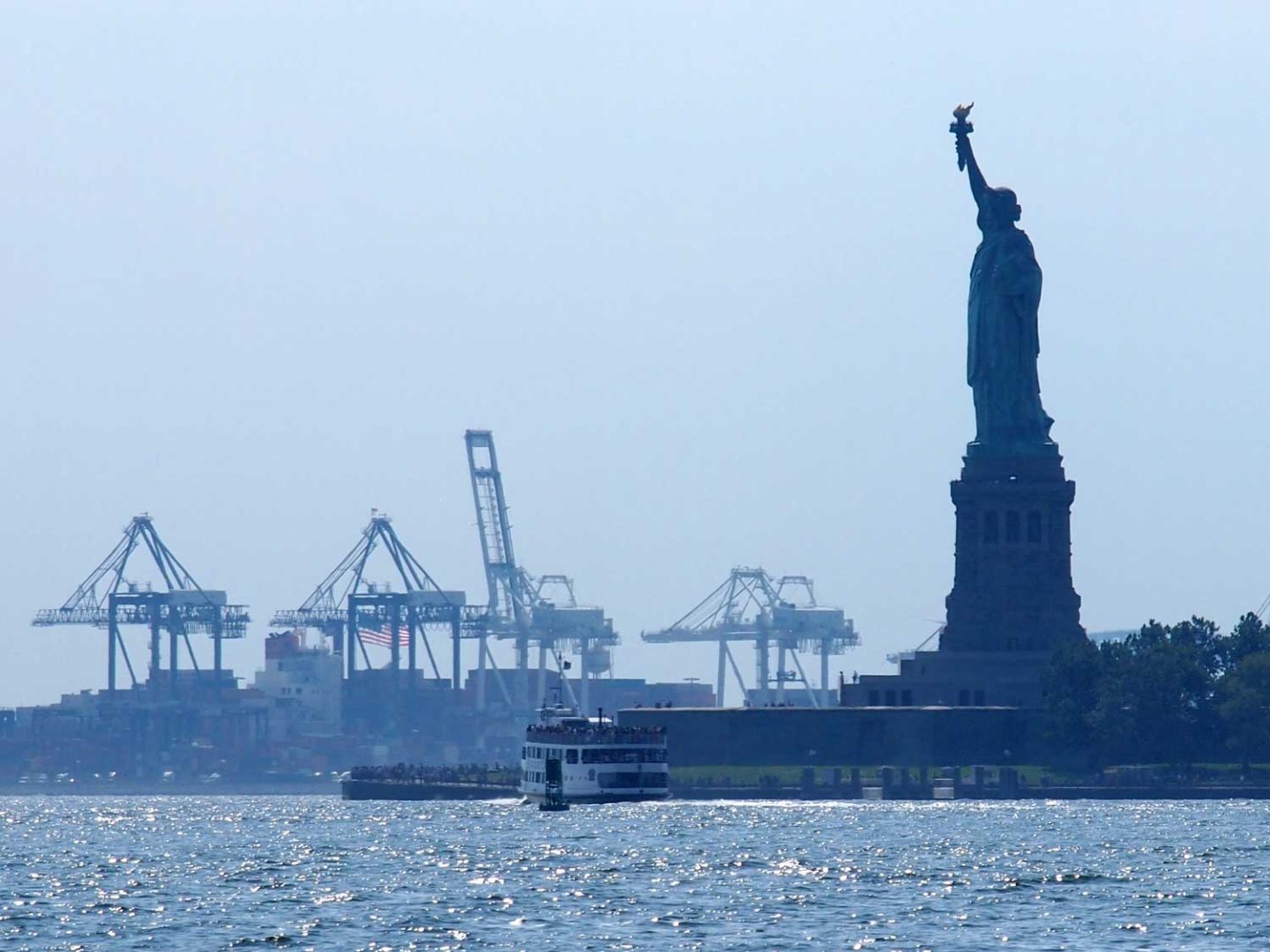
A strike at U.S. East and Gulf Coast ports appears imminent after the White House confirmed it won’t intervene legally. Following a letter from 177 trade associations urging action if negotiations with the ILA stall, the terminal employers’ group, USMX, welcomed the call for the government to help resume talks.

Trade groups warned a strike would harm the economy, especially with inflation falling. Despite USMX’s disappointment over stalled negotiations, the White House ruled out using the Taft-Hartley Act to delay the strike, encouraging both parties to negotiate.

The ILA rejected the latest wage offer from the USMX, considering it insufficient, particularly due to the unpredictable working hours of longshore work. The union is also pushing for stricter prohibitions on automation, demanding a ban on both semi-automation and full automation at marine terminals.

In addition to automation, the ILA raised concerns about the use of surveillance equipment, such as in-equipment cameras, which they claim infringes on worker privacy. They argue that this technology contributes to a hostile work environment, particularly affecting female longshore workers.

As the strike threat looms, transatlantic shipping rates are experiencing an unexpected surge, surpassing February’s peak. While many east-west container trade routes have seen declining rates, the North Europe to US East Coast trade route has bucked the trend, with a 16% increase in rates week-on-week.

There was speculation that the impending strike contributed to the rate spike, with European shippers rushing to move goods ahead of the 1st October deadline. However, much of the price rise can be attributed to peak season surcharges implemented by carriers at the beginning of September.

MSC has already announced plans to impose an Emergency Operations Surcharge from the start of October, further driving up rates. Shipping analysts suggest that even if the strike is short-lived, lasting around a week before government intervention, the ripple effects will push rates higher and create significant disruption for shippers across the Atlantic.

We have contingency plans in place to avoid the ports likely to be most affected by strikes, as well as alternative routes and entry points.

To discuss these issues and how Metro can protect your supply chain, please EMAIL Andrew Smith, Chief Commercial Officer.

Typhoon HKG 1440x1080 1

Supply chains brace for more disruption as storm season intensifies

From wildfires and floods to scorching heatwaves, the consequences of climate change are becoming more pronounced, and as we enter the peak shipping season, businesses are scrambling to prepare for what is predicted to be one of the most disruptive storm seasons in recent memory.

So far in 2024 supply chain disruptions caused by extreme weather are estimated to have cost companies billions of pounds, and the storm season is far from over. Hurricanes, wildfires, and floods have already stretched global supply lines thin, and the arrival of storms like Typhoon Bebinca, which threatened Shanghai this week, adds a fresh layer of concern.

Increased visibility allows managers to pinpoint disruptions and adjust supply chains accordingly, and the key to weathering these events lies in preparation. Shippers are diversifying their carrier bases and building inventory buffers to keep goods moving in the face of challenges. Strategic planning, such as maintaining safety stock for high-demand items, has become essential in managing supply chain risks.

The heightened storm season comes as companies are already reeling from the effects of wildfires in California and Australia, as well as floods that have caused widespread damage to transportation networks in Asia.

While technology and data-driven insights have made supply chains more resilient, this year’s relentless barrage of natural disasters is proving particularly difficult to navigate. While technology can help predict and respond to the impact of storms, it is only effective when paired with clear communication and regular updates on shipments.

The threat posed by Typhoon Bebinca is yet another reminder of the supply chain vulnerabilities that remain, with Shanghai closing ports, cancelling, and halting transportation links to ensure safety. With more storms likely in the coming months, companies must remain agile and vigilant, ready to adapt to further disruptions.

The need for resilience and adaptability is more pressing than ever, as companies navigate the challenges ahead. This season may prove to be one of the toughest in recent memory, but for those prepared, there are still opportunities to maintain operational continuity in the face of adversity.

Extreme weather events consistently highlight the vulnerability of supply chains and the importance of robust contingency plans and marine insurance to protect against risk.

We have been maintaining supply chain resilience in the face of unforeseen challenges for decades. To learn how we can develop and support your supply chain resilience EMAIL our Chief Commercial Officer, Andy Smith.

MSC and Maersk 1440x1080 1

New shipping alliances for 2025

With the dissolution of the 2M partnership between MSC and Maersk in February 2025, new partnerships and slot-sharing agreements are emerging, positioning shipping companies in a transformed global market.

One of the key developments is the formation of the Premier Alliance, which will replace THE Alliance. This new partnership brings together Ocean Network Express (ONE), HMM, and Yang Ming, with MSC also entering into a vessel-sharing agreement (VSA) with the group.

The Premier Alliance will focus on key East-West trade lanes, including Asia-Europe, Asia-North America, and Asia-Mediterranean routes. The agreement will offer customers more direct coverage and frequent sailings, with plans for six Asia-North Europe services, including five in cooperation with MSC.

Now the world’s largest container shipping company, MSC has moved quickly to capitalise on its scale. Following its departure from the 2M alliance with Maersk, MSC will operate largely independently while maintaining slot-sharing agreements with the Premier Alliance and Zim.

MSC will manage 34 loops across five major trade routes, covering Asia-North America, Asia-Europe, the Mediterranean, and the trans-Atlantic. It will offer customers direct port-to-port services, providing over 1,900 direct port pairings through the Suez Canal (when it is accessible) and more than 1,800 via the Cape of Good Hope.

The formation of the Gemini Cooperation, a new alliance between Maersk and Hapag-Lloyd, adds another layer of competition. Unlike MSC’s direct coverage approach, Gemini Cooperation will focus on a hub-and-spoke service network. This divergence in strategy highlights how alliances are tailoring their operations to meet the specific needs of global trade.

As these alliances come into play, the shipping landscape will continue to evolve. The Premier Alliance and MSC, with their extensive network of direct services, will provide enhanced port coverage and flexibility, while Gemini Cooperation’s hub-based model may appeal to shippers seeking more consolidated routes.

Together, these developments signal a reshaping of global shipping routes, aimed at increasing efficiency and meeting the growing demands of international trade. With direct access to over 80 ports and expanded service options, the new alliances are set to redefine global logistics for the years to come.

We will keep you advised and updated on important developments within the container ocean freight market as they materialise.

If you have any questions or concerns about the Premier Alliance agreement, or would like to discuss the wider implications of the shipping alliance changes, please EMAIL our Chief Commercial Officer, Andy Smith.

food study

Air cargo under pressure as peak season looms

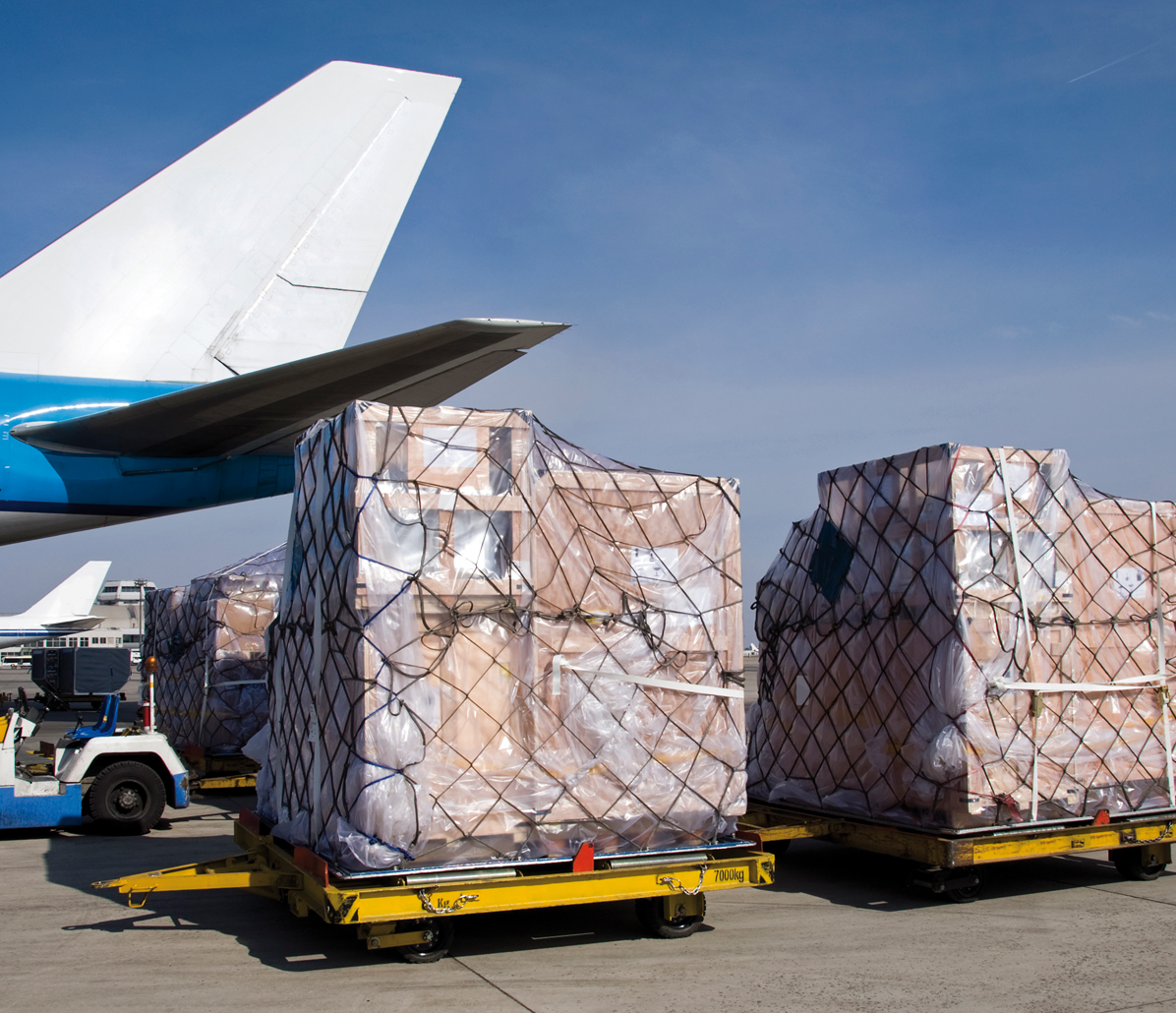
With capacity already strained and further challenges expected from potential labour strikes and reduced belly capacity in the final quarter, shippers are under increasing pressure to secure cargo space ahead of the peak season.

Strong demand
According to IATA’s latest figures global air cargo demand surged by 14% year-on-year in July, marking the eighth consecutive month of double-digit growth. This increase is largely driven by ongoing eCommerce expansion and disruptions such as the Red Sea crisis.

Despite the high demand, capacity only grew by 8%, pushing load factors up significantly and intensifying the pressure on available space.

The Asia Pacific region has seen particularly strong growth, with demand up 18% year-on-year in August, while North American carriers recorded an 9% increase, even amid disruptions like Hurricane Beryl. The Asia-North America trade lane experienced an 11% rise, and transatlantic routes also saw rates climb  in August compared to July, with expectations of further increases as the year progresses.

Preparing for peak season
With the peak shipping season starting in September, air cargo demand is expected to remain robust, particularly in high-demand regions like Asia Pacific. However, capacity constraints are already evident, with flights on many lanes fully booked. The market faces potential additional pressure from reduced belly capacity in Q4 and the possibility of strikes at US East Coast ports, which could exacerbate the existing challenges.

Shifting capacity
The ongoing Red Sea crisis has disrupted traditional shipping routes, leading to a shift towards air freight as shippers seek more reliable alternatives. This shift, combined with the seasonal reduction of capacity on other lanes, has left the market vulnerable to further disruptions, potentially causing backlogs and price spikes.

As carriers redirect freighter capacity to the high-demand Asia market and reduce capacity on other routes, the market’s fragility increases. The anticipation of a strong peak season, coupled with the current tight capacity, means that shippers must act quickly to secure space and avoid significant disruptions.

Outlook and recommendations
Given the current market conditions, shippers are strongly advised to plan ahead and secure air freight space as soon as possible. The combination of high demand, potential capacity shortages, and the risk of labour disruptions could lead to an overheated market towards the end of the year, with rates likely to continue rising.

Early booking and careful planning are essential to navigate the challenging air freight landscape in the coming months, so please share your forecasts with us as early as possible so that we can ensure there are no disruptions to your supply chain.

For urgent, valuable and sensitive shipments we have a range of airfreight, charter and sea/air solutions, with block space agreements (BSA) and capacity purchase agreements (CPA) to protect space and capacity on the busiest routes.

Regardless of your cargo type, size and requirements, we have extremely competitive rate and service combinations, to meet every deadline and budget.

EMAIL Elliot Carlile, Operations Director, for insights, prices and advice.