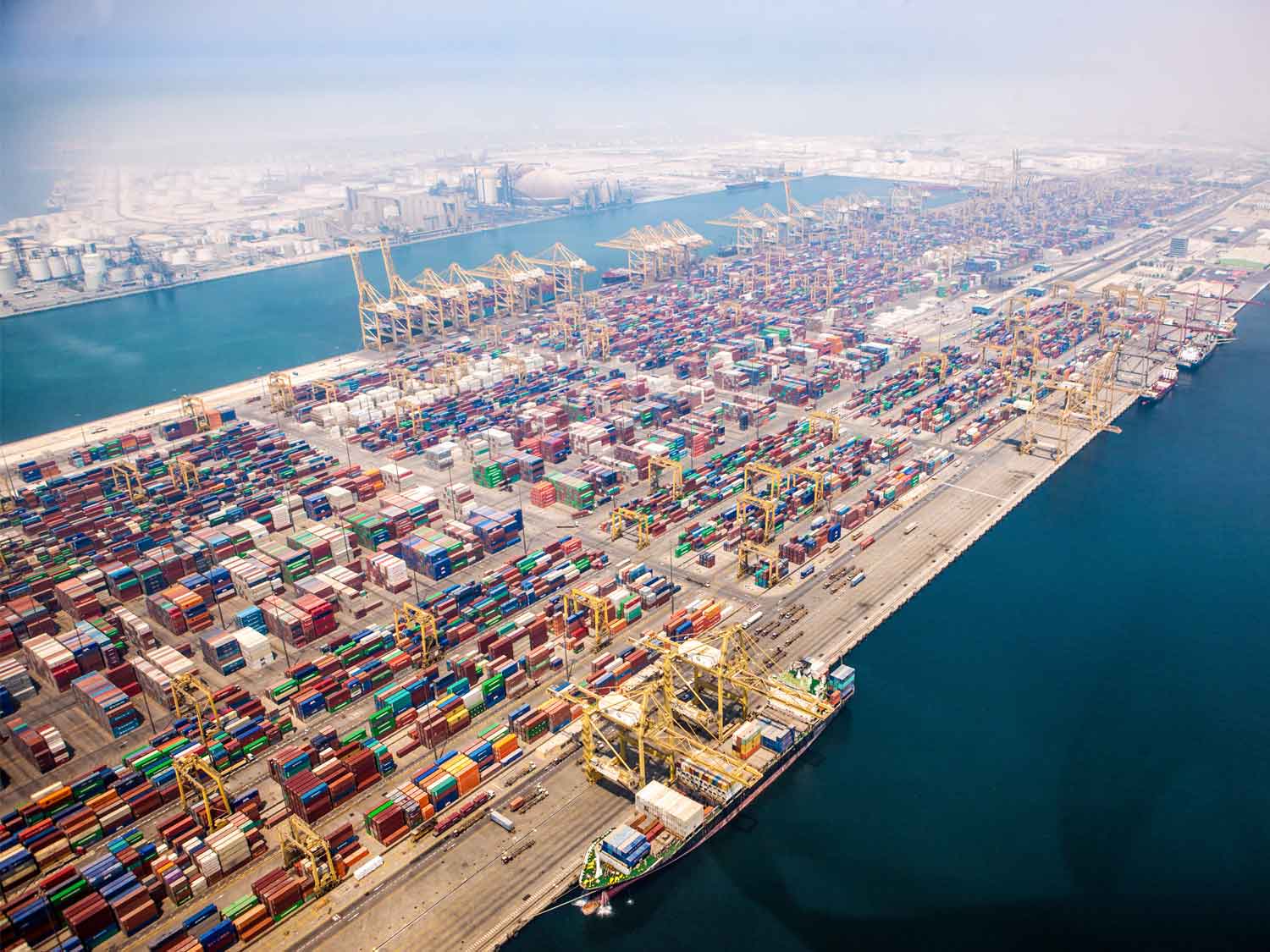
Jebel Ali

Middle East disruption continue to reshape global supply chains

Middle East linked disruption extends well beyond the region, with growing implications for global supply chains. 

As capacity tightens, routes are reconfigured and costs come under pressure, supply chains are entering a more complex and less predictable phase.

Air freight capacity tightens

Air freight markets are among the most immediately affected. Reduced capacity through key Gulf hubs — which typically handle a significant share of global cargo flows and particularly Asia — has forced airlines to reroute services and limit network coverage.

Market data indicates that capacity reductions in parts of the Middle East and South Asia have been significantly steeper than the decline in volumes, creating a sharp imbalance between supply and demand. As a result, rates on some key east–west corridors have risen by more than 50% week on week, with spot pricing increasing at an even faster pace.

Cargo is increasingly being redirected via alternative gateways such as China and Hong Kong, placing additional pressure on corridors that were previously less affected. This is tightening capacity across Asia–Europe routes and contributing to delays, space shortages and short-notice schedule changes.

At the same time, rising fuel costs and the introduction of war risk-related surcharges are adding further upward pressure, while rate validity is shortening as carriers respond to rapidly changing conditions.

Ocean disruption drives congestion, diversion and equipment imbalances

Ocean freight is facing a different but equally significant set of challenges. The effective closure of the Strait of Hormuz — a corridor that typically handles a substantial share of global energy flows — has led to a dramatic reduction in vessel transits, with movements down by around 95% compared to normal levels.

Shipping lines have suspended services into the Arabian Gulf and are diverting vessels to alternative ports, where cargo is being discharged and held for onward movement. This is creating a knock-on effect across surrounding regions.

Ports outside the Gulf are now absorbing unexpected volumes. Congestion levels at key contingency hubs have reached critical levels, with some locations operating at or near full capacity and vessel waiting times extending well beyond normal ranges.

At the same time, an estimated 200,000+ TEU of capacity remains effectively trapped within the Gulf, contributing to equipment shortages in Asia as empty containers are unable to return to origin markets. This imbalance is expected to place further pressure on export flows in the coming weeks.

Rising bunker costs are also beginning to influence vessel operations, with some operators reducing sailing speeds to manage fuel consumption, adding further variability to transit times.

Costs rise as surcharges and fuel pressures build

Across both air and ocean freight, cost pressure is becoming more pronounced. Emergency surcharges linked to fuel volatility, war risk and network disruption are being introduced or expanded across multiple trade lanes.

Air freight rates have already increased sharply on key routes, while ocean carriers are implementing additional charges to reflect higher operating costs and longer routing distances. In parallel, regulatory scrutiny is increasing, particularly around how surcharges are applied and communicated.

For shippers, this is creating a more complex cost environment, where pricing can change quickly and visibility is reduced.

The past few weeks have highlighted how quickly supply chain assumptions can change and how important it is to have flexible, well-informed contingency options in place.

Metro is supporting customers by identifying alternative routings, securing capacity across air and ocean networks, and maintaining close operational control as conditions evolve.

To discuss how this situation could impact your supply chain, or to review practical routing and cost options, EMAIL Andrew Smith, Managing Director at Metro, for a direct and informed response.

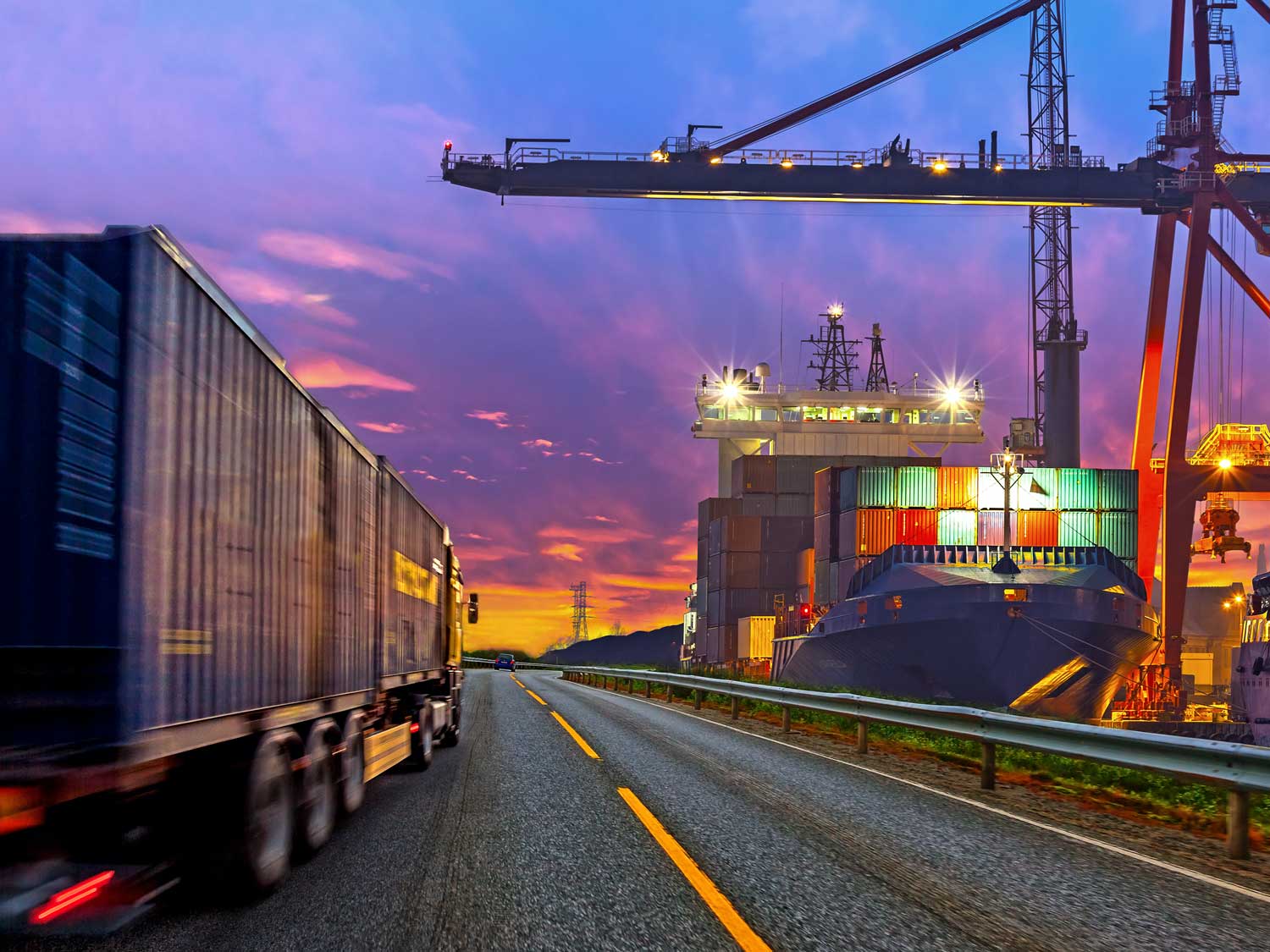
Truck Middle East

Road and road–air solutions gain traction in Middle East disruption

As disruption across the Middle East continues to restrict traditional air and ocean routes, shippers are increasingly turning to road and road–air solutions to maintain cargo flow. 

What began as a contingency response is now becoming a core part of how supply chains are adapting to a more constrained and fragmented logistics environment.

With vessel access to the Arabian Gulf severely restricted and air capacity reduced, significant volumes of cargo are being redirected onto land-based networks.

Ports such as Khor Fakkan, Fujairah, Sohar and Jeddah are now acting as key entry points, with cargo transferred onto trucks for onward delivery across the Gulf. These corridors are supporting flows into major markets including the UAE, Saudi Arabia, Qatar, Kuwait and Bahrain.

However, this shift is placing pressure on overland infrastructure that was not designed to handle such volumes. Trucking demand has risen sharply, leading to capacity shortages on key corridors across Oman, Saudi Arabia and the UAE. As a result, transit times are becoming less predictable and costs are rising in response to increased demand.

At the same time, congestion at contingency ports is extending dwell times, further increasing reliance on inland transport to maintain movement.

Road–air models offer a practical alternative to constrained air freight

As direct air freight capacity remains limited and increasingly expensive, road–air solutions are becoming more widely used.

Cargo is being moved by road to alternative airport gateways outside the most affected areas, where it can reconnect with more stable flight schedules. This approach helps bypass disrupted hubs while maintaining faster transit times than traditional ocean freight.

The model is also being applied on longer-distance routes. In some cases, cargo is being trucked across regions before connecting with onward air services, reflecting a broader shift towards more flexible, hybrid transport solutions.

Demand for these services is increasing as shippers look to balance speed, cost and reliability in a market where traditional options are under pressure.

Operational complexity increases as networks evolve

While these solutions are keeping cargo moving, they also introduce new layers of complexity.

Border crossings, customs processes and security checks are becoming more critical to overall transit time performance. In addition, the rapid scaling of road-based solutions is creating pressure on available capacity, particularly on heavily used corridors.

At the same time, multimodal coordination is becoming more important. Successfully combining road, air and ocean services requires close planning, real-time visibility and the ability to adapt quickly as conditions change.

This is driving greater demand for integrated logistics approaches that can manage multiple transport modes within a single, coordinated solution.

Rather than relying on fixed routes or single modes, businesses are adopting more flexible strategies that allow them to respond to disruption as it develops. This includes using alternative gateways, combining transport modes and building contingency options into their planning.

When traditional routes are under pressure, the ability to switch quickly to practical alternatives becomes critical.

Metro is actively supporting customers with road–air and direct road solutions, combining regional trucking, alternative airport gateways and multimodal coordination to keep cargo moving.

If you are facing delays, capacity constraints or rising air freight costs, EMAIL Andrew Smith, Managing Director at Metro, to discuss how road–air or direct road options could support your shipments in the current market.

container haulage

Middle East situation triggers emergency fuel surcharges

The continuing disruption in the Middle East is beginning to affect container shipping costs globally, with carriers introducing emergency fuel surcharges and rate increases across several major trade lanes.

Global bunker prices have surged in recent weeks, with very low sulphur fuel oil (VLSFO) rising by almost 40% since the initial military strikes on Iran. The increase reflects tightening oil supply and heightened market uncertainty linked to the closure of key regional shipping corridors.

The Middle East is a major exporter of fuel oil and accounts for around 35% of the fuel imported into Singapore, the world’s largest bunkering hub. As supply concerns intensify, fuel costs are expected to continue influencing freight pricing in the coming weeks.

Several major container carriers have already moved to pass these increased costs through to customers.

MSC has announced an emergency fuel surcharge for cargo moving from the Mediterranean and Black Sea, while CMA CGM will introduce its own fuel surcharge across its services, with both taking effect in the coming days.

These measures are likely to be followed by other carriers as the industry responds to rising bunker costs.

Freight markets beginning to react

Ocean freight markets have already begun to respond to the combination of higher fuel prices, geopolitical uncertainty and continued disruption across Middle Eastern shipping routes.

Recent spot rate indices on the Asia–Europe and Asia–Mediterranean trades show container rates rising week-on-week. Across the transpacific, rates to the US West Coast have surged sharply, while prices to the US East Coast have also moved higher, though to a lesser extent.

Carriers are also signalling further increases across Asia–Europe services from mid-March as they respond to higher operating costs and ongoing uncertainty around the reopening of Suez Canal routings.

Some cargo flows normally destined for Gulf markets are also being redirected via alternative land and sea corridors, including inland routes through Turkey, which may influence capacity utilisation and pricing across neighbouring trade lanes.

UK road transport also feeling fuel pressure

The increase in global oil prices is also beginning to affect UK road transport costs, which form a key part of inland supply chains.

The Road Haulage Association has called for urgent discussions with the UK government after a sharp rise in diesel prices, warning that hauliers are facing rapidly increasing operating costs.

As a result, many UK merchant hauliers are introducing or increasing fuel surcharges to reflect the higher diesel costs of container collection and positioning. This means that the impact of rising fuel prices is now being felt not only in international shipping but also across domestic transport and distribution.

What this means for shippers

The combination of rising bunker costs, emergency surcharges and higher road fuel prices is likely to increase logistics costs across several parts of the supply chain in the short term.

Metro is monitoring carrier announcements, bunker price movements and transport developments closely and will continue to update customers as the situation evolves.

If you would like to discuss how these developments may affect your shipments or explore alternative routing strategies, please contact your Metro representative or EMAIL Managing Director Andrew Smith.

shopping

EU insights for ambitious UK retailers and brands

As global trade patterns shift and US tariffs reshape export economics, many UK fashion brands are re-evaluating where growth will come from next.

For an increasing number, the answer is closer to home. The European Union — a £250bn clothing market — is once again becoming a strategic priority for scalable, lower-risk international expansion.

At Metro, we are seeing a clear trend: brands that previously focused on the US are now actively re-establishing or expanding EU operations. The commercial logic is compelling, but success depends on understanding the operational realities.

Europe makes strategic sense again

Under the UK-EU Trade and Co-operation Agreement, most qualifying UK goods can enter the EU tariff-free, provided rules of origin are met.

Compared with elevated US baseline tariffs and longer transatlantic lead times, the EU offers:

  • Shorter transit times
  • Lower freight costs
  • Established e-commerce and wholesale networks
  • Cultural and style alignment
  • A large, affluent consumer base

However, while tariffs may be reduced, compliance complexity remains.

The EU opportunity is real — but it is not frictionless. Brands need to approach it strategically, with proper customs planning, VAT management and logistics alignment from day one.

Choosing your route to market

There is no single entry model. Most successful brands adopt a hybrid approach.

Marketplace Partnerships

Many UK retailers are leveraging major EU marketplaces to accelerate scale.

Benefits:

  • Immediate access to multiple markets
  • Localised checkout and VAT handling
  • Established logistics networks
  • Faster delivery and returns

However, marketplace integration is not a silver bullet. Service charges, data integration, and margin considerations must be assessed carefully.

Establishing an EU entity

Setting up a legal entity in an EU member state has become more streamlined post-Brexit.

While it requires tax and legal advice, having an EU-based operation can:

  • Simplify VAT registration
  • Improve customer experience
  • Reduce cross-border friction
  • Enable more seamless returns management

Many exporters continue to route EU goods via the Netherlands due to infrastructure strength and customs efficiency.

Wholesale & distribution

Wholesale partnerships remain a powerful growth lever.

Brands are:

  • Partnering with department stores and independents
  • Appointing local distributors in key territories
  • Entering market-by-market rather than pan-EU immediately

Europe is not homogenous. Germany is not Spain. Italy is not Poland.

Localised strategy is essential.

De-minimis changes & customs evolution

The EU is ending its €150 de minimis duty exemption.

In 2024 alone, 4.6 billion low-value consignments entered the EU under this regime. 

Regulatory tightening aims to improve compliance and level competition.

Key implications:

  • Additional handling fees likely
  • Greater customs scrutiny
  • VAT management changes
  • Phasing out of the Import One Stop Shop (IOSS)
  • Introduction of the EU Customs Data Hub (from 2028)

Regulatory tightening increases compliance cost in the short term, but it also creates opportunity. Brands that invest in structured customs processes now will gain competitive advantage as enforcement strengthens.

Ship from UK or hold EU stock?

Many retailers initially ship EU orders from their UK hub, often supported by limited EU warehousing.

As volumes grow, models evolve toward:

  • EU-based fulfilment centres
  • Regional distribution capability
  • Consolidated inventory hubs
  • Faster returns processing

Efficient third-party logistics support is critical, particularly for managing VAT, customs documentation, and reverse logistics.

Sustainability & regulatory compliance

The EU remains at the forefront of sustainability regulation.

Fashion exporters must prepare for:

  • Ecodesign for Sustainable Products Regulation (ESPR)
  • Digital product passports
  • Product Environmental Footprint (PEF) requirements

Sustainability compliance in the EU is no longer a branding choice, it is market access infrastructure.

Brands that build traceability into supply chains now will be better positioned globally as similar standards emerge elsewhere.

Long-term thinking wins

Recent tariff volatility has reinforced one lesson: international expansion requires a long-term horizon.

Successful EU strategies typically:

  • Combine DTC, wholesale and marketplace channels
  • Phase entry by priority markets
  • Invest in compliance early
  • Build local partnerships
  • Use logistics as a competitive advantage

Europe’s scale, proximity and consumer alignment make it a logical next growth chapter for UK fashion brands.

But operational detail determines commercial success.

Final thoughts

The EU is not a return to pre-Brexit simplicity, but it is a structured, opportunity-rich market for brands willing to approach it strategically.

Entering Europe successfully isn’t about finding demand — demand is there. Metro’s experts can help you design the right logistics, compliance and localisation model to serve it efficiently.

For UK retailers ready to expand, Europe is no longer a fallback market.

It is becoming the priority again.

To learn about our EU-wide logistics, compliance and localisation services, and how we can help you grow your business in the EU with confidence, please EMAIL our Managing Director Andrew Smith.