
Houthis 1440x1080 1

Red Sea Return Scuttled by Houthi Vessel Sinking

The deadly July 7 attack on the Eternity C cargo vessel by Yemen’s Houthi rebels marks one of the most severe escalations yet in the Red Sea shipping crisis, reinforcing the view that this vital trade artery will remain off-limits for carriers through 2025. 

The Red Sea, via the Suez Canal, typically handles 30% of global container trade, linking not only Asia and Europe but also acting as a vital transit point for goods moving between Asia and North America, the Mediterranean, and even parts of Africa and Latin America. 

With most container ships now rerouting via Africa’s Cape of Good Hope, what began in late 2023 as a regional security issue has become a global supply chain disruptor, sending shockwaves far beyond the Asia-Europe corridor.

The Global Supply Chain Butterfly Effect

Asia–North America East Coast
Goods from China, Southeast Asia, and India bound for the U.S. East Coast often transit the Suez Canal. Rerouting extends voyages by up to 14 days, tightening container availability, raising costs, and pressuring ports on both coasts to manage capacity mismatches.

Africa–Europe and Africa–Asia
African exporters, including agricultural and mineral suppliers, face longer, costlier routes to reach European and Asian markets, challenging businesses from cocoa traders in West Africa to cobalt miners in the DRC.

Middle East–Europe Energy
Beyond containerised cargo, 20% of global LNG trade and 30% of global oil flows pass through the Red Sea and Strait of Hormuz. Disruptions here drive up global energy prices, affecting industries and consumers worldwide, from European factories to Latin American fuel markets.

Global Shipping Networks
With more ships tied up on extended routes, the global pool of available vessels is effectively reduced, tightening capacity on other trades, including the transpacific (Asia–U.S. West Coast) and transatlantic (U.S.–Europe), even though they don’t pass through the Red Sea.

Industry Effect

Automotive: Impacting not just Europe, but also in North America, as Tier 1 suppliers depend on globally sourced components.

Retail & Fashion: Global brands with cross-regional supply chains face timing, cost, and margin pressures.

Food & Agriculture: Grain, rice, coffee, and fruit trades are experiencing higher freight costs, threatening price inflation in developing markets.

Electronics: Longer lead times impact consumer electronics and critical components like semiconductors.

What’s clear is that the Red Sea crisis is not just a regional challenge. It’s a global supply chain stress test, that will continue to demand resilience, agility, and innovation for some time.

Metro’s supply chain management expertise and advanced MVT technology help shippers adapt on the fly; rerouting cargo, shifting transport modes, and even switching suppliers with agility and precision. From high-level network redesign to SKU-level control, we empower you to overcome disruption with confidence. EMAIL Managing Director, Andy Smith, to learn more.
RoRo in US 1440x1080 1

U.S. RoRo Port Fees Set to Disrupt Automotive Logistics

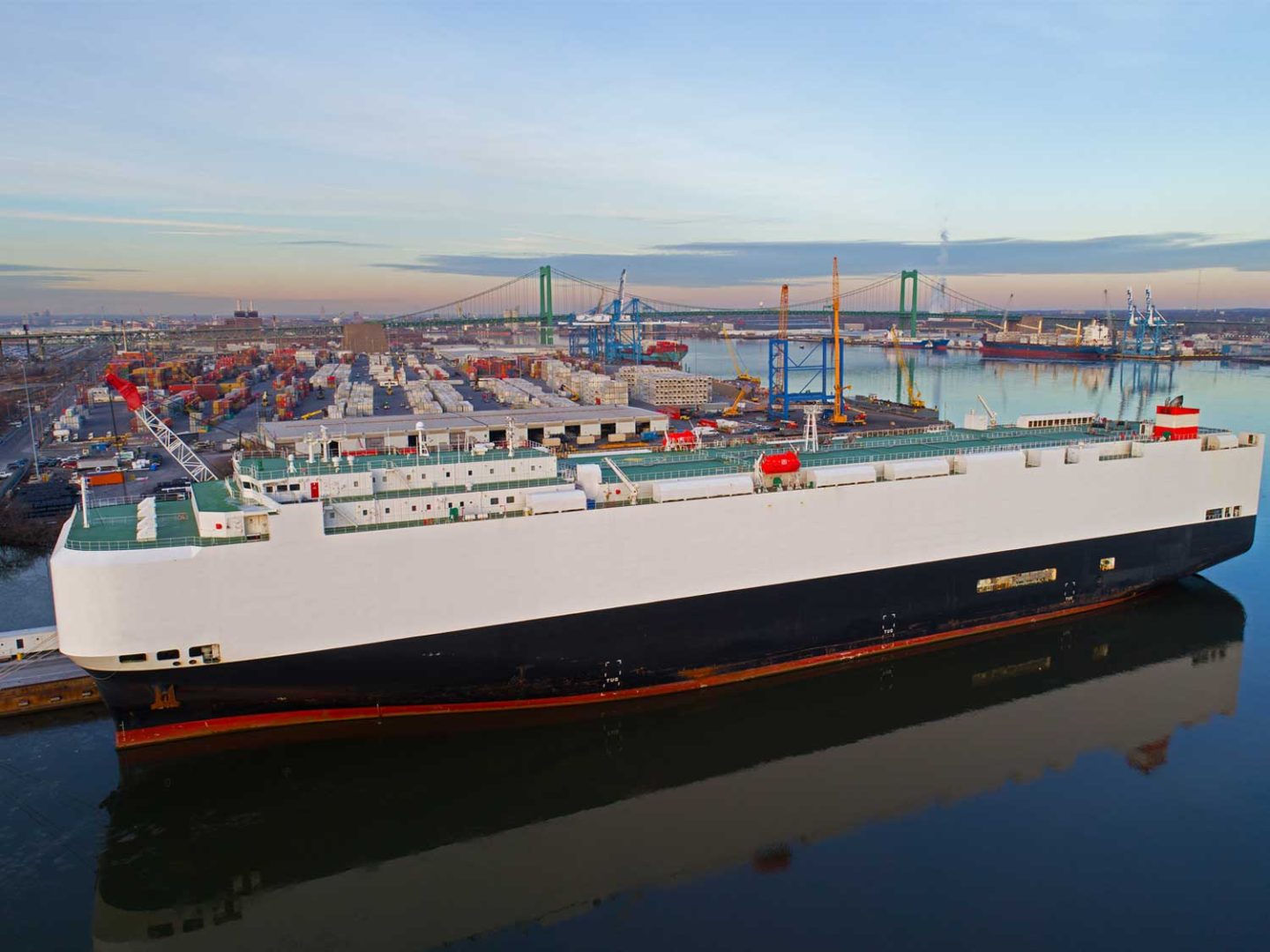
The U.S. Trade Representative (USTR) has confirmed it will introduce new fees on foreign-built roll-on/roll-off (RoRo) car carriers calling at U.S. ports from October 14, 2025, as part of a broader push to counter China’s maritime influence.

The initial fee of $150 per Car Equivalent Unit (CEU) is designed to incentivise shipping lines to invest in U.S. built vessels. A temporary remission is offered to companies that order and take delivery of a U.S. built car carrier of equal or greater capacity within three years. They can avoid the charges during that period.

However, recent USTR updates suggest the fee may shift to a $14 per net ton charge to simplify administration and reduce the risk of fee evasion. The final decision is pending following public consultations.

Impacts on RoRo Operators and Automotive Logistics
Major global vehicle carriers operating between Europe, Asia, and the U.S. are warning of significant cost increases, potentially reaching hundreds of millions of dollars annually. 

A leading Nordic carrier estimates its annual liability could reach $300 million, based on 300–350 annual voyages to the U.S, while another major Norwegian operator projects $60–70 million per year in additional fees.

Major carriers impacted include Japanese operators “K” Line, Mitsui O.S.K. Lines, NYK Line, and South Korea’s Hyundai Glovis, all of whom have extensive U.S. vehicle import operations.

While some carriers plan to pass costs onto customers, there is growing concern that surcharges will ripple through supply chains, raising prices for manufacturers, dealers, and ultimately consumers.

There is also confusion over how mixed-use vessels, those carrying both cars and containers will be classified, with some operators calling for fees to be based on actual cargo moved, not total vessel capacity.

The risk of double charges on multi-port U.S. calls is further raising alarm, with some carriers warning they may be forced to reduce or withdraw U.S. services altogether if the fee regime is not clarified or adjusted.

The fees will not apply to U.S. government cargo or vessels operated directly for the government by agents or contractors.

Critics argue that the USTR’s blanket approach to all foreign-built RoRo vessels may create unintended market distortions, harming non-Chinese carriers, squeezing capacity, and undermining U.S. automotive supply chains, while doing little to curb China’s maritime ambitions.

Final regulations are expected before the end of the summer, and the industry is watching closely.

Stay ahead of global logistics shifts, with Metro’s technology and expertise helping you overcome change. Drive automotive supply chain performance with Metro’s specialised logistics solutions. From finished-vehicle transport to after-sales support, we deliver precision, resilience, and cost efficiency across global automotive supply chains. EMAIL Managing Director, Andy Smith, to learn more

PCTC 1440x1080 1

UK Carmakers Challenged While China’s Ro/Ro Fleet Eye Europe

Britain’s automotive industry is facing a historic low, as UK vehicle production in May 2025 fell to its weakest level since 1949. Yet while UK manufacturers scale back, Chinese Ro/Ro operators are expanding aggressively, driven by rising vehicle exports and a strategic push into Europe’s automotive supply chain.

According to the Society of Motor Manufacturers and Traders (SMMT), May output plummeted by 33%, marking the fifth consecutive monthly drop and the worst May performance outside the pandemic in 75 years.

Passenger car production fell by 31% due to factory retooling, restructuring efforts, and export pressures, particularly the additional 25% US tariffs on British-built cars. Commercial vehicle output was hit even harder, down 54%.

Exports also declined sharply, with overall car exports down 28% in May, with sales to the US down more than 55% and EU shipments falling by 22.5%. The US now accounts for just 11.3% of UK car exports, compared to 18.2% last year. Commercial vehicle exports slumped by over 70%, dragging total export share down to 41%, from nearly 68% last year.

While trade deals with the US, EU, and India offer a glimmer of recovery, and the UK government’s new Industrial Strategy has been cautiously welcomed, competitiveness remains constrained by high energy costs and limited global market access.

Chinese Ro/Ro Fleet Target Europe
In sharp contrast, China’s automotive and maritime sectors are expanding in tandem and targeting Europe for growth. Chinese car exports hit 6 million units last year and have already grown by another 6% in 2025. 

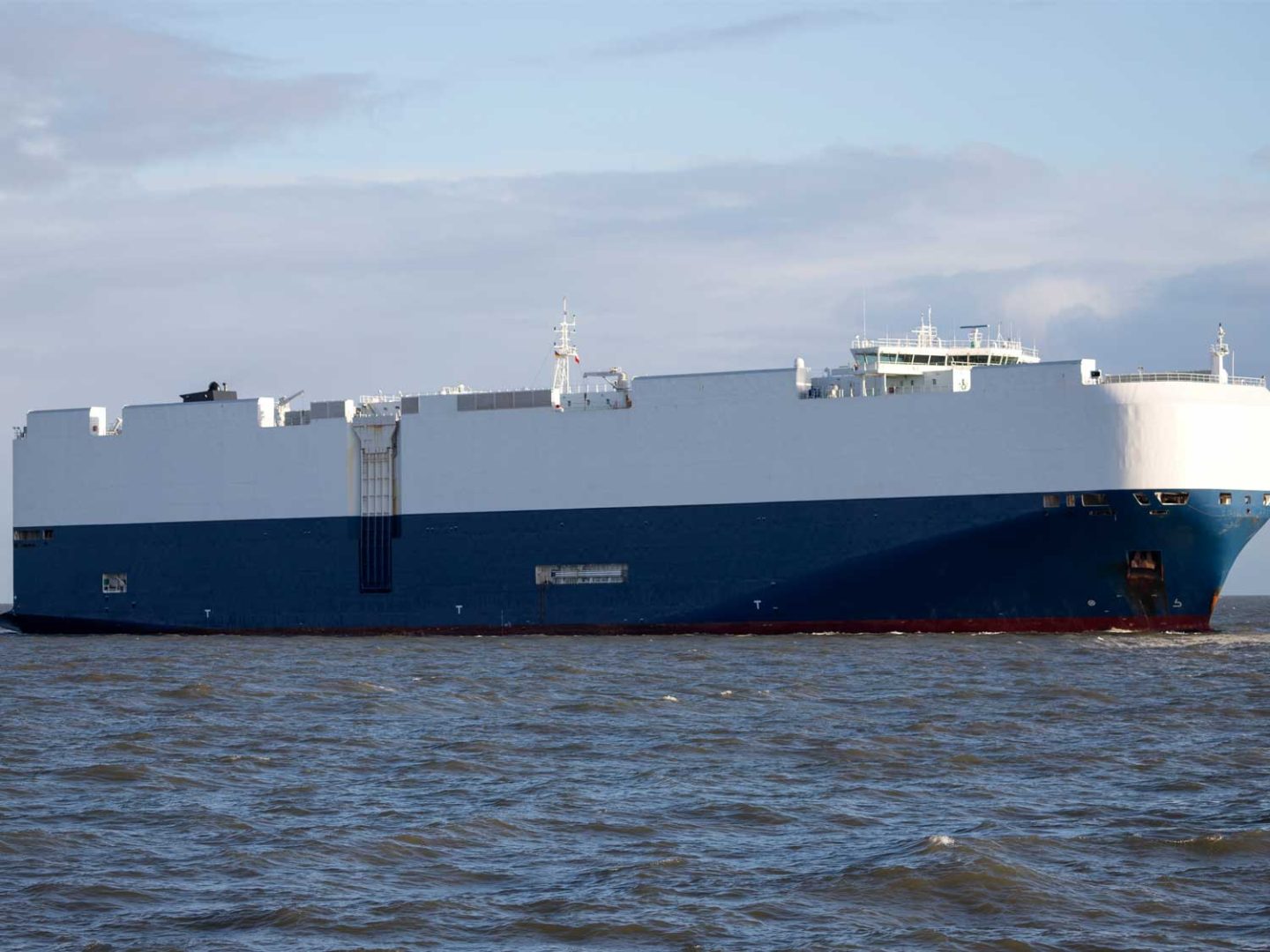
Backed by this momentum, Chinese logistics and manufacturing giants, including BYD, Geely and Cosco are deploying a wave of new pure car and truck carriers (PCTCs) to challenge global Ro/Ro shipping. China’s top operators already operate over 330,000 CEUs of deep-sea capacity, with more than 160 additional car carriers on order for delivery by 2028.

The strategy is clear: support Chinese auto exports, then aggressively seek return cargo from the UK, Europe and the US. Some of the largest PCTCs in the world, like BYD’s 9,200-CEU vessels, are already sailing, with their maiden voyages underway.

Unlike traditional operators, which serve a broad customer base and global networks, the Chinese model is focused and fast. With fewer port calls and less dwell time, these vessels will achieve higher utilisation and faster turnarounds, giving them a cost and scheduling advantage.

However, Chinese carriers currently lack established backhaul cargo volumes. To fill empty capacity on westbound legs, the expectations is that they will cut freight rates, potentially sparking a rate war in the PCTC market. While this may benefit cargo owners in the short term, it raises serious concerns about rate dumping and market distortion.

For automotive exporters already grappling with global competitiveness, rising Chinese presence in vehicle manufacturing and Ro/Ro shipping could further disrupt market balance, especially if European importers pivot toward Chinese brands supported by their own integrated logistics infrastructure.

Metro understands the complexities of global automotive supply chains and the growing pressures facing UK manufacturers. Our multimodal freight services, OEM experience and tailored Ro/Ro solutions help keep your production lines supplied and your finished vehicles moving to market—despite rising competition.

EMAIL our managing director Andrew Smith.

customer survey 1440x1080 1

Survey Highlights Why Supply Chains Must Evolve or Fall Behind

Global businesses must prepare for a fundamental overhaul of their supply chains, as the cumulative impact of geopolitical tension, climate volatility, cost inflation and sourcing risk reshapes the logistics landscape.

According to a recent survey by the Boston Consulting Group (BCG), 87% of leading global companies are planning to restructure their global supply chains. Over half have already suffered serious procurement cost increases, with more than one in five citing disruption from climate-related events such as wildfires and flooding. 

In addition to economic uncertainty and climate-related disruption, businesses are contending with fractured supplier networks, unstable trade relationships, and growing geopolitical risk. Ongoing conflict in Europe, heightened tensions between global powers, and renewed unrest in the Middle East are all adding urgency. 

The Challenges BCG Identified:

  • 57% of firms have suffered supply shortages
  • 55% are being hit hard by procurement cost inflation
  • 33% see energy prices as a major threat
  • 23% have experienced disruption from climate events
  • 20% cite global geopolitical tensions as a business risk

Fragmented supplier networks and over-reliance on vulnerable sourcing channels are being exposed, yet fewer than half of companies are using digital tools to spot weaknesses or manage risk proactively. While many are now diversifying suppliers, near-shoring and conducting more frequent evaluations, most remain trapped in reactive decision-making.

Although 40% of businesses now carry out regular supplier assessments and 36% have adopted dual or multi-sourcing strategies, the majority still operate reactively. Only 45% are using digital tools to anticipate and address supply chain vulnerabilities before they escalate. The result is a growing gap between firms that can adapt, and those that can only respond.

From Restructuring to Resilience
The shift is clear: supply chains need to be more agile, digitally enabled, and less geographically dependent. But this transformation doesn’t happen through strategy alone. It requires digital processes, and partners built to handle change.

That’s where Metro’s supply chain control platform, MVT, provides a distinct advantage. Developed to unify procurement, freight, fulfilment and inventory management, MVT transforms fragmented operations into a connected, insight-driven system—giving businesses the visibility and control needed to stay ahead of disruption.

Whether you’re managing multi-country supplier networks, tracking shipment milestones in real time, or integrating with your ERP and sales platforms, MVT enables data-backed decisions at every stage. It’s more than visibility—it’s the backbone for scalable, resilient logistics.

With Metro’s global reach, sector expertise, and fully integrated services across freight, customs, warehousing and fulfilment, we help customers re-engineer supply chains that are responsive, cost-efficient, and future-ready.

Unlock the power of connected logistics
Disruption may be constant—but with the right digital tools and operational model, your supply chain doesn’t have to be vulnerable.

EMAIL our managing director, Andrew Smith, to learn how MVT can give you total control of your supply chain.