strike-signs

US East Coast dockworker strike: Temporary resolution but risks remain for January

While a tentative agreement between the International Longshoremen’s Association (ILA) and the United States Maritime Alliance (USMX) has paused the strike, a final resolution must be reached in January 2025, or further disruption could occur.

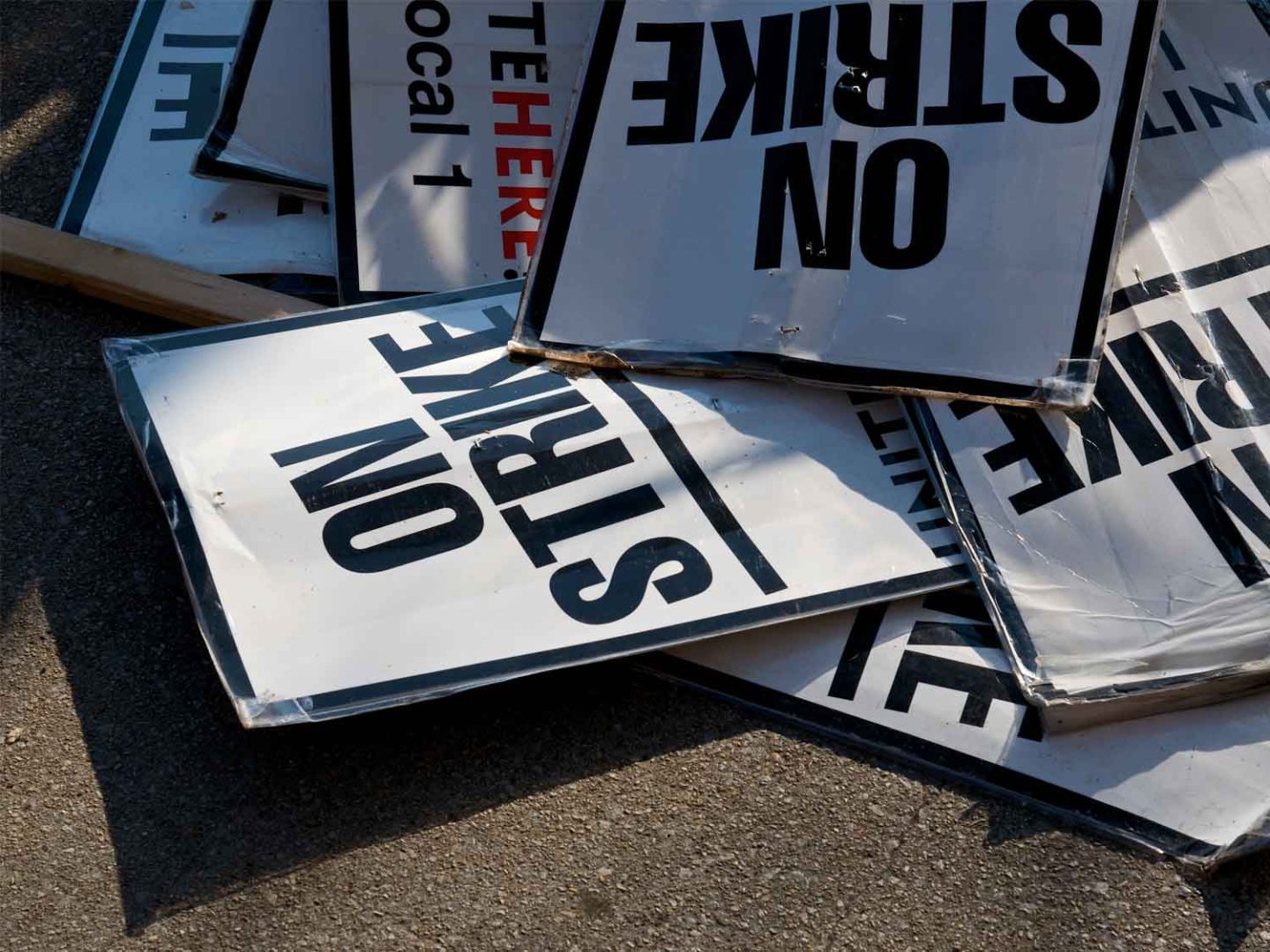
The recent US East and Gulf Coast dockworker strike, which began on 1st October 2024 and lasted three days, caused significant disruptions across 36 key ports, including New York, Savannah, and Houston.

During the strike, over 50 vessels were anchored offshore, impacting approximately 1.4% of the global container shipping fleet. Carriers including CMA CGM, ONE, and APL declared force majeure, leading to potential rerouting, delays, and added costs for shippers. This has highlighted the importance of securing comprehensive marine insurance to mitigate risks such as unexpected storage costs, rerouting, and delays.

Though some cargo was rerouted to alternative ports in Canada and Mexico, these measures provided limited relief due to limited capacity and congestion at those facilities.

With another 100 vessels en-route the length of time required to clear the backlog remains uncertain, and the resulting congestion could persist well into Q4. Additionally, carrier surcharges are expected to remain in place on all cargo to and from the US, further increasing costs for shippers.

If the ILA and USMX fail to reach a final agreement by January, the resumption of the strike could lead to significant global supply chain disruptions. Nearly 50 vessels were affected during the initial strike, and this number could rise, with an estimated 2.22 million TEU of cargo capacity tied up by the end of the month if no resolution is found

To discuss the current situation and how Metro can protect your supply chain, please EMAILAndrew Smith, Chief Commercial Officer.
Supply chains brace for more disruption as storm season intensifies

Supply chains brace for more disruption as storm season intensifies

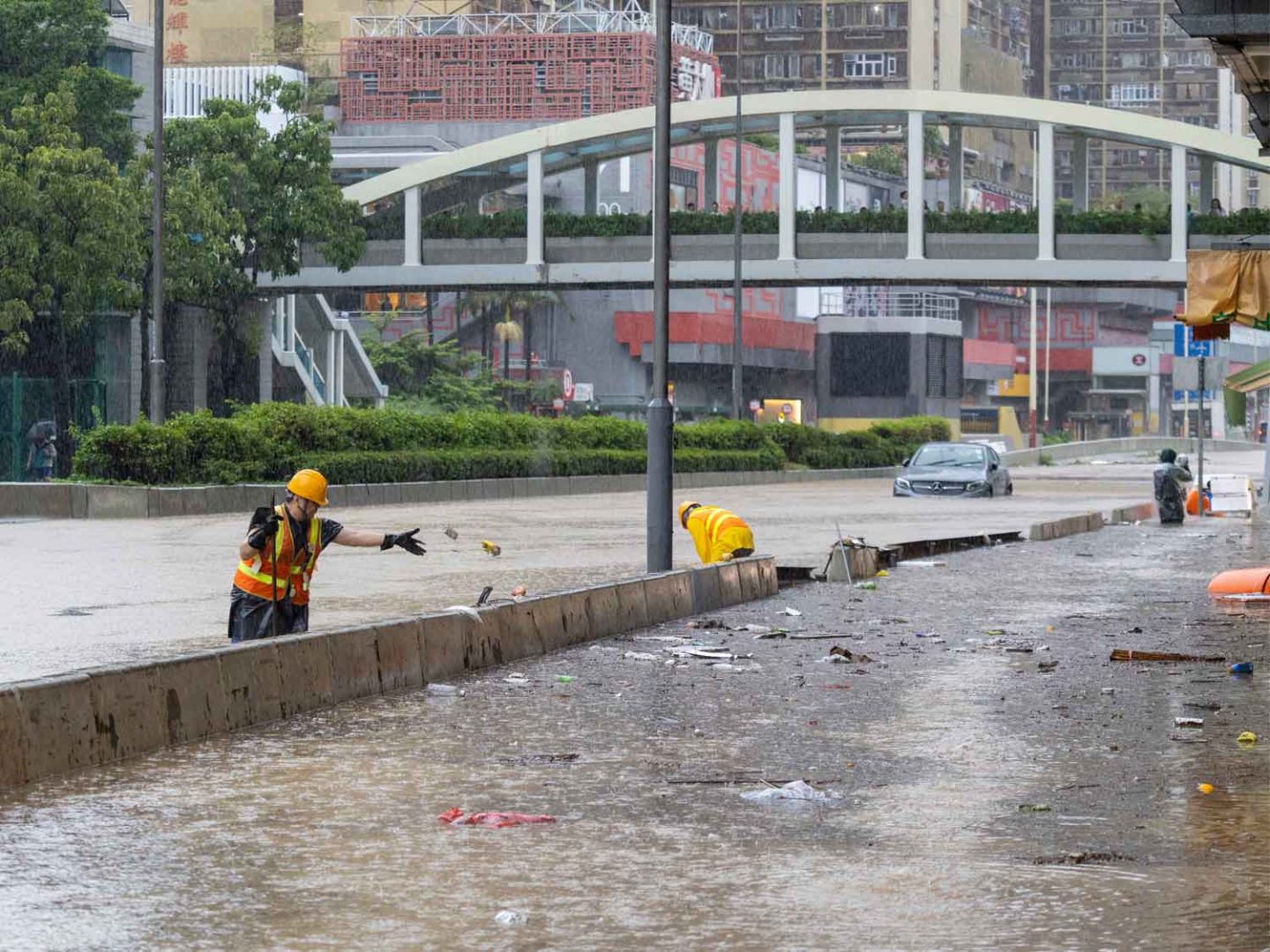
From wildfires and floods to scorching heatwaves, the consequences of climate change are becoming more pronounced, and as we enter the peak shipping season, businesses are scrambling to prepare for what is predicted to be one of the most disruptive storm seasons in recent memory.

So far in 2024 supply chain disruptions caused by extreme weather are estimated to have cost companies billions of pounds, and the storm season is far from over. Hurricanes, wildfires, and floods have already stretched global supply lines thin, and the arrival of storms like Typhoon Bebinca, which threatened Shanghai this week, adds a fresh layer of concern.

Increased visibility allows managers to pinpoint disruptions and adjust supply chains accordingly, and the key to weathering these events lies in preparation. Shippers are diversifying their carrier bases and building inventory buffers to keep goods moving in the face of challenges. Strategic planning, such as maintaining safety stock for high-demand items, has become essential in managing supply chain risks.

The heightened storm season comes as companies are already reeling from the effects of wildfires in California and Australia, as well as floods that have caused widespread damage to transportation networks in Asia.

While technology and data-driven insights have made supply chains more resilient, this year’s relentless barrage of natural disasters is proving particularly difficult to navigate. While technology can help predict and respond to the impact of storms, it is only effective when paired with clear communication and regular updates on shipments.

The threat posed by Typhoon Bebinca is yet another reminder of the supply chain vulnerabilities that remain, with Shanghai closing ports, cancelling, and halting transportation links to ensure safety. With more storms likely in the coming months, companies must remain agile and vigilant, ready to adapt to further disruptions.

The need for resilience and adaptability is more pressing than ever, as companies navigate the challenges ahead. This season may prove to be one of the toughest in recent memory, but for those prepared, there are still opportunities to maintain operational continuity in the face of adversity.

Extreme weather events consistently highlight the vulnerability of supply chains and the importance of robust contingency plans and marine insurance to protect against risk.

We have been maintaining supply chain resilience in the face of unforeseen challenges for decades. To learn how we can develop and support your supply chain resilience EMAIL our Chief Commercial Officer, Andy Smith.

Container ship fires trigger operational and financial risks

Container ship fires trigger operational and financial risks

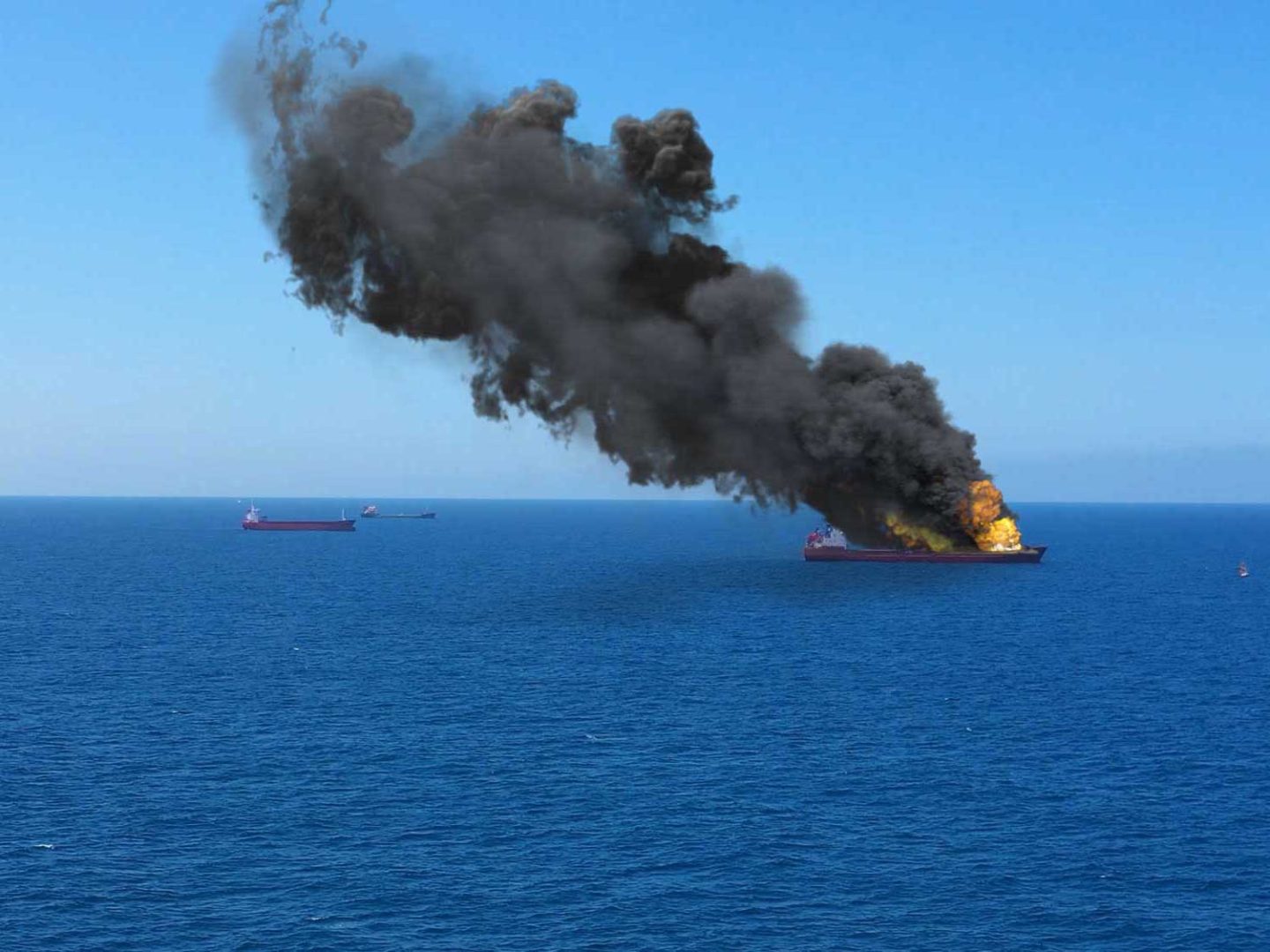
The temporary closure of the Beilun Phase III Terminal at Ningbo (one of the world’s busiest container ports) following an explosion on the YM Mobility on the 9th of August, is yet another example of the fragility of global supply chains and the inevitable ripple effects such events have on shipping operations.

Even though operations resumed on the 12th of August, the brief interruption is expected to exacerbate existing congestion at major Asian ports, leading to delays and highlights the vulnerability of global trade to sudden disruptions.

Shipping schedules are likely to deteriorate further, which will directly impact the timely delivery of goods, which could lead to cascading effects across industries, particularly those with narrow sales windows, or reliant on just-in-time delivery.

While there will always be options to mitigate these delays, such as rerouting through less congested ports, the full impact of incidents like the YM Mobility fire only become apparent in the ensuing weeks. And while it’s possible to protect the business from supply chain shocks, having comprehensive marine insurance to protect the businesses from financial shocks is equally critical.

The Ningbo fire is not an isolated incident. Just two days later, on the 11th of August, another fire broke out aboard the MSC Capetown III at Sri Lanka’s Port of Colombo. This fire, which began in the under-deck cargo space, escalated to an explosion.

Despite the successful containment of the fire, the incident once again brought attention to the recurring issues of mis-declared cargo and inadequate insurance coverage.

Fires aboard container ships are not uncommon, with recent events involving the Maersk Frankfurt (in July) and YM Mobility further emphasising the need for shippers to ensure their goods are adequately protected. Mis-declaration of cargo remains a significant problem, putting both the vessel and other cargo at risk.

One critical aspect that many shippers overlook is the principle of General Average (GA). In the event of an emergency where costs are incurred to protect the vessel and complete the voyage, all cargo owners are expected to contribute to these expenses. However, without proper marine insurance, shippers may find themselves liable for significant costs, even if their own cargo was not directly damaged.

Shippers must recognise that relying solely on the limited coverage offered by freight forwarders or carriers is insufficient. Comprehensive marine insurance, such as Metro’s All Risks cover, offers essential protection against total loss, damage, and GA declarations, safeguarding businesses from potentially catastrophic financial losses.

In conclusion, the recent fires at ports like Ningbo and Colombo serve as a critical reminder of the vulnerabilities within the global supply chain. Businesses need to be prepared for disruptions and protect their financial interests with adequate marine insurance, ensuring that they can weather the inevitable storms that arise in global shipping.

When General Average is called, the consignee will need to provide security for the cargo’s proportion of the General Average, typically a percentage-based deposit, or an Underwriter’s Guarantee.

Metro’s All Risk marine insurance covers the full value of your goods and protects you against all loss of cargo and the risk of General Average, including your Underwriter’s Guarantee.

For further information on our marine insurance cover and to ensure that you have full liability, please EMAIL Laurence Burford, Chief Financial Officer.

Metro trailer tear

Rising lorry thefts prompt calls for government action

The Road Haulage Association (RHA) has urged the government to establish a specific offence for freight crime and to develop more secure truck stops. This call comes in response to organised crime gangs (OCGs) increasingly targeting cargo, with over £1 million worth of goods stolen in a single incident this year.

Funded by the logistics industry, the National Vehicle Crime Intelligence Service (NaVCIS) collaborates with police forces across England and Wales to tackle regional lorry theft issues. An officer from NaVCIS described the situation to the BBC as “serious and organised crime,” explaining that these gangs have a deep understanding of supply chains, surveillance, and policing. They use underground networks to handle large quantities of stolen cargo for substantial sums of money.

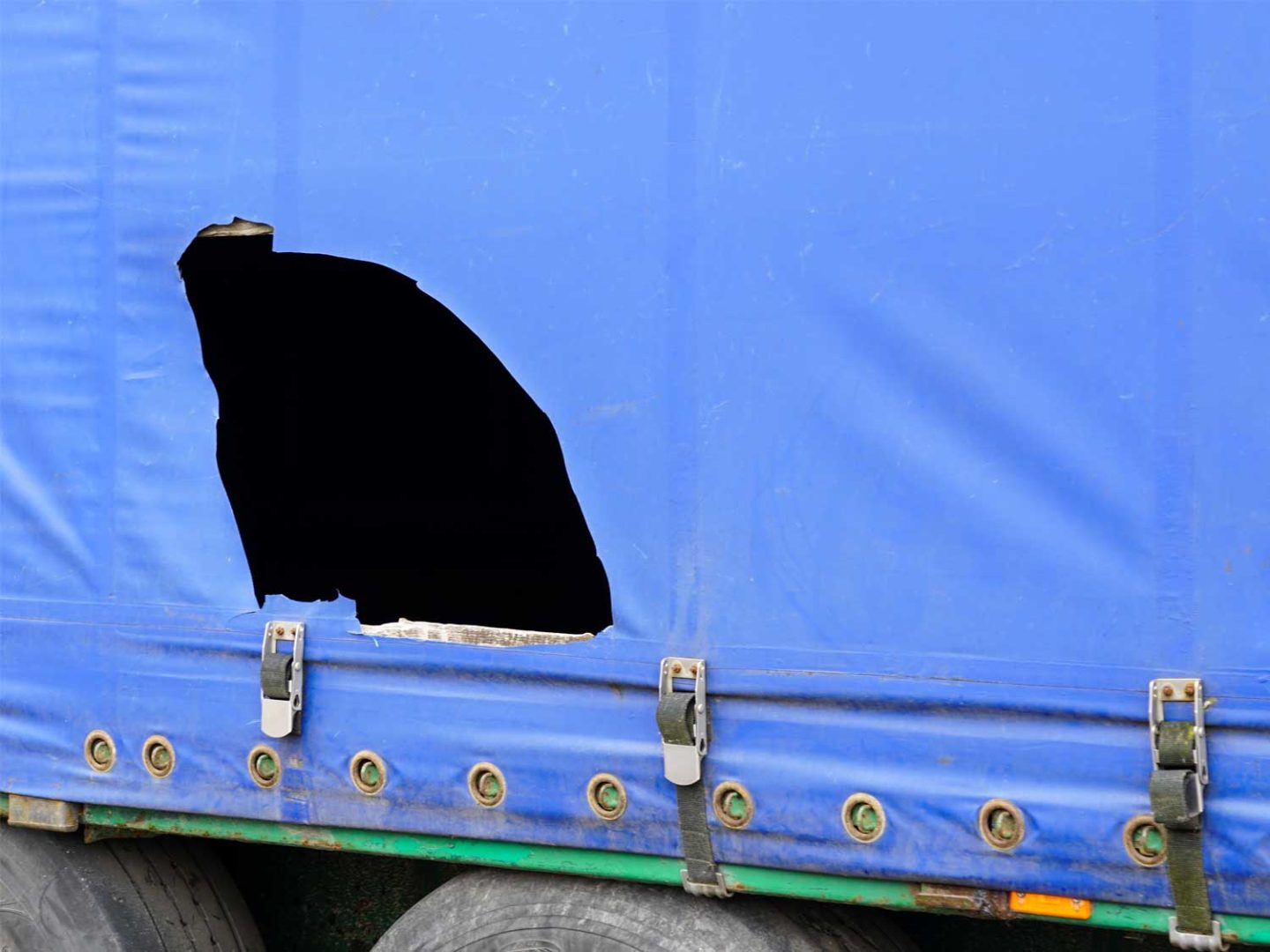
OCGs often target motorway service stations and truck stops on major routes and their methods include slashing curtains or using bolt cutters on trailer doors until they find valuable loads. Popular items targeted include alcohol, tobacco, electronics, and clothing, which are then sold online, in wholesalers, backstreet cash-and-carries, car boot sales, and markets.

While precise figures for lorry thefts in the UK are unavailable, NaVCIS reported over 5,000 incidents in 2023, equating to about 14 thefts per day and nearly £70 million in losses. Industry experts believe the real figure could be up to seven times higher. Even unsuccessful theft attempts are costly, with each curtain tear repair costing around £100, ultimately driving up consumer prices as these costs ripple through the supply chain.

The need for secure truck stops
NaVCIS, RHA, hauliers, and drivers all emphasise the need for more secure truck stops and upgrading existing sites’ security measures. Only ten sites have received the Park Mark Freight accreditation, launched by the British Parking Association (BPA) in 2022, which requires extensive security measures such as secure perimeters, CCTV, and on-site security staff.

Despite assessing nearly 50 sites, the BPA has only accredited ten truck stops, claiming these sites experience “zero to little crime”, while the low number of accredited sites is reflective of the generally poor standards of truck stops.

In March, the government announced a joint investment of £16.5 million to provide lorry drivers with more parking spaces, better welfare facilities, and safer rest areas. This investment aims to enhance security and reduce the risk of cargo theft.

Our approach to reducing cargo theft
To mitigate the risk of cargo theft during transit, we operate our own fleet of vehicles, deploy two or three-man crews, and use box trailers. Our drivers are trained to:

– Leave vehicles unattended as little as possible
– Choose well-lit, guarded parking areas
– Inspect vehicles and loads after each stop
– Report any deviations from the route or delivery address
– Avoid discussing the route, destination, or load
– Not pick up hitchhikers

We prioritise the safety of your cargo with secure parking areas and advanced trackers for high-value shipments. However, all types of cargo can be targeted by criminals, and standard carrier liability often falls short of covering actual losses.

Protect your investment with our comprehensive All Risk insurance. Metro partners with leading providers to offer All Risk marine insurance, ensuring your cargo is safeguarded throughout transportation and storage, available per-shipment or annually.

For more information on our marine insurance and how to protect your cargo, EMAIL Laurence Burford, CFO at our Birmingham HQ.