Suez map

Container shipping braces for volatility as Red Sea routes beckon

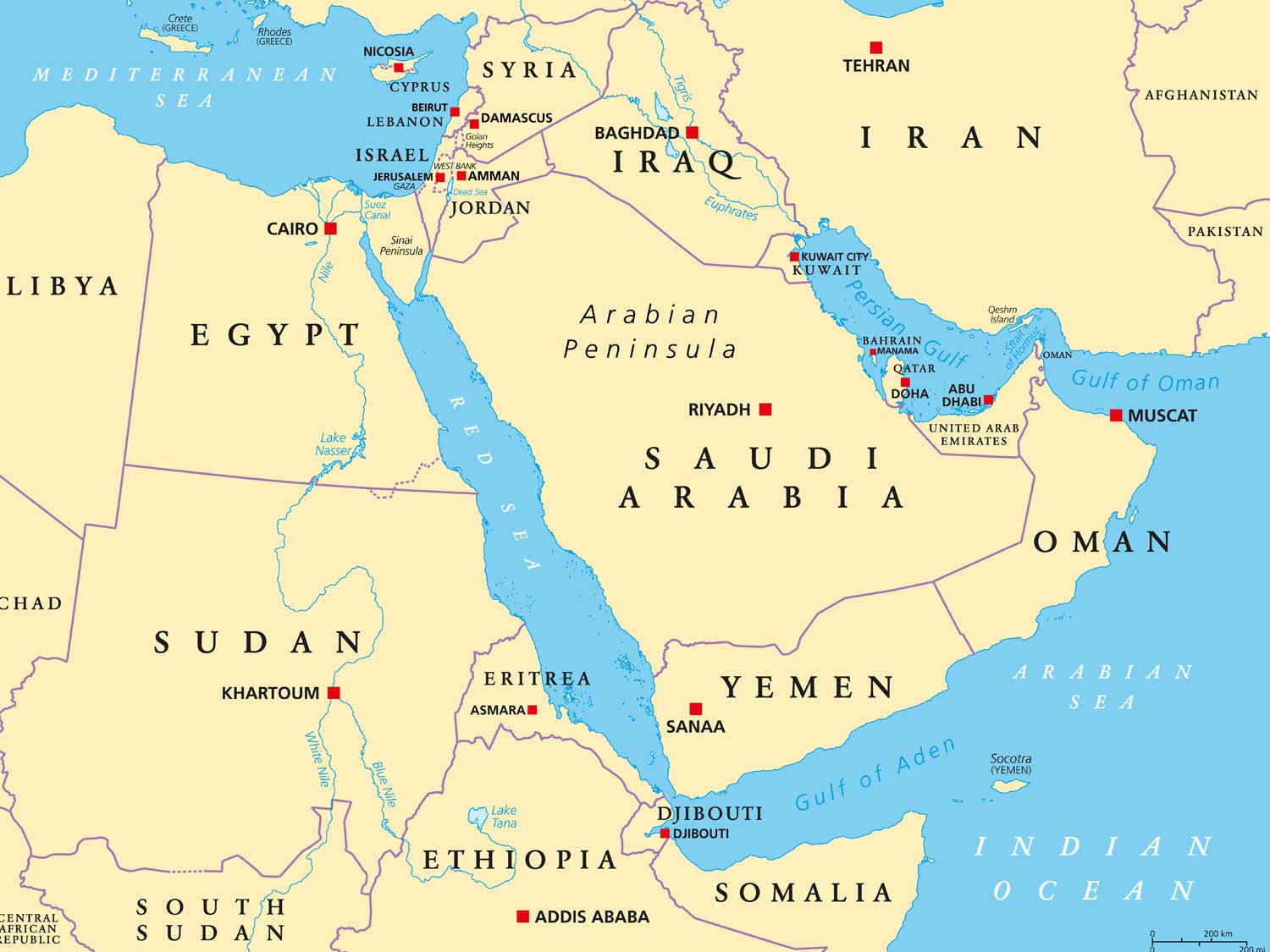
For over a year attacks on merchant vessels by Houthi militants has forced container carriers to reroute around the Cape of Good Hope. However, a newly established ceasefire and assurances from Houthi forces to limit attacks on non-Israeli vessels signal the possibility of a return to the Suez Canal route.

The ceasefire in Gaza and Houthi pledges to cease attacks on most vessels offer cautious optimism for carriers, who have stated that they will only return to Red Sea transits “when it is safe to do so”.

The assurance that ships will not be targeted, alongside a reduction in hostility towards vessels calling at Israeli ports, should pave the way for safer Red Sea transits.

However, the situation remains fragile. The Houthis have reserved the right to resume attacks should aggression occur in Yemen, and their targeting of Israeli-flagged or wholly Israeli-owned vessels persists. Furthermore, full implementation of the ceasefire agreement’s later stages is crucial for long-term stability.

Capacity oversupply threatens
While the reopening of the Red Sea route presents an opportunity to streamline shipping operations, it also introduces significant challenges.

Currently, close to 100% of container vessels avoid the Suez Canal, diverting around Africa and effectively removing over 12% of fleet capacity. This artificial tightening of capacity has driven freight rates to significantly higher levels in 2024, with spot rates more than tripling on some trades.

The return to shorter voyages through the Suez Canal will flood the market with capacity, dramatically altering the supply-demand balance. Analysts predict carriers will struggle to absorb the 1.8m TEU excess, with scrapping and slow steaming unlikely to offset the impact.

Operational challenges
Resuming Red Sea transits will also bring logistical hurdles. Carriers face the complex task of realigning schedules disrupted by the year-long diversions. Ships arriving earlier or later than expected at ports could lead to congestion and delays, adding to the strain on global supply chains.

Port congestion, particularly in Europe, is a key concern. A surge in vessel arrivals could overwhelm infrastructure, causing temporary backlogs that disrupt the smooth flow of goods. The shipping industry must also contend with record deliveries of new vessels, further compounding capacity issues.

While the reopening of the Red Sea route offers opportunities to reduce transit times and operational costs, the transition is unlikely to be smooth. The combination of excess capacity, volatile freight rates, and logistical challenges will create uncertainty in the short term.

With geopolitical risks casting uncertainty over the industry, building resilient supply chains, securing comprehensive cargo insurance, and managing budgets effectively will be essential for navigating the 2025 sea freight landscape.

In this volatile market, our marine insurance cover and fixed-rate agreements on key shipping routes help minimise risk and provide budgetary stability.

To discover how Metro’s insurance solutions and fixed-rate options can support your business in 2025, please EMAIL Managing Director Andy Smith.

HKG crossing 1440x1080 1

Strengthening Global Network to Address Supply Chain Challenges

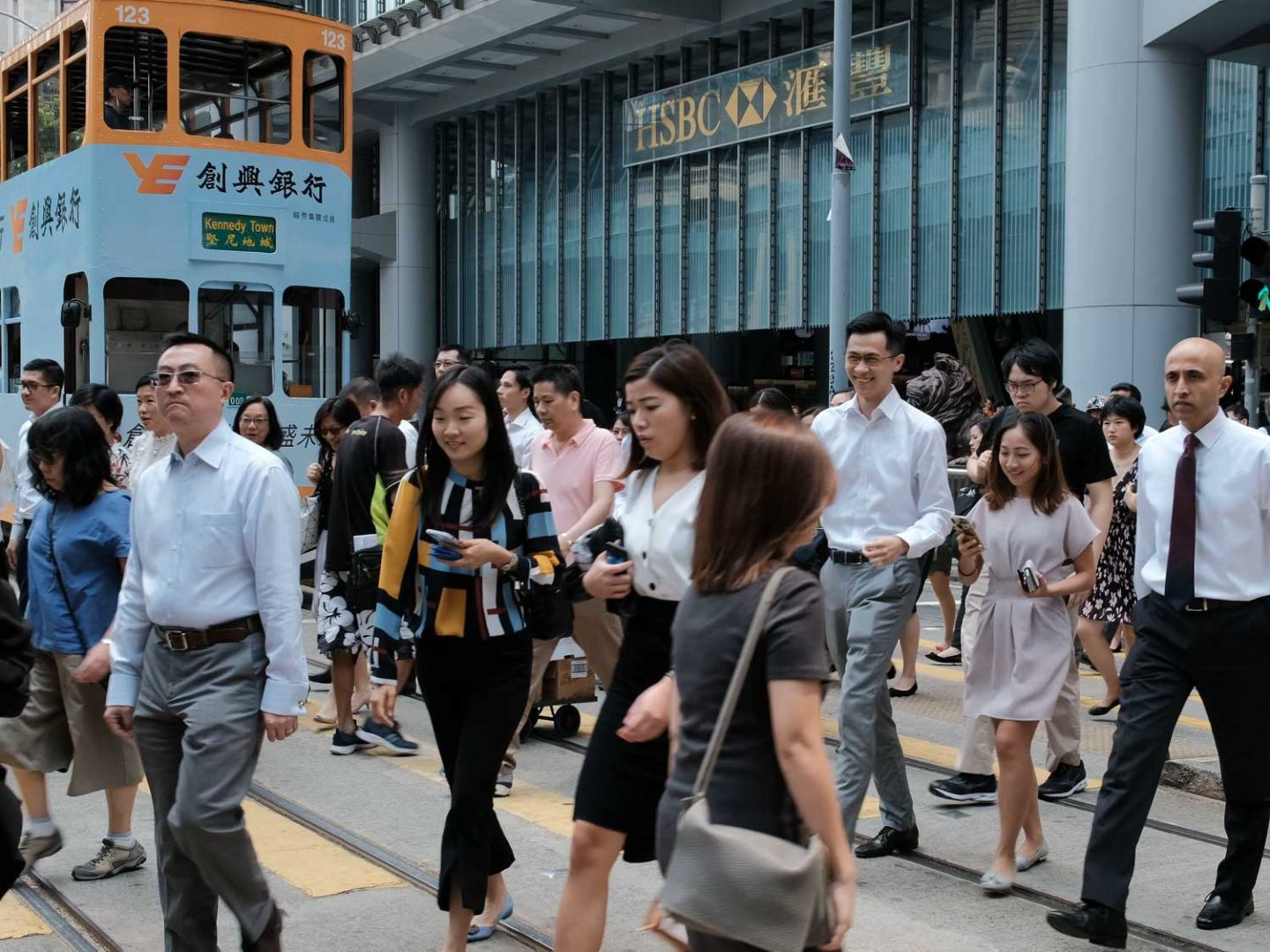
Metro’s strategic partner network is central to delivering market-leading logistics services, especially as global supply chains face ongoing challenges. With the appointment of Peter Orange as head of global network development, Metro is deepening its commitment to building robust partnerships worldwide, enhancing collaboration, and strengthening its network’s resilience to meet customer needs.

Highlighting the significance of Metro’s partner network, managing director Grant Liddell and chief commercial officer Andy Smith recently completed a ten-day trip across Asia. During the visit, they met with key partners, carriers, and customers to strengthen relationships and gain valuable insights into regional market dynamics.

This focus on building connections comes at a time when supply chains are under persistent pressure, making agile, strategic partnerships essential to delivering reliable service.

Peter Orange’s new role: Deepening global partnerships
With over three decades of experience spanning airlines and logistics firms across diverse regions—including Australia, Singapore, UAE, and the UK—Peter Orange brings a global perspective to his role as head of global network development. His mandate is clear: to enhance Metro’s engagement with existing partners and explore potential new alliances, particularly those that bring specialised expertise in verticals like automotive and high-tech.

Peter’s appointment reflects Metro’s commitment to fostering like-minded partnerships that prioritise value, service reliability, compliance, and transparent communication. As part of this role, Peter is reviewing existing partner relationships, assessing shared business strategies, and aligning efforts across transport modes—whether air, ocean, or combinations—to ensure Metro’s global partnerships are primed to adapt to dynamic market demands. He is also leading a continuous evaluation process with core partners, holding regular reviews to assess market opportunities and align on growth objectives.

Building on this foundation, Metro plans to expand Peter’s team with route development managers who will focus on key regions, including Asia Pacific and EMEA, alongside the current emphasis on North America. This team will work closely with Metro’s partners to drive sales, share market intelligence, and set clear growth targets, reinforcing Metro’s strategy of data-informed and relationship-driven expansion.

Insights from Metro’s Asia trip
In September, Grant Liddell and Andy Smith travelled to Singapore, Shanghai, and Hong Kong to meet with Metro’s Asian partners, customers, and major carriers. The trip provided valuable insights into the region’s logistics landscape, particularly with regard to the effects of eCommerce growth on airfreight demand and the impact of ocean capacity adjustments driven by regional geopolitical issues.

A notable takeaway from their discussions was the continued strength of eCommerce in driving airfreight demand, particularly on routes from Asia to Europe and North America. This trend is keeping rates elevated and creating heightened capacity needs. In ocean freight, major trade routes are seeing increased rates due to strong demand and capacity constraints, with factors like the Red Sea diversions further tightening supply. The expectation is that these pressures will persist into Q4, reinforcing the need for strong partnerships and agile strategies.

Metro’s commitment to building a resilient partner network ensures that customers benefit from agile, robust global supply chains, capable of adapting to shifts in demand and overcoming potential disruptions.

With Peter Orange leading this effort, alongside Metro’s strengthened ties in Asia, we’re dedicated to adding value and positioning our customers for success in today’s dynamic logistics landscape.

To explore how Metro’s partnerships can support your business needs, please EMAIL Peter Orange for more information.

Typhoon HKG 1440x1080 1

Supply chains brace for more disruption as storm season intensifies

From wildfires and floods to scorching heatwaves, the consequences of climate change are becoming more pronounced, and as we enter the peak shipping season, businesses are scrambling to prepare for what is predicted to be one of the most disruptive storm seasons in recent memory.

So far in 2024 supply chain disruptions caused by extreme weather are estimated to have cost companies billions of pounds, and the storm season is far from over. Hurricanes, wildfires, and floods have already stretched global supply lines thin, and the arrival of storms like Typhoon Bebinca, which threatened Shanghai this week, adds a fresh layer of concern.

Increased visibility allows managers to pinpoint disruptions and adjust supply chains accordingly, and the key to weathering these events lies in preparation. Shippers are diversifying their carrier bases and building inventory buffers to keep goods moving in the face of challenges. Strategic planning, such as maintaining safety stock for high-demand items, has become essential in managing supply chain risks.

The heightened storm season comes as companies are already reeling from the effects of wildfires in California and Australia, as well as floods that have caused widespread damage to transportation networks in Asia.

While technology and data-driven insights have made supply chains more resilient, this year’s relentless barrage of natural disasters is proving particularly difficult to navigate. While technology can help predict and respond to the impact of storms, it is only effective when paired with clear communication and regular updates on shipments.

The threat posed by Typhoon Bebinca is yet another reminder of the supply chain vulnerabilities that remain, with Shanghai closing ports, cancelling, and halting transportation links to ensure safety. With more storms likely in the coming months, companies must remain agile and vigilant, ready to adapt to further disruptions.

The need for resilience and adaptability is more pressing than ever, as companies navigate the challenges ahead. This season may prove to be one of the toughest in recent memory, but for those prepared, there are still opportunities to maintain operational continuity in the face of adversity.

Extreme weather events consistently highlight the vulnerability of supply chains and the importance of robust contingency plans and marine insurance to protect against risk.

We have been maintaining supply chain resilience in the face of unforeseen challenges for decades. To learn how we can develop and support your supply chain resilience EMAIL our Chief Commercial Officer, Andy Smith.

MSC and Maersk 1440x1080 1

New shipping alliances for 2025

With the dissolution of the 2M partnership between MSC and Maersk in February 2025, new partnerships and slot-sharing agreements are emerging, positioning shipping companies in a transformed global market.

One of the key developments is the formation of the Premier Alliance, which will replace THE Alliance. This new partnership brings together Ocean Network Express (ONE), HMM, and Yang Ming, with MSC also entering into a vessel-sharing agreement (VSA) with the group.

The Premier Alliance will focus on key East-West trade lanes, including Asia-Europe, Asia-North America, and Asia-Mediterranean routes. The agreement will offer customers more direct coverage and frequent sailings, with plans for six Asia-North Europe services, including five in cooperation with MSC.

Now the world’s largest container shipping company, MSC has moved quickly to capitalise on its scale. Following its departure from the 2M alliance with Maersk, MSC will operate largely independently while maintaining slot-sharing agreements with the Premier Alliance and Zim.

MSC will manage 34 loops across five major trade routes, covering Asia-North America, Asia-Europe, the Mediterranean, and the trans-Atlantic. It will offer customers direct port-to-port services, providing over 1,900 direct port pairings through the Suez Canal (when it is accessible) and more than 1,800 via the Cape of Good Hope.

The formation of the Gemini Cooperation, a new alliance between Maersk and Hapag-Lloyd, adds another layer of competition. Unlike MSC’s direct coverage approach, Gemini Cooperation will focus on a hub-and-spoke service network. This divergence in strategy highlights how alliances are tailoring their operations to meet the specific needs of global trade.

As these alliances come into play, the shipping landscape will continue to evolve. The Premier Alliance and MSC, with their extensive network of direct services, will provide enhanced port coverage and flexibility, while Gemini Cooperation’s hub-based model may appeal to shippers seeking more consolidated routes.

Together, these developments signal a reshaping of global shipping routes, aimed at increasing efficiency and meeting the growing demands of international trade. With direct access to over 80 ports and expanded service options, the new alliances are set to redefine global logistics for the years to come.

We will keep you advised and updated on important developments within the container ocean freight market as they materialise.

If you have any questions or concerns about the Premier Alliance agreement, or would like to discuss the wider implications of the shipping alliance changes, please EMAIL our Chief Commercial Officer, Andy Smith.