LHR terminal 5

Air freight markets under pressure as capacity struggles to recover

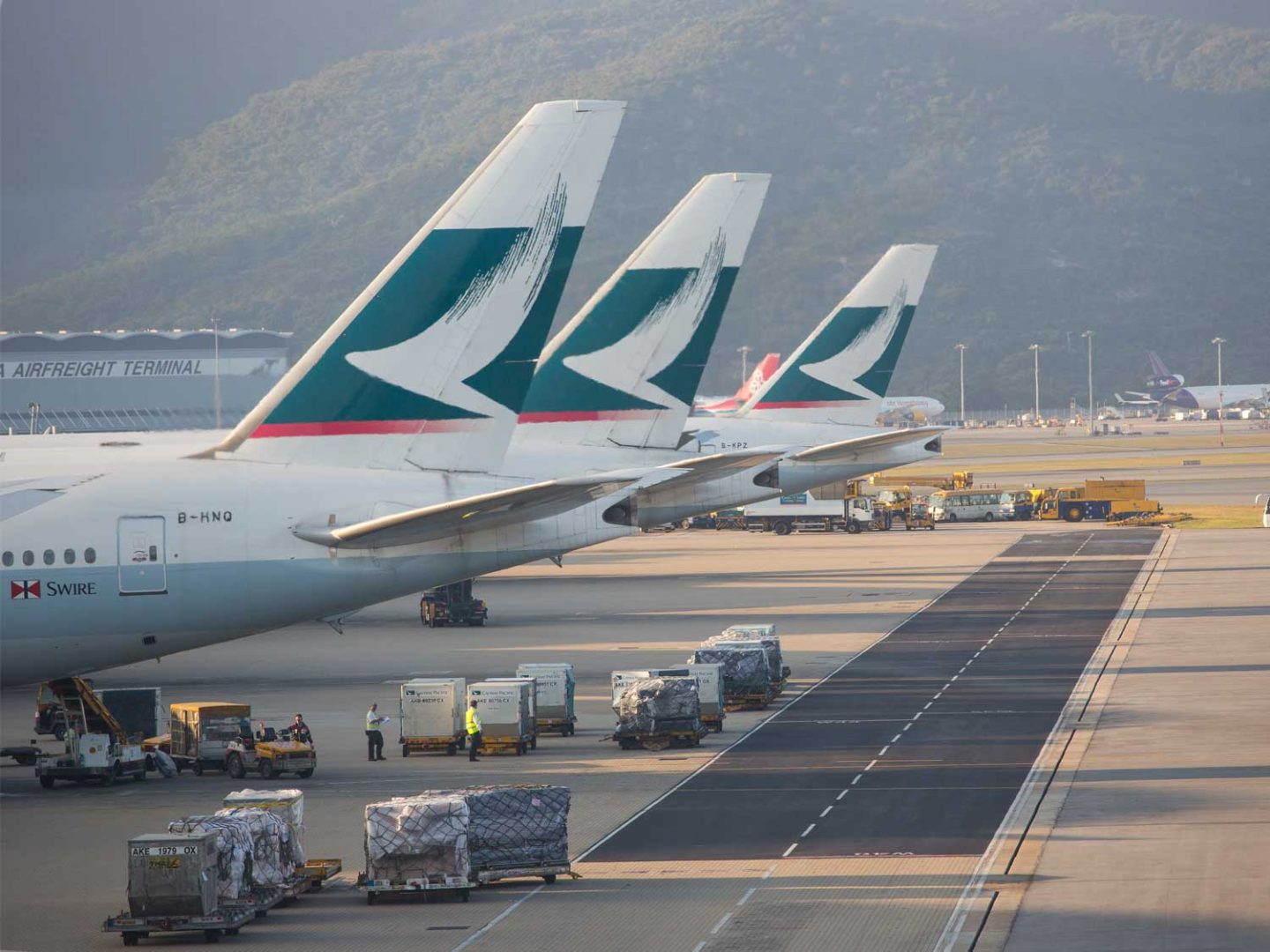
Global air freight markets continue to outperform expectations, but the balance between supply and demand remains fragile. 

What began as a short-term disruption following renewed conflict in the Middle East has evolved into a more structural capacity challenge, keeping rates elevated and limiting available space on key trade lanes.

Although airlines have adapted their networks and capacity is gradually returning, the market has yet to recover the capacity lost earlier this year. At the same time, resilient demand, particularly from the technology sector, continues to absorb available space, leaving shippers facing higher transport costs and reduced flexibility. 

Middle East disruption continues to shape the market

The collapse of the ceasefire between the United States and Iran has extended disruption across international air cargo networks well beyond initial expectations.

Several major international airlines have postponed the planned resumption of passenger and freighter services to the Gulf until at least late October, delaying the return of valuable belly-hold and freighter capacity that traditionally supports Asia-Europe cargo flows.

Before the conflict, around one-third of Asia-Europe air freight transited through Middle Eastern hubs. The loss of those services removed approximately 12% of global air cargo capacity almost overnight, forcing airlines to reroute shipments through alternative gateways and deploy additional direct freighter services wherever possible.

Despite these adjustments, capacity growth has lagged behind demand throughout 2026. Global air cargo demand increased by around 4% during the first half of the year, while available capacity expanded by only around 1%, creating the imbalance that continues to support elevated freight rates.

As a result, industry forecasts have changed significantly. Expectations that freight rates would fall during 2026 have been replaced by forecasts of annual increases up to 15%, reflecting the ongoing supply constraints affecting the market.

Demand remains resilient as market dynamics evolve

While geopolitical disruption has constrained capacity, changing demand patterns are also reshaping global air freight.

The rapid growth of artificial intelligence infrastructure is generating exceptional demand for semiconductor and data centre equipment, particularly on Transpacific services. Global semiconductor sales more than doubled year on year during the spring, creating sustained demand for premium air freight capacity.

Although AI-related shipments still represent a relatively small proportion of total air cargo volumes, they are highly concentrated on key trade lanes and typically require fast, reliable transport, placing additional pressure on available freighter capacity.

By contrast, the extraordinary growth in cross-border e-commerce that has supported air freight markets in recent years is beginning to moderate.

Changes to low-value import rules in both the United States and the European Union have reduced demand for some e-commerce shipments, with exports of low-value goods from China continuing to decline. While this has eased pressure on certain trade lanes, the reduction has been more than offset by continued strength in industrial manufacturing, technology exports and higher-value cargo.

Airlines continue to compete for scarce freighter capacity

The industry's ability to respond to changing demand remains constrained by a shortage of dedicated freighter aircraft.

Delays to new passenger aircraft deliveries continue to limit passenger-to-freighter conversion programmes, restricting the supply of additional cargo aircraft entering the market. As a result, airlines are increasingly competing not only for freight but also for access to aircraft.

Rather than expanding fleets rapidly, many operators are pursuing partnerships, aircraft acquisitions and strategic investments to secure long-term capacity. Others are repositioning aircraft between markets as demand changes, with freighter deployment shifting rapidly between Asia, Europe and the Americas in response to geopolitical events, humanitarian operations and changing trade flows.

This lack of spare capacity means the market remains particularly vulnerable to further disruption. Any significant geopolitical event, weather-related disruption or operational shock has the potential to tighten capacity quickly and place renewed upward pressure on rates.

Planning ahead remains the best strategy

Although capacity is expected to improve gradually during the second half of the year, market conditions remain unpredictable.

For shippers moving time-critical or high-value cargo, securing capacity early, maintaining flexible transport options and working closely with dependable logistics partners will remain essential. Businesses that rely on just-in-time supply chains or seasonal inventory should continue to allow additional planning time while airlines rebuild network resilience.

The market has demonstrated remarkable resilience throughout 2026, but it also highlights how quickly global air freight can be reshaped by geopolitical events, changing technology demand and structural capacity constraints.

Keeping your supply chain moving

When capacity is tight, reliability, experience, network strength and proactive planning make the difference.

Metro works with leading airlines and global carrier partners to secure stable air freight capacity across key international trade lanes. Our experienced teams provide tailored routing solutions, customs expertise and end-to-end shipment management, helping customers minimise disruption and keep critical cargo moving, even in challenging market conditions.

To discuss how Metro can strengthen your global air freight strategy and support your international supply chain, EMAIL Managing Director Andrew Smith today.

Trade handshake

UK trade deals open new opportunities

The UK's trade agenda continues to gather momentum, creating new opportunities for businesses trading internationally, while reshaping the way they access global markets. 

The most recent agreements with major trading partners across Asia-Pacific, the Gulf, North America and Europe have expanded market access, reduced tariffs and strengthened supply chain resilience.

For UK businesses, these agreements represent far more than diplomatic milestones. They offer practical commercial advantages, from lower export costs and simplified market access to stronger supply chains and improved regulatory cooperation. While some negotiations remain ongoing, the overall direction is clear: the UK is building an increasingly diverse portfolio of international trading relationships that extends well beyond traditional European markets. 

UK-EU relations continue to evolve

Although the planned UK-EU summit scheduled for July has been postponed following the change in UK political leadership, negotiations have continued behind the scenes.

Officials are progressing work on the mandatory five-year review of the Trade and Cooperation Agreement (TCA), alongside wider discussions aimed at improving the trading relationship.

Several areas could deliver tangible benefits for businesses. Negotiations on sanitary and phytosanitary (SPS) standards are intended to reduce border checks on food and agricultural exports, while discussions continue around linking UK and EU emissions trading systems, cooperation on electricity infrastructure and broader regulatory alignment.

While no major changes have yet been agreed, businesses trading with Europe should continue to monitor developments, as incremental improvements to customs procedures and border processes could reduce friction for many exporters over the coming months.

CPTPP becomes a reality for UK exporters

One of the most significant developments has been Mexico's ratification of the UK's accession to the Comprehensive and Progressive Agreement for Trans-Pacific Partnership (CPTPP) on 22 June 2026.

With Canada expected to complete implementation in September, UK businesses will soon benefit from preferential access across all twelve CPTPP member economies, creating one of the world's largest free trade areas spanning Asia-Pacific, North America and Latin America.

Collectively, CPTPP countries account for around 15% of global GDP and more than 500 million consumers. For exporters, the agreement opens new opportunities across manufacturing, consumer goods, food and drink, automotive, technology and professional services, while giving businesses greater flexibility to diversify international supply chains beyond traditional markets.

Gulf agreement strengthens access to a fast-growing region

May’s new Free Trade Agreement with the Gulf Cooperation Council (GCC) represents another important step in expanding Britain's global trading relationships.

Covering Bahrain, Kuwait, Oman, Qatar, Saudi Arabia and the United Arab Emirates, the agreement is expected to remove hundreds of millions of pounds in annual tariffs on British exports once fully implemented.

Products including food, beverages and consumer goods are expected to benefit from lower duties, while wider provisions covering digital trade, investment and business mobility should make it easier for UK companies to establish and grow commercial operations throughout the Gulf.

For businesses already trading with the Middle East, the agreement offers greater certainty at a time when the region continues to play an increasingly important role in global logistics and supply chains.

Switzerland opens new opportunities for UK exporters

The UK's latest agreement with Switzerland further expands opportunities for British exporters, particularly across agriculture and food production.

The new Free Trade Agreement removes or reduces tariffs on a wide range of British agricultural exports, including lamb, vegetables, dairy products, beef and sparkling wine, while also strengthening services trade between the two countries.

The agreement, which was finalised on 13 July is expected to increase bilateral trade by more than £7 billion annually, reinforcing Switzerland's importance as one of the UK's highest-value trading partners.

UK-US cooperation goes beyond tariffs

The UK and United States continue to strengthen their trading relationship through pharmaceutical supply chain agreement signed at the end of 2025.

The arrangement protects more than £5 billion of annual UK pharmaceutical exports from tariffs while creating closer cooperation on medicine availability, manufacturing resilience and regulatory alignment.

Beyond the life sciences sector, the agreement demonstrates a growing emphasis on supply chain resilience rather than simply reducing tariffs. Greater cooperation on trusted sourcing, manufacturing capacity and regulatory processes reflects the increasing importance governments are placing on securing critical supply chains in strategically important industries.

Turning opportunity into competitive advantage

Securing a trade agreement is only the first step. Real commercial success depends on understanding customs requirements, managing international logistics and building resilient supply chains capable of supporting long-term growth.

Metro helps businesses take full advantage of emerging global trade opportunities through integrated freight forwarding, customs expertise and end-to-end supply chain management. Whether you're looking at new sourcing options or expanding into Europe, North America, the Gulf or the Asia-Pacific region, our global network and local specialists help simplify international trade while reducing cost, risk and complexity.

To discover how Metro can help your business unlock new international trading opportunities, EMAIL Managing Director Andrew Smith today.

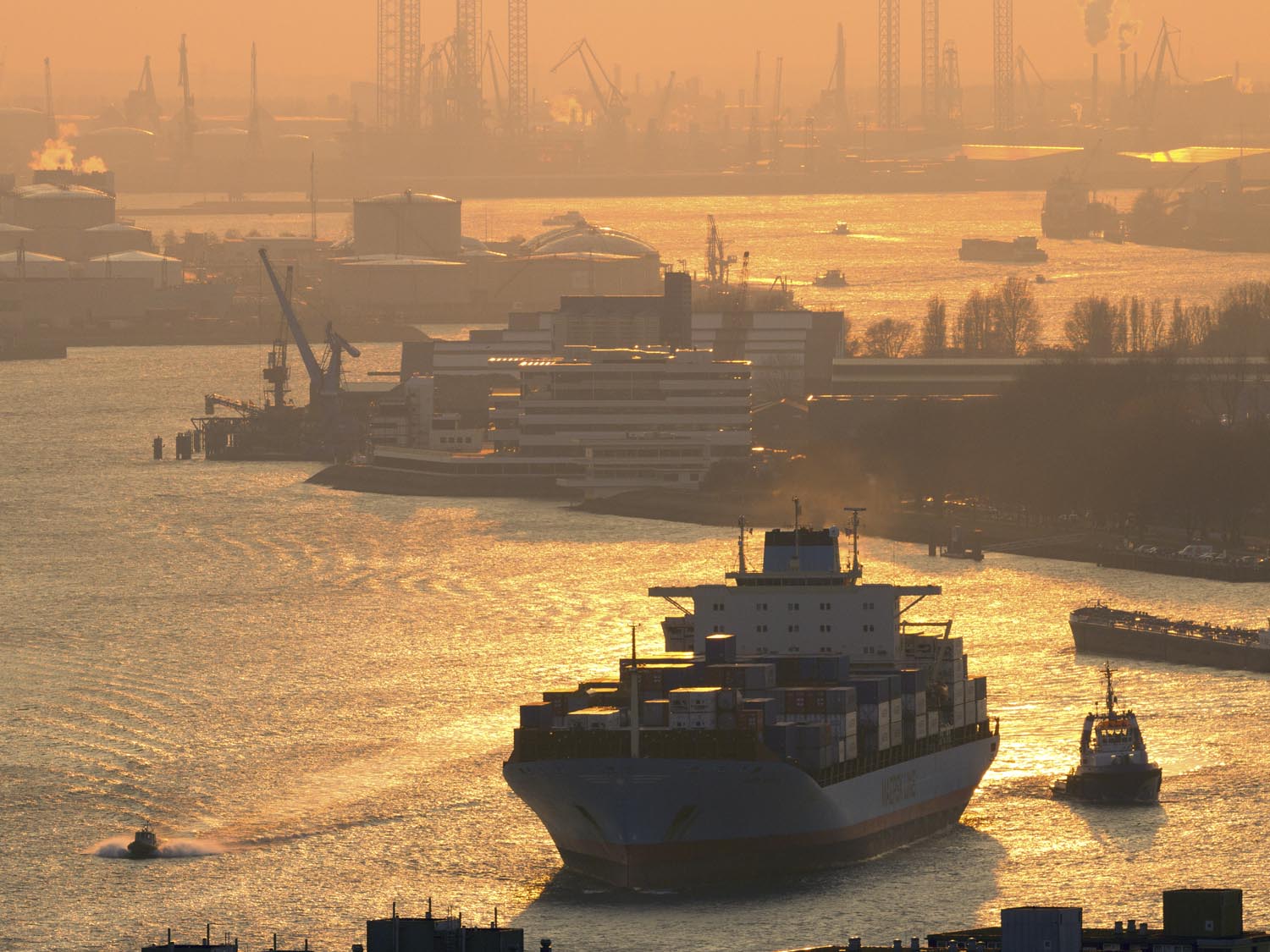
Rotterdam sunset

Port congestion spreads as delays ripple through global supply chains

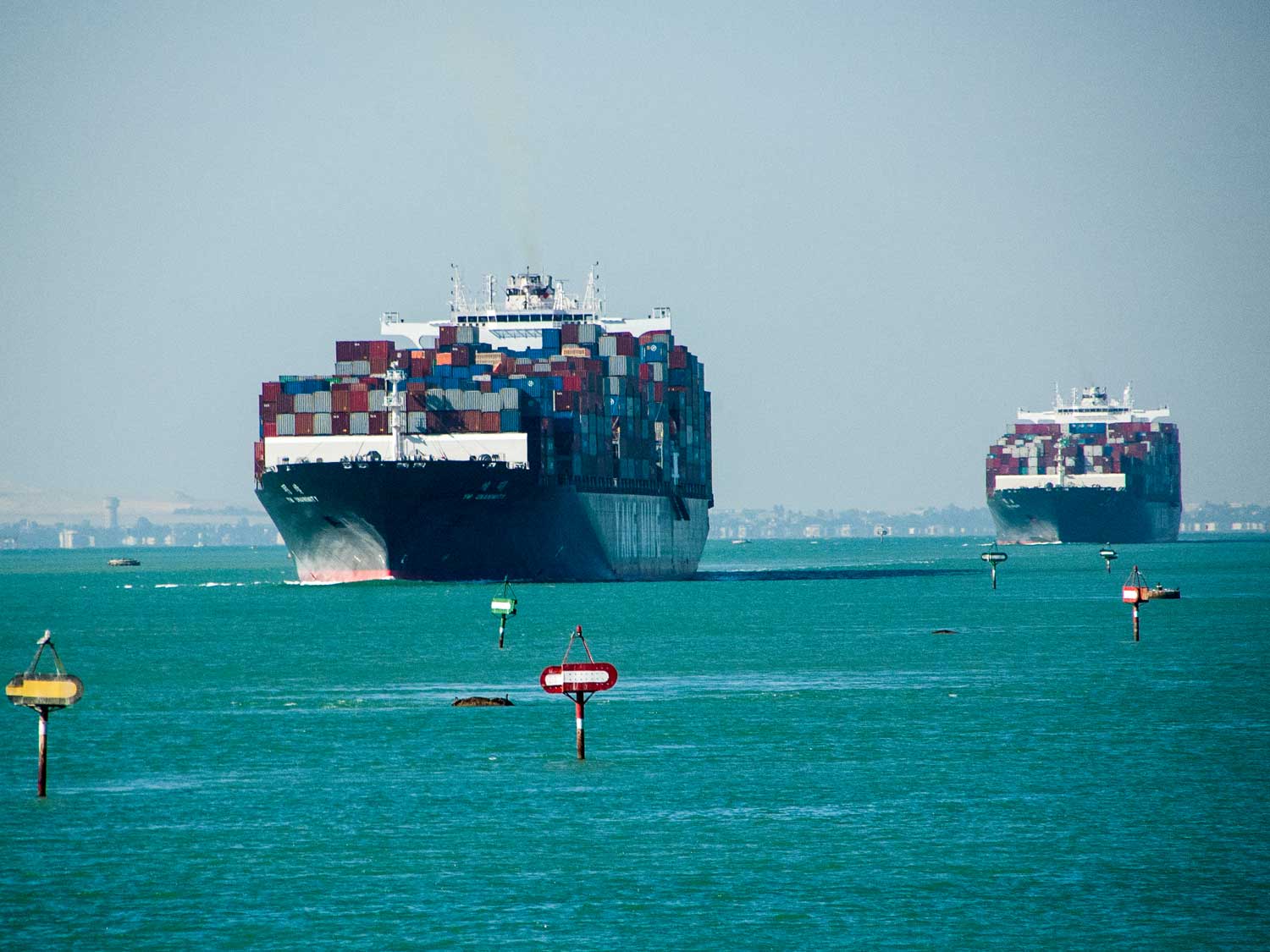
Port congestion in North Europe and East Asia is increasingly a two-ended problem: weather and capacity issues at origin delay departures, and when those same vessels finally reach port in Europe, they miss their planned berths and are forced to wait again, magnifying disruption throughout supply chains.

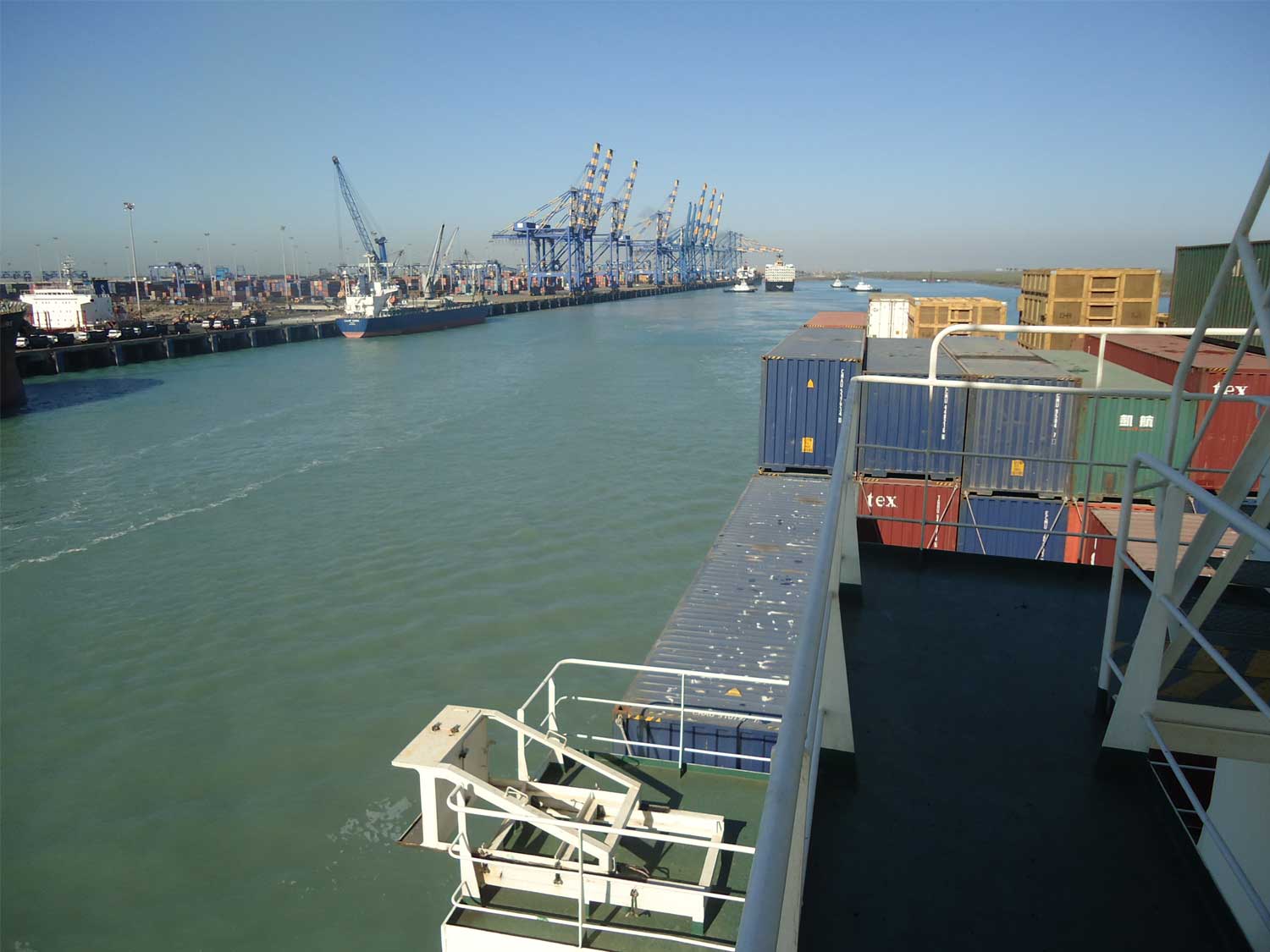
Congestion across key container gateways in Asia and Northern Europe is once again creating significant disruption with delays at Shanghai, Ningbo, Rotterdam and Antwerp increasingly feeding into one another and extending transit uncertainty across the entire east-west trade.

While individual delays at a single port are not unusual during peak season, the current challenge is the growing “cascade effect” developing across vessel schedules, inland transport networks and terminal operations.

In simple terms, disruption at one end of the trade lane is now directly increasing congestion at the other.

Weather disruption and vessel bunching hit China exports

Shanghai and Ningbo are both experiencing elevated congestion levels as heavy seasonal demand combines with poor weather, vessel bunching and continued schedule disruption linked to longer Cape routings.

Dense fog and adverse weather conditions around China’s east coast have already caused berth delays ranging from two to seven days at some Shanghai terminals, while Ningbo is also experiencing extended waiting times and increasing yard density pressure.

The knock-on effect quickly spreads through carrier schedules.

When vessels are delayed departing China, they frequently miss planned arrival windows into Northern Europe. Once that happens, carriers can lose their allocated berth slots, forcing vessels to wait offshore for new availability.

That creates a compounding cycle where both origin and destination ports become congested simultaneously.

Container equipment shortages are also worsening across major Asian export hubs as carriers struggle to reposition empty containers back into loading ports quickly enough to meet demand.

Rotterdam and Antwerp under mounting pressure

Northern Europe’s largest container hubs are now facing growing operational strain as delayed vessel arrivals collide with already congested inland transport networks.

Rotterdam and Antwerp are both reporting severe inland barge disruption, with waiting times regularly stretching towards four days. Yard utilisation remains extremely high across several terminals, while reduced crane availability, feeder delays and weather-related stoppages continue limiting operational fluidity.

Strong winds across Northern Europe have added further intermittent disruption, particularly at Antwerp, where terminals are struggling with vessel bunching and rising container dwell times.

The challenge extends far beyond the quayside.

As terminals prioritise delayed deep-sea vessels, inland barges often face secondary status within the operational flow, creating additional delays for hinterland cargo movement. In some cases, containers are remaining on terminals significantly longer than operationally ideal, increasing storage pressure and reducing yard efficiency.

Road and rail networks are also coming under increasing pressure as shippers divert cargo away from delayed barge services to avoid demurrage, detention and missed supply chain deadlines.

Inland transport disruption adds to the congestion cycle

The wider Northern European inland network is also becoming increasingly fragile.

Rail disruption across Germany, including infrastructure works, route closures and operational bottlenecks around Hamburg, is further complicating cargo flows into and out of the ports. Delayed trains, missed vessel connections and network overload are creating additional uncertainty for importers trying to maintain reliable inventory flows during an already volatile peak season environment.

This means delays are no longer isolated to one transport mode.

A weather delay in China can now create missed vessel berthing windows in Europe, which then impacts inland barges, rail schedules, feeder services and final cargo delivery timelines across multiple countries.

What this means for shippers

The current market reinforces how interconnected global container networks have become.

Longer transit times around the Cape of Good Hope have already reduced schedule reliability, while peak season demand and equipment shortages are tightening operational flexibility across both Asia and Europe.

For shippers, this creates growing importance around earlier booking windows, flexible inland transport planning and close coordination across origin, ocean and destination operations.

Importers moving time-sensitive cargo may increasingly need contingency planning around rail, road and barge options as congestion conditions continue evolving across Northern Europe during the summer peak period.

Metro combines global ocean freight expertise, proactive shipment management and integrated inland transport coordination to help customers minimise disruption and maintain cargo flow during volatile market conditions.

To discuss your supply chain planning, routing options or congestion mitigation strategies, EMAIL Managing Director Andrew Smith.

EU UK negotiations 2

UK–EU reset could ease border friction for importers and exporters

On 13 May 2026, the King's Speech set out the government's plans for the next Parliamentary session, including efforts to reset post-Brexit relations, forge closer economic ties with the EU and reduce unnecessary barriers to trade.

The reset is not a return to the single market or customs union. Instead, it is being presented as a targeted attempt to stabilise the trading relationship through closer alignment in specific areas where the government believes reduced friction could support growth, cut costs and improve supply chain efficiency. 

SPS alignment could simplify GB–EU border processes

The government intends to pass legislation by the end of 2026 to enable an SPS agreement with the EU to take effect by mid-2027. The agreement would cover animal and plant health, food safety and related agri-food rules, with the UK aligning to relevant EU legislation in order to ease border procedures.

SPS controls have been among the most disruptive post-Brexit trade barriers, creating additional documentation, inspection, certification and timing challenges at the GB–EU border.

A veterinary-style agreement could reduce the need for some routine checks and help make border movements more predictable. For exporters, this may improve access into EU markets. For importers, it could reduce delays, compliance costs and uncertainty when bringing goods into Great Britain.

Emissions trading alignment could reshape supply chain costs

Alongside the SPS agreement, the government is also negotiating closer alignment between the UK and EU emissions trading schemes (ETS), designed to reduce regulatory divergence and support longer-term industrial and energy cooperation. 

For businesses involved in manufacturing, energy-intensive production, transport and international trade, the implications could extend well beyond environmental policy.

A linked or more closely aligned ETS framework could help reduce friction for exporters trading into Europe, particularly as the EU continues expanding carbon-related trade measures and compliance requirements. It may also provide greater long-term certainty for businesses operating across both UK and EU markets.

Dynamic alignment brings certainty but also new compliance considerations

The proposed reset relies on dynamic alignment in selected areas, meaning UK rules would keep pace with relevant EU law as it evolves. This is central to the government’s ambition to reduce border friction, because smoother trade processes depend on both sides recognising equivalent standards.

For logistics and supply chain teams, this could provide greater medium-term certainty over the regulatory framework affecting GB–EU trade. However, it also means businesses will need to monitor changes in EU rules that may flow into UK requirements over time.

The wider political debate remains active. Critics argue that dynamic alignment could reduce UK regulatory flexibility, while others want the government to go further and pursue a customs union. 

What this means for UK traders

The direction of travel may point toward a less burdensome GB–EU trading environment, but the more realistic reading is:

  • Customs declarations are not going away simply because an SPS deal is agreed.
  • Rules of origin issues are not being removed by the reset as described in this briefing.
  • What may improve is the regulatory layer sitting on top of customs processes for certain categories of goods, especially agri-food.

That distinction matters, because a truck can still need customs processing even if SPS checks become lighter or less frequent.

So the likely benefit is not “no border”, but a border with fewer SPS-related interruptions, fewer compliance mismatches and a lower chance that a shipment is delayed because UK and EU technical rules have drifted apart.

Importers and exporters should now review where SPS controls, border checks, certification or documentary requirements are creating cost, delay or uncertainty in their supply chains. They should also assess whether current customs and compliance processes are flexible enough to adapt as the UK–EU framework develops.

As the UK–EU reset develops, Metro is helping customers assess how changing customs procedures, SPS requirements and evolving regulatory alignment could affect their supply chains, transit times and compliance obligations. 

Through integrated freight forwarding, customs support and cross-border logistics expertise, Metro helps businesses prepare for changing GB–EU trade conditions and maintain efficient cargo flow across European supply chains.

EMAIL Managing Director, Andrew Smith, today to learn more.