Emirates Dubai

Air freight surges as supply chains feel the pressure

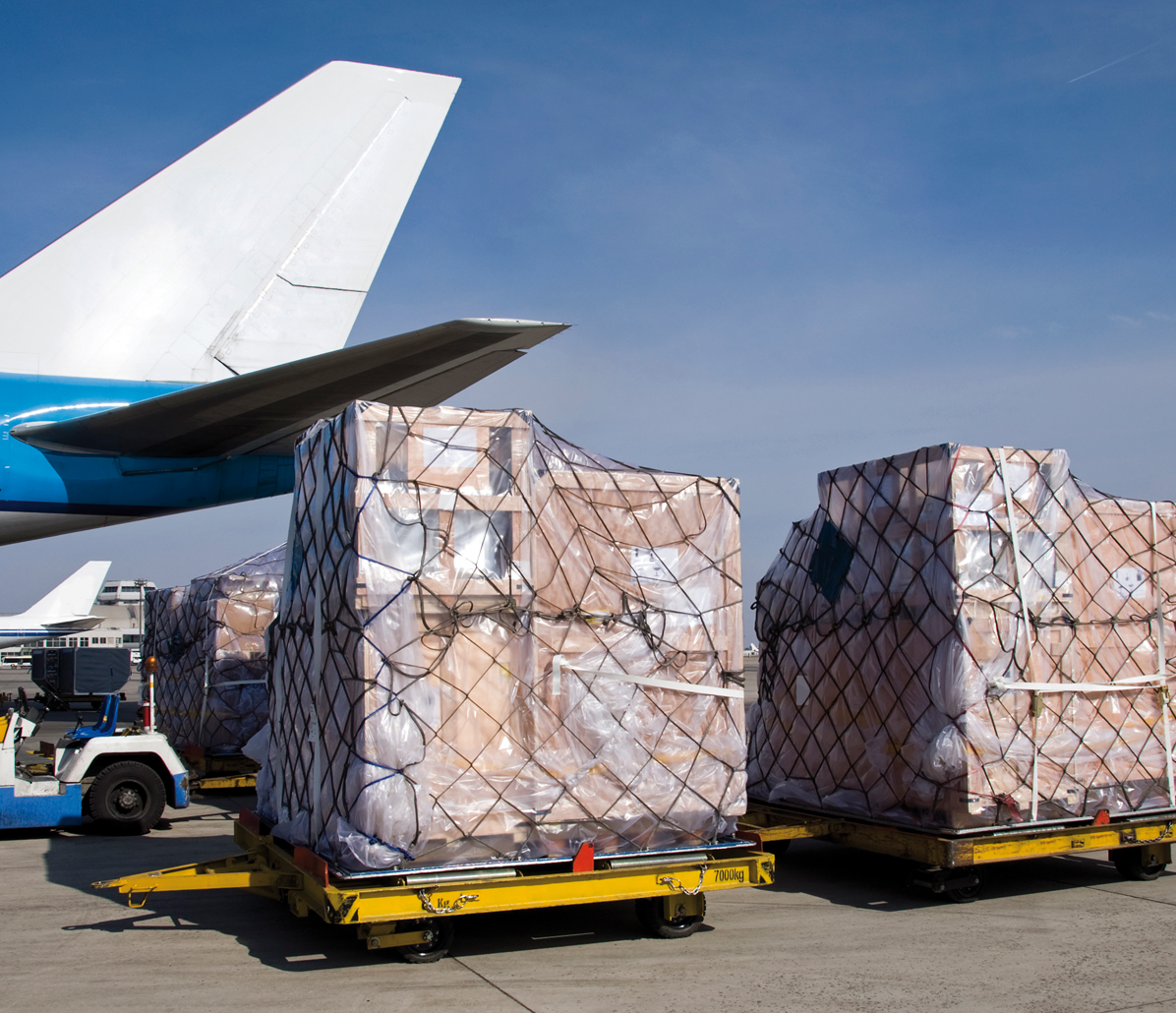
The air freight sector, which is already experiencing a demand spike in many regions, is anticipating another surge as the strikes at US East and Gulf Coast ports are likely to fuel even more demand on the time-sensitive mode.

With more than half of US containerised volumes moving through East and Gulf Coast ports the strikes will quickly have a profound impact on trade, especially with the peak holiday season approaching. The industrial action is expected to cause significant delays and backlogs, with each day of the strike potentially adding 5–10 days of cargo build-up.

As a result, many businesses will be reassessing their logistics strategies and opting for air freight to avoid the uncertainty of ocean shipping. This shift will put additional pressure on an already strained air freight market, with capacity tightening and rates rising.

Air cargo rates on routes from Asia to the US and Europe have already risen, as robust demand for eCommerce and traditional cargo has lifted load factors to almost 90% in September, with demand expected to strengthen further ahead of Black Friday and Cyber Monday.

As air freight capacity is being redirected by carriers from less profitable trade lanes, such as South America and India, to the more lucrative trans-Pacific and Asia-Europe routes, businesses on these secondary routes are finding it increasingly difficult to secure space for their shipments.

This trend is mirrored across other key Asian markets, with Japan, Bangladesh, and Southeast Asia also seeing sharp increases in air freight prices, driven by typhoon-related disruptions and ongoing strong demand.

Rates from Bangladesh to Europe and the US have risen dramatically, with prices to the US more than three times higher than the same period last year. The political unrest and logistics disruptions in Bangladesh, a key textile export nation, have further limited capacity and pushed up rates.

Q4 peak season set to intensify pressure
Massive eCommerce volumes from Asia are already tying up to 150 freighters per day and with volumes forecast to surge, conventional shippers, including those in retail and automotive, may struggle to secure the space they need for their shipments.

Our block space agreements (BSA) and capacity purchase agreements (CPA)  protect space and capacity on the busiest routes, so share your shipping forecasts and we will fly your cargo at the best rates.

Regardless of your cargo type, size and requirements, we have extremely competitive rate and service combinations, to meet every deadline and budget.

EMAIL Elliot Carlile, Operations Director, for insights, prices and advice on our airfreight, charter and sea/air solutions. 

Typhoon HKG 1440x1080 1

Supply chains brace for more disruption as storm season intensifies

From wildfires and floods to scorching heatwaves, the consequences of climate change are becoming more pronounced, and as we enter the peak shipping season, businesses are scrambling to prepare for what is predicted to be one of the most disruptive storm seasons in recent memory.

So far in 2024 supply chain disruptions caused by extreme weather are estimated to have cost companies billions of pounds, and the storm season is far from over. Hurricanes, wildfires, and floods have already stretched global supply lines thin, and the arrival of storms like Typhoon Bebinca, which threatened Shanghai this week, adds a fresh layer of concern.

Increased visibility allows managers to pinpoint disruptions and adjust supply chains accordingly, and the key to weathering these events lies in preparation. Shippers are diversifying their carrier bases and building inventory buffers to keep goods moving in the face of challenges. Strategic planning, such as maintaining safety stock for high-demand items, has become essential in managing supply chain risks.

The heightened storm season comes as companies are already reeling from the effects of wildfires in California and Australia, as well as floods that have caused widespread damage to transportation networks in Asia.

While technology and data-driven insights have made supply chains more resilient, this year’s relentless barrage of natural disasters is proving particularly difficult to navigate. While technology can help predict and respond to the impact of storms, it is only effective when paired with clear communication and regular updates on shipments.

The threat posed by Typhoon Bebinca is yet another reminder of the supply chain vulnerabilities that remain, with Shanghai closing ports, cancelling, and halting transportation links to ensure safety. With more storms likely in the coming months, companies must remain agile and vigilant, ready to adapt to further disruptions.

The need for resilience and adaptability is more pressing than ever, as companies navigate the challenges ahead. This season may prove to be one of the toughest in recent memory, but for those prepared, there are still opportunities to maintain operational continuity in the face of adversity.

Extreme weather events consistently highlight the vulnerability of supply chains and the importance of robust contingency plans and marine insurance to protect against risk.

We have been maintaining supply chain resilience in the face of unforeseen challenges for decades. To learn how we can develop and support your supply chain resilience EMAIL our Chief Commercial Officer, Andy Smith.

food study

Air cargo under pressure as peak season looms

With capacity already strained and further challenges expected from potential labour strikes and reduced belly capacity in the final quarter, shippers are under increasing pressure to secure cargo space ahead of the peak season.

Strong demand
According to IATA’s latest figures global air cargo demand surged by 14% year-on-year in July, marking the eighth consecutive month of double-digit growth. This increase is largely driven by ongoing eCommerce expansion and disruptions such as the Red Sea crisis.

Despite the high demand, capacity only grew by 8%, pushing load factors up significantly and intensifying the pressure on available space.

The Asia Pacific region has seen particularly strong growth, with demand up 18% year-on-year in August, while North American carriers recorded an 9% increase, even amid disruptions like Hurricane Beryl. The Asia-North America trade lane experienced an 11% rise, and transatlantic routes also saw rates climb  in August compared to July, with expectations of further increases as the year progresses.

Preparing for peak season
With the peak shipping season starting in September, air cargo demand is expected to remain robust, particularly in high-demand regions like Asia Pacific. However, capacity constraints are already evident, with flights on many lanes fully booked. The market faces potential additional pressure from reduced belly capacity in Q4 and the possibility of strikes at US East Coast ports, which could exacerbate the existing challenges.

Shifting capacity
The ongoing Red Sea crisis has disrupted traditional shipping routes, leading to a shift towards air freight as shippers seek more reliable alternatives. This shift, combined with the seasonal reduction of capacity on other lanes, has left the market vulnerable to further disruptions, potentially causing backlogs and price spikes.

As carriers redirect freighter capacity to the high-demand Asia market and reduce capacity on other routes, the market’s fragility increases. The anticipation of a strong peak season, coupled with the current tight capacity, means that shippers must act quickly to secure space and avoid significant disruptions.

Outlook and recommendations
Given the current market conditions, shippers are strongly advised to plan ahead and secure air freight space as soon as possible. The combination of high demand, potential capacity shortages, and the risk of labour disruptions could lead to an overheated market towards the end of the year, with rates likely to continue rising.

Early booking and careful planning are essential to navigate the challenging air freight landscape in the coming months, so please share your forecasts with us as early as possible so that we can ensure there are no disruptions to your supply chain.

For urgent, valuable and sensitive shipments we have a range of airfreight, charter and sea/air solutions, with block space agreements (BSA) and capacity purchase agreements (CPA) to protect space and capacity on the busiest routes.

Regardless of your cargo type, size and requirements, we have extremely competitive rate and service combinations, to meet every deadline and budget.

EMAIL Elliot Carlile, Operations Director, for insights, prices and advice. 

Singapore boats at anchor 1440x1080 1

Challenges in ocean freight: Capacity, congestion, and resilience

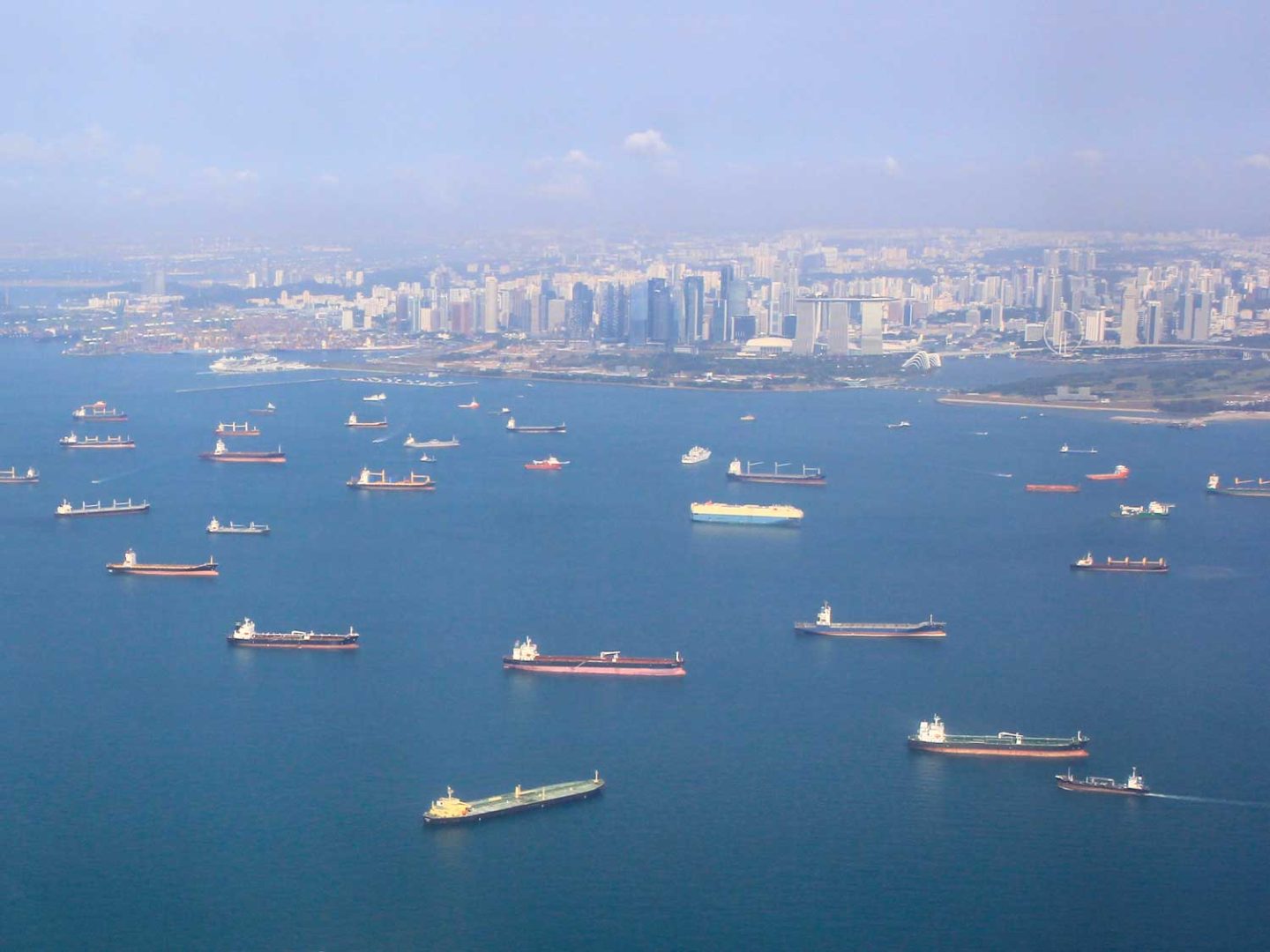
The ongoing disruption in the Red Sea and Gulf of Aden, which started with the hijacking of a vessel nearly ten months ago, has led to a substantial reduction in available container vessel capacity, driving up freight rates, intensifying port congestion, and exacerbating equipment shortages.

The impact of this crisis, second only to the pandemic, has caused widespread disruptions, with global ocean freight continuing to grapple with significant challenges.

Blanked sailings
To counter the drop in demand and falling container spot rates, ocean carriers are implementing a high number of blanked sailings, particularly ahead of China’s Golden Week holiday. The cancellation rate for scheduled sailings in September is currently 10% across major trade routes, with the transpacific accounting for 51%, Asia-Europe 28%, and the transatlantic 21%.

Despite the recent softening, freight rates remain significantly higher than last year – +350% on the Asia-North Europe route and +150-180% on Transpacific routes. Events such as the looming threat of port strikes, the introduction of new import tariffs and an early Chinese New Year could keep rates elevated, even in the face of softer demand.

US West coast volume surge
As the peak shipping season approaches, the US West Coast ports of Los Angeles and Long Beach are preparing for a surge in import volumes.
Ocean carriers are deploying 28 additional “extra-loader” vessels to handle the expected influx, driven by strong consumer demand and the diversion of cargo from the US East and Gulf coasts due to potential labour disruptions.

Economic resilience is likely to sustain high import levels through the end of the year, further increasing activity at these key ports.

Ongoing Port congestion
Global port congestion remains challenging with hot spots in Asia and India in particular. The delivery of new container ships and fewer overall blank sailings in recent weeks, along with the Red Sea diversions, are absorbing the added capacity and demand remains high, resulting in vessel bunching and berthing delays at major ports in China, the USA and South America.

The risk of further supply chain disruptions persists, with potential threats from labour strikes and the increasing impact of severe weather events linked to climate change.

Red Sea diversions soak up equipment
Container equipment situation in Asia, and China in particular, remains challenging but is improving with India now becoming the main hotspot.
Ocean carriers and container leasing companies have booked all available container production slots at Chinese manufacturers until mid-October, following record-high deliveries earlier in the year. In the first seven months of 2024 alone, container deliveries increased tenfold compared to the same period in 2023.

The availability of 40ft high-cube containers has tightened significantly, putting additional pressure on carriers and manufacturers to meet delivery schedules amid strong export growth from Asia and ongoing port congestion.

As the industry navigates these complex challenges, the focus remains on managing capacity, stabilising operations, and mitigating the risks posed by economic and environmental factors.

Ongoing demand for ocean freight and challenges in capacity suggest a complex and potentially turbulent peak season ahead.

We recommend talking to us now, if you have high-priority orders and sharing your shipping forecasts, so that we can secure your space, on the services that meet your deadlines, at the best possible rates.
To learn how we can safeguard and enhance your ocean supply chain, please EMAIL our Chief Commercial Officer, Andy Smith.