Balance tilting towards UK hauliers

Balance tilting towards UK hauliers

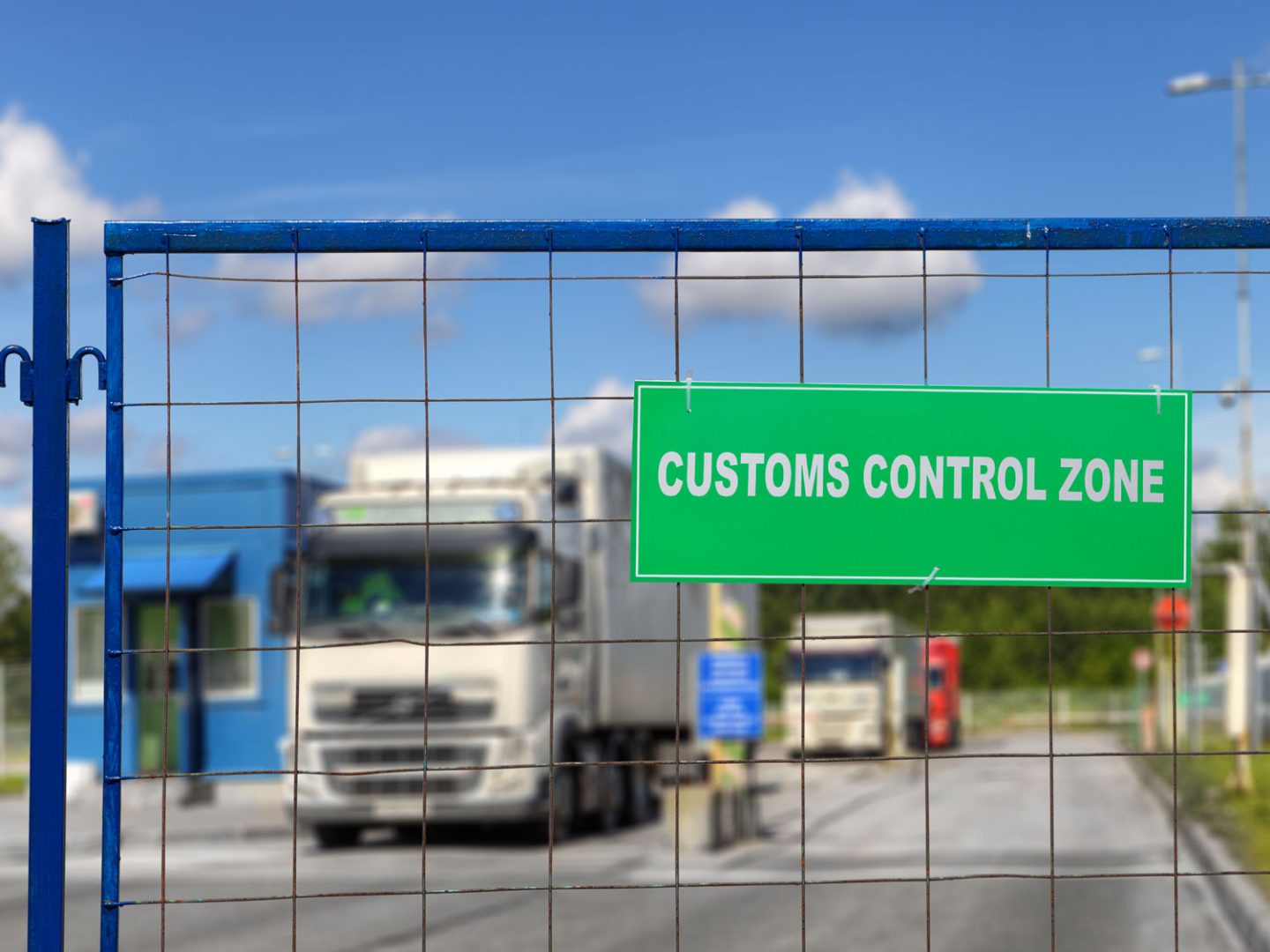
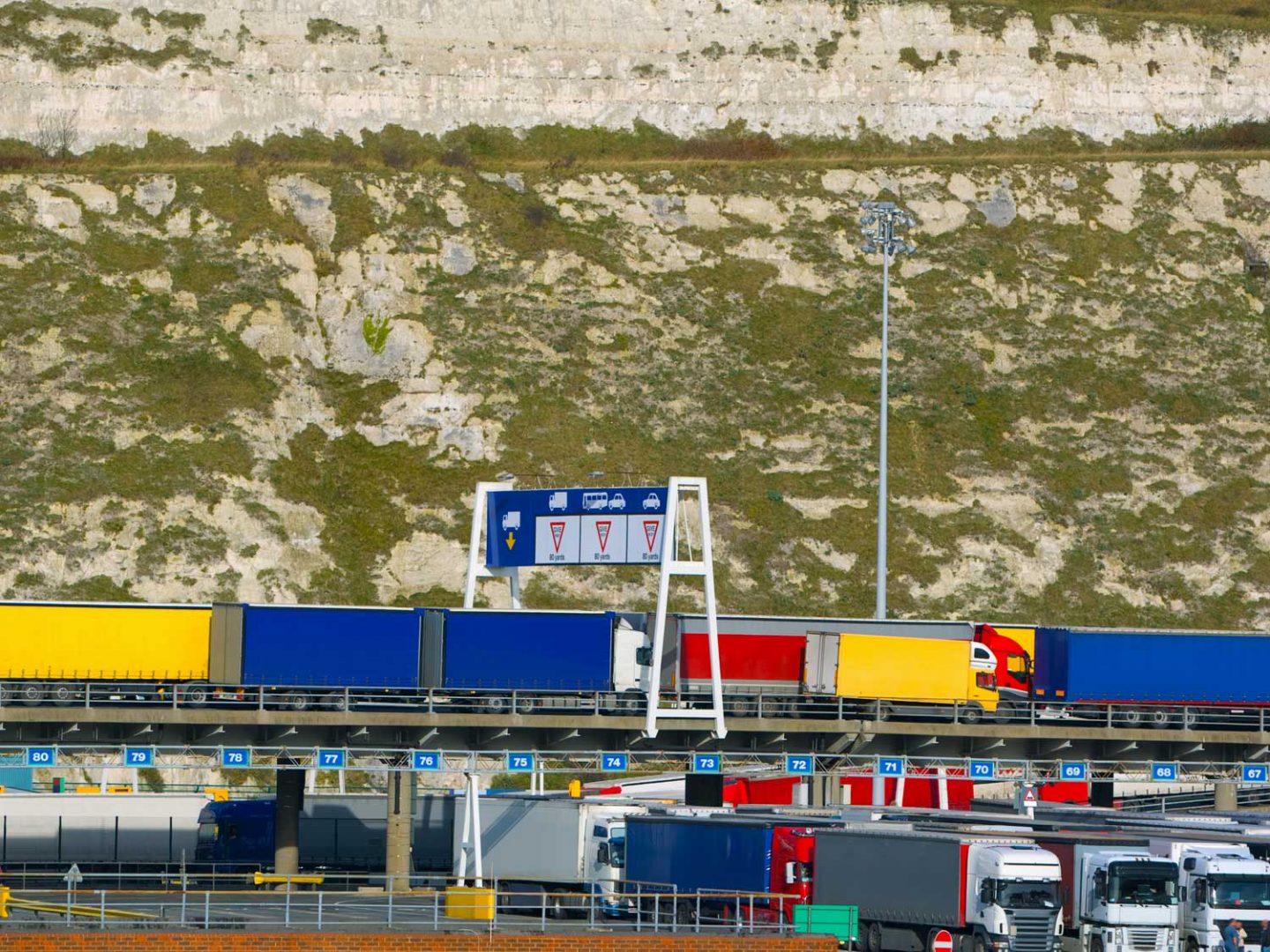
After years of competing on an uneven post-Brexit playing field, UK international hauliers are entering 2026 with structural advantages finally moving in their favour.

Regulatory change, rising cost pressures across the EU and tighter controls on cross-border movement are beginning to reshape who can compete most effectively in the UK–EU road freight market. While volumes remain contested, the direction of travel suggests improving competitiveness for UK-registered operators.

From 25 February 2026, foreign HGV drivers travelling to the UK who do not require a visa for short stays will need an Electronic Travel Authorisation (ETA). Drivers without a valid ETA will not be permitted to board transport to the UK.

The Home Office has already rolled out port-based communications and visual assets to support compliance, signalling that enforcement will be practical and visible rather than theoretical. For UK hauliers, whose drivers already hold UK immigration status, this removes friction rather than adding it—reducing uncertainty at the border and improving journey reliability.

UK operators quietly rebuild momentum

Official data shows that UK-registered HGVs are beginning to recover ground in international movements. UK vehicles lifted 4% more international freight year on year, while the number of cross-border trips rose by 2%.

UK-registered vehicles now account for 13% of powered vehicle trips to Europe and that recent growth contrasts with a more challenging picture for foreign operators. Freight lifted by foreign-registered HGVs to and from the UK fell by over 5% in 2023, reflecting pressure on both import and export legs.

According to the Road Haulage Association (RHA), EU operators are entering a period of stagnation rather than expansion. Growth is constrained not by lack of demand, but by rising operating costs and regulatory pressure.

Fuel, tolls and insurance costs continue to increase across the EU, while driver shortages are forecast to reach 400,000 by 2026. At the same time, mandatory investment in digital systems and the EU Green Deal’s push towards alternative-fuel vehicles are adding capital strain, particularly for smaller fleets. New regulatory requirements are also tightening operational flexibility, limiting how easily EU hauliers can redeploy assets into the UK market.

The RHA concludes. “Since 2004, trips by total foreign-registered powered vehicles have outnumbered trips by UK-registered powered vehicles… the resilience and resourcefulness of UK international hauliers may finally put them at a competitive advantage in 2026, as the playing field changes.”

A more balanced market

Taken together, these factors suggest a gradual rebalancing rather than a sudden shift. UK hauliers benefit from regulatory alignment at home, fewer border compliance risks and improving international volumes, while EU operators face cost inflation, labour shortages and tighter access conditions.

In 2026, competitiveness is likely to be defined not by scale alone, but by compliance readiness, operational certainty and cost control—areas where UK hauliers are increasingly well positioned to compete.

As regulatory change reshapes cross-border haulage and competitiveness shifts, execution and network design matter as much as cost. Metro supports shippers with compliant, reliable road freight solutions across the UK and Europe, combining local operational strength with cross-border expertise.

As part of GB Global, Metro also benefits from access to commercial vehicle fleets operating in both the UK and EU, allowing capacity to be deployed where it delivers the greatest reliability and value. This balanced model helps customers manage risk, maintain service continuity and adapt as market conditions evolve.

EMAIL Managing Director, Andrew Smith, to find out more about Metro’s road freight capabilities

Resetting UK–EU trade

Resetting UK–EU trade

Five years on from the Trade and Cooperation Agreement (TCA) and with the 2026 review fast approaching, the UK and EU have a chance to move beyond firefighting and design a trading relationship that works in today’s economy.

A new Parliamentary report from the Chartered Institute of Export & International Trade sets out a practical roadmap to turn trade friction into advantage, by prioritising digital connectivity, trusted cooperation and real-world fixes for businesses, especially SMEs.

Exports in services have grown, but goods trade, and particularly for smaller exporters, still hits too many barriers. The Institute proposes a coherent package of measures that reduces cost and complexity at the border, unlocks mobility and skills, and aligns climate and industrial policies so supply chains can invest with confidence.

h4b>The Institute’s eight recommendations

1) Streamline borders and customs

  • Build interoperable UK–EU digital trade corridors to remove duplication and delays.
  • Create a Common Security Zone to simplify newer safety and security requirements.
  • Align the UK’s Trade Strategy with the EU Customs Reform programme to deliver a seamless user experience.

2) Make SPS trade predictable

  • Implement the Common Sanitary and Phytosanitary (SPS) Area via a joint SPS committee (as trailed at the 2025 summit).
  • Work directly with industry to fix recurring pain points in food, plant and animal movements.

3) Modernise rules of origin

  • Simplify and harmonise product-specific rules in the TCA.
  • Enable diagonal cumulation with shared FTA partners.
  • Consider UK participation in the Pan-Euro-Mediterranean (PEM) Convention to increase sourcing flexibility.

4) Deepen regulatory cooperation

  • Use outcome-based equivalence and dynamic alignment where it matters most.
  • Strike targeted “side deals”, including mutual recognition for conformity assessment, and collaborate on emerging areas such as AI and digital trade.

5) Link carbon and energy frameworks

  • Link UK and EU emissions trading schemes and align CBAM approaches.
  • Broaden energy cooperation to support secure, affordable decarbonisation.

6) Back Northern Ireland’s dual-market role

  • Build on the Windsor Framework to deepen trade, energy and mobility links.
  • Position Northern Ireland as a practical model of friction-reduction that benefits both sides.

7) Enable skills and mobility

  • Launch a reciprocal youth mobility scheme and explore re-entry to Erasmus+.
  • Accelerate mutual recognition of professional qualifications in high-impact sectors.

8) Align industrial and digital policy

  • Establish a UK–EU Industrial Cooperation Council to coordinate investment, innovation and regulation.
  • Add a dedicated digital trade chapter to future-proof the partnership.

The last five years have shown that technical workarounds are not enough. SMEs need consistent rules, fewer duplicative checks and clearer pathways. By sequencing border simplification, SPS certainty and origin reform, policymakers can cut costs quickly while building a platform for long-term competitiveness.

What success would look like

  • Lower cost-to-export for SMEs through simplified formalities and interoperable systems.
  • Faster, more predictable food flows via an SPS framework that solves problems at source.
  • More resilient supply chains thanks to compatible rules and modernised origin provisions.
  • A digital-ready TCA that reflects how firms actually trade in 2026 and beyond.

From rules-of-origin compliance to fast-changing customs requirements, our experts deliver integrated and automated solutions that simplify compliance, cut costs and keep your trade moving.

To learn about our automated CuDoS platform and how we can help you navigate the evolving UK–EU trade environment with confidence, please EMAIL our Managing Director Andrew Smith today.

EU Freight and Customs Round‑Up

EU Freight and Customs Round‑Up

The movement of goods between Great Britain, Northern Ireland and the EU is entering one of its most challenging and complex periods in recent years. Regulatory changes are reshaping established routes, creating new administrative demands, and raising questions about supply chain resilience.

From the phased enforcement of ICS2 safety and security filings, to the evolving requirements of the Windsor Framework and the digitalisation of EU border controls, operators are facing a series of overlapping obligations. Understanding and preparing for these changes will be critical to maintaining efficiency, avoiding disruption, and keeping trade moving in the months ahead.

ICS2 Phase 3 Staggered Rollout

The EU’s ICS2 Release 3 – requiring detailed safety and security filings for road and rail freight – was due to become fully mandatory on 1 September 2025. While the system itself is active, several Member States have secured temporary derogations delaying enforcement until December 2025.

Germany and the Netherlands, however, are pressing ahead, meaning accompanied RoRo shipments to those markets may face compliance risks if operators are unprepared. Northern Ireland RoRo traffic has also been given a phased start, with the new TIMS platform offering a gradual introduction later this year.

The patchwork of deadlines across Europe underscores the need for close monitoring and proactive compliance to avoid penalties and delays.

GB–NI Trade Under Pressure

The Windsor Framework remains a source of disruption for operators moving goods between GB and Northern Ireland. Complicated “at risk” classifications, excessive paperwork, and inconsistent enforcement are driving inefficiency and higher costs.

Some suppliers are rerouting freight via Dublin rather than using the Irish Sea, while consumers in NI face reduced product choice as online sellers and retailers scale back deliveries.

Industry bodies argue that reforms such as classifying goods at the point of sale and simplifying Just-in-Time exemptions are urgently needed to stabilise trade volumes and restore reliability.

EU Entry/Exit System

The EU’s new Entry/Exit System (EES) is scheduled to go live on 12 October. Designed to digitise border checks by capturing biometric data, the system will eventually cover all non-EU drivers entering the bloc.

While intended to streamline processes and enhance security, the transition will create additional steps for hauliers and could slow traffic on critical corridors such as Dover–Calais if infrastructure proves inadequate.

UK hauliers face further constraints from the 90/180-day driver access rule, raising concerns over flexibility in meeting customer demand. With weeks left to prepare, shippers should ensure that drivers are prepared, documentation and contingency measures are in place.

Staying Ahead of the Changes

The common thread running through these developments is clear: shippers face a rising tide of complexity at the intersection of GB and EU trade. From border checks and customs filings to NI market access, regulatory shifts demand preparation, agility and informed support.

Metro is committed to helping customers navigate this evolving environment – from expert customs guidance and training to cross-border contingency planning and operational resilience.

To discuss how these changes could affect your supply chains, and the practical steps to stay compliant and competitive, please EMAIL our managing director Andy Smith.

UK Strikes Trio of Trade Deals in May

UK Strikes Trio of Trade Deals in May

The UK government has made major strides in strengthening its international trade relationships this May, concluding three key agreements with India (6 May), the United States (8 May), and the European Union (19 May).

These agreements could reshape trade routes and sourcing decisions, reduce costs, and create new opportunities for exporters and importers alike. With further negotiations under way with Gulf nations, the UK is expanding its global footprint.

UK-EU Agreement Reduces Border Friction
The updated UK-EU agreement, the first substantial step forward in post-Brexit cooperation, sets out revised terms for trade, fishing rights and defence collaboration. Of particular note is the reduction in bureaucracy around food shipments, with most routine checks on animal and plant products travelling between the UK and EU scrapped.

This could significantly ease the administrative burden and reduce delays for companies dealing in perishable goods. However, details on how the agreement affects the movement of non-food goods, including machinery, textiles and other industrial or consumer products, remain to be clarified.

While the deal does not represent a return to the frictionless trade of the pre-Brexit era, it is an encouraging signal that practical cooperation is possible. For businesses that rely on predictable cross-border movements, this agreement may help restore a degree of confidence.

US Agreement Offers Narrow, Targeted Relief
Despite being framed as a “trade deal”, the UK-US agreement is a limited, sector-specific tariff arrangement rather than a full-scale free trade agreement. That said, it delivers tangible relief in several key areas.

For UK exporters of vehicles, the US has cut its tariff from 25% to 10%, but only for up to 100,000 vehicles annually. This mirrors the volume of UK exports in 2024, but it places a hard ceiling on further growth, with exports above that threshold subject to a 27.5% tariff.

The removal of 25% tariffs on UK steel and aluminium also brings welcome relief to manufacturers. However, these benefits come with conditions, including expected quotas and continued duties on certain products made with these metals, such as gym equipment and industrial machinery.

While the UK has dropped some tariffs on US food and agricultural products, reciprocal benefits for UK exporters beyond the automotive and metal sectors remain limited. A blanket 10% US tariff still applies to most other UK goods, and a 25% tariff on UK automotive parts remains in place. Details on additional product categories, including consumer goods and manufactured components, are expected in due course.

The deal is a step forward, but it leaves a patchwork of tariffs and quotas that will require careful navigation. Legal and regulatory uncertainties will persist in the months ahead as negotiations continue and further details emerge.

India Deal Signals Long-Term Growth Potential
The UK’s agreement with India stands out as the most comprehensive and forward-looking of the three deals. It includes significant tariff reductions and market access improvements across a wide range of products, and is forecast to increase bilateral trade by £25.5 billion annually by 2040.

UK exports set to benefit include whisky, gin, aerospace components, medical devices, cosmetics, and high-end vehicles. In return, the UK will lower tariffs on Indian exports such as clothing, footwear, frozen foodstuffs, jewellery, and processed goods.

For importers, the deal offers more competitive access to one of the world’s fastest-growing economies. For exporters, it opens the door to India’s expanding middle class, which is already larger than the entire population of the EU and is hungry for high-quality, internationally branded products.

Beyond tariffs, the agreement promises to streamline customs procedures and reduce non-tariff barriers, improvements that will be welcomed by any business frustrated by red tape or unpredictable clearance processes. However, the full legal text is yet to be published, and the final impact will depend on detailed implementation rules, particularly around rules of origin and product classifications.

Looking at Gulf Nations Opportunities
Speaking to the BBC on 20 May, Chancellor Rachel Reeves confirmed that the UK’s next strategic focus is on securing trade agreements with countries in the Gulf, including Saudi Arabia, the UAE and Qatar. Ongoing discussions aim to boost UK exports of food and drink, renewable energy technologies, and manufactured goods, while encouraging more inward investment.

Reeves also clarified that the government is “not looking to have trade negotiations” with China, which draws a line under speculation about future UK-China trade relations for the foreseeable future.

Implications for UK Businesses
For UK businesses, whether they import raw materials or finished goods, or export to overseas markets, these deals bring both opportunity and complexity. While tariff reductions and customs streamlining can offer immediate cost savings and efficiency gains, the sector-specific and quota-based nature of the agreements means that success will depend on careful planning and informed decision-making.

The three deals signal a broader shift in the UK’s trade strategy, one that favours targeted, bilateral agreements over sweeping free trade pacts. They also reflect a pragmatic effort to strengthen links with fast-growing economies and key strategic allies.

As implementation details unfold and further negotiations continue, UK businesses will need to stay agile, review their supply chains, and consider how to best take advantage of the new landscape.

Metro’s established freight services, in-house customs brokerage, and on-the-ground teams in both India and the United States mean we’re uniquely placed to help UK businesses respond to this new trade landscape.

Whether you’re reviewing sourcing strategies, navigating new tariffs, or planning market entry, our experts can support you with compliant, cost-effective solutions across every mode and market.

EMAIL Managing Director, Andrew Smith to explore how we can optimise your global trade strategy.