Customs declaration

November 2024; Customs and compliance update

Our customs consultancy team provide insights on the latest changes, making it easier for you to stay on top of your planning and development needs.

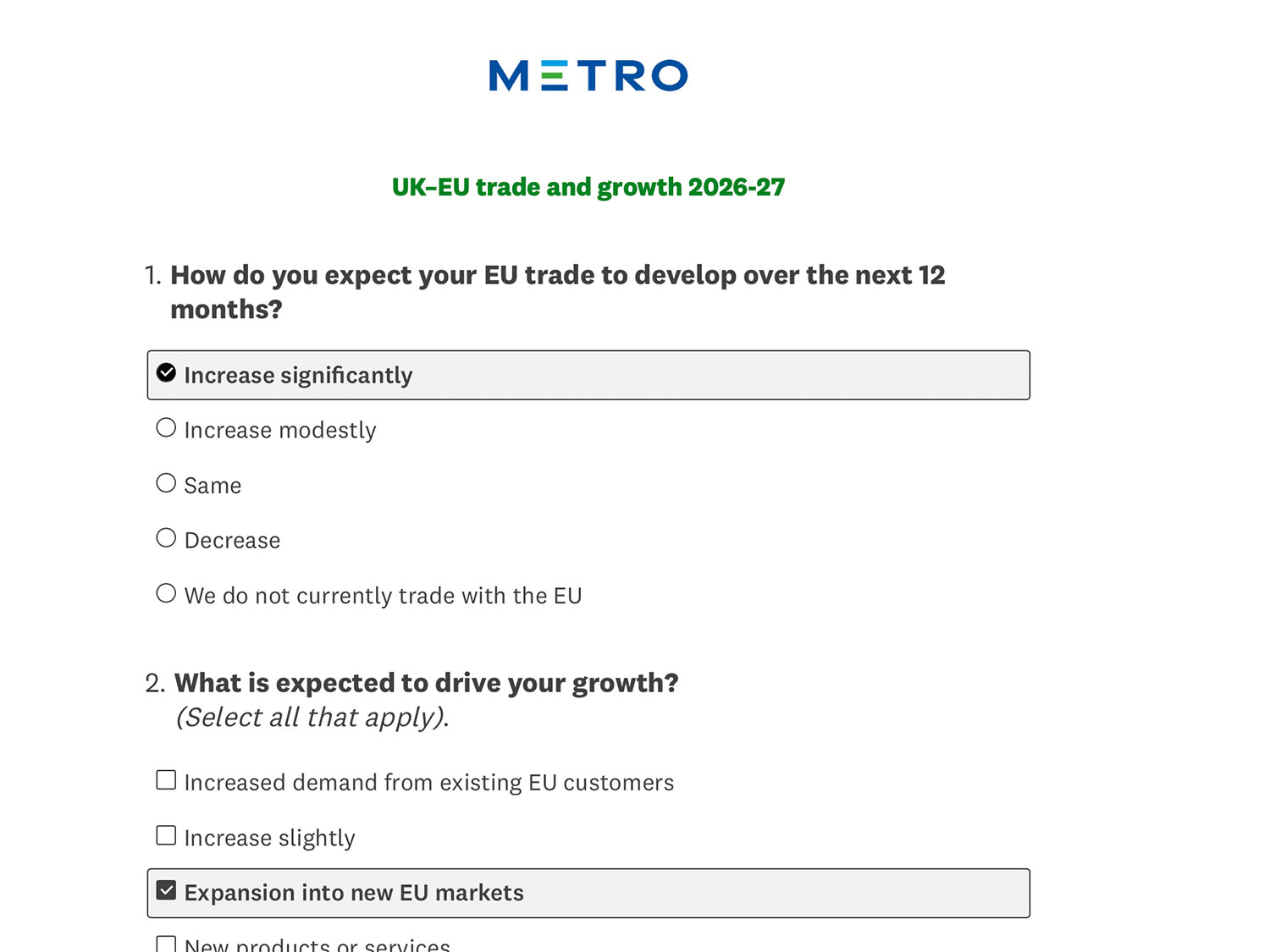
To help us better support your compliance and efficiency goals, including duty/tax reclaims, we encourage you to click the button below to complete our short, five question survey. By responding, you’ll receive tailored insights and support to address any gaps or opportunities within your customs and trade processes.

Carbon Border Adjustment Mechanism (CBAM)
As attention focused on the recent UK government budget, many missed the announcement about the UK’s own carbon border adjustment mechanism (CBAM), coming into effect on 1st January 2027. This CBAM will place a carbon price on high-risk goods imported to the UK from sectors including aluminium, cement, fertiliser, hydrogen, iron, and steel. This measure aims to prevent “carbon leakage” by ensuring the UK’s decarbonisation efforts truly reduce global emissions rather than simply shifting them abroad.

Key points:
• Goods from the glass and ceramics sectors are excluded from CBAM requirements starting in 2027.
• Only businesses importing over £50,000 of CBAM goods annually will need to comply.
• Lessons from the EU’s recent CBAM rollout, which faced data challenges, may offer valuable insights as the UK implements its own system.

Safety & Security Great Britain (SSGB)
The SSGB requires an Entry Summary Declaration (ENS) for all goods imported to Great Britain from the EU, effective from 31st January 2025. Responsibility for filing lies with the carrier or haulier, but as the UK importer, you hold the key data.

Here’s what you need to know:
• For accompanied freight, the origin freight forwarder or haulier is responsible for the ENS submission.
• For unaccompanied freight, the ferry line is responsible.
• Some of the required data can be found on your import customs entry, but certain details may depend on direct or indirect liability, particularly if ENS filing is requested by another party.
• A GB EORI number is essential for those needing access to the system.
• HMRC requires accurate and updated departure details before sailings, although some linking issues with GVMS remain unresolved.

Final guidance is pending, but obtaining EORI information from your suppliers will support this new requirement.

Windsor Framework
The Windsor Framework, replacing the Northern Ireland Protocol, has seen its implementation date pushed from 30th September 2024 to 31st March 2025.

This framework introduces Red and Green lanes for goods traffic and replaces the TSS (Trader Support Service) with the UKIMS (UK Internal Market Scheme). It will simplify trade, particularly for agrifoods moving into Northern Ireland, with the Northern Ireland Retail Movement Scheme (NIRMS) reducing administrative burdens for certain goods.

import control system 2 (ICS2)
As ICS2 progresses for EU surface cargo, European hauliers have voiced concerns about the challenge of gathering essential data. Metro can assist exporters by preparing data in advance from the export entry, keeping hauliers on the move.

Key details:
• Much of the required information is found on the customs entry.
• Emphasis has shifted to 6-digit commodity codes, and the EU consignee’s EORI number is now required.

Simplifying the complex
While the list of complex abbreviations and requirements continues to grow, don’t worry because our team can break down the jargon and provide clear, actionable guidance to ensure smooth customs compliance.

Client survey: Insight into your compliance needs
Please take a few moments to complete our survey. Your responses will help us understand your needs and provide solutions that enhance your compliance and streamline your processes. Thank you for your feedback!

Metro are at the forefront of customs brokerage solutions, with our automated CuDoS declaration platform and dedicated team of customs experts, reacting swiftly to any changes in the UK and EU’s trading regimes.

To learn more about compliance, CBAM, SSGB, The Windsor Framework or ICS2 – OR to see how we can simplify and automate customs declarations – please EMAIL Andy Fitchett, Brokerage Manager.

FXT aerial 1440x1080 1

UK Freeports Offer New Opportunities for Businesses

The new labour government has confirmed its commitment to the ‘Freeports’ initiative that aims to stimulate economic growth, by offering an array of incentives, from tax relief on investment to National Insurance contributions (NICs) relief on employee earnings.

With eight Freeports now operating in England and two each in Scotland and Wales, and further developments planned, the Freeports programme represents a promising approach to support industries, promote innovation, and create jobs in strategic locations.

Tax and Customs Advantages for Businesses
One of the most attractive features of Freeports is the tax relief on employer NICs. Employers can claim NICs relief on up to £25,000 of eligible employee earnings per year for up to 36 months, reducing operational costs and incentivising companies to grow their workforce locally.

Additionally, Freeports allow businesses to import materials tariff-free and defer customs duties until goods enter the domestic market. This creates an efficient system for businesses handling raw materials or intermediate goods, particularly those involved in exporting and manufacturing.

Regional Economic Regeneration
Freeports are designed to act as catalysts for regional development by attracting investment and encouraging innovation in specialised sectors. For instance, the Humber Freeport focuses on rare earth metals processing, supporting the UK’s green technology ambitions. Teesside Freeport, meanwhile, is set to become a hub for offshore wind turbine manufacturing, aligning with national renewable energy goals. In Wales, Freeports like the one on Anglesey are driving investments in solar and tidal power, helping to revitalise local economies that have been affected by industrial decline.

Freeports As Strategic Investment Zones
Beyond customs advantages, Freeports benefit from flexible investment rules and tax breaks on building and equipment investment. With recent government commitments to fund these areas as part of broader investment zones, Freeports provide businesses with opportunities to scale their operations, enhance productivity, and foster long-term economic impact.

The ongoing improvements are expected to create further incentives for businesses to establish themselves within Freeports, fostering an environment of innovation and competitiveness.

A Growing Attraction for Businesses
While initial uptake has been gradual, UK Freeports have already secured over £6 billion in investment and created around 7,000 jobs, with significant growth potential still untapped. The customs benefits, combined with substantial tax reliefs, make Freeports a compelling option for businesses looking to expand within strategically important sectors.

We are closely monitoring the development of Freeports and their potential benefits for our customers’ supply and value chains. Exploring cost-effective, value-added operations is always worthwhile, and some Freeport locations may present advantageous shifts in operations, provided that process, financial, and compliance factors align favourably.

Our supply chain, finance, and customs teams are ready to offer expertise, insights, and guidance on Freeport opportunities. For further insights, please EMAIL Elliot Carlile to discuss your situation and explore the most beneficial options.

Canada and US flags 1440x1080 1

Stricter air cargo security measures in response to rising threats

The US and Canada have introduced new security measures aimed at addressing the potential risks posed by incendiary devices found in European parcel networks.

Recent incidents, including a fire at a logistics hub in Leipzig originating from a Baltic package, have heightened awareness of potential threats to global supply chains, with reports suggesting possible interference by Russian actors.

The US Transportation Security Administration (TSA) and Transport Canada have implemented stricter security protocols, adding layers of scrutiny to air cargo entering their respective countries. 

These measures, introduced in August and early September, focus on cargo originating from Europe, the Commonwealth of Independent States (CIS), and Central Asia. Air carriers must now provide more detailed information on shippers and consignees to mitigate risks.

Transport Canada’s new rules require that cargo from 55 European and Central Asian countries must come from shippers with an “established business relationship” with freight forwarders or air carriers.

Air Canada Cargo, in line with these measures, has mandated specific messaging on air waybills to confirm the relationship between shippers and their logistics partners. To meet the security standards, shippers must have maintained an active account for at least 90 days, with a minimum of six shipments during that period.

Similarly, the US has introduced “Enhanced ACAS Security Filing,” requiring additional data on the shippers of all goods entering the country. This enhanced scrutiny aims to better identify parties involved in the supply chain before cargo is loaded onto US-bound aircraft. As part of these emergency measures, air carriers can only transport cargo from Europe and CIS countries if it has been tendered by a “Known Consignor” or a shipper with an established business relationship with a regulated agent or carrier.

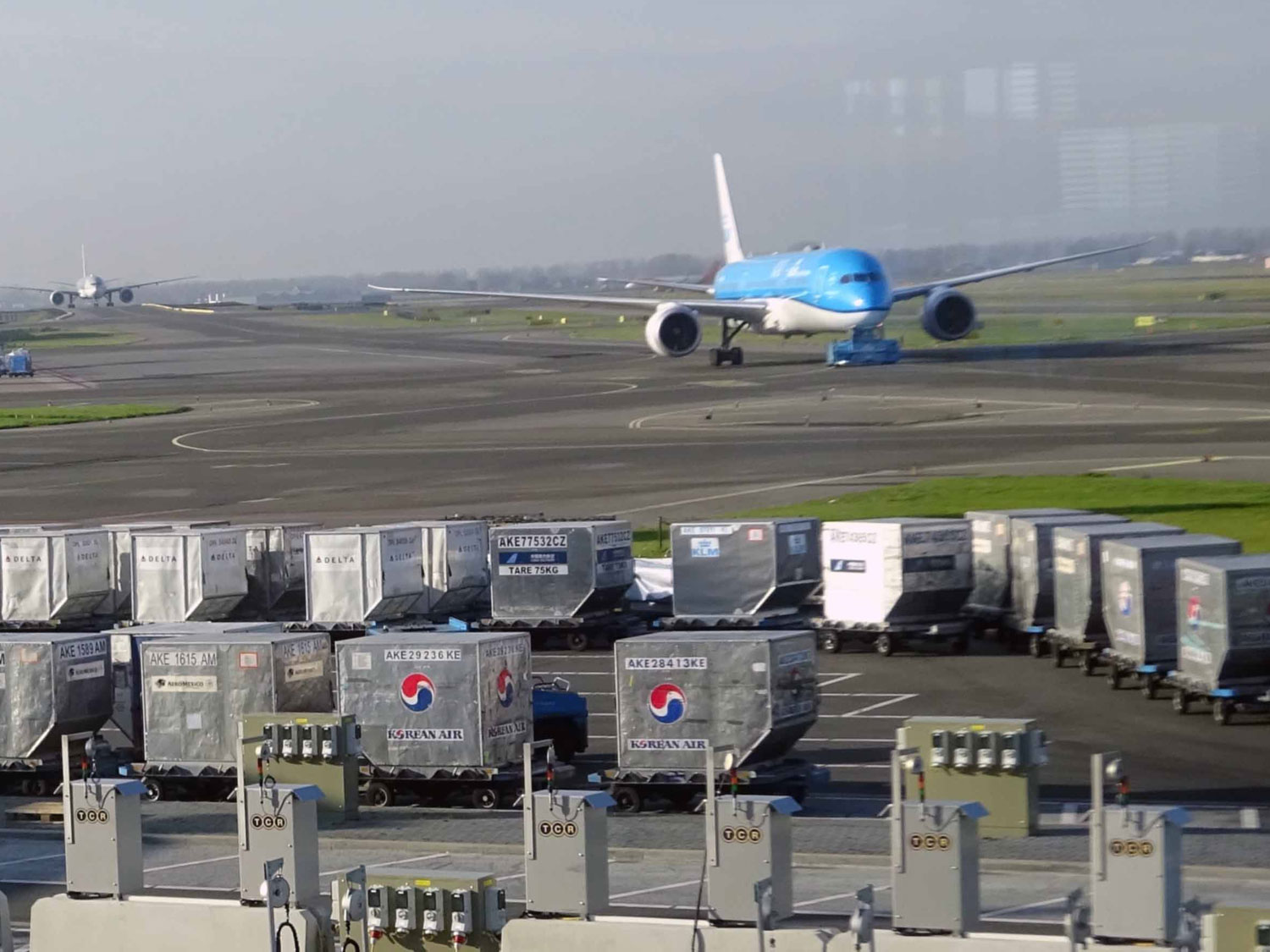
These new regulations have not come without challenges. Several carriers, including Korean Air Cargo, have imposed temporary embargoes on cargo originating from Europe and the CIS regions due to the difficulties in meeting the updated requirements. The embargoes are set to remain in place until mid-November, with further assessments to follow as the new security rules settle into effect.

Metro’s air exports to North America continue to fly without issue, or delay. Inbound consignments are processed through customs and associated border agencies by our network partners in the US and Canada.

EMAIL Elliot Carlile, Operations Director, for insights, prices and advice. 

Dover istock

Import Control System 2

Enhancing supply chain security and safety, Import Control System 2 (ICS2) is the Import Control system for movements both ways between the UK and the EU, including Norway, Switzerland, and Northern Ireland.

Based on similar worldwide systems that pre-declare shipments, to determine risk, security and safety of the cargo, ICS2 is the EU’s advanced cargo information system, which has been rolling out since 2021. 

The process has long been in place from the Far East and USA, with responsibility of making a declaration to the first European port of call of the vessel, for all goods entering, moving through or leaving the EU before they arrive. This system helps EU customs authorities ensure security and safety, and compliance is crucial to avoid delays, scrutiny, and penalties.

The full scope of data to be provided now include the commodity code (to 6 digits), a clear and plain description of the product, and the consignees EORI.

Given that the description and commodity code will reflect all the goods within the shipment then the declaration has the ability, for full container loads of multiple SKUs to become quite cumbersome.

One of the key pieces of data is around establishing credibility of the consignee, this is done through the EORI which can be checked to determine the establishment of a company in the EU.

Without an EORI it will raise a red flag to the destination authorities. The process is due to be introduced on the 1st October of this year,

Key Benefits of ICS2
ICS2 aims to secure the EU’s supply chain and streamline customs procedures by:

– Accurately identifying high-risk consignments and allowing proactive intervention
– Facilitating faster, smoother cross-border clearance, reducing delays and costs
– Simplifying information exchange between Economic Operators (EOs) and EU Customs Authorities

Enhanced Data Requirements
With ICS2 Release 3, exporters must provide comprehensive information about goods, including their origin, destination, and specific attributes. This enhanced data collection improves risk assessment and overall security measures in global trade.

Who is Affected?
ICS2 affects all Economic Operators (any business or other organisation which supplies goods, works or services) involved in handling, shipping, and transporting cargo. They must submit safety and security data to the ICS2 portal via the Entry Summary Declaration (ENS). Manufacturers and exporters outside the EU must provide necessary information to their freight forwarder or carrier.

Implementation Phases
ICS2 is being implemented in three releases, with Release 3 launched on 3 June 2024. This includes maritime carriers, express operators, and air cargo operators. Release 3 will proceed in three phases:

– 3rd June 2024: Maritime and inland waterways carriers
– 1st October 2024 EORI number required for EU consignees
– 4th December 2024: Maritime and inland waterways house-level filers
– 1st April 2025: Road and rail carriers

Exporter Obligations
Exporters must provide detailed information about their shipments to carriers, including:

– A 6-digit Harmonised System Code
– A complete and accurate commercial description of the goods
– The EORI number of all parties involved, registered in the EU
– Additional details of parties involved, such as the seller, buyer, and consignee

By meeting these requirements, exporters help facilitate accurate risk assessments and enhance overall security.

Conclusion
Understanding and complying with ICS2 is essential for anyone involved in exporting to the EU. By providing detailed and accurate shipment information, you can help ensure smoother customs procedures and contribute to a more secure global supply chain, while avoiding delays, scrutiny, and penalties.

When the ENS information is not provided to EU customs, shipments will be stopped and will not be processed for customs clearance, which will lead to delays and potential fines.

We can guide you on the ICS2 changes, help you to educate your suppliers and provide full support for all your import and export documentary needs.

Metro are at the forefront of customs brokerage solutions, with our automated CuDoS declaration platform and dedicated team of customs experts, reacting swiftly to any changes in the UK and EU’s trading regimes.

To learn more about ICS2, or to see how we can simplify and automate customs declarations for your businesses, please EMAIL Andy Fitchett, Brokerage Manager.