
European roadmap to recovery

ICS2 and ELO: Preparing for the Next Phase of EU Border Compliance

As of 1st April, the European Union’s Import Control System 2 (ICS2) entered its final implementation phase; a critical milestone for businesses moving goods into the EU. 

Designed to enhance the safety and security of EU-bound shipments, ICS2 is now live across all transport modes, including road and rail, in addition to air, maritime, and inland waterways.

Import Control System 2

ICS2 introduces a standardised, data-driven pre-arrival notification for goods entering the EU. The system mandates the submission of accurate and complete Entry Summary Declarations (ENS) before arrival at the EU’s external border. These declarations allow customs authorities to perform detailed risk assessments and target high-risk consignments before they enter the supply chain.

This not only improves customs enforcement but supports a more secure and streamlined trade environment.

This latest phase introduces two key updates:

  1. 1. Mandatory House Bill Filings for Surface Containerised Movements
    This update predominantly affects sea freight and applies to:

    • Goods moving to the EU
    • In-transit shipments through the EU
    • Freight Remaining on Board (FROB)
  1. 2. Live ICS2 Filing for Road and Rail Movements
    Both accompanied and unaccompanied trailers now fall under ICS2’s scope. Businesses must submit ENS data 1 to 2 hours before EU arrival, depending on the transport type. Timing is critical — incomplete or late submissions could lead to delays, detentions, or even denied entry.

The Enveloppe Logistique Obligatoire

As introduced during our most recent webinar, ELO is not to be confused with the 70s rock band, it represents a major evolution in French customs procedures.

ELO is an extension of France’s import/export pairing process. Under the new system, every crossing from GB into France will require a declaration barcode, which also supports onward movement into the remaining 27 EU countries. The goal is to digitise and streamline freight verification, with a single ELO envelope covering the full logistics trail.

Metro’s Briefing Webinar

On Friday, 28th March, Metro hosted its second industry webinar, focusing on the latest regulatory developments. The webinar audience were briefed by our experts on the latest regulatory developments, including ICS2 declarations, the introduction of ELO, updates and the Carbon Border Adjustment Mechanism (CBAM). 

They were also updated on changes to the UK Customs Declaration Service (CDS) for exports, evolving trade agreements such as the CPTPP, and implications of the Windsor Framework for Northern Ireland.

The session aimed to ensure attendees are not just compliant but well-positioned to optimise their supply chain strategies in this evolving regulatory landscape.

Stay connected with Metro for expert-led insights, upcoming webinars, and on-the-ground support to navigate new regulatory frameworks confidently. EMAIL Andy Fitchett to register your interest.

Bridge on ship

Sea Freight Market Review

The global ocean freight market is undergoing a period of transition in 2025, influenced by regulatory changes, shifting trade patterns, and evolving carrier alliances. While demand remains strong in key regions, rate volatility persists due to supply chain disruptions and excess capacity.

The ocean freight sector is experiencing considerable adjustments as carriers adapt to regulatory and economic shifts. The EU ETS expansion now covers 70% of maritime emissions, leading to higher surcharges and operational costs for carriers.

Supply/Demand
Capacity growth is projected to slow to 5% in 2025 after record vessel deliveries in 2024. However, supply chain disruptions persist due to global port congestion and ongoing Red Sea diversions are soaking up excess capacity.

The restructuring of major shipping alliances is further shaping the industry landscape, with the dissolution of 2M, the formation of the Premier Alliance by THE Alliance, and the launch of Gemini Cooperation in February 2025.

Proforma scheduled liner capacity on the Asia-North Europe trade is set to be reduced by around 11% once the transition to the new shipping alliance set-up is complete. The combined weekly capacity drop of some 28,000 TEU equates to a total reduction of 221,000 TEU across all services. However, the number of individual weekly sailings between Asia and North Europe is expected to increase from 26 (under the previous alliances and standalone services) to 28, potentially improving frequency and flexibility for shippers.

Global port congestion remains a pressing issue, particularly in China and vessel utilisation remains high, with only 0.2% of the global liner fleet currently idle. The industry is also witnessing an increase in blank sailings, with 47 announced through mid-April, affecting Transpacific and Asia-Europe trade routes. The Transpacific market, in particular, is experiencing notable disruptions, with 43% of blank sailings concentrated in this corridor.

Expectations that Red Sea diversions would ease, returning an estimated 2 million TEU to global circulation, were dampened over the weekend following missile exchanges between the US and Yemen’s Houthi rebels. MSC CEO Soren Toft stated, “Suez simply isn’t safe to transit at the moment, and there’s no immediate prospect of a return.” This continued instability may prolong disruptions and return pressure on rates.

Market
Meanwhile, the Shanghai Containerised Freight Index (SCFI) has dropped 17% since January and despite strong cargo demand in select regions, the market remains vulnerable to downward pricing pressures.

Demand remains resilient but uneven, with North America and India seeing stronger performance, whereas Europe’s slower economic growth is weighing on export activity. Chinese exports have exceeded expectations, driven in part by early shipments ahead of potential tariff adjustments.

The Drewry World Container Index (WCI) has reached its lowest level since January 2024 and while rates are below their pandemic-era peaks they are still 79% higher than pre-pandemic averages from 2019.

At Metro, our fixed-rate agreements on popular shipping routes provide a practical safeguard against rate volatility, offering predictable costs for effective budgeting. Whether you’re managing high-volume trade lanes or seeking greater stability for your supply chain, our tailored solutions can help you thrive in 2025.

To discover how Metro can strengthen your business and provide peace of mind, EMAIL our Managing Director, Andy Smith, today.

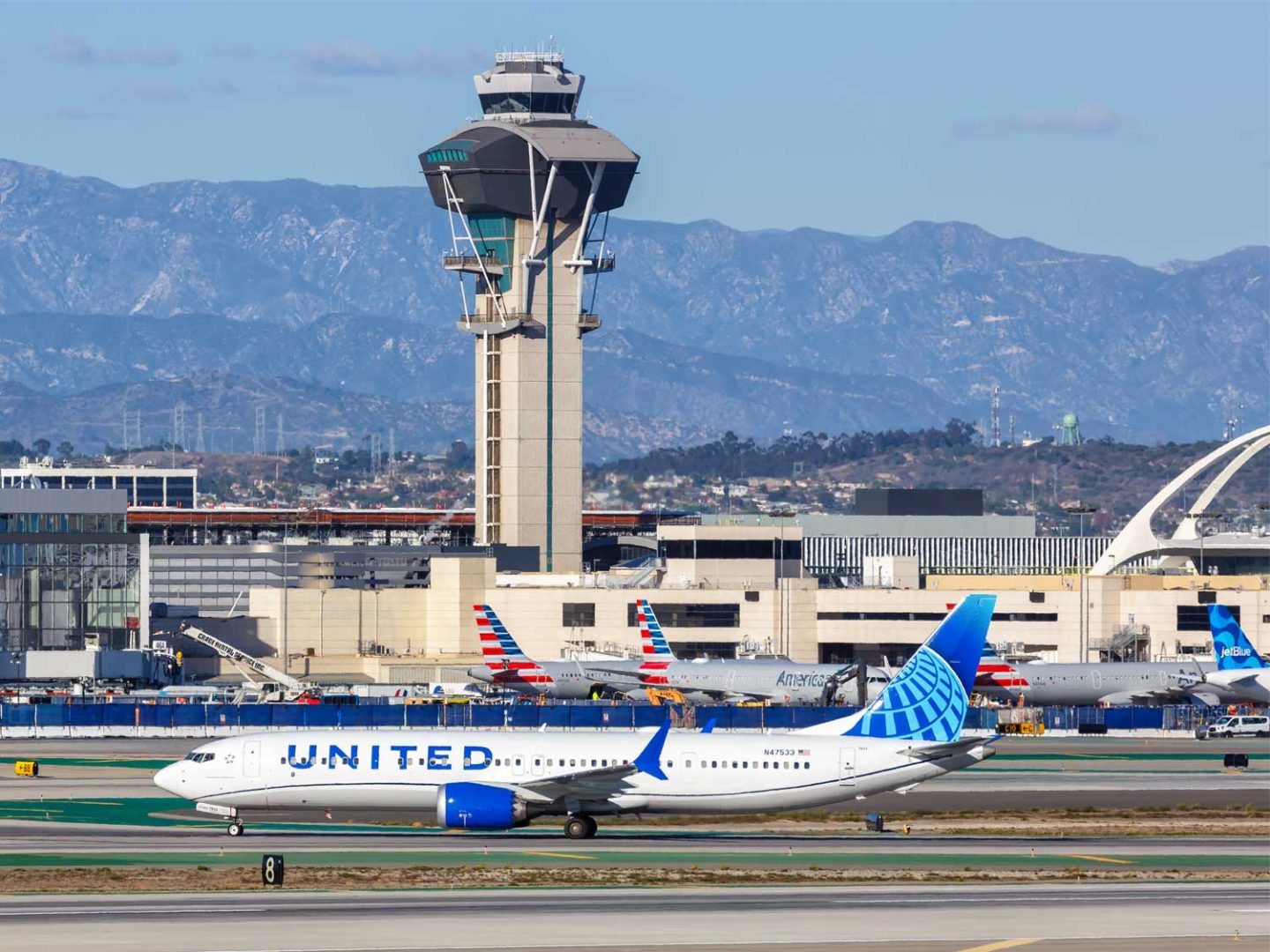
LAX 1440x1080 1

Air Freight Market Review

The global air freight market in February and early March reflected moderate year-on-year (YoY) growth, with total worldwide tonnages up 5% in February and 2% higher YoY in early March.

However, market dynamics remain volatile, influenced by shifting trade policies, geopolitical factors, and eCommerce trends.

Asia-Europe air cargo showed strong demand recovery in March, with tonnages rising 4% week-on-week (WoW) and while average spot rates softened they remain 20% higher YoY. Meanwhile, transatlantic routes saw weaker demand from Europe, with London Heathrow and Frankfurt spot rates declining amid softer outbound trade.

Market Situation
Global air cargo tonnages rose 5% YoY in February, supported by an 8% surge from Asia Pacific and a 4% rise in North America and Europe. However, Middle East & South Asia (MESA) volumes declined by 6%, reflecting last year’s Red Sea-driven demand spike.

By early March (Week 10), Asia-Europe trade saw significant WoW volume gains:

  • China to Europe tonnages increased by 5%
  • Hong Kong to Europe volumes grew by 6%
  • Japan & Taiwan to Europe rose by 7%
  • Thailand & Singapore to Europe surged by 9%

Despite these volume increases, average spot price indices on Asia-Europe lanes declined by 3%. However, YoY spot rates remain significantly higher (+20%), supported by China (+14%), Hong Kong (+22%), Japan (+19%), and Thailand (+38%).

Global air cargo markets remained relatively stable through February and early March, with weekly demand fluctuations balancing out across key regions.

  • Asia-Europe: Despite a 4% WoW tonnage rebound in Week 10, rates dipped as supply-demand balances shifted.
  • Transatlantic (Europe to USA): Weaker outbound demand put spot rates under pressure at London Heathrow and Frankfurt.
  • Middle East to Europe: Demand weakened with Dubai-to-Europe tonnages falling 15% WoW.

Global air freight rates remained 6% higher YoY, though Asia-Europe pricing showed a mixed trend, with falls on all the major trade lanes, though rates remain significantly higher than last year.

  • Asia-Europe remains 20% higher YoY.
  • China to Europe still stands 14% higher YoY.
  • Hong Kong to Europe are up 22% YoY.

The Asia-Europe air cargo market rebounded in early March, with tonnage gains but slightly softer rates as market conditions adjusted. Meanwhile, transatlantic routes saw demand weakness, leading to rate declines from major European hubs. Moving forward, trade policies, geopolitical shifts, and capacity adjustments will continue to influence global air cargo pricing and volumes.

In a volatile air cargo market, securing capacity and competitive rates is critical. Metro’s air freight, charter, and sea/air solutions ensure your shipments move efficiently, even on the busiest trade lanes. With block space agreements (BSA) and capacity purchase agreements (CPA) in place, we guarantee space and stable pricing when you need it most.

Whether you’re shipping urgent, high-value, or sensitive cargo, our global expertise and strategic carrier partnerships keep your supply chain running on time and within budget.

EMAIL Elliot Carlile, Operations Director, today to explore how Metro’s air freight solutions can optimise your logistics.

Conference question 1440x960 1

Key Takeaways from TPM25

The 25th anniversary of the Trans-Pacific Maritime (TPM) Conference in Long Beach, California, reaffirmed its position as the premier global forum for senior supply chain executives carriers, and technology providers shaping the future of global trade.

This year’s event unfolded against a backdrop of intensifying geopolitical tensions, with supply chain resilience and service reliability emerging as dominant themes.

As hostilities between U.S. forces and Houthi rebels in Yemen resumed over the weekend, it is evident that safe passage through the Red Sea and the Suez Canal will remain compromised for the foreseeable future.

With security risks heightened, carriers are expected to continue rerouting vessels around the Cape of Good Hope, adding transit times, costs, and complexity to global trade.

Engaging with Industry Leaders
Metro’s Managing Director, Andrew Smith, and Head of Ocean Pricing, Chris Jones, played an active role in TPM25, engaging in key discussions on market volatility, geopolitical risks, and the evolving carrier landscape.

During in-depth conversations with carriers and customers, Metro explored strategies to mitigate ongoing disruptions in the Red Sea, as well as how emerging shipping alliances are reshaping service offerings. Understanding carrier market pressures and operational adjustments remains a priority for Metro, ensuring that we continue to deliver the most resilient and efficient logistics solutions for our clients.

Beyond TPM
Following the conference’s close, Andrew and Chris extended their commitment to direct client engagement with visits to Minneapolis and Chicago. Their series of meetings provided an invaluable opportunity to gain firsthand insights into the challenges facing shippers, including changing regulations, shifting trade dynamics, and the ongoing impact of global events.

By working closely with customers on tailored supply chain strategies, Metro continues to bridge the gap between industry-wide challenges and customer-specific solutions, reinforcing our role as a trusted partner in an unpredictable market.

A recurring theme throughout TPM25 was the industry’s relentless pursuit of stability amidst growing uncertainty. Discussions highlighted the urgent need for agile, data-driven solutions, with many industry leaders acknowledging that technology, real-time intelligence, and predictive analytics will be key differentiators in navigating the complexities of modern supply chains.

Metro remains at the forefront of this transformation, actively integrating AI-driven analytics, digital platform enhancements, and predictive modelling to help customers make informed, real-time decisions.

This commitment is clearly demonstrated this week, with Metro integrating CO2 emissions data directly into freight invoices, together with the launch of new tools that give customers greater financial control, reduced administrative burdens and enhanced efficiency.

As we reflect on the insights gained at TPM25 and our follow-up discussions with customers, Metro reaffirms its commitment to staying ahead of global trade challenges, ensuring that our partners remain competitive, informed, and prepared in a rapidly evolving landscape.

To discover how Metro can support your Transpacific or Transatlantic trade needs, or to discuss any of the issues highlighted here, please reach out to Andrew Smith via EMAIL