Sea Air aerial

Asia westbound market update

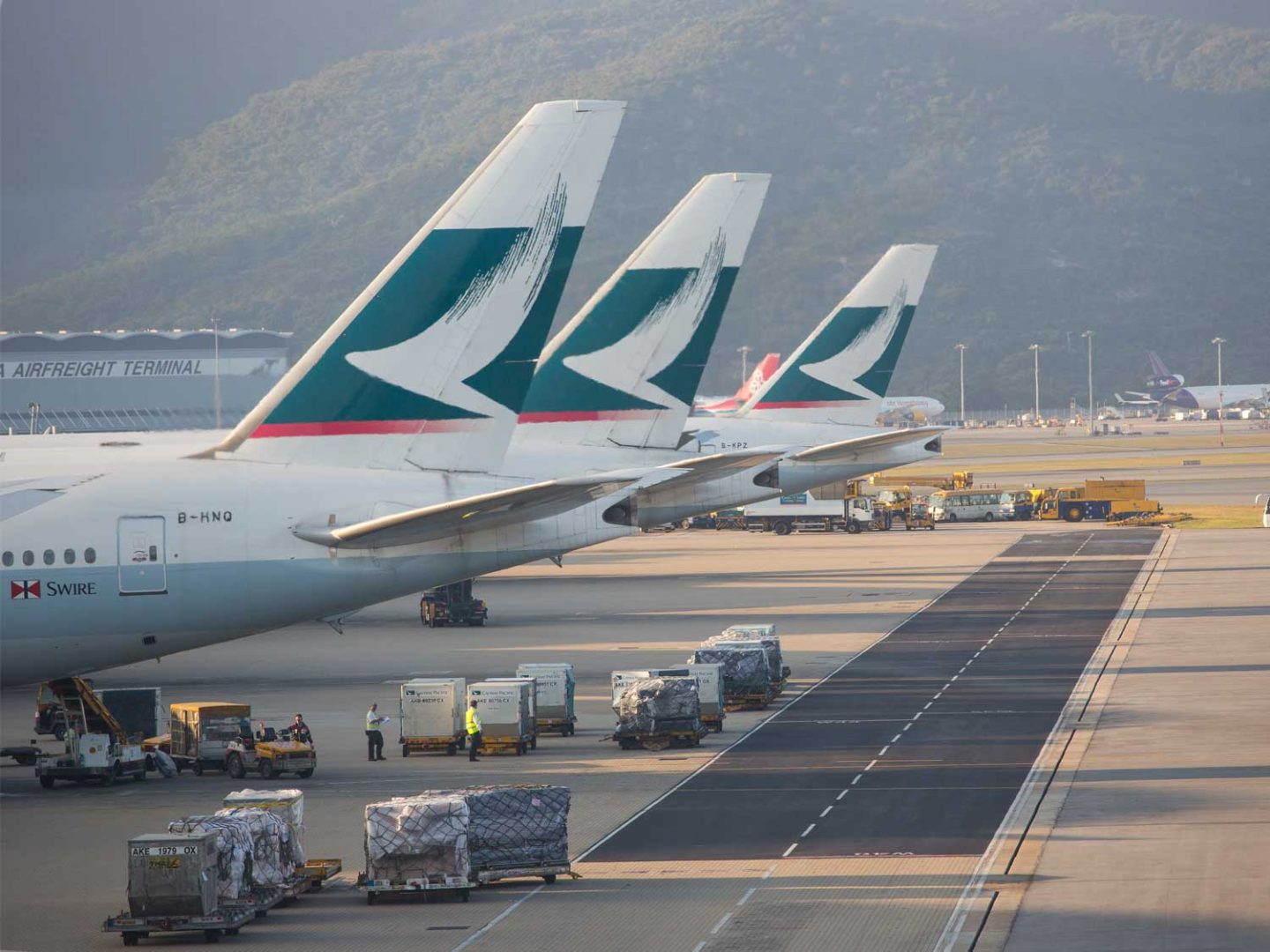
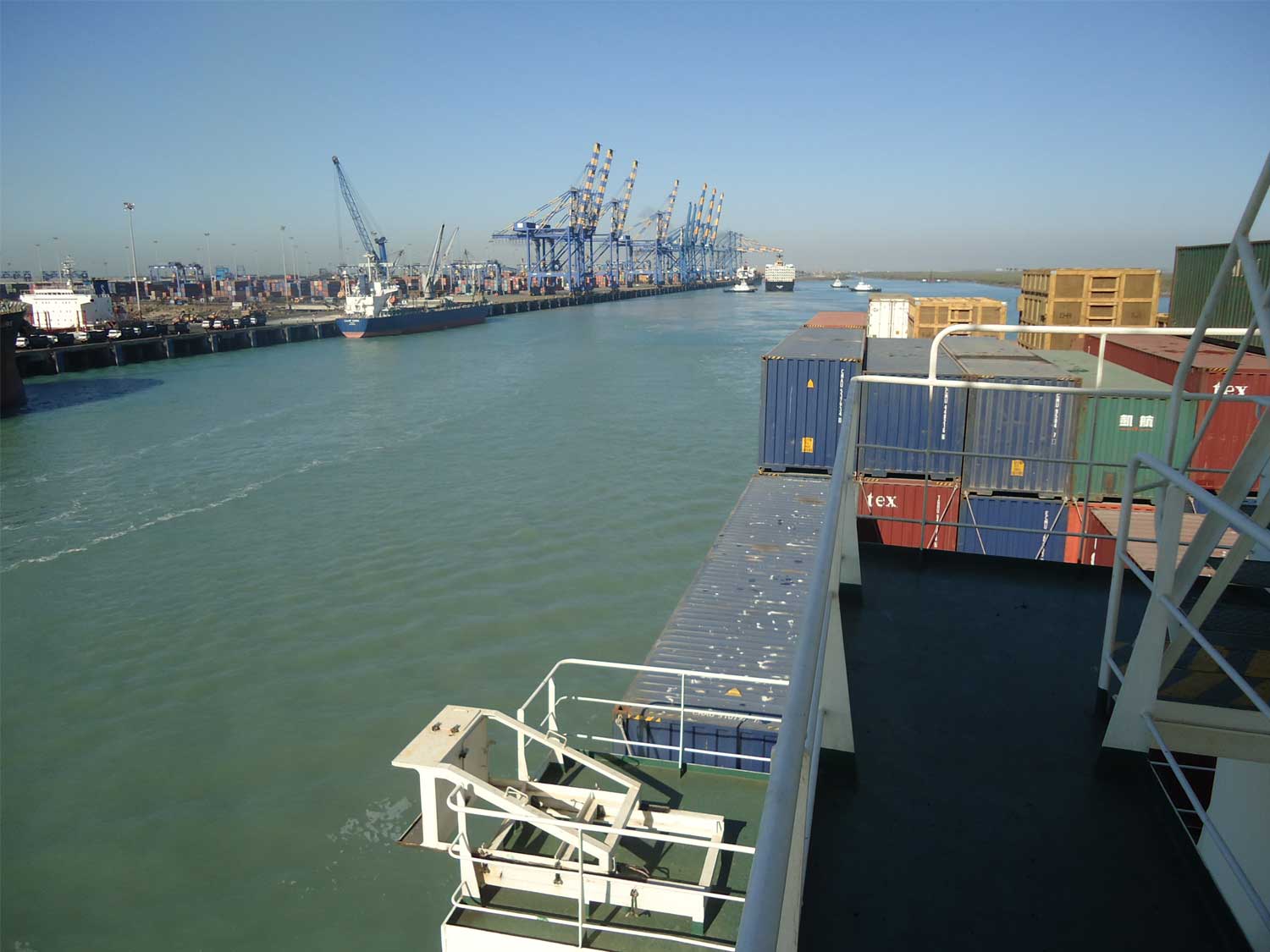
Air and sea freight from Asia continues to demonstrate remarkable resilience and growth, fuelled by robust demand, strategic capacity management, and dynamic trade routes, with India recording significant increases, driven by pro-industry government initiatives, eCommerce, and manufacturing growth.

Air Freight
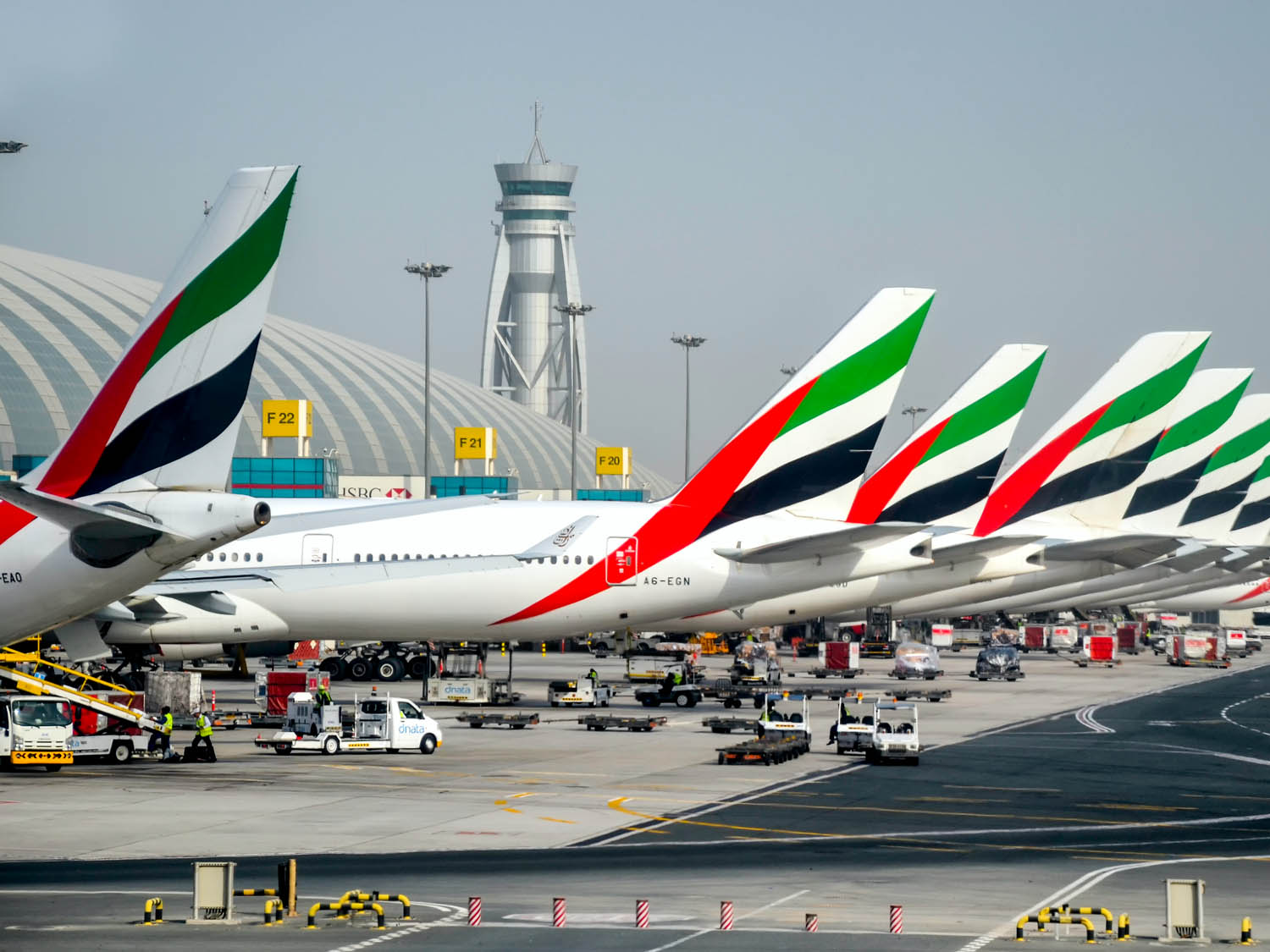
The latest data from the International Air Transport Association (IATA) for June highlights significant demand for airfreight out of Asia, which has continued, potentially extending well into 2025, fuelled by sustained eCommerce demand.

For exports from the Asia-Pacific region, the World ACD index reported a 25% year-on-year increase, with Asia-Pacific to US shipments up by 67%. However, China-US tonnage declined by 8%, with China-Los Angeles experiencing a 23% drop, marking a three-month trend of decline.

Despite the LA drop, airfreight has largely remained impervious to political and economic challenges, with US customs crackdowns on eCommerce deliveries from China not dampening the market.

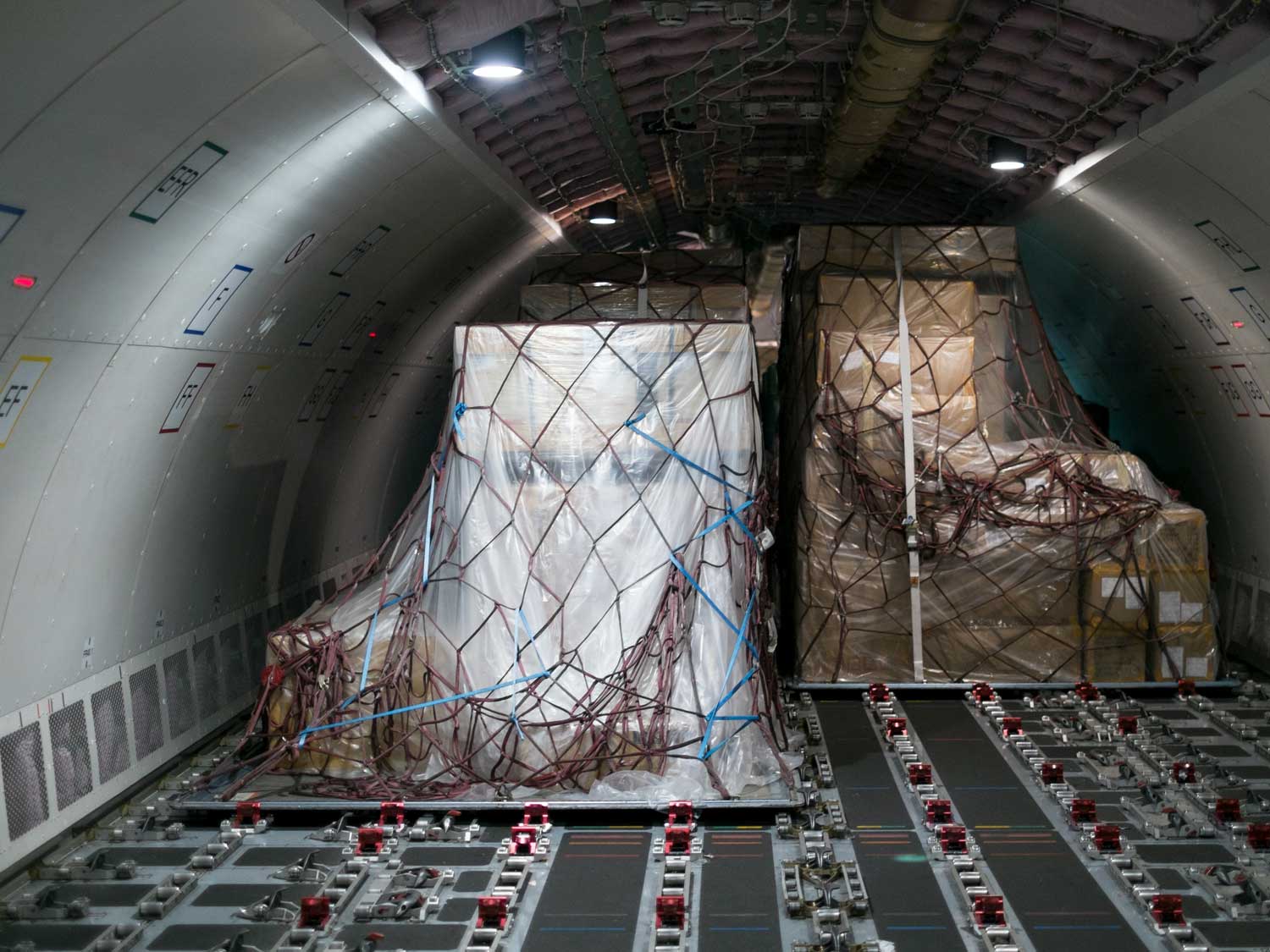
India’s air cargo market is particularly bullish. Total volumes at Indian airports in Q2 2024 rose by 14% year-on-year, with international flows up 20%. This growth can be partly attributed to a modal shift from widely disrupted ocean services due to the Red Sea crisis, especially for urgent or time-sensitive shipments. 

Sea Freight
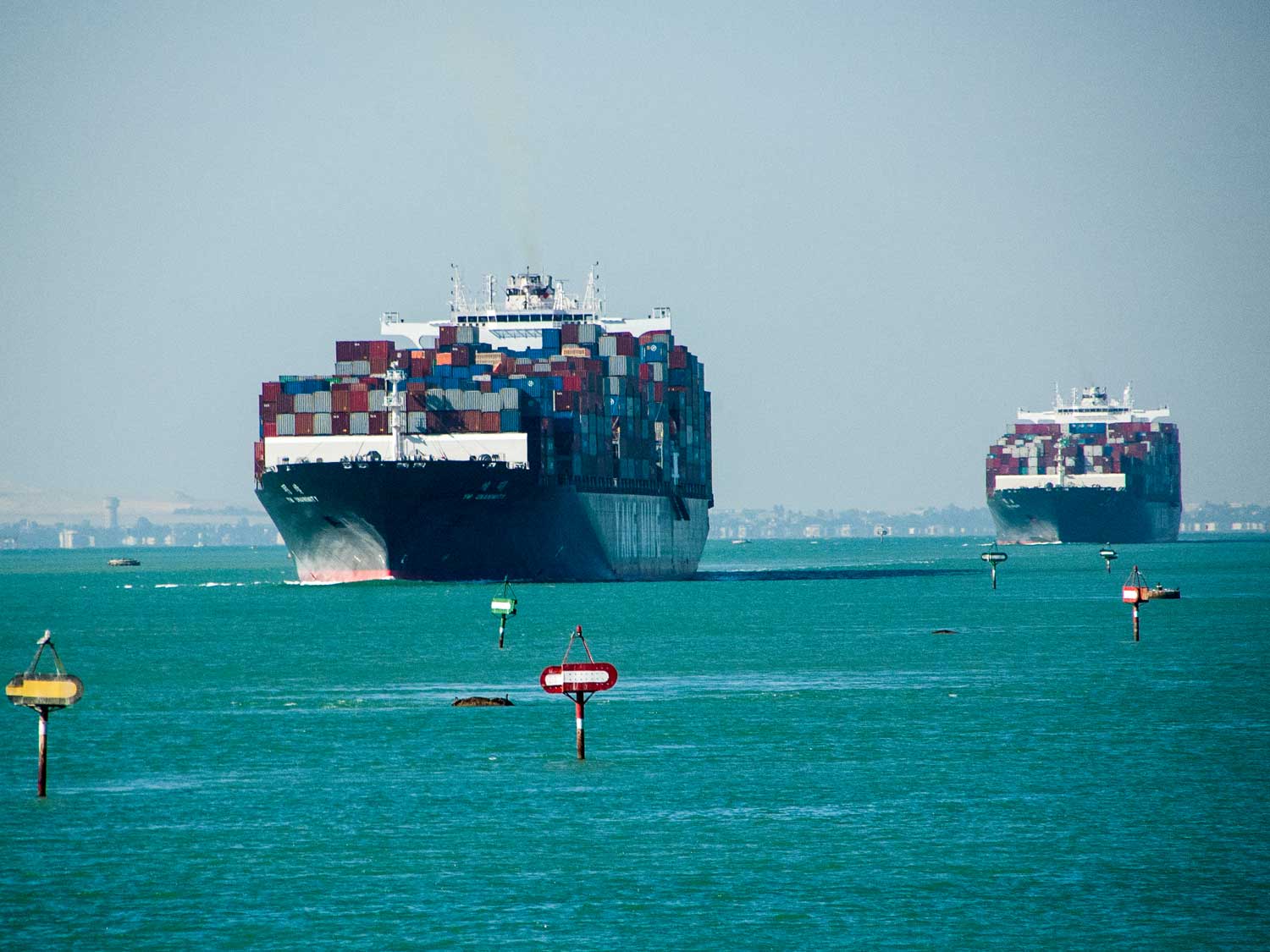
As we progress through the traditional container shipping peak season, analysing demand, prices, planned levels of blank sailings and capacity deployment provides valuable insights into carriers’ confidence in the 2024 peak season.

Ex Asia freight rates are anticipated to stay high until the end of the peak season, at least until the Golden Week, while strong increases in outbound demand from India have led to increased rates and equipment shortages.

For the Asia-North America West Coast route, carriers have planned to blank 4% of capacity, similar to pre-pandemic averages and 2020 levels. This is significantly lower than during the pandemic years when blank sailings were forced due to port congestion.

Capacity growth for the same period in 2024 is set to be 25% higher than in 2023, and 10% higher than in 2020, which saw peak capacity deployed in terms of TEUs. This strong capacity growth and relatively low level of blank sailings suggest that carriers are optimistic about the peak season.

On the Asia-North Europe route, the planned blanked capacity is 6% for the next 10 weeks, slightly higher than in 2020 and pre-pandemic averages, but not by much. There is no year-on-year growth in deployed capacity for 2024. However, in 2023, the trade saw a 13% year-on-year capacity growth, which was high compared to historical averages and exceeded the demand levels at that time.

The willingness of carriers to maintain this elevated capacity level in 2024, along with the relatively low number of blank sailings, indicates a strong and confident outlook.

However, with ocean supply chains still under significant pressure, concerns remain about a capacity crunch in the coming months, especially if disruptions such as the ILA East Coast strikes and China tariffs occur. Carriers flor now have opted to keep capacity elevated.

Port Congestion
The latest port congestion data reveals extensive dwell times as the Red Sea crisis continues to impact operations. The top five congested ports globally include Durban with an average 8 day wait time, Ningbo with 6 days, Vancouver with 4 days, Los Angeles with 4 days, and Chittagong which worsens each day.

Over 60% of the South-east Asian ports analysed saw rising congestion over the quarter, while in Europe, 12 of 18 analysed ports reported increases.

Singapore congestion is improving as ships are skipping the port, though Barcelona and Valencia are still congested and there is an ongoing risk of strikes in Hamburg and Bremerhaven.

With ongoing shortages in empty equipment, high vessel utilisation and port congestion, further exacerbated by shippers front-loading to avoid delays, rates are likely to stabilise at high level in the coming months.

The unprecedented demand for ocean freight, combined with ongoing challenges in equipment, capacity, and costs, suggests that the next few months will be complex and potentially turbulent. 

We encourage you to contact us now if you have any urgent or high-priority orders on the horizon. Sharing your shipping forecasts with us will enable us to secure space on the best services to meet your deadlines and at the most competitive rates.

To discover how we can enhance your ocean freight solutions, please EMAIL our Chief Commercial Officer, Andy Smith.

LA an d Long Beach

US market update: Navigating high demand and looming strikes

Shippers in the US are currently navigating a particularly challenging landscape, marked by elevated air cargo demand and looming threats of labour strikes on the East and Gulf coasts.

Air Cargo
Air cargo on the main trade lanes out of Asia remains in peak season mode. The situation is driven by distressed cargo from the Red Sea and sustained eCommerce demand, keeping spot rates high. The recent global IT outage at Microsoft, which caused massive flight delays, cancellations, and cargo backlogs, did not significantly impact the air freight market. Cargo load factors returned to normal levels within ten days.

Air freight rates from Shanghai to North America are currently 25% higher than last year. Growth in air cargo demand is expected to continue into August and September, with potential for further increases if the peak season extends into the fourth quarter.

Sea freight and the threat of East and Gulf coast strikes
The International Longshoremen’s Association (ILA) is seeking an 80% wage increase over its next six-year contract with maritime employers on the East and Gulf coasts. The ILA has issued a 60-day strike notice to the United States Maritime Alliance (USMX), warning of strike action by its 45,000 members if a new deal is not reached before the current contract expires at the end of September.

The ILA’s wage demand is significantly higher than previous agreements and follows other union victories in contract negotiations. Shippers using container ports along the US East and Gulf coasts have limited options if the ILA begins strike action on 1st October. Importers are advised to front-load cargo to these ports as outbound capacity from Asia has been tight for several weeks. Space on vessels needs to be booked immediately to ensure arrival by 30th September.

Canadian routings for inbound cargo are increasingly uncertain due to the threat of a country-wide rail strike, while diversions through Mexico present significant logistical challenges, including limited vessel space. Short ILA stoppages can be managed with East Coast ports capable of clearing backlogs quickly. However, prolonged stoppages of a week or more could take a month to recover from, causing widespread disruption.

Diverting services to avoid the US East and Gulf coasts poses its own challenges. West Coast capacity and container equipment shortages are likely to worsen, with US imports expected to increase by 14% year-on-year in August and resilient consumer spending maintaining demand. The current rate differential between East and West coasts is the widest since October 2022 but is expected to narrow as East Coast spot rates decline ahead of the potential ILA strike.

Carriers are booked through mid-August to the East Coast, keeping rates high at least for the next few weeks. However, this will change rapidly if the ILA takes action. Spot rates to the West, East, or Gulf coasts are unlikely to fluctuate significantly in the event there is no ILA strike. Additionally, no significant drop in rates is expected during the traditionally slow months of November and December.

Canadian Railways and unions resume contract talks
Canadian National Railway and Canadian Pacific Kansas City have resumed separate contract talks with the Teamsters Canada Rail Conference, representing nearly 10,000 railroad workers. Negotiations began last November but have yet to produce a new contract to replace the agreement that expired at the end of last year.

The Canada Industrial Relations Board is investigating whether a work stoppage would impact Canadians’ health and safety, with an announcement expected by Friday. While railroad workers cannot legally strike until 72 hours after the board’s ruling, the union has indicated that a work stoppage is likely by the end of August. A strike by Canada’s railroad workers would disrupt the daily movement of more than 900,000 metric tons of goods on Canada’s railways.

The US market is experiencing significant challenges in both air and sea freight sectors. With elevated air cargo demand and potential labour strikes on the East and Gulf coasts, strategic planning is more crucial than ever for shippers.

We are here to keep you informed and act proactively to help you navigate these turbulent times, ensuring the smooth movement of goods through your supply chain.

If you have concerns about potential ILA strike action, we can assess your situation and, if necessary, develop contingency plans to safeguard your import traffic. By exploring alternative access ports and adopting a collaborative approach, we will provide optimal solutions to meet your supply chain needs.

To learn how we can support your trade with the United States or for more information about our ocean solutions, please EMAIL our Chief Commercial Officer, Andy Smith.

computer down 1440x1080 1

Global IT outage disrupts supply chains

On Friday, a faulty update to Microsoft software by cyber-security firm Crowdstrike, saw global supply chain operations significantly disrupted, with the fallout expected to take weeks to fully resolve.

Thousands of flights were grounded or delayed at major air freight hubs in Europe, Asia, and North America, creating severe impacts on the complex air supply chains.

Experts warn that planes and cargo are not where they should be, leading to extended recovery times and depending on the scale of the IT failure and current market conditions, these disruptions could take much longer to resolve than the duration of the outage itself.

This situation is further exacerbated by limited airfreight capacity, with global demand increasing by 13% in June compared to 2023, with the surge in demand largely driven by traffic from China to Europe and the US, putting additional strain on already limited available capacity.

While sea port operations were less affected, initial disruptions were reported in several European container terminals, including Poland’s Baltic Hub, Felixstowe and Rotterdam. These ports have since recovered, but the main issues could lie inland with truck and rail services, potentially increasing congestion if containers cannot be moved in or out of the ports efficiently.

Some air cargo operations are gradually returning to normal, with ground handler Swissport and Lufthansa Cargo reporting only minor impacts. However, Schiphol Airport and US airlines such as Delta, United, and American Airlines faced significant disruptions, with hundreds of flights cancelled or delayed, including 700 cancellations by Delta on Monday.

While most airlines have resumed operations, residual delays are anticipated due to the sheer number of disrupted flights.

Supply chain experts are concerned about the long-term effects of the Crowdstrike outage on global deliveries. The Chartered Institute of Export & International Trade warned that the disruption could create further problems in planning and scheduling for importers, exporters, and consumers globally. Time-sensitive air freight is particularly affected, with one thousand flights cancelled worldwide, by mid-morning on Friday.

Although a fix has been deployed by Crowdstrike, the full resolution of the outage issue may take some time, as IT staff may need to access individual machines to remove the faulty update.

The fallout from the outage has once-again highlighted the vulnerability of global supply chains and as the industry works to recover, the importance of robust contingency plans and marine insurance cannot be overstated, ensuring protection against financial risks and maintaining supply chain resilience in the face of unforeseen challenges.

To learn how we can develop and support your supply chain resilience or for more information about our Marine Insurance products, please EMAIL our Chief Commercial Officer, Andy Smith.

Smoke 1440x1080 1

South Korea factory fire underline danger of lithium batteries

In June, a catastrophic factory fire erupted after several lithium batteries exploded, killing 22 people in South Korea. As a leading producer of lithium batteries, South Korea’s Aricell factory housed an estimated 35,000 battery cells, used in products ranging from electric vehicles to laptops.

The fire started with a series of battery cell explosions and due to the highly flammable nature of battery materials like nickel, the blaze spread rapidly, leaving workers with little time to escape. Officials stated that victims likely succumbed to toxic gases within seconds.

Lithium fires react intensely with water, forcing firefighters to use dry sand to extinguish the blaze, which took six hours to control.

Handling lithium batteries safely
Metro specialises in the safe handling, storing, and transporting of lithium batteries by road, air, and sea, with qualified personnel providing documentation and logistics solutions for hazardous cargoes.

Transporting dangerous goods is regulated based on the UN classification system, structured by mode of transport: IATA’s Dangerous Goods Regulations (DGR) for air; the International Maritime Dangerous Goods (IMDG) Code for sea; and the International Carriage of Dangerous Goods by Road (ADR).

When clients ship dangerous goods, including lithium batteries, Metro’s dangerous goods (DG) team advises on classification, quantity limits, documentation, packaging, and labelling requirements, as well as the best transport modes. Team members have completed health and safety training for transporting dangerous goods, supported by dangerous goods safety advisers (DGSA).

Proper documentation is crucial when shipping dangerous goods. Non-compliance can be dangerous and costly, with significant penalties for incorrect paperwork. Metro assists with necessary labelling and documentation, including Dangerous Goods Notes/Declaration and Material Safety Data Sheets (MSDS), ensuring hazardous cargo is handled safely and transported appropriately.

Shipping dangerous goods is inherently hazardous, which is why automotive brands, chemical suppliers, and manufacturers rely on Metro’s expertise to ensure correct classification and documentation. Attention to detail is paramount, as even a minor mistake can have severe consequences.

Metro prioritises the safety of products, people, and the environment during storage and transit. An emergency response plan is in place for accidents at any point. Metro operates a specialised distribution centre at Felixstowe, equipped with state-of-the-art safety features, dedicated to the secure storage of lithium batteries, whether in transit or awaiting call-off.

For further information on hazardous, chemical, and automotive capabilities, please EMAIL Ian Tubbs.