Singapore boats at anchor 1440x1080 1

Shipping lines blank sailings from Asia to support rates

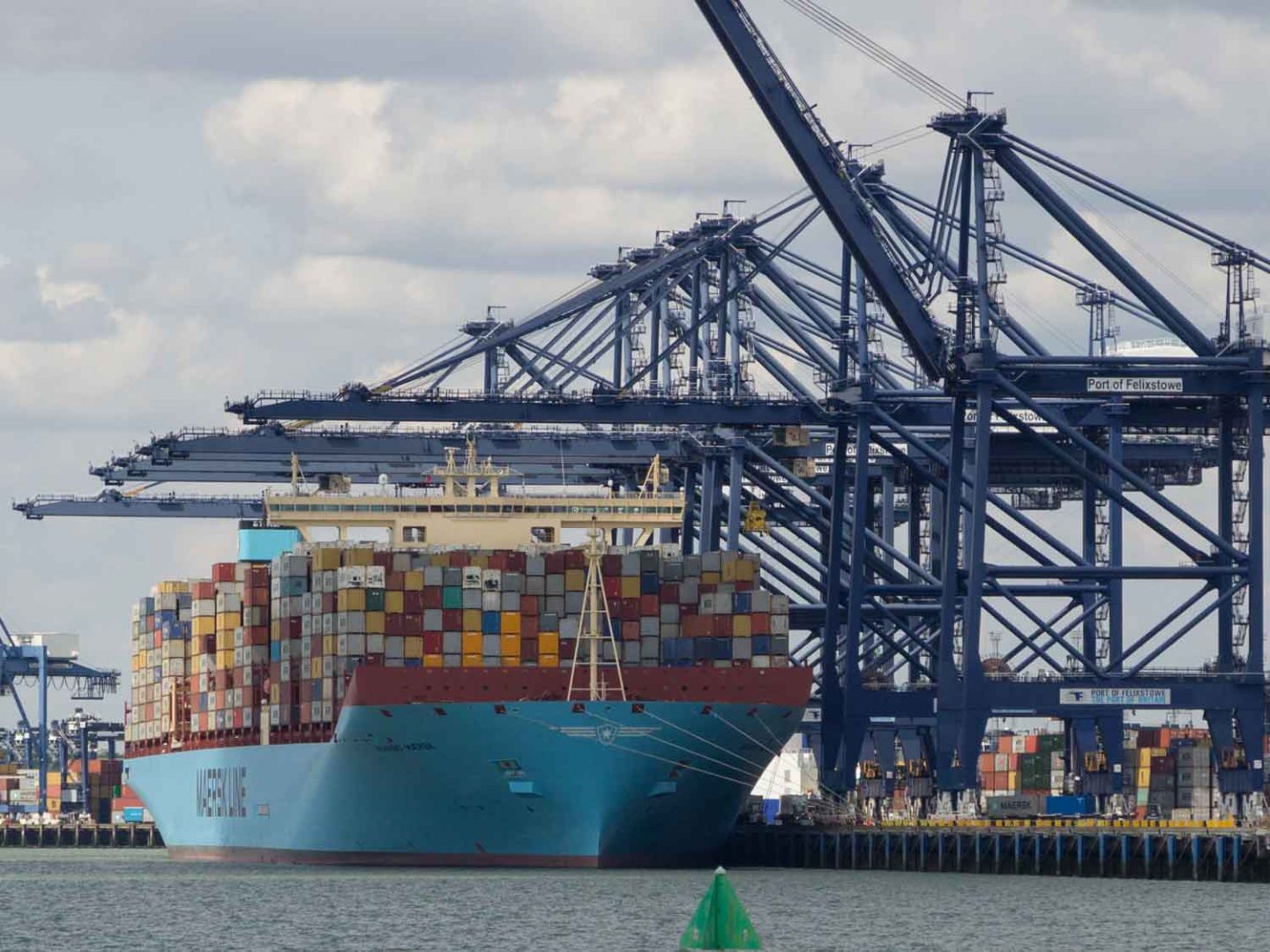
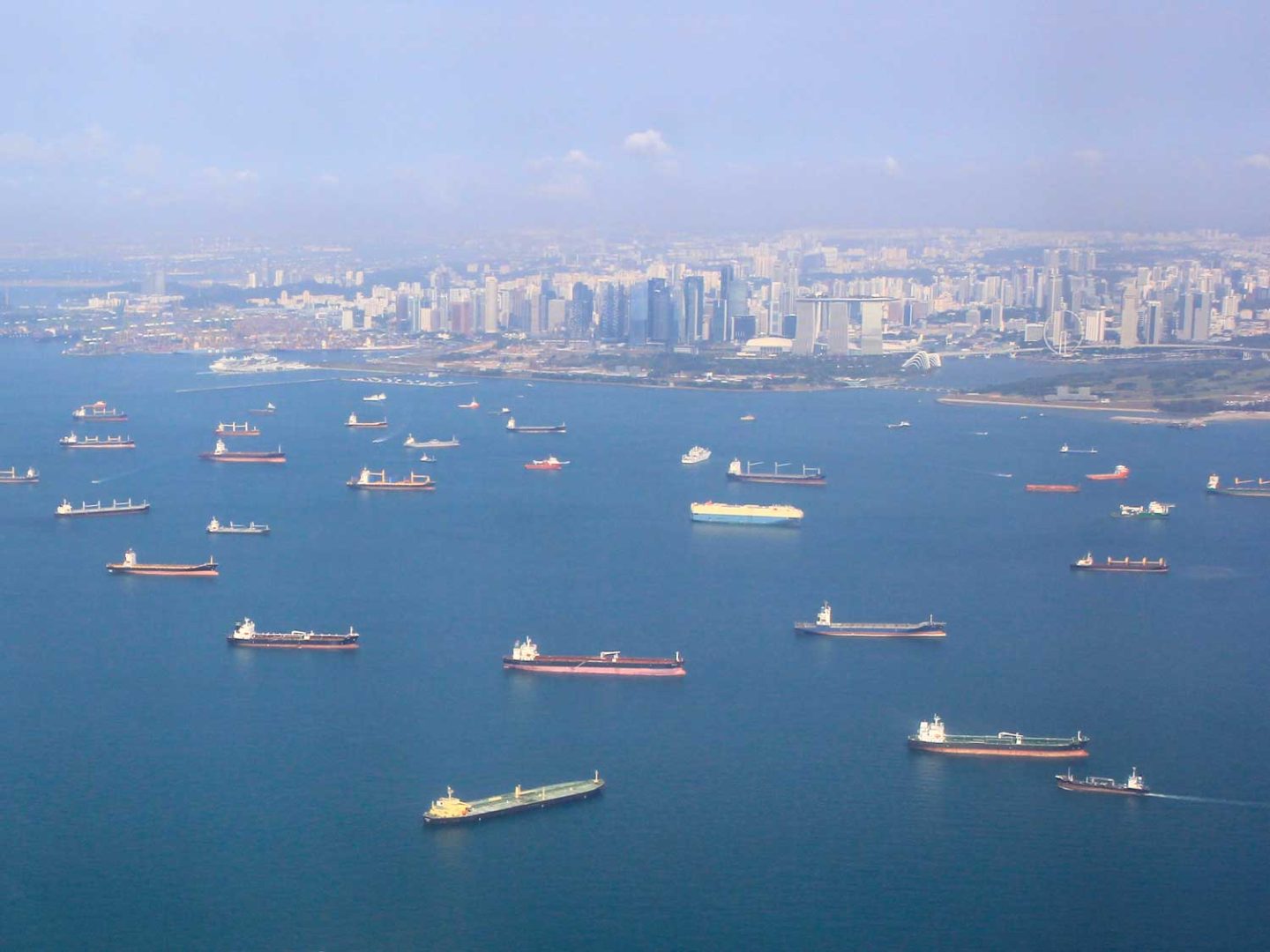
Container carriers operating between Asia, Europe, and the United States are leaning heavily on blank sailings to manage capacity and stabilise freight rates amidst ongoing market challenges.

With a significant proportion of scheduled sailings cancelled, this strategy has become a defining feature of the current sea freight landscape, impacting reliability and operating across key trade lanes.

Capacity cuts to sustain rates
Over the next five weeks, approximately 10% of scheduled sailings on major East-West trade lanes have been cancelled. These blank sailings, which represent 70 cancelled voyages globally, are concentrated on the transpacific eastbound trade (50%), followed by transatlantic westbound (27%) and Asia-Europe westbound routes (23%).

This strategic capacity reduction reflects carrier efforts to curb the downward pressure on freight rates, with alliances such as THE Alliance, OCEAN Alliance, and 2M each cancelling 14 voyages. Additionally, non-alliance services have contributed to 28 blank sailings during this period. However, this comes at the cost of declining schedule reliability, with around 10% of vessels expected to miss their planned departures.

Freight rate trends and challenges
Despite capacity cuts, Asia-Europe rate hikes have struggled to gain traction, with carriers introducing new general rate increases (GRIs) and freight all kinds (FAK) rates which have pushed spot rates higher.

While some Asia-Europe rates showed modest gains—with increases of over 20% on certain legs—the overall impact of GRIs has been limited, with transpacific routes struggling. We remain sceptical about the sustainability of further December hikes, as past increases have often dissipated quickly.

Evolving dynamics
The annual contract cycle for Asia-Europe routes is shifting from a January-December framework to a more flexible Q1-to-Q1 arrangement, with some carriers delaying agreements until after the Chinese New Year in late January, in the expectation of some stability.

The heavy reliance on blank sailings highlights the precarious balance carriers are attempting to strike between capacity management and rate stabilisation. While this strategy has mitigated some downward pricing pressures, it has also introduced operational disruptions and diminished schedule reliability.

As carriers continue to adjust capacity in the coming weeks, further blank sailings are expected, underscoring the importance of sharing shipping forecasts, to ensure resilience in the supply chain.

We recommend talking to us now, if you have high-priority orders and sharing your shipping forecasts, so that we can secure your space, on the services that meet your deadlines, at the best possible rates.

To learn how we can safeguard and enhance your ocean supply chain, please EMAIL our Chief Commercial Officer, Andy Smith. 
Trump on tv 1440x1080 1

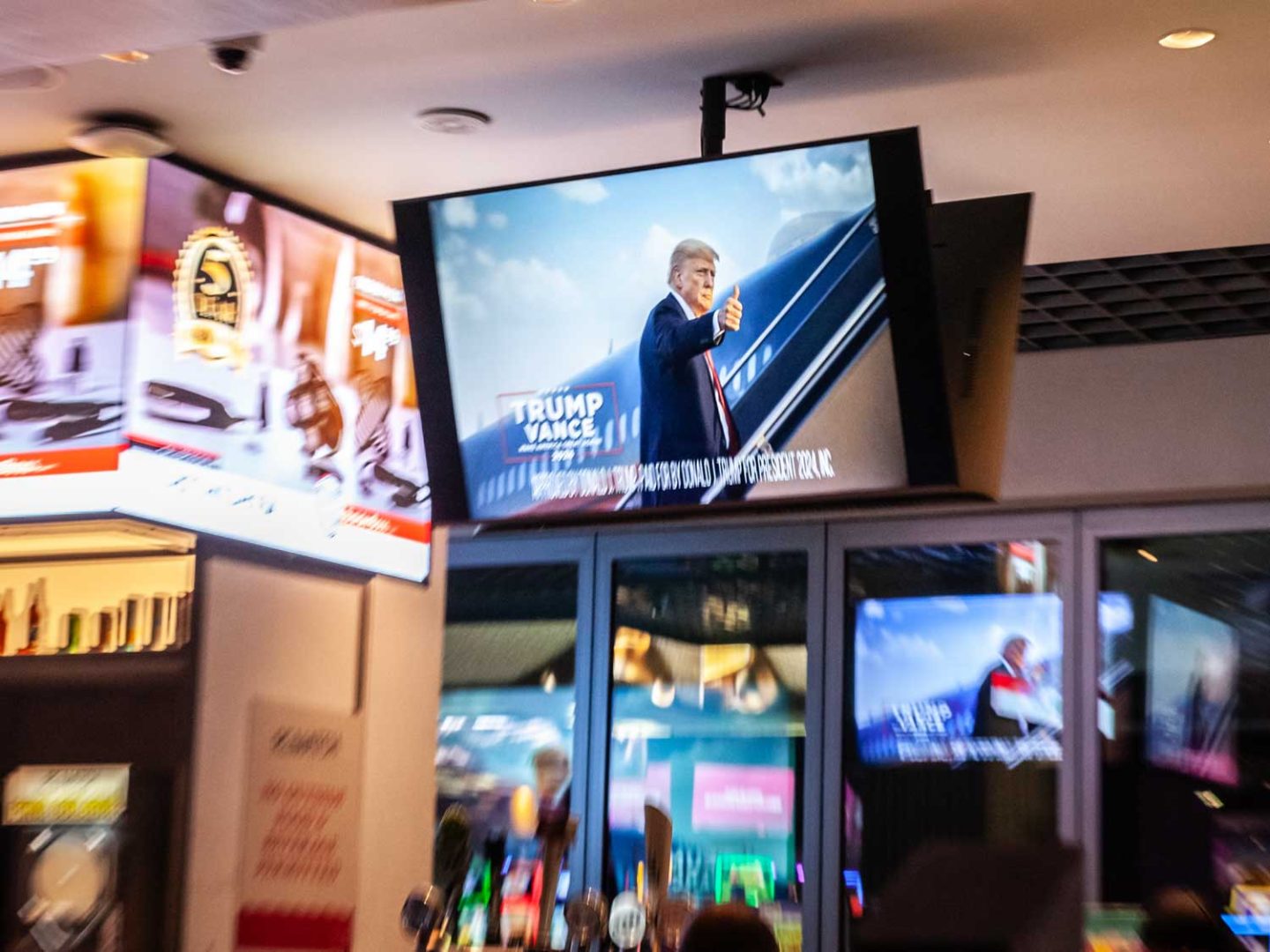
The potential impact of the new US administration on global trade

As the United States, and the world, braces for potential shifts in trade policy, new tariff proposals and ongoing supply chain challenges are reshaping the global logistics landscape.

President-Elect Trump’s threatened trade tariffs, along with geopolitical and operational pressures, are driving significant changes in import patterns, freight rates, and supply chain strategies.

Protectionist policies
President Trump’s first administration was marked by aggressive trade policies, and his second term is marked by a resurgence of tariff-based strategies targeting China and other major trading partners. Proposed tariffs include a universal rate of 10-20% on all imports to the US, with an additional 60-100% on imports from China, together with another 10% above any additional tariffs, on all products, until the supply of the illegal drug fentanyl ceases. 

These measures could significantly raise consumer costs for goods such as apparel, toys, furniture, and household appliances. In 2023, tariffs on Chinese apparel cost U.S. companies and consumers $1.3 billion, with forecasts estimating that consumers would pay between $13.9 billion and $24 billion more annually due to the proposed tariffs.

Additional tariffs could reduce trans-Pacific shipping volumes, while supply chains may diversify further to Southeast Asia, India, and Latin America. These shifts would alter global shipping patterns and potentially lower container shipping demand from Asia.

Surge in imports ahead of tariffs
The prospect of new tariffs is expected to accelerate import activity, as businesses aim to pre-empt the potential cost increases by expediting shipments, placing substantial demand on vessel space. This surge, if realised, would exacerbate pressures on an already strained logistics infrastructure, particularly during peak seasons.

Volatility in sea freight rates
Tariff-driven demand spikes are poised to push freight rates higher, especially on trans-Pacific routes. Companies, wary of increasing costs, are likely to explore alternative sourcing locations outside China, though this has been complicated further as the US president-elect said he would sign an executive order imposing a 25% tariff on all goods coming from Mexico and Canada, after being inaugurated on 20 January 2025. The impending early Chinese lunar new year in late January 2025 further compounds the uncertainty, as shippers rush to secure capacity.

Heightened supply chain challenges
Labour disputes continue to threaten North American supply chains, with the potential for an International Longshoremen’s Association (ILA) strike if negotiations do not conclude positively by January 2025. Concurrently, recent lockouts at Montreal and Vancouver ports have disrupted trade flows, with ripple effects expected at other ports, including Halifax.

A second Trump administration may prioritise renegotiating or withdrawing from international trade agreements to favour US interests, including potential revisions to WTO agreements. Such moves could disrupt North American trade flows and create further uncertainty for global shipping stakeholders. Additionally, heightened geopolitical tensions could impact critical maritime routes and alliances, particularly in the South China Sea.

The combination of tariff uncertainties, labour disputes, and shifting sourcing strategies signals a challenging period for global trade. Rising costs and operational complexities could challenge shipping in the long term, with broader implications for economic stability.

As the situation in the United States develops we will continue to provide regular updates, but if you have any concerns or questions about how these events might impact your shipments, please reach out to us.

EMAIL Chief Commercial Officer, Andy Smith today to learn how we can safeguard your supply chain during challenging periods.

Maersk at FXT 1440x1080 1

Maersk leave Felixstowe as shipping Alliances prepare for launch

The container shipping industry is undergoing significant realignments, with three major alliances and MSC operating independently, restructuring their networks to enhance efficiency and reliability.

These alliance changes represent a major shift in container shipping, affecting global trade routes and port operations, with the major carriers adapting to evolving market needs, regulatory pressures, and cost management requirements.

In a shock move announced last week Gemini Cooperation partners, Maersk and Hapag-Lloyd have chosen London Gateway as their primary UK hub for Asia-Europe services, replacing the Port of Felixstowe. Choosing ports is crucial for the ambition of Maersk and Hapag-Lloyd to achieve 90% schedule reliability.

Through Gemini they aim to reduce network complexity by implementing single-operator loops and fewer port calls per service, thereby enhancing reliability and speed for customers. The Gemini Cooperation will deploy a fleet of approximately 290 vessels, with Maersk contributing 60% and Hapag-Lloyd 40%, totalling a combined capacity of 3.4 million TEU. 

The dissolution of the 2M Alliance between Maersk and MSC, effective January 2025, has prompted these realignments. Additionally, Hapag-Lloyd’s departure from THE Alliance has led to the formation of the Premier Alliance, comprising Ocean Network Express (ONE), Yang Ming, and HMM.

2025 Container shipping alliances

Gemini Cooperation
Formation: A new alliance starting 1st February, 2025.

Members:
Maersk
Hapag-Lloyd

Key Features:
– Focus on high reliability (target: 90% service reliability).
– Simplified loops and reduced port calls to optimize efficiency.
– Major trade lanes: Asia-Europe, Trans-Pacific, and North-South trades.
– UK hub: London Gateway (replacing Felixstowe).

Premier Alliance
Formation: Starts February 2025; a five-year agreement.

Members:
Ocean Network Express
HMM
Yang Ming

Key Features:
– Coverage of East-West trade lanes, including Asia-Europe, Asia-North America, and Trans-Pacific routes.
– Aims to improve operational efficiency and cost-sharing among smaller carriers compared to the larger players.
– While the exact number of vessels allocated to the Premier Alliance is not specified, the extensive service network suggests a significant fleet deployment.

Ocean Alliance
Formation: Originally formed in 2017; extended until 2032.

Members:
COSCO
OOCL
CMA CGM
Evergreen Marine Corporation

Key Features:
– Operates 330 vessels with a total capacity of 3.8 million TEUs.
– Major trade routes: Asia-Europe, Asia-North America, and intra-Asia.
– Focuses on stability and long-term collaboration.

MSC Standalone Network
Mediterranean Shipping Company, the world’s largest carrier by fleet size.

Key Features:
– Operates independently without alliances.
– Plans to maintain flexibility and control over service offerings.
– Network includes extensive global coverage, particularly on Asia-Europe and Trans-Pacific lanes.
– Fleet of approximately 850 container vessels (6 million TEU), with 99 vessels on order, which would add nearly 1.2 million TEU to its capacity.

Legacy Alliances (Dissolved):
2M Alliance
Members: Maersk and MSC.

THE Alliance
Members: ONE, HMM, Yang Ming (until January 2025).
– Transitioning into the Premier Alliance.

Metro negotiate contracts and volume agreements with a broad portfolio of carriers, including MSC and across the alliances, to offer our shippers the widest range of service offerings, port-pairings and rates.

Our bespoke solutions uniquely reflect our customers requirements and expectations. For further information please EMAIL Chief Commercial Officer, Andy Smith, who would be delighted to review your situation. 

FTSE 1440x1080 1

FTSE 100 firms identify supply chain threats as a principal risk

A recent study by the Boston Consulting Group, reveals that 72% of FTSE 100 companies now identify supply chain threats as a principal risk to their operations.

This heightened concern follows significant disruptions such as the Suez Canal blockage, the COVID-19 pandemic, and the Red Sea shipping crisis, which have exposed vulnerabilities in global supply chains.

Despite widespread acknowledgment of these risks, only 54 of the FTSE 100 companies have provided shareholders with detailed information on their mitigation strategies. This lack of transparency underscores the need for more robust communication regarding risk management practices.

To address these challenges, companies are implementing various strategies:

  • Supplier engagement: Regular meetings with suppliers to monitor and share potential risks.
  • Risk documentation: Compiling and updating ‘risk registers’ to document supplier-specific risks.
  • Inventory management: Maintaining higher levels of ‘buffer’ stock to mitigate short-term crises.
  • Diversification: Expanding supply chain streams to prevent business interruptions.

Technological solutions are also being leveraged to enhance resilience. Companies are implementing robust cybersecurity measures, utilising artificial intelligence for supply chain design and monitoring, deploying algorithms to identify high-risk raw materials, and conducting comprehensive assessments of suppliers’ financial resilience and infrastructure.

Supply chain risks have now reached the boardroom, with discussions taking place within executive and audit committees. This elevation in priority reflects the critical importance of supply chain stability to overall business operations.

The findings emphasise the necessity for businesses to prioritise transparency, technological innovation, and strategic planning in their supply chain management. As risks continue to evolve, proactive risk management has become a vital component of corporate governance.

Metro’s advanced supply chain technology

Metro’s proprietary cutting-edge supply chain technology has been conceived and designed to enhance visibility, control, and efficiency. The AI-driven solutions provide real-time insights into supply chain operations, enabling companies to anticipate disruptions and respond swiftly. Features include comprehensive purchase order management, multi-modal track and trace capabilities, and consignment management tools. Additionally, the MVT ECO platform allows shippers to forecast, measure, and offset global supply chain emissions, supporting sustainability goals. By integrating these technologies, businesses can strengthen their supply chain resilience and maintain operational continuity in an increasingly complex global environment.

Metro is leading the industry in developing the technologies and platforms that simplify and support the development of resilient, agile and adaptable supply chains.

Visibility, control, environmental, and customs modules, blend together with integrations of critical digital trade documents, to provide an unparalleled supply chain platform.

EMAIL Ian Powell for further Information on our digital capabilities and how we can protect and enhance your global trade and business growth ambitions.