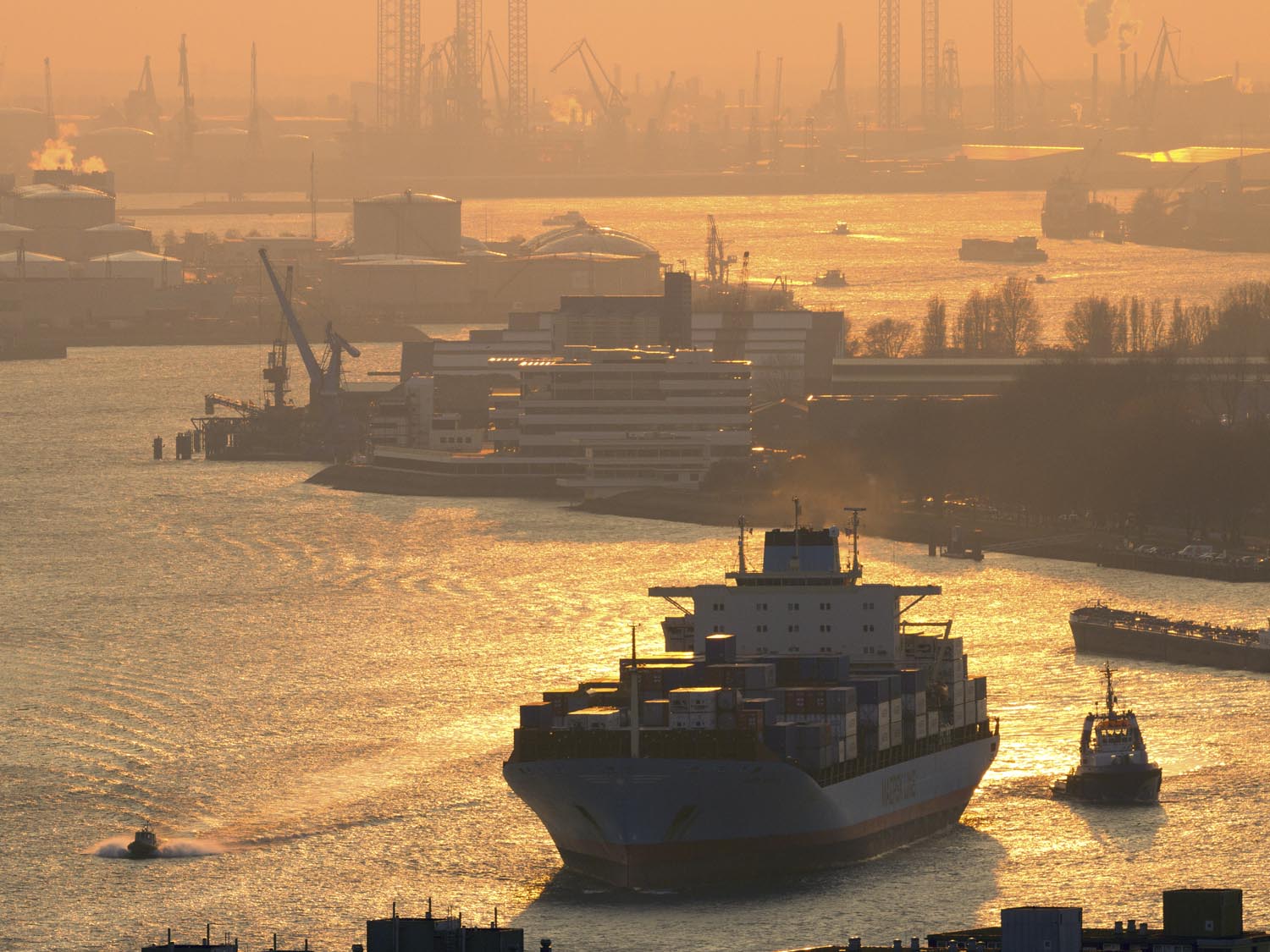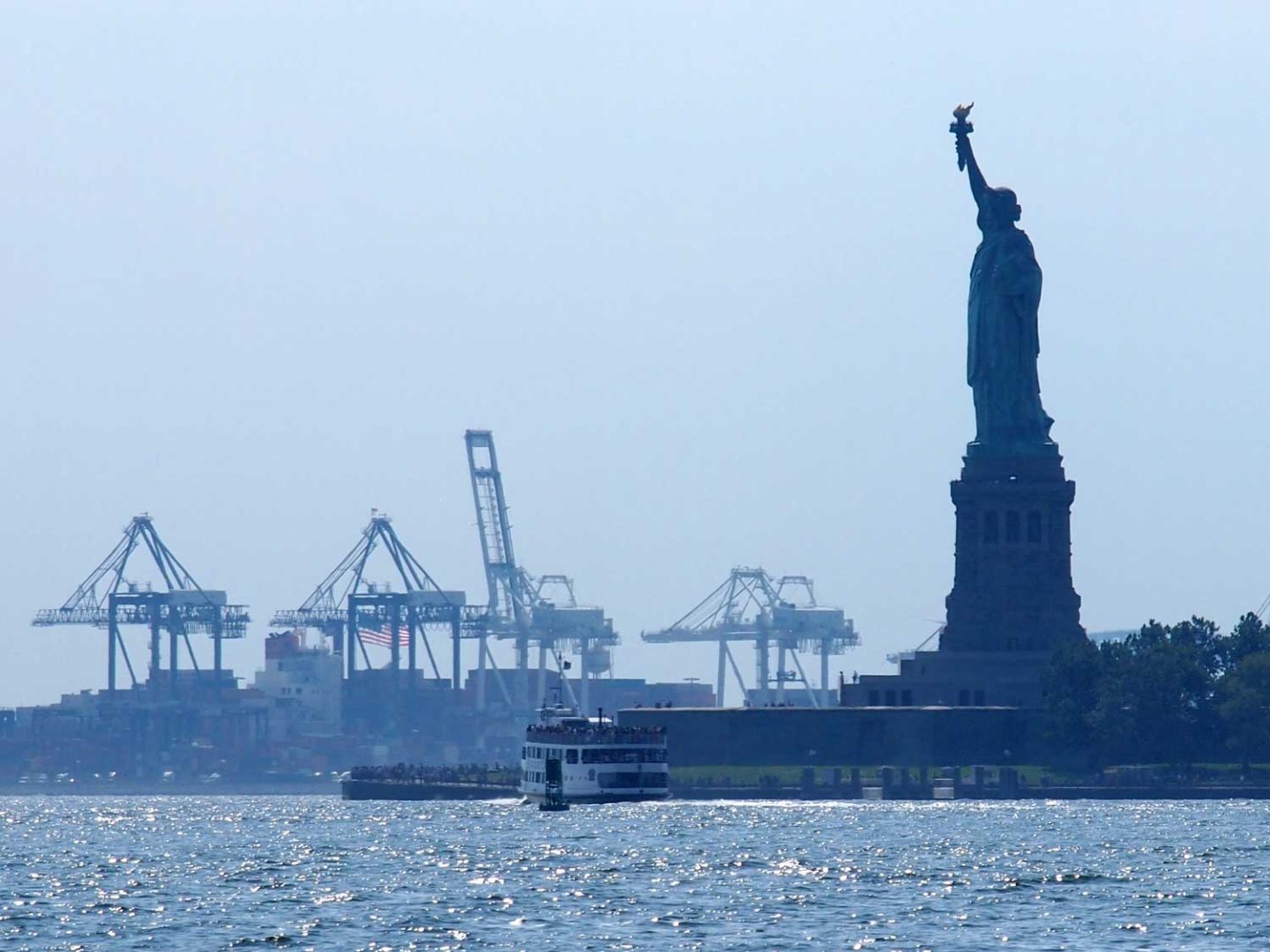
New York port 1440x1080 1

US tariff volatility puts planning under pressure

US trade policy is once again shifting, and this time the uncertainty is centred not just on what duties apply, but how long they will last and what might be added next. 

Importers face a confusing mix of “temporary” measures that refuse to go away, new proposals linked to forced labour concerns, and the ever-present risk of retaliatory action from major trading partners.

A “temporary” tariff that keeps dragging on

The 10% blanket tariff on most US imports was introduced as an emergency measure, but it has quickly become a structural cost in many supply chains.

Despite a trade court ruling against the measure, success in the ongoing appeals process means the surcharge remains in force, leaving businesses paying higher duties today without a clear view of whether, or when, it might be rolled back. 

That creates a planning dilemma. Tariffs are real and immediate, yet the long-term framework is unresolved, and there is a possibility that some duties could eventually be refunded if legal challenges succeed.

Compounding this, there are indications that tariff levels may increase further in the near term, adding another layer of complexity for forecasting, pricing and contract negotiations.

New forced-labour duties widen exposure

Alongside the existing blanket measure, proposals for forced-labour-related tariffs are poised to reshape the risk landscape.

If implemented, these duties could add up to 12.5% on imports from a broad group of economies, including key partners such as the EU and UK. Crucially, these measures would apply at a country level rather than being targeted at specific non-compliant supply chains, meaning even businesses with robust labour and ethical sourcing standards could still face higher landed costs purely due to origin.

This raises the prospect of multiple tariff layers applying to the same product, significantly inflating total duty paid and forcing companies to reconsider how, where and from whom they source.

Rethinking sourcing and compliance

The combined effect of existing and proposed tariffs is already driving change in global sourcing and production strategies.

Businesses are:

  • Reassessing sourcing locations and production footprints to reduce tariff exposure.
  • Exploring tariff engineering opportunities, including product reclassification and component changes where appropriate and compliant.
  • Tightening due diligence on labour practices and supply chain transparency as forced-labour measures gain momentum.

At the same time, the risk of retaliatory tariffs from affected partners adds further complexity, particularly for companies operating multi-directional flows between the US, Europe and other key markets.

Planning when the rules keep changing

With legal appeals ongoing and new policy proposals still moving through the system, the US tariff landscape is likely to remain fluid through the second half of the year and beyond.

Key variables include:

  • The final outcome of the appeals process and the future of the 10% blanket tariff.
  • The timing, scope and country coverage of forced-labour-related duties.
  • Potential countermeasures from other economies and their impact on cross-border trade.

In this environment, waiting for clarity is not a strategy. Businesses need to understand their exposure now, scenario-plan for different tariff outcomes, and build flexibility into their supply chains, contracts and pricing structures.

How Metro helps you stay ahead

Metro teams on both sides of the Atlantic work with importing and exporting customers across multiple sectors to overcome exactly this type of uncertainty, combining customs expertise, regulatory insight and technical brokerage solutions to keep goods moving while controlling cost and risk.

We help importers:

  • Map current and potential tariff exposure at product and lane level.
  • Evaluate alternative sourcing, routing and customs strategies that balance cost, speed and compliance.
  • Integrate trade, customs and logistics planning so tariff changes do not automatically translate into supply chain disruption.

If your business is exposed to US imports and you want to protect a customer or turn a volatile tariff environment into a managed risk rather than a threat, EMAIL our Managing Director, Andrew Smith, directly. The most effective responses to policy change are the ones you prepare before the next round affects your supply chain.
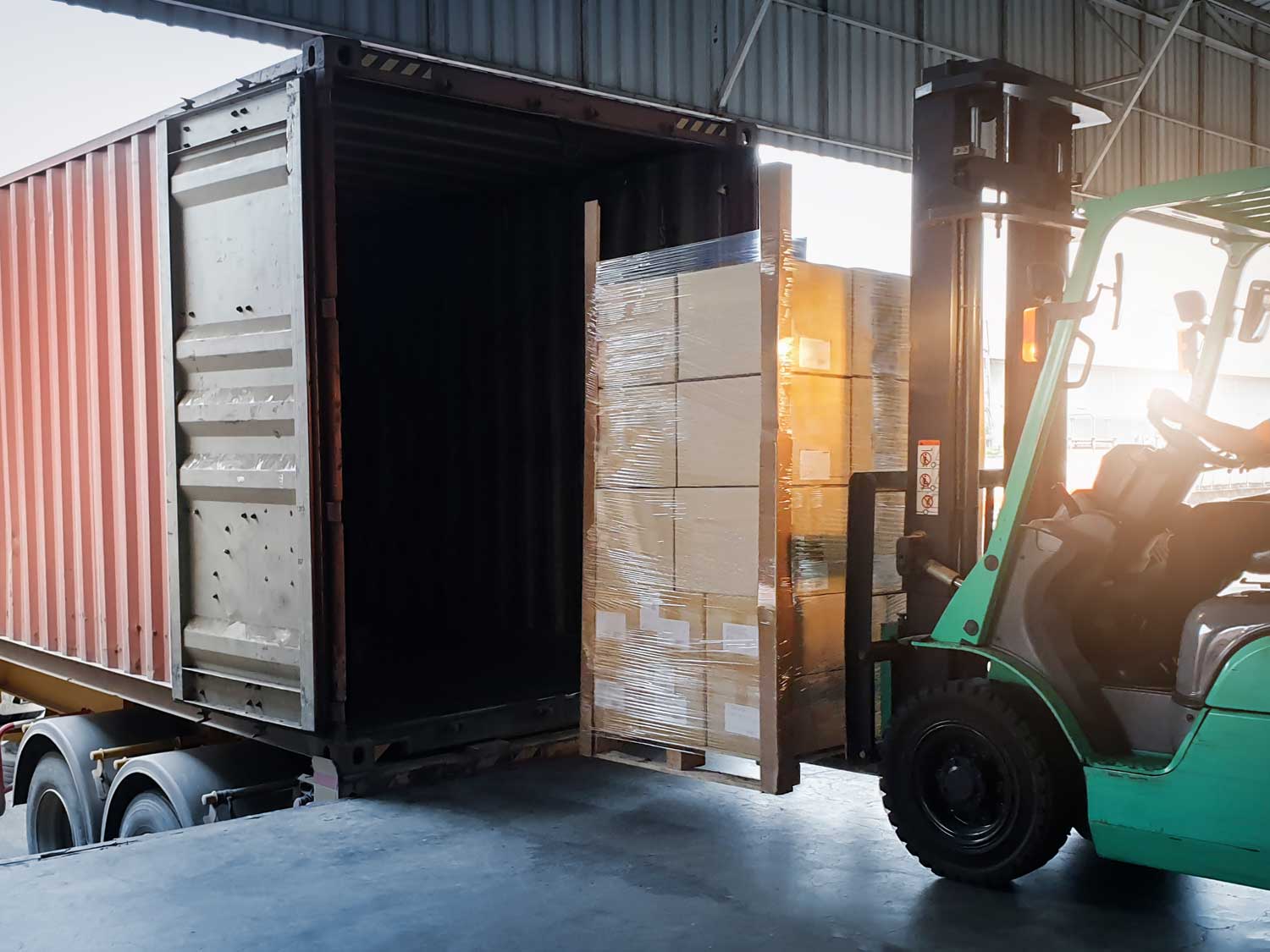

container loading

Why more importers are rethinking FCL during peak season pressure

Metro’s LCL Optimised Solution lets shippers move smaller, more frequent orders without paying for empty container space, freeing up working capital and easing the current squeeze on capacity.

As peak season tightens capacity across the major east-west container trades, many importers are reassessing whether shipping partially filled containers still makes commercial sense.

With space tighter, container equipment under pressure and freight markets increasingly volatile, Metro is seeing growing interest in flexible LCL (Less than Container Load) solutions that help businesses reduce costs, improve inventory flow and avoid paying for unused container space.

For many shippers, particularly those moving fluctuating or irregular cargo volumes, the traditional Full Container Load (FCL) model can tie up unnecessary working capital and create avoidable inefficiencies across the supply chain.

When LCL becomes more cost-effective

While FCL remains more cost-effective as shipment volumes scale, cargo volumes below 15 CBM are generally better suited to LCL solutions, while 15 to 20 CBM represents a tipping point where FCL and LCL options should be compared carefully.

That calculation becomes even more relevant during peak season periods, when under-utilised containers effectively mean paying premium freight rates for empty space.

However, the headline freight rate is only part of the picture. Many origin and destination charges, including customs clearance, documentation and terminal handling, apply whether cargo moves as FCL or LCL. The real saving often comes from avoiding under-filled containers and reducing indirect costs linked to excess inventory.

Metro’s LCL Optimised Solution

Metro’s Optimised Solution converts under-utilised 20′ and 40′ FCL shipments into LCL by loading cargo into Metro’s own consolidated containers alongside compatible freight from other customers. This improves container utilisation while giving customers access to guaranteed capacity during peak periods without paying for unused space.

Customers benefit from lower freight costs per cubic metre compared with similar volumes moving in partially filled FCL containers, alongside reduced administration and handling complexity through simplified pricing and regular consolidated departures.

Although LCL shipments naturally involve additional consolidation and deconsolidation handling, Metro’s priority processes for LCL conversions minimise disruption, reduce risk and maintain cargo integrity throughout the shipment process.

The overall result is a more flexible and commercially efficient shipping model for importers whose cargo volumes no longer justify dedicated FCL space on every movement.

Reducing inventory pressure and improving flexibility

Smaller and more frequent shipments help reduce the amount of cash tied up in bulk inventory while also lowering storage pressure and dwell time at origin.

Businesses gain greater flexibility to respond to changing demand patterns without committing to large inventory positions weeks or months in advance. In volatile market conditions, that flexibility can become a major operational advantage.

Metro’s regular consolidated departures also help customers reduce origin delays and improve supply chain responsiveness during periods of disruption, particularly when container shortages and rolling bookings are affecting traditional FCL movements.

As market conditions remain volatile and peak season pressure continues building, many importers are reviewing whether every shipment genuinely requires a full container, or whether a smarter consolidation strategy could unlock greater efficiency across the supply chain.

Metro’s Optimised LCL Solution helps customers reduce freight costs, free up working capital, secure guaranteed space and avoid paying for under-utilised containers during volatile market conditions.

If you would like to explore whether converting FCL shipments into Metro’s consolidated LCL solution could improve your supply chain efficiency, save money and improve your cash flow, EMAIL Key Account Director Jane Kenny.

steel in car manufacturing

UK steel tariff changes reshape import costs

The UK’s incoming steel trade measures are set to reshape import dynamics almost overnight, with significant cost and compliance implications for manufacturers, construction firms, and industrial supply chains.

From 1 July 2026, the UK will replace its current steel safeguards with a far more restrictive tariff rate quota (TRQ) system. Tariff-free quotas will be cut by around 60% overall, with some key product categories seeing reductions of up to 90%. At the same time, the duty applied to volumes above quota will double to 50%.

The measures apply across approximately 20 steel product categories, including flat products, bars, and pipes, and notably apply regardless of origin, including imports from EU and other trade agreement partners.

While positioned as a move to protect domestic steel production, the reality for importers is a much tighter and more punitive operating environment.

Why this matters for importers

For UK businesses reliant on imported steel, including automotive, machinery, construction, and engineering, the changes introduce both immediate cost risk and ongoing supply uncertainty.

The most significant shift is how quickly quotas are expected to be exhausted. With volumes sharply reduced, many categories could run out within days or weeks of each quarter opening, rather than lasting the full period. Once quotas are filled, any additional imports will face a 50% duty, creating a substantial and potentially unmanageable cost increase.

At the same time, domestic supply is unlikely to fill the gap. Many manufacturers rely on specific grades or forms of steel that are not readily available in the UK, meaning substitution is not always viable.

Rising costs and supply chain pressure

Industry bodies are already warning of widespread disruption. Higher input costs are expected to ripple through supply chains, increasing production costs and reducing competitiveness for UK manufacturers.

There is also growing concern around material availability. In sectors such as construction, limited domestic capacity combined with tighter import restrictions could lead to shortages of key products, delaying projects and adding further cost pressure.

For exporters, the impact is twofold: higher input costs at home and increased competition from overseas producers who are not subject to the same tariff burden.

Operational complexity increases

Beyond cost, the new regime introduces a more complex and time-sensitive import process.

The TRQ system will continue to operate on a first-come, first-served basis, with quarterly allocations managed through HMRC. This puts significant pressure on timing, both in terms of shipment planning and customs entry.

If a shipment is declared after a quota has been exhausted, it will immediately fall into the higher duty bracket, regardless of when it was shipped. This makes accurate forecasting, documentation, and coordination between supply chain partners critical.

Importers will need to pay close attention to:

  • Entry timing versus quota availability.
  • Correct tariff classification and documentation.
  • Coordination between forwarders, brokers, and internal teams.
  • Monitoring quota usage in near real time.

Even small missteps could result in substantial, avoidable duty exposure.

Behavioural shifts already underway

In response, many importers are already adjusting their strategies. There are signs of front-loading shipments ahead of the July deadline, alongside contingency planning based on higher landed cost scenarios.

Some businesses are modelling worst-case pricing as a baseline, while others are reviewing sourcing strategies or considering inventory increases to mitigate risk.

However, these are short-term responses. Longer term, the market may see shifts in sourcing patterns, pricing structures, and even production locations if cost pressures 

persist.

With additional measures such as the UK’s Carbon Border Adjustment Mechanism (CBAM) due to follow in 2027, importers face a longer-term trajectory of rising complexity and cost.

The new steel regime will penalise those who don’t plan ahead and prepare. Metro’s customs and compliance experts are already supporting clients with quota planning, tariff classification, and import strategy to minimise risk and control costs.

For tailored guidance on how these changes will affect your business, EMAIL Andy Fitchett, Metro’s Head of Customs & Compliance.

Rotterdam sunset

Port congestion spreads as delays ripple through global supply chains

Port congestion in North Europe and East Asia is increasingly a two-ended problem: weather and capacity issues at origin delay departures, and when those same vessels finally reach port in Europe, they miss their planned berths and are forced to wait again, magnifying disruption throughout supply chains.

Congestion across key container gateways in Asia and Northern Europe is once again creating significant disruption with delays at Shanghai, Ningbo, Rotterdam and Antwerp increasingly feeding into one another and extending transit uncertainty across the entire east-west trade.

While individual delays at a single port are not unusual during peak season, the current challenge is the growing “cascade effect” developing across vessel schedules, inland transport networks and terminal operations.

In simple terms, disruption at one end of the trade lane is now directly increasing congestion at the other.

Weather disruption and vessel bunching hit China exports

Shanghai and Ningbo are both experiencing elevated congestion levels as heavy seasonal demand combines with poor weather, vessel bunching and continued schedule disruption linked to longer Cape routings.

Dense fog and adverse weather conditions around China’s east coast have already caused berth delays ranging from two to seven days at some Shanghai terminals, while Ningbo is also experiencing extended waiting times and increasing yard density pressure.

The knock-on effect quickly spreads through carrier schedules.

When vessels are delayed departing China, they frequently miss planned arrival windows into Northern Europe. Once that happens, carriers can lose their allocated berth slots, forcing vessels to wait offshore for new availability.

That creates a compounding cycle where both origin and destination ports become congested simultaneously.

Container equipment shortages are also worsening across major Asian export hubs as carriers struggle to reposition empty containers back into loading ports quickly enough to meet demand.

Rotterdam and Antwerp under mounting pressure

Northern Europe’s largest container hubs are now facing growing operational strain as delayed vessel arrivals collide with already congested inland transport networks.

Rotterdam and Antwerp are both reporting severe inland barge disruption, with waiting times regularly stretching towards four days. Yard utilisation remains extremely high across several terminals, while reduced crane availability, feeder delays and weather-related stoppages continue limiting operational fluidity.

Strong winds across Northern Europe have added further intermittent disruption, particularly at Antwerp, where terminals are struggling with vessel bunching and rising container dwell times.

The challenge extends far beyond the quayside.

As terminals prioritise delayed deep-sea vessels, inland barges often face secondary status within the operational flow, creating additional delays for hinterland cargo movement. In some cases, containers are remaining on terminals significantly longer than operationally ideal, increasing storage pressure and reducing yard efficiency.

Road and rail networks are also coming under increasing pressure as shippers divert cargo away from delayed barge services to avoid demurrage, detention and missed supply chain deadlines.

Inland transport disruption adds to the congestion cycle

The wider Northern European inland network is also becoming increasingly fragile.

Rail disruption across Germany, including infrastructure works, route closures and operational bottlenecks around Hamburg, is further complicating cargo flows into and out of the ports. Delayed trains, missed vessel connections and network overload are creating additional uncertainty for importers trying to maintain reliable inventory flows during an already volatile peak season environment.

This means delays are no longer isolated to one transport mode.

A weather delay in China can now create missed vessel berthing windows in Europe, which then impacts inland barges, rail schedules, feeder services and final cargo delivery timelines across multiple countries.

What this means for shippers

The current market reinforces how interconnected global container networks have become.

Longer transit times around the Cape of Good Hope have already reduced schedule reliability, while peak season demand and equipment shortages are tightening operational flexibility across both Asia and Europe.

For shippers, this creates growing importance around earlier booking windows, flexible inland transport planning and close coordination across origin, ocean and destination operations.

Importers moving time-sensitive cargo may increasingly need contingency planning around rail, road and barge options as congestion conditions continue evolving across Northern Europe during the summer peak period.

Metro combines global ocean freight expertise, proactive shipment management and integrated inland transport coordination to help customers minimise disruption and maintain cargo flow during volatile market conditions.

To discuss your supply chain planning, routing options or congestion mitigation strategies, EMAIL Managing Director Andrew Smith.