food study

Air cargo under pressure as peak season looms

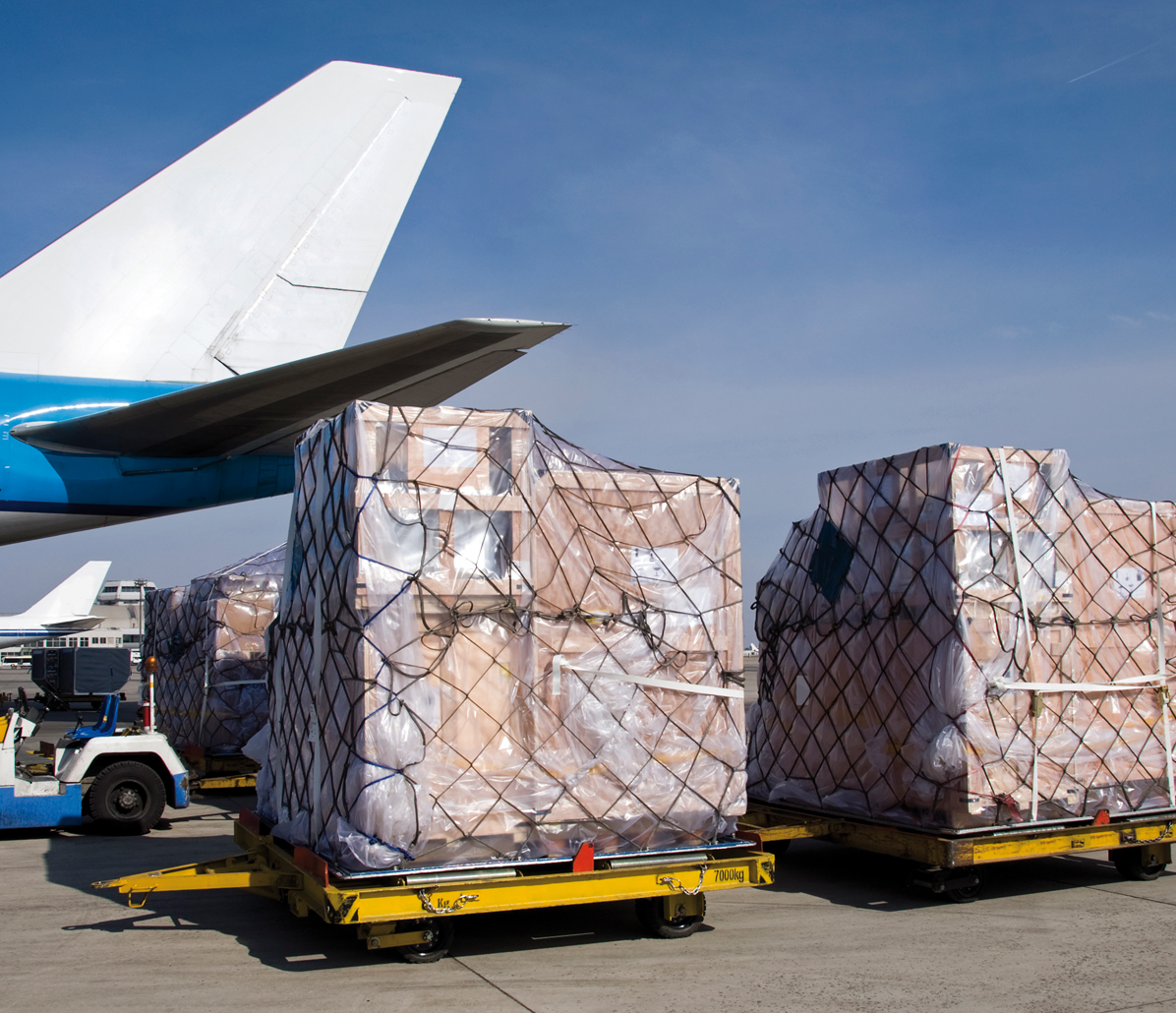
With capacity already strained and further challenges expected from potential labour strikes and reduced belly capacity in the final quarter, shippers are under increasing pressure to secure cargo space ahead of the peak season.

Strong demand
According to IATA’s latest figures global air cargo demand surged by 14% year-on-year in July, marking the eighth consecutive month of double-digit growth. This increase is largely driven by ongoing eCommerce expansion and disruptions such as the Red Sea crisis.

Despite the high demand, capacity only grew by 8%, pushing load factors up significantly and intensifying the pressure on available space.

The Asia Pacific region has seen particularly strong growth, with demand up 18% year-on-year in August, while North American carriers recorded an 9% increase, even amid disruptions like Hurricane Beryl. The Asia-North America trade lane experienced an 11% rise, and transatlantic routes also saw rates climb  in August compared to July, with expectations of further increases as the year progresses.

Preparing for peak season
With the peak shipping season starting in September, air cargo demand is expected to remain robust, particularly in high-demand regions like Asia Pacific. However, capacity constraints are already evident, with flights on many lanes fully booked. The market faces potential additional pressure from reduced belly capacity in Q4 and the possibility of strikes at US East Coast ports, which could exacerbate the existing challenges.

Shifting capacity
The ongoing Red Sea crisis has disrupted traditional shipping routes, leading to a shift towards air freight as shippers seek more reliable alternatives. This shift, combined with the seasonal reduction of capacity on other lanes, has left the market vulnerable to further disruptions, potentially causing backlogs and price spikes.

As carriers redirect freighter capacity to the high-demand Asia market and reduce capacity on other routes, the market’s fragility increases. The anticipation of a strong peak season, coupled with the current tight capacity, means that shippers must act quickly to secure space and avoid significant disruptions.

Outlook and recommendations
Given the current market conditions, shippers are strongly advised to plan ahead and secure air freight space as soon as possible. The combination of high demand, potential capacity shortages, and the risk of labour disruptions could lead to an overheated market towards the end of the year, with rates likely to continue rising.

Early booking and careful planning are essential to navigate the challenging air freight landscape in the coming months, so please share your forecasts with us as early as possible so that we can ensure there are no disruptions to your supply chain.

For urgent, valuable and sensitive shipments we have a range of airfreight, charter and sea/air solutions, with block space agreements (BSA) and capacity purchase agreements (CPA) to protect space and capacity on the busiest routes.

Regardless of your cargo type, size and requirements, we have extremely competitive rate and service combinations, to meet every deadline and budget.

EMAIL Elliot Carlile, Operations Director, for insights, prices and advice. 

dna banner v3

Sustainability focus

When managed effectively, supply chains not only reduce costs and boost profitability but also play a crucial role in sustainability. The impact of climate change has underscored the need to improve supply chains to protect our ecosystem and conserve natural resources for future generations.

As the global push for decarbonisation intensifies, both the maritime and aviation sectors are under pressure to adopt sustainable practices. Metro has been at the forefront of these efforts, investing in new fuel technologies that will support the green transition.

Ocean
In July, the International Maritime Organisation (IMO) set a new climate strategy aiming for net-zero greenhouse gas emissions by around 2050. Interim targets include reducing emissions by 20%-30% by 2030 and 70%-80% by 2040, compared to 2008 levels. To achieve the 2030 target with green fuels alone, over one-third of international shipping would need to transition to low or zero-emission fuels within 5-6 years, which is highly challenging.

However, the IMO could meet its 2030 goal with only 10% of ships using green fuels if it also significantly improves energy efficiency. This would require increasing the energy efficiency target from 22% to 38% by 2030, which could involve widespread adoption of wind technologies and reduced operating speeds.

Shipping CEOs have united to push for faster decarbonisation in global maritime transport, advocating for an end date for fossil fuel-only ships and urging the International Maritime Organization (IMO) to establish regulations that will speed up the shift to green fuels.

Their joint declaration outlines four key regulations:
1. Set an end date for new fossil fuel-only ships and establish a timeline for greenhouse gas (GHG) intensity standards to encourage investment in green technologies
2. Implement GHG pricing to make green fuels competitive with traditional fuels during the transition
3. Allow vessel pooling for GHG compliance, where a group’s overall performance counts, accelerating decarbonisation
4. Adopt a Well-to-Wake (lifecycle) GHG approach to guide investments and avoid stranded assets

LNG is seen as the most practical current solution for decarbonisation, with the ability to transition to net-zero carbon fuels like bio-LNG and e-LNG. LNG-fuelled ships are growing in numbers, with over 1,000 expected by 2027, compared to just 36 a decade ago.

Air
The aviation industry is relying on SAF to achieve 65% of its net-zero emissions target by 2050, but current production is a fraction of the 500 million tonnes needed annually by 2050 and the challenge now lies in financing, not engineering.

Investors are being urged to fund large-scale SAF ventures, as this could lead to a new industry that transforms aviation, creates jobs, and offers substantial financial returns.

Redirecting some of the $7 trillion in fossil fuel government subsidies could significantly accelerate the shift to sustainable fuels, with countries like Japan, Singapore, and the US already incentivising SAF production.

Metro has been investing in Sustainable Aviation Fuel for years, and was the first forwarder to join the Air France KLM Martinair Cargo (AFKLMP Cargo) SAF programme.

Grant Liddell, Metro’s managing director said. “We are proud to take this collaborative approach directly with the airlines. Air France and KLM have been pioneering SAF since 2009 and Metro’s participation will help fund the research and development, which can increase production and make SAF available in greater quantities and in more locations.”

Metro has been certified carbon neutral for three years and is committed to extending this zero-emission strategy as far down customers’ supply chains as possible. 

The same toolkit we use to measure, reporting and offset our emissions, to achieve carbon neutrality, is available ‘free of charge’ to our customers.

Part of our MVT supply chain platform, the ECO module monitors the energy emissions, emission costs and CO2 equivalent emissions, of customers’ consignments, by every mode. 

Reports and key eco statistics related to their movements, allow them to see which areas will benefit most from emissions offsetting and where efforts can have the most impact.

To request a demo or discuss your requirements, please EMAIL Ian Powell.

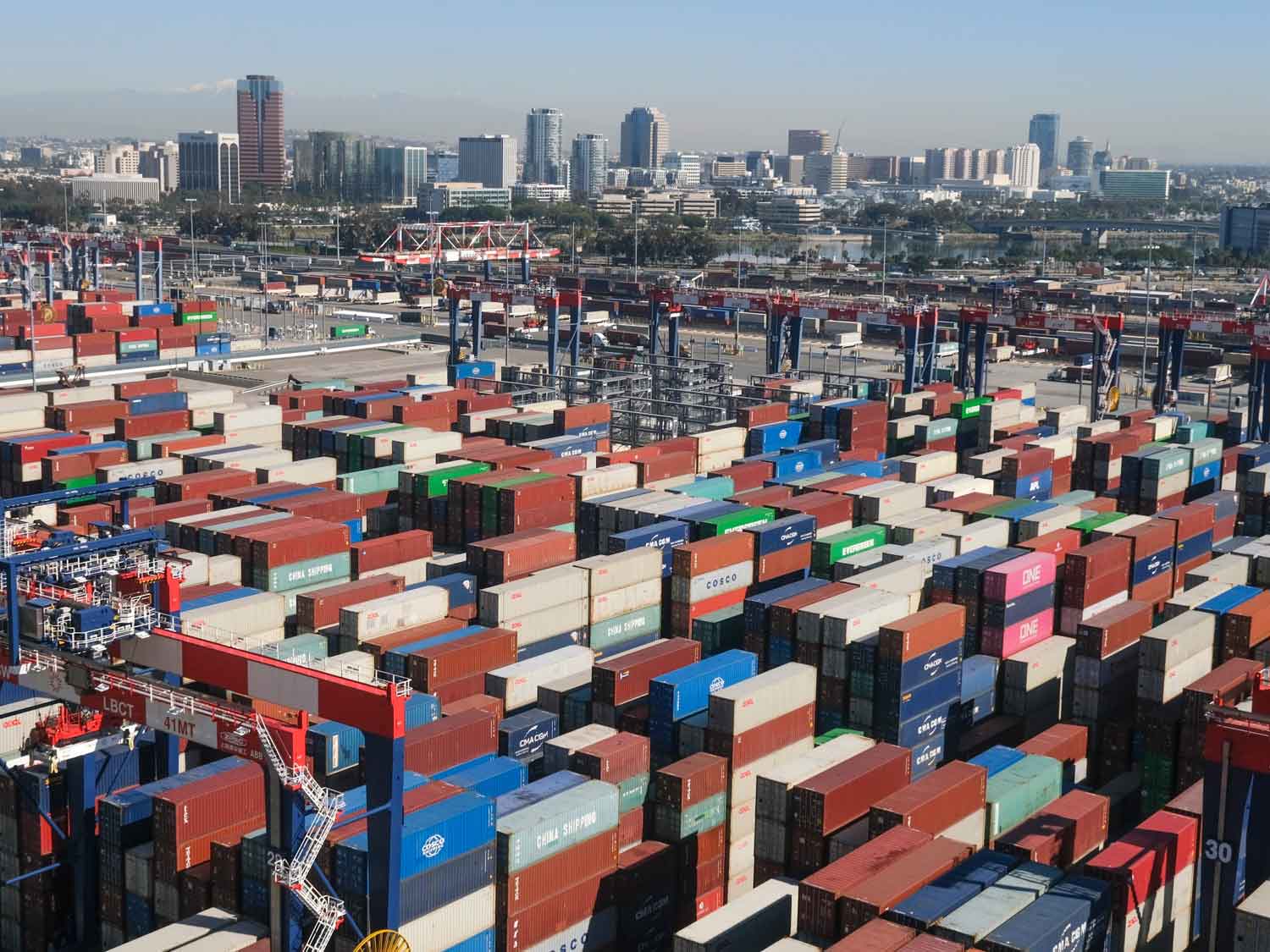
Long Beach 1

US supply chains face multiple threats

Importers are entering a critical period, with looming labour disputes, capacity pressures, and surges in maritime and airfreight volumes are creating challenges that could disrupt supply chains well into the fourth quarter.

Demand surge
The Port of Los Angeles handled a record-breaking 940k TEU in July, up 37% YoY, with the US’ largest container gateway 18% ahead of 2023 volumes.

US imports from Asia have been climbing for 10 consecutive months, with no sign of slowing down. A surge in import volumes is expected in August as businesses have been front-loading shipments ahead of a potential ILA strike.

Analysts had originally predicted a tapering of imports during the traditional peak season from August to October, but the market is now expecting year-over-year increases in monthly imports through the end of 2024.

The increase in trans-Atlantic import volumes has not completely eased pressure for space, with a 7% growth in volume during H1 2024 and the container shipping lines announcing peak season surcharges (PSS) for 1st September.

Ocean capacity
Since early July, capacity constraints on the West Coast have begun to ease, thanks to the launch and reintroduction of at least ten services. This shift has widened the rate differential between East and West coast ports, with East Coast rates now nearly 50% higher, the largest gap seen since October 2022.

However, East Coast spot rates may soften in the latter half of August if demand drops, because importers have been front-loading shipments to leave Asia in time for Black Friday sales and to avoid disruption posed by a looming strike. The International Longshoremen’s Association (ILA) contract with East and Gulf Coast maritime employers is set to expire on 30th September, and nothing has been agreed to take its place.

ILA strike
The potential for an ILA strike has become a major concern for the shipping industry. The ILA is demanding a nearly 80% wage increase over the next six years, a proposal that maritime employers have yet to agree upon.

With the union issuing a 60-day strike notice, the possibility of industrial action is growing, with ILA locals from the East and Gulf coasts expected to meet early September to finalise strike strategies. ILA President Harold Daggett has made it clear that members will not continue working beyond the contract’s expiration if their demands are not met.

Canadian rail strike
Canada faces potential industrial action at its two main freight rail companies, Canadian National Railway (CN) and Canadian Pacific Kansas City (CPKC), starting Thursday 22nd August. Both companies plan to lock out union workers due to stalled labour negotiations.

The Teamsters union has issued strike notices, and without last-minute agreements, a work stoppage is expected. US operations will continue.

From 20th August, CPKC has said it will stop all shipments that start in Canada and all shipments originating in the US that are headed for Canada, while CN, meanwhile, has barred container imports from US partner railroads.

Both rail companies have said that their trains running in the US will continue to work.

The shutdown will disrupt freight movements to and from the West Coast ports of Vancouver and Prince Rupert. Contingency plans include using long-haul trucks or rerouting cargo through US railroads via Seattle.

Airfreight pressure
If port strikes do occur, they will inevitably spill over into the airfreight sector, leading to a significant spike in demand. However, with airfreight is already under massive pressure from heightened eCommerce activity driven by platforms like Shein and Temu.

Shein alone now accounts for about 20% of global fast-fashion sales, filling 50 to 80 freighter aircraft daily with shipments from China to the US.

An ILA strike would likely exacerbate these capacity constraints, as “distressed” ocean cargo seeks expedited transport, further tightening airfreight capacity. Rates are already surging, with trans-Pacific spot rates up 70% year over year, levels typically seen during Q4 and carriers considering peak season surcharges at the beginning of September.

With all these factors in play, Q4 is shaping up to be a challenging period for US supply chains. If you have any concerns about these potential disruptions, we are available to review your situation, explore your options, and develop contingency plans where necessary.

To learn how we can support your trade with the United States or for more information about our ocean solutions, please EMAIL our Chief Commercial Officer, Andy Smith.

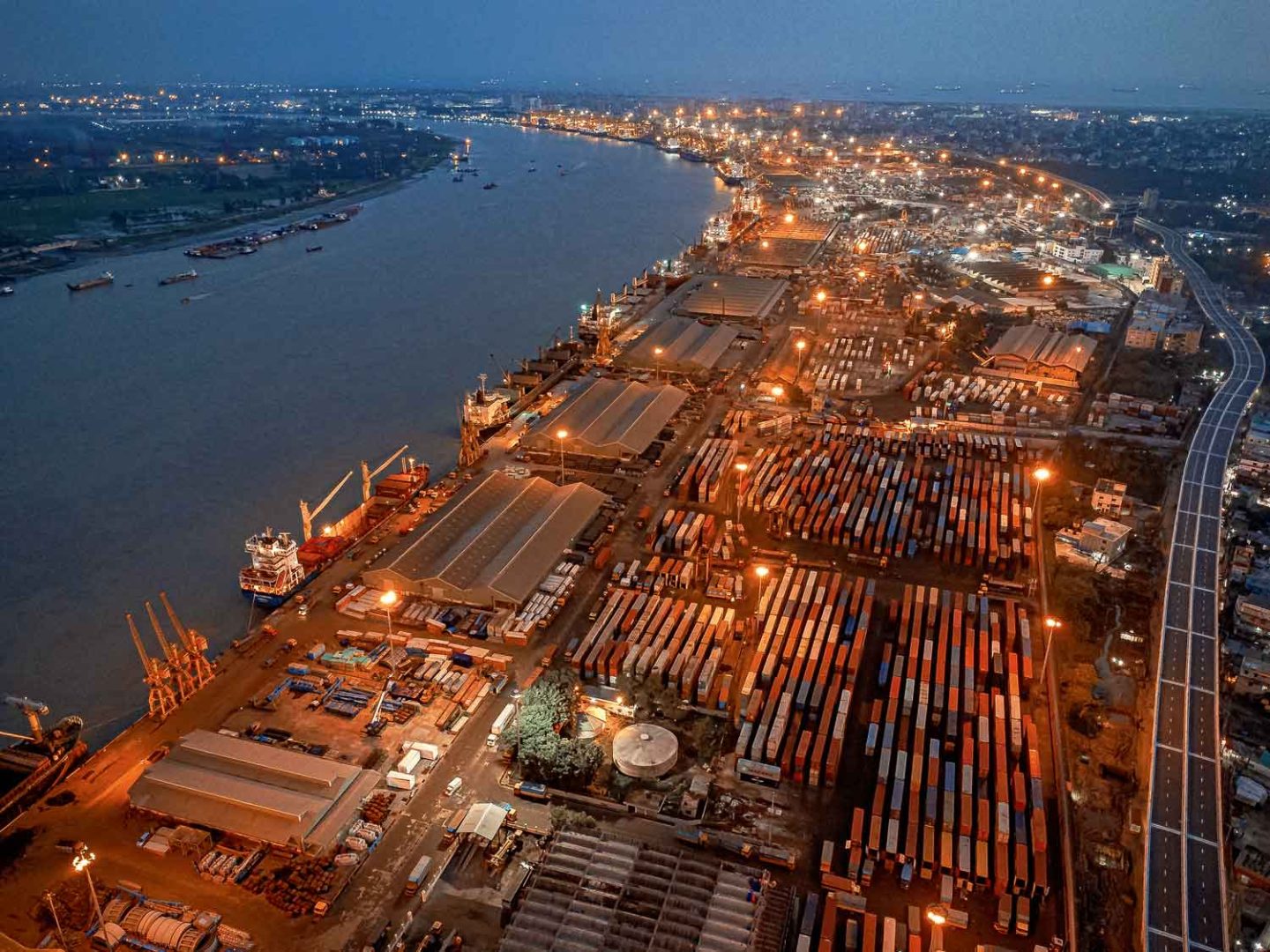
Chittagong port 1440x1080 1

Bangladesh’s garment industry determined to rebuild global confidence

As factories reopen, truck movements increase, and key logistics operations resume, Bangladesh’s garment industry is determined to recover and win back their customers’ confidence.

Rail freight operations resumed on Monday, 12th August, and airports, container freight stations, terminals, and ports remain operational with essential personnel working to process cargo.

Truck and container movements have seen an uptick, reflecting the country’s determination to get back on track despite the recent turmoil. However, the situation remains fluid, and our local partners are working tirelessly to find solutions to keep cargo moving.

The political unrest, which culminated in the fall of Prime Minister Sheikh Hasina’s government, has shaken buyer confidence, with factories forced to close during curfews triggered by weeks of violence in July, causing significant disruptions to production and supply chains.

As a result, clothes and shoe deliveries to Europe and North America for the winter season have been delayed, with backlogs still being cleared at ports and airports.

In an effort to mitigate the damage, factories have turned to air freight and extended working hours to make up for production delays, with some backlogs stretching as far as a month.

However, this has not been enough to prevent some retailers from diverting a percentage of their orders to other suppliers in countries like Cambodia, Indonesia, India, and Turkey.

Despite this setback, Bangladeshi manufacturers are intent on regaining the confidence of global retailers. The new interim government, led by Nobel Peace Prize-winning economist Muhammad Yunus, has made reestablishing law and order a top priority. A new industrial security task force has been created, and the army has been deployed to guard factories.

Yunus has also pledged to tackle corruption and reform key institutions such as the bureaucracy and judiciary, which industry executives believe will make Bangladesh’s export sectors more competitive in the long run.

Garment and footwear producers continue to benefit from the country’s plentiful and low-cost labour, which remains an advantage that is difficult for rival suppliers to match.

As factories reopen and gradually ramp up production, some of the world’s largest fashion retailers have expressed cautious optimism, welcoming the steps taken towards greater stability. And while business may have temporarily shifted to other countries, Bangladeshi exporters are hopeful that the situation will improve soon and that the country will regain its position as a leading supplier of garments and footwear.

We are working closely with clients impacted by the evolving situation in Bangladesh to avoid disruption to their supply chains.

Our operations teams and local partners are expertly managing the challenges at Chittagong Port and Dhaka Airport, ensuring the stability of our customers’ supply chains despite ongoing regional tensions.

If you have any concerns or would like to discuss our contingency services, please reach out to our Chief Commercial Officer, Andy Smith, via EMAIL.