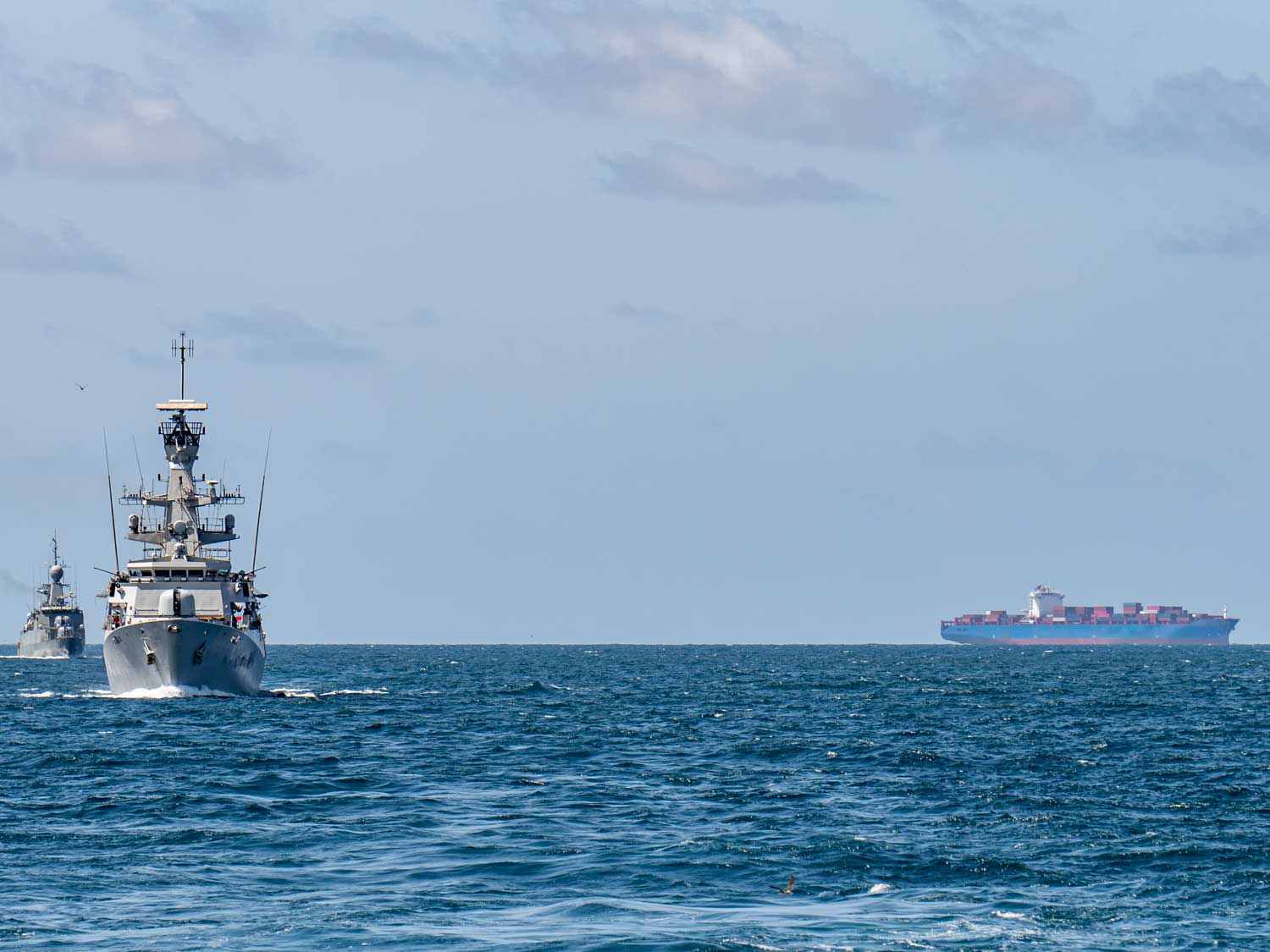
Gulf of Oman 1440x1080 1

Red Sea crisis expanding and growing

After the longest period of attack-free shipping in the Red Sea since December, the situation in the region is escalating, with an increase in Houthi attacks, fears that the ‘danger area’ may be expanding into the Arabian Sea and Indian Ocean and an Iranian vessel hijack off the Gulf of Oman.

At virtually the same time the US special envoy for Yemen indicated that the US might consider a path to revoking the terrorist designation on the Houthis if attacks on vessels are halted. The Yemeni group resumed attacks after an eight day pause and claimed to have attacked a number of warships and commercial vessels in the Arabian Sea and the Indian Ocean. 

The Houthi claims have not been corroborated and it remains uncertain if they have the capability to acquire targets that far out to sea. However, if they have been successful it may have implications for shipping, possibly forcing it to head further east and making access to the Gulf harder.

Iran hijack
In a further, unexpected development, the 15,000 teu MSC Aries was boarded and seized by Iranian Revolutionary Guard troops in international waters off the Gulf of Oman in the Straits of Hormuz on Saturday 13th April.

The Aries was managed by Zodiac Maritime, a firm controlled by the Israel-born shipping magnate Eyal Ofer, but the vessel is currently chartered to MSC and its current links to Zodiac is unclear. 

Iran’s action means the ‘maritime danger zone’ has expanded significantly and the ramifications of this illegal vessel seizure could be massive, potentially providing a catalyst for freight rates to rise in the short-term.

Insurance check
We would recommend double-checking your cargo insurance, to clarify what it covers, but also to ensure its validity should your cargo suddenly be in a war-zone, even if the planned route was not intended to transit a war-zone.

Anticipate increased risk premiums for insurance and freight to and from the Persian Gulf area, and also the Gulf of Oman, and not necessarily labelled as a risk premium but another acronym.

Scenarios
We do not anticipate a full closure of the Strait of Hormuz, it is more likely to resemble the southern Red Sea where some shipping lines will still operate and some will not. However, a partial closure could backfill, escalating port congestion problems at origins including Sri Lanka, Singapore, Port Klang and Indian ports.

Finally, it is clear that threats against shipping made by Iran, and their proxies have not been idle and it might be prudent to recollect the threat made by an Iranian Revolutionary Guards commander to target shipping in the Mediterranean. 

Groups in Algeria have received attack drones from Iran, which have the potential to impact shipping in the Eastern Mediterranean.

If you have any questions or concerns about the impact of the Red Sea crisis on your Asia supply chain, or would like to discuss its wider implications, please EMAIL our Chief Commercial Officer, Andy Smith.

For questions about airfreight, sea/air and our suite of time-sensitive solutions EMAIL Elliot Carlile, Operations Director, for insights, prices and advice.

For insurance related questions or concerns please EMAIL our Chief Financial Officer, Laurence Burford.

India office workers

Strengthening global partnerships: India

Metro’s main board recently completed a multi-city tour across India, as part of a strategy to fortify existing partnerships with key suppliers and to carve out new avenues for growth, by direct engagement with prospective customers.

The visit spanned several major cities including Mumbai and Bangalore, with multiple engagements and discussions focused on exploring opportunities within this key market.

The carefully curated itinerary and interactions were aimed at reinforcing the supply chain robustness, quality and continuity of the products and services offered.

Positive engagement with Jeena, Speedmark, 20Cube and Hapag-Lloyd strengthened existing relationships and laid the groundwork for future collaborations. The agenda was clear: to reinforce Metro’s commitment to its partners and to explore avenues for mutual growth and development.

India, with its vast industrial landscape, is a pivotal market in key verticals including automotive, industrial, retail, and fast-moving consumer goods (FMCG) and it is the potential for growth in these areas that triggered discussions on long-term strategies and partnerships that would benefit all parties.

Signalling the board’s intent to expand Metro’s regional footprint, meetings were held with several large prospective customers, which focused on understanding their needs and aligning the business to support their success in the longer term.

The visit is a testament to the company’s proactive approach to business development and recognition of the importance of strong partnerships. By investing time and resources into these face-to-face interactions, the company is setting the stage to drive continued growth and success in the economically vibrant market in India and the wider sub-continent.

As a business we have several promising leads and look forward to further developing these opportunities through strengthened relationships that solidify Metro’s presence in these key global markets. The road ahead is promising, and with the insights gained from this tour, the company is well-positioned to navigate the complexities of this market with confidence.

We look forward to sharing future updates.

Our commercial and operations teams work closely with our partners across India and surrounding regions, processing air, sea and sea/air shipments.

If you have any questions, rate requests or would like any further information on our capability in India, please EMAIL our Chief Commercial Officer, Andy Smith.

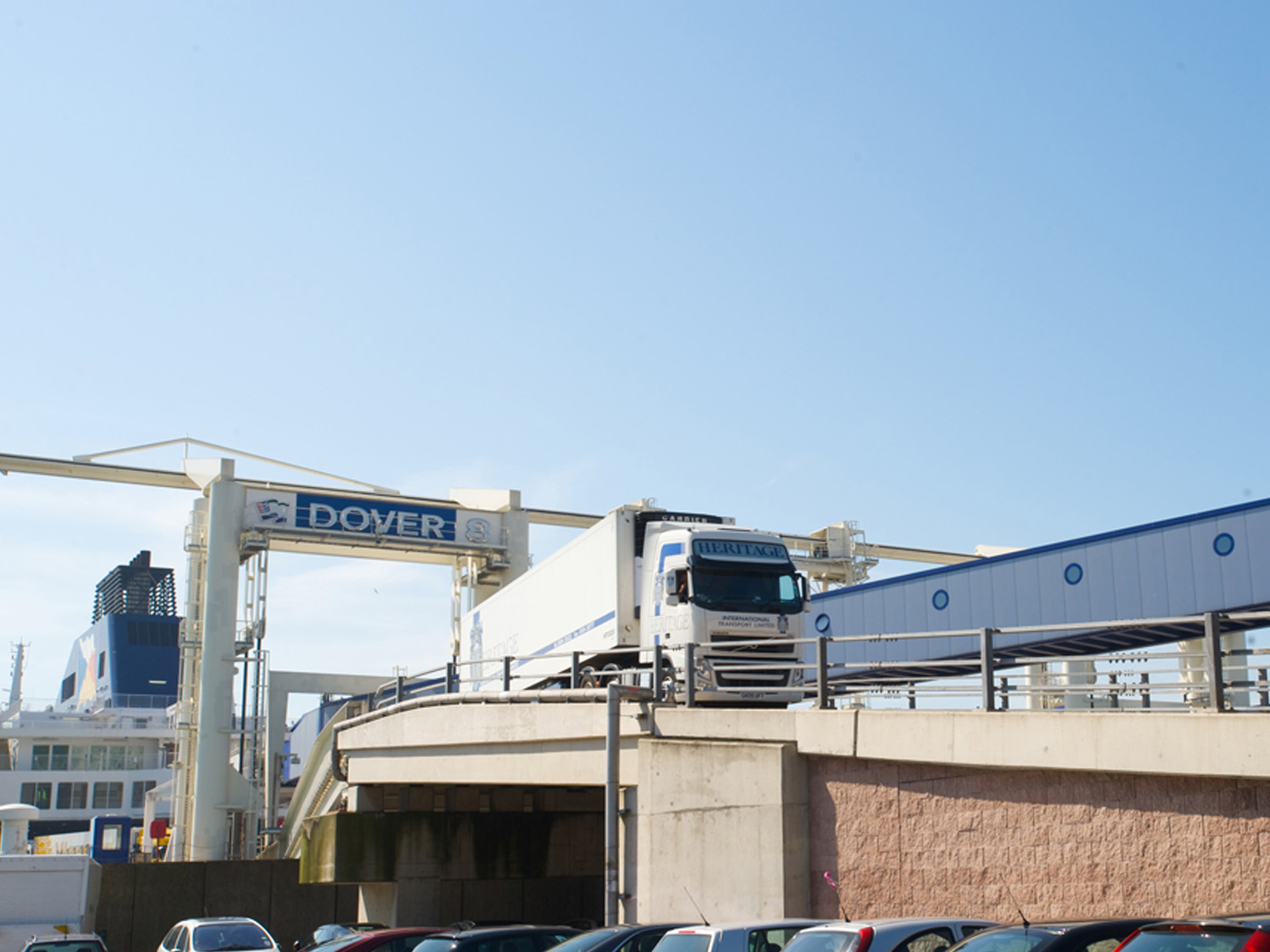
Dover truck arrival

UK and EU customs border changes

ICS2 advance filings will be used by EU customs to identify high-risk shipments from the 3rd June, while post-Brexit import charges which come into effect on the 30th April have raised fears of UK food price inflation.

The UK Common User Charge (CUC)
The CUC will apply to each commodity line in a Common Health Entry Document (CHED) and the maximum charge for one CHED will be limited to 5 commodity lines, even if there are more than 5 commodity lines present in the CHED.

The CHED is an import notification, that is submitted on the Import of Products, Animals, Food and Feed System (IPAFFS) to notify authorities in Great Britain about the import, and each commodity line defines a quantity of goods that are entered as a separate item in the CHED.

Delayed by the government five times to give businesses time to prepare and to reduce disruption to supply chains, the CUC will come into effect on the 30th April and applies to imports of products such as fish, salami, sausage, cheese and yoghurt, with the flat-rate of £10 or £29 per commodity, capped at £145.

The Fresh Produce Consortium said the charges would add £200m in costs for the fresh produce sector, at a time it is already struggling with inflation.

CUC rates only apply to goods entering the UK via Eurotunnel or the port of Dover, while the other (circa 30) commercially run entry points will set their own rates.

EU Import Control System 2 (ICS2)
The third release of the European Union’s customs pre-arrival safety and security system, the Import Control System 2 (ICS2), will go live on 3rd June 2024. 

The advanced filing of Entry Summary Declarations (ENS) for deep sea and short sea cargo will still apply to all cargo either discharging or transhipping in the EU, Northern Ireland, or Norway and to cargo remaining on board.

With the new release, the ENS will have to contain more mandatory data elements than today, including Buyer and Seller data, EORI of supplementary declarant in case of multiple filing and data elements such as the 6-digit HS Code with a complete and accurate cargo description. 

We have been sending EU Customs advanced security data in then Entry Summary Declaration (ENS) for years and are continuously developing our CuDoS customs platform and carrier integrations to receive additional data. We will be approaching affected customers with additional information on this process and any additional requirements.

When the ENS information is not provided to EU customs, shipments will be stopped and will not be processed for customs clearance, which will lead to delays and potential fines.

We can guide you on the CUC and ICS2 changes, help you to educate your suppliers and provide full support for all your import and export documentary needs.

Metro are at the forefront of customs brokerage solutions, with our automated CuDoS declaration platform and dedicated team of customs experts, reacting swiftly to any changes in the UK and EU’s trading regimes.

To learn more about CUC or ICS2, or to see how we can simplify and automate customs declarations for your businesses, please EMAIL Andy Fitchett, Brokerage Manager.

container ship and naval escort

Red Sea update

The last three months of 2023 were some of the worst for liner shipping’s finances in recent years, while early volume indications for this year suggest the coming months could bring stronger trading conditions for shipping lines, especially with the Red Sea diversions and capacity management techniques learned during the early phase of the pandemic.

Amidst the Red Sea crisis, global schedule reliability continued to decrease, dropping over 5% in January, but it does seem that schedule reliability may have improved slightly in February and the delays experienced for vessels arriving late were also reduced.

Performance overall is still very poor, but this does indicate that the new round-Africa services are beginning to slowly normalise, making supply chains slightly more predictable, albeit obviously with longer transit times. We would expect to see further improvements once we get the March data.

After eight consecutive days without incident, in the Red Sea on Monday the master of a vessel reported being hailed on the radio by an entity claiming to be the Yemeni Navy, while a crew member reported having heard gunshots and US naval forces destroyed a drone boat.

Despite the ongoing attacks, the US said it would consider revoking its recent designation of Yemen’s Houthis as terrorists if the Iran-backed militants cease their shipping attacks in and around the Red Sea.

Joe Biden’s special envoy for Yemen, Tim Lenderking, said the Houthis’ could “show good faith” and an “intent to de-escalate” if they released the 25-member crew of the Galaxy Leader, the RoRo car carrier that they hijacked in November.

Russia has sent several naval vessels from the Pacific Fleet into the Red Sea, though the purpose of the Russian vessels in the Red Sea area is unclear.

Air freight volumes jump

As a result air freight volumes have jumped up. February was the third consecutive month of double-digit year-on-year demand growth for air cargo, according to data released by IATA, with air cargo demand up 12% compared to 2023.

The rise comes as the market stabilises amid improved economic performance worldwide, with capacity up over 13% due to the continued return of belly capacity.

The strong start for 2024 could see demand surpass the exceptionally high levels of early 2022, with booming eCommerce and increased demand for sea/air services linked to Red Sea concerns.

If you have any questions or concerns about the impact of the Red Sea crisis on your Asia supply chain, or would like to discuss its wider implications, please EMAIL our Chief Commercial Officer, Andy Smith.

For questions about air freight, sea/air and our suite of time-sensitive solutions EMAIL Elliot Carlile, Operations Director, for insights, prices and advice.