TPM25 1440x1080 1

TPM25: Insights, engagement, and the future of shipping

Held in Long Beach, California, the annual TPM conference, hosted by The Journal of Commerce, remains the premier gathering for senior supply chains executives, container shipping lines, and technology providers shaping the future of global trade.

With the global container market facing another year of unpredictability TPM25, which closed yesterday, arrived at a crucial moment. Entering 2024, many in the industry expected a return to relative stability. Vessel capacity was set to outstrip moderate inventory replenishment across North America and Europe, keeping rates under pressure but without the extreme volatility of the pandemic years. 

Instead, geopolitics reshaped the landscape. Houthi rebel attacks in the Red Sea forced ocean carriers into costly reroutes, disrupting the delicate balance of supply and demand. Rising tariffs, labour disputes, and economic uncertainty accelerated shifts in global trade flows. Trust between shippers and carriers, was put under even greater pressure as service reliability and cost pressures clashed with expectations for greater transparency and partnership.

Against this backdrop, Metro’s Head of Ocean Pricing, Chris Jones, and Managing Director, Andy Smith, attended TPM25 to connect with industry peers, strengthen existing relationships, and explore the evolving realities facing our customers. Metro’s presence at the event underscores our ongoing commitment to the North American market, where we continue to expand our footprint and provide innovative, technology-driven logistics solutions.

Throughout the conference, one recurring theme stood out: the industry is searching for reliability in an unreliable world. Metro engaged in high-level discussions on how the intersection of capacity management, shifting demand patterns, and evolving alliances will reshape the ocean freight market in the coming years. Attending key sessions on carrier strategy, schedule reliability, and the ongoing Red Sea disruptions, our team gained fresh insights into the rapidly changing dynamics of global trade.

Discussions highlight Metro capability
Beyond strategy and market intelligence, technology was a dominant force at TPM25. The role of artificial intelligence, which is already an integral element in Metro’s tech, was a major talking point, particularly in the realm of predictive analytics, dynamic pricing models, and real-time cargo visibility. 

With Metro’s own digital platform evolving, these discussions provided an opportunity to benchmark our approach against industry innovations and ensure we continue to offer cutting-edge solutions to our clients.

Sustainability also remained a major focus, with decarbonisation efforts and alternative fuel strategies shaping many conversations. This mirrors Metro’s commitment to carbon neutrality and ongoing investments in sustainable aviation fuel (SAF). The transition towards a greener supply chain is a long-term priority, and TPM25 underscored the importance of collaborative solutions between shippers and forwarders to meet global sustainability targets while maintaining operational efficiency.

With Metro’s deep expertise in North America, TPM25 served as a powerful platform to reaffirm our position as a senior player in the region. Our US-focused strategies, bolstered by the launch of Metro Global USA, continue to support customers in navigating an increasingly complex trade environment. By strengthening partnerships, advancing digital capabilities, and delivering flexible, resilient supply chain solutions, Metro remains an essential partner for businesses looking to thrive in an unpredictable market.

As TPM25 draws to a close, one thing is clear: agility, data-driven decision-making, and resilience will define the future of global logistics. Metro stands ready to meet this challenge, ensuring our clients remain ahead of the curve in a rapidly evolving industry.

For those we connected with at TPM25, we look forward to continuing our discussions. 

And for those navigating the shifting tides of global trade, Metro remains a trusted partner, providing strategic, future-ready logistics solutions.

To discover how Metro can support your Transpacific or Transatlantic trade needs, or to discuss any of the issues highlighted here, please reach out to Andrew Smith via EMAIL

Ocean market report 1440x1080 1

Stay Ahead with Metro’s Ocean Freight Market Update

In the ever-changing world of global trade, staying informed is not just an advantage, it’s a critical necessity. That’s why Metro provides the Ocean Freight Market Update, a comprehensive, data-driven report designed to help businesses navigate the complexities of container shipping.

Subscribers to this monthly report gain valuable insights into spot, short- and long-term rate trends, carrier reliability, port congestion, canceled sailings, sustainability initiatives, and more—ensuring they can make informed, strategic decisions in real-time.

Highlights from the March 2025 Ocean Freight Market Update

Rate Developments: Despite attempts to impose general rate increases (GRIs), rates on Far East Westbound trade lanes have softened. Volatility is expected through April, with Asia-Europe lanes facing capacity shortages.

Schedule Reliability & Port Congestion: Global vessel reliability dipped slightly to 50-55%, while major ports like Singapore, Busan, and Piraeus continue to experience significant congestion.

Bunker & Biofuels Transition: The shipping industry is accelerating its shift toward decarbonisation, but new EU carbon emissions surcharges are increasing costs.

Supply & Demand Outlook: An 8% increase in capacity versus just a 3% rise in demand suggests blank sailings will be necessary to balance market conditions.

Red Sea Transits: Major carriers continue to avoid the Suez Canal due to ongoing security concerns, maintaining Cape of Good Hope reroutes.

Why Subscribe?
Metro’s Ocean Freight Market Update is an unbiased, intelligence-driven resource backed by data from leading industry sources. In a landscape shaped by supply chain disruptions, regulatory shifts, and market fluctuations, having access to timely, expert insight is more critical than ever.

Subscribe now to receive monthly updates straight to your inbox and stay ahead in the dynamic world of ocean freight.

Contact your Key Account Director, or EMAIL Lucy Hulston to subscribe and receive the latest update.

ship aerial 1440x1080 1

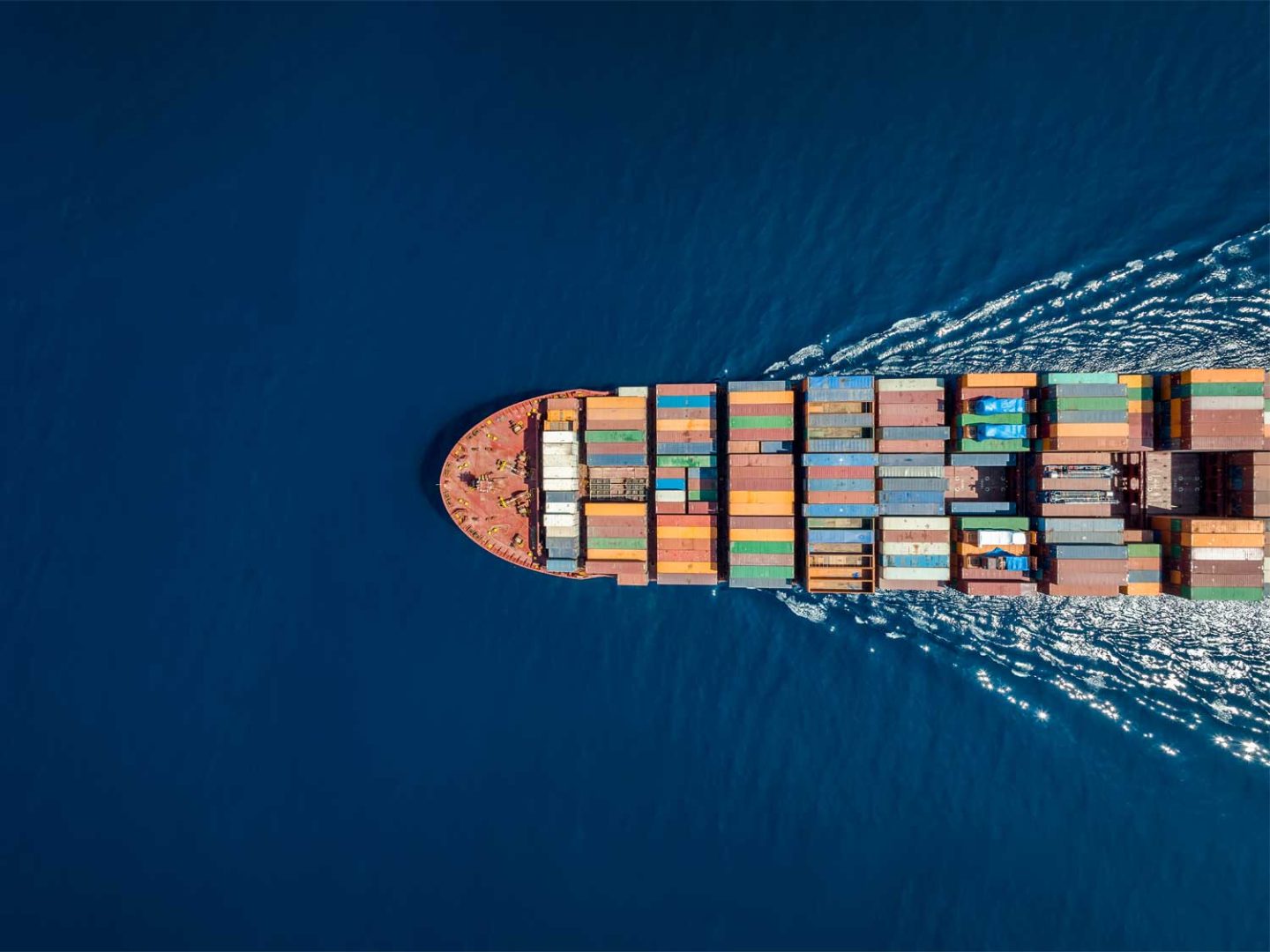
Ocean freight market report

Global shipping dynamics are shifting, with rates under pressure, 5% growth in global container shipping capacity, and the impact of the US’ new trade policies.

The ocean freight market is navigating a complex landscape, marked by operational and regulatory shifts. The Shanghai Containerised Freight Index (SCFI) has dropped since the start of the year, primarily due to the resolution of the US East Coast port strike. However, freight rates remain volatile, driven by service disruptions, alliance reshuffling, and geopolitical tensions in the Red Sea. Market capacity is also under pressure, with 30% of Far East westbound sailings expected to be blanked.

Capacity

Liner capacity growth has slowed following a record increase in 2024 and is now forecasted at 5% for 2025.

  • Global port congestion hit a three-month high (10.3%), particularly at Chinese ports before Lunar New Year.
  • The liner sector remains fully utilised, with only 0.2% of vessels (30 ships) idle.
  • 16,000 TEU vessels are becoming the new standard as carriers shift away from ultra-large container ships (ULCS).

From February to April 2025, the ocean freight market is expected to be volatile, driven by the post-Lunar New Year slowdown and carrier alliance reshuffles:

  • February: Capacity shortages are anticipated on Asia–North America and Asia–Europe lanes, with Transatlantic routes also under pressure, potentially increasing freight rates.
  • March: Market balance may improve as new alliance networks stabilise, though capacity constraints could persist from Asia.
  • April: Conditions should stabilise.

Rates & Schedule Reliability

  • Freight rates are in decline across all trades, with:
    • SCFI falling 17% since the beginning of 2025.
    • WCI down 12%.
    • Drewry World Container Index 118% higher than pre-pandemic.
  • Despite strong demand leading up to Chinese New Year, rates have continued to fall due to service disruptions and alliance changes.
  • Global schedule reliability has remained between 50%-55%, but port congestion has reached a three-month high.
  • 10.5% of the global fleet (3.3 million TEU) is currently stuck in port congestion.

Demand Outlook

Demand trends remain mixed, with a rush in US-bound cargo ahead of potential tariff hikes, while the traditional seasonal slowdown is following Lunar New Year.

  • December PMI data shows continued global growth disparities:
    • The US is outperforming other developed economies.
    • India leads emerging markets.
    • Global business confidence has declined.

Looking ahead the Far East is projected to remain a critical driver of global container trade, contributing significantly to the 3.3% CAGR expected from 2026 to 2028. The region’s demand is forecasted to grow by 2.9%, underpinned by robust intra-Asia trade and strong export performance, particularly to North America and Europe. 

Despite ongoing trade challenges, including regulatory and tariff impacts, the Far East’s economic resilience, led by China and India, is expected to support continued growth in freight volumes.

On the Transatlantic, demand is projected to remain stable, with North America expected to see a 2.5% increase in trade volumes. However, carriers are reducing capacity on this route, potentially impacting freight rates and capacity availability. The shift towards smaller vessels and the restructuring of carrier alliances may lead to temporary disruptions, but the market is likely to stabilise as the new network configurations take effect.

Market Developments

The US continues to lead developed markets, while China’s exports have exceeded expectations despite export tax rebate cuts. However, market outlook was already cautious, with business confidence waning amid concerns over economic growth, particularly in Europe and the UK. And now the de-stabilising impact of President Trump’s aggressive trade policies need to be factored in.

  • Market imbalances persist across key trade routes:
    • Asia outbound capacity is strained, creating pressure on freight rates.
    • The Transatlantic trade lane has seen capacity reductions, with carriers downsizing vessels.
    • The upcoming alliance reshuffle is expected to disrupt operations, leading to short-term demand surges until new networks stabilise.
    • Demand exceeds capacity on multiple routes, particularly:
      • Asia–North America
      • Asia–Europe
      • Asia–Middle East
    • Some regional markets are more balanced, but capacity pressures remain high.

Conclusion

The ocean freight market continues to challenge, with rate volatility, capacity constraints, and shifting trade policies. While global liner capacity is set to grow by 5% in 2025, port congestion and alliance reshuffles are contributing to market instability, particularly on Asia–North America and Asia–Europe routes.

Despite the post-Lunar New Year slowdown and the impact of new US trade policies, demand from the Far East remains a key growth driver, underpinned by strong intra-Asia trade and export flows to North America and Europe. 

As geopolitical risks and market disruptions continue to impact global shipping, building resilient supply chains and ensuring budgetary certainty, to mitigate risks and maintain stability, are more crucial than ever.

At Metro, our fixed-rate agreements on popular shipping routes provide a practical safeguard against rate volatility, offering predictable costs for effective budgeting. Whether you’re managing high-volume trade lanes or seeking greater stability for your supply chain, our tailored solutions can help you thrive in 2025.

To discover how Metro can strengthen your business and provide peace of mind, EMAIL our Managing Director, Andy Smith, today.

RoRo in US 1440x1080 1

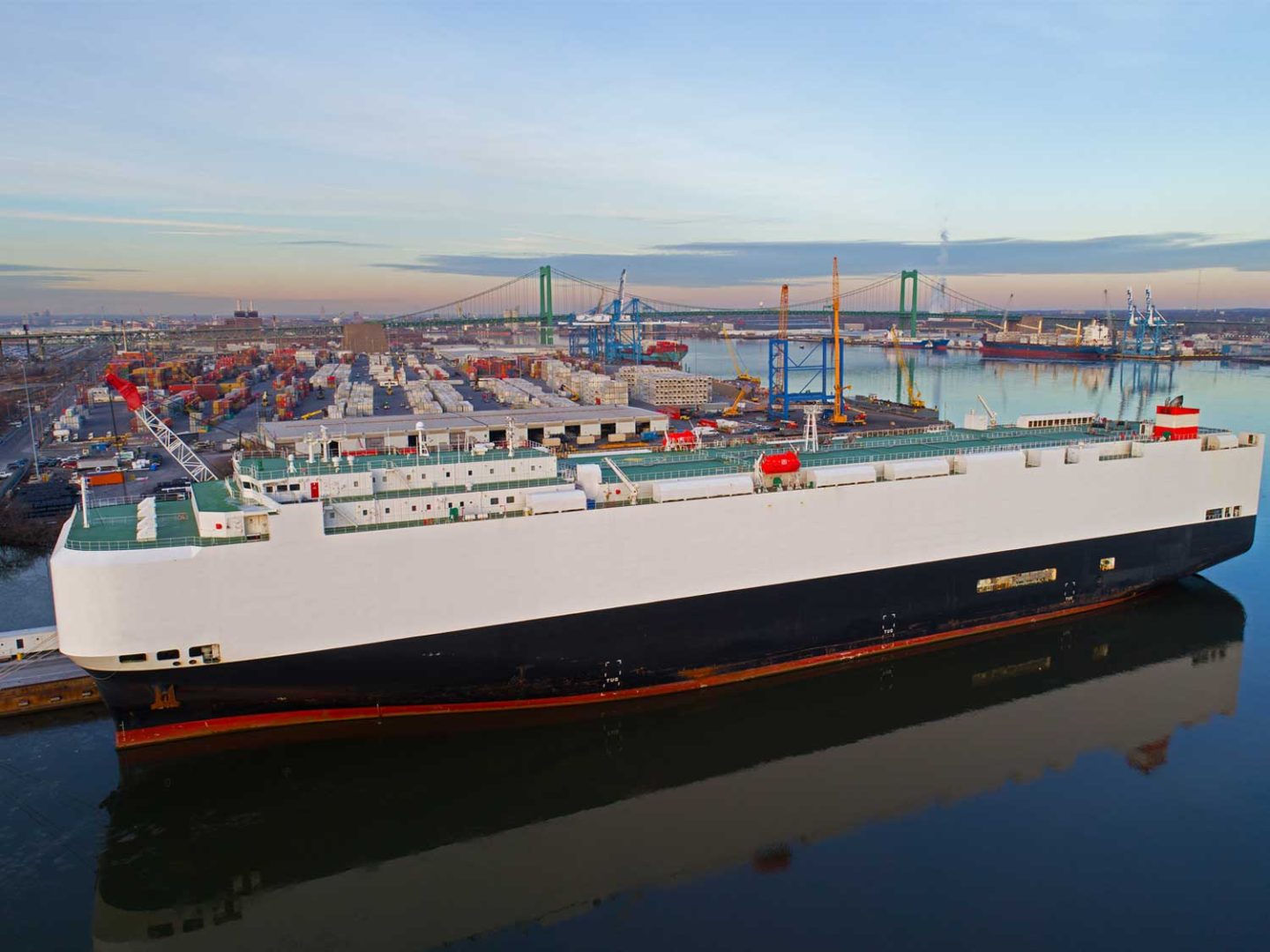
Trump’s new tariffs could shake the UK and EU automotive sector

New US tariffs on steel, aluminium, and auto parts threaten production costs, trade relationships and market stability, and for UK and EU carmakers, the implications of these policies could be severe, impacting everything from manufacturing costs to supply chain efficiency and trade competitiveness.

During a press conference on the 18th February, President Trump confirmed that auto tariffs would be set “in the neighbourhood of 25%.” Trump suggested that more clarity on the details would emerge by the 2nd April, coinciding with the conclusion of an investigation into international tariff policies. The move signals potential reciprocal tariffs against nations deemed to impose excessive duties on US imports.

The US president has already announced a 25% tariff on steel and aluminium imports from Canada and Mexico, reversing previous trade agreements and significantly increasing costs for North American carmakers. This move comes alongside a threat to impose similar 25% tariffs on auto parts, a policy that could upend the region’s deeply integrated supply chain.

The US-Mexico-Canada Agreement (USMCA) was designed to protect North American vehicle production, stipulating that 75% of a vehicle’s content must be produced within the region to qualify for duty-free trade. However, the proposed tariffs would undermine these rules, forcing manufacturers to absorb the costs or seek alternative sourcing strategies.

The risk to UK and EU carmakers

Trump’s administration has also pledged to introduce reciprocal trade measures, targeting countries with higher tariffs on US exports. The EU currently imposes a 10% tariff on imported vehicles, while the US applies only 2.5% on passenger cars. The White House sees this as an unfair imbalance and is now considering higher duties on EU automotive imports, further straining transatlantic trade.

The UK and EU have long relied on access to the North American market, with car exports forming a major part of trade with the US. If tariffs are introduced, UK and EU carmakers will face higher costs to sell vehicles in the US, making them less competitive.

An example of the potential impact is a leading German high-performance car manufacturer, which has seen the US overtake China as its largest market. The brand relies heavily on imports to supply its American dealerships and is particularly vulnerable as it has no quick fix to localise production.

Analysts suggest that if tariffs exceed 10%, it may have to consider shifting some SUV production to the US, but logistical and supplier challenges present significant hurdles.

The financial impact could be severe. Industry estimates suggest that a tariff increase to 10% could eliminate billions from German automakers’ earnings before interest and taxes. While high-margin luxury models could potentially pass costs onto consumers, more competitively priced models may struggle to remain viable in the US market.

New era of trade uncertainty

The North American automotive market is one of the most interconnected in the world, with carmakers and suppliers depending on seamless cross-border trade. The new tariffs could lead to supply shortages, higher production costs, and retaliatory trade measures from Canada and Mexico.

Retaliation is already on the horizon, with Canada, Mexico, and the EU preparing countermeasures. The European Commission has pledged to respond “firmly and immediately” if additional tariffs are imposed, warning that the US is undermining decades of global trade cooperation.

As global trade policies shift and new tariffs reshape supply chains, proactive planning is more critical than ever. At Metro, we leverage award-winning services and deep industry expertise to help automotive brands, manufacturers and OEM’s navigate evolving trade barriers, regulatory changes, and supply chain disruptions.

Whether you need to mitigate the impact of tariffs, ensure compliance with new regulations, or adapt sourcing/export strategies, our tailored solutions keep your supply chain resilient and competitive.

EMAIL Andy Smith, Managing Director, today to explore how Metro can safeguard your supply chain and support your business in 2025 and beyond.