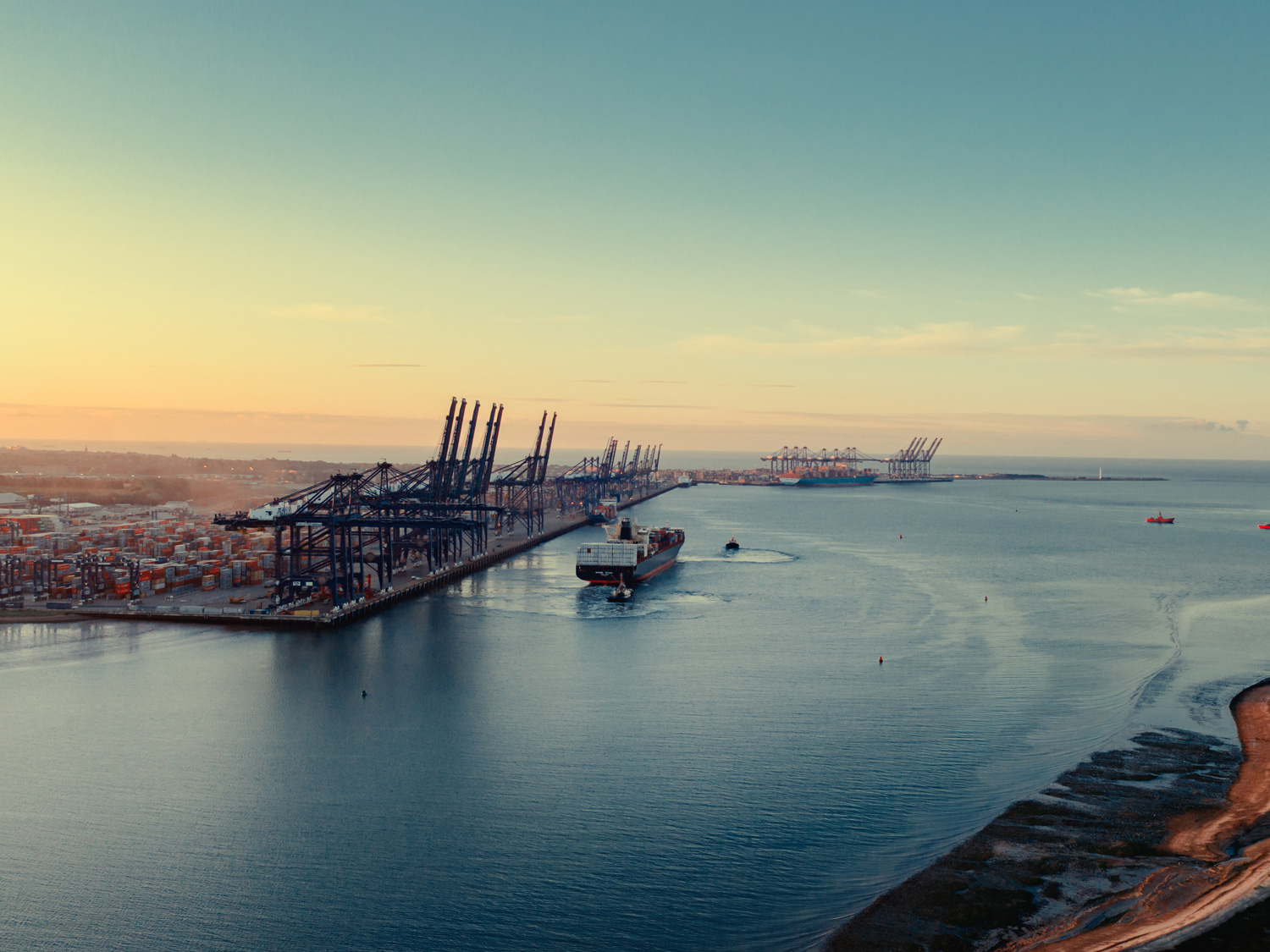
FXT at dawn

Global container trade breaks records as demand outpaces disruption

Global container volumes have reached another record high, with expanding trade flows across Asia, the Americas and Africa demonstrating the resilience of international commerce despite geopolitical uncertainty, rising transport costs and persistent shipping disruption.

Global container trade reached 17.46 million TEU in August 2026, surpassing July's previous record and marking the second consecutive month of unprecedented volumes.

The latest figures reveal an international trading environment that continues to expand despite considerable operational and economic challenges. Container volumes increased 3.7% compared with August 2025, while cumulative growth for the first eight months of 2026 reached 4.7%.

Looking further back, August volumes were 7.2% higher than in 2024 and 12.9% above 2023, highlighting the sustained expansion of containerised trade.

Asia drives growth as trade patterns evolve

The Far East remains the principal engine of global container trade, with exports increasing 8% year to date, equivalent to approximately 6.3 million additional TEU.

Every destination region recorded growth in imports from the Far East, with Sub-Saharan Africa and South and Central America delivering particularly strong percentage increases.

Sub-Saharan Africa also recorded the fastest overall import growth, up 13%, highlighting the growing importance of emerging consumer and industrial markets.

North American imports have returned to positive territory, increasing 2% year to date following a weaker start to 2026. Transpacific volumes are now 5% higher, supported by renewed demand for Far Eastern goods.

European exports have also stabilised after contracting earlier in the year, suggesting a gradual improvement in trading conditions.

However, growth remains uneven. Imports into the Indian Sub-Continent and Middle East declined 5%, while exports fell 10%, reflecting the significant disruption affecting regional trade flows.

These differences reinforce the importance of examining individual markets rather than relying on global averages when planning international supply chains.

Record volumes are adding to shipping costs

The strength of container demand has coincided with substantial freight pricing pressure.

The global container freight price index reached 117 points in August, its highest level since July 2024. The index has increased approximately 50% since January and stands 44% above August 2025.

The increase reflects more than cargo demand alone, with geopolitical disruption, longer vessel routings, congestion and constraints affecting major shipping corridors reducing the amount of vessel capacity effectively available to the market.

Ships diverted around the Cape of Good Hope spend longer completing voyages, while delays and congestion absorb capacity that would otherwise support additional sailings.

Consequently, even substantial investment in new vessels does not necessarily translate into improved availability or lower costs.

The distinction between the size of the global container fleet and the capacity that can actually be deployed remains fundamental to understanding freight market conditions.

Growth is continuing, but the outlook is changing

Despite August's record, there are early indications that the pace of expansion may be moderating.

Volumes increased just 0.5% compared with July, suggesting that the exceptional momentum seen during the middle of 2026 could be approaching a turning point.

Meanwhile, the global containership order-book represents more than 46% of the existing fleet, with substantial new capacity scheduled for delivery during 2027 and 2028.

This creates the prospect of a different market balance. If trade growth moderates while new vessels enter service, the additional capacity could place downward pressure on freight rates, particularly as more shipping services resume shorter routes through Suez.

However, the transition is unlikely to be uniform. Carrier capacity management, port congestion, regional demand and geopolitical developments will continue to influence individual trades, potentially creating significant differences between headline market trends and the conditions experienced by shippers.

For businesses planning ahead, the challenge is to distinguish between temporary disruption, underlying demand growth and longer-term changes in available capacity.

Connecting growing markets with global capability

As international container trade reaches new highs, businesses need more than access to shipping space. They need the expertise, relationships and visibility to take advantage of changing trade patterns while controlling costs and protecting delivery performance.

Metro combines established global carrier relationships, competitive ocean freight procurement and extensive international logistics capabilities with local expertise across major sourcing and destination markets.

Our expanding presence in India and the US strengthens our ability to support changing trade flows, while our ocean freight, consolidation, customs and inland transport services provide coordinated solutions from origin to final delivery.

Whether you're expanding into new markets, reviewing your freight strategy or preparing for the next shift in container shipping capacity, Metro can help turn changing global trade conditions into a competitive advantage.

Contact Metro to review your international shipping requirements and identify the routes, services and opportunities that best support your business.

Golden Week

Post-Golden Week capacity pressures diverge

Container shipping lines are adjusting capacity as Asian factories resume production following Golden Week, with relatively few cancelled sailings but contrasting conditions emerging on routes to Europe and the United States.

As China's Golden Week holiday ends and export activity resumes, attention is turning to the availability of container shipping capacity across the major east–west trades.

Carriers traditionally cancel sailings during and immediately after the holiday to balance vessel capacity against temporarily reduced cargo volumes.

This year, however, announced cancellations remain relatively modest, even as shipping lines pursue freight rate increases and adjust their networks to changing demand and routing conditions.

The result is a market in which overall capacity appears relatively plentiful, but individual trade lanes and services may present very different challenges for shippers.

Blank sailings remain below historical levels

Drewry's latest Cancelled Sailings Tracker, published on 9 October, identifies 34 blank sailings across the major east–west trades between Weeks 42 and 46, covering 12 October to 15 November.

That represents just 5% of 713 scheduled voyages, meaning 95% of planned sailings are expected to operate.

The cancellations are distributed unevenly:

  • Asia–North Europe and Mediterranean: 50% of announced cancellations.
  • Trans-Pacific eastbound: 32%.
  • Transatlantic: 18%.

The figures represent a relatively low level of capacity withdrawal compared with post-pandemic patterns.

Sea-Intelligence analysis indicates that approximately 10% of Asia–US West Coast sailings have typically been cancelled during comparable periods since 2020, with recent blanking levels running below that average.

Asia–North Europe and Mediterranean services have also experienced comparatively low cancellation levels.

However, aggregate figures can disguise the impact on individual shippers.

A cancelled sailing may represent only a small proportion of overall capacity but can create significant problems for cargo booked on the affected service, particularly when alternative departures are limited.

Asia–Europe faces increasing capacity pressure

The Asia–Europe trade is experiencing a more complicated adjustment as carriers gradually restore services through the Suez Canal.

Shorter routings compared with diversions around the Cape of Good Hope are increasing effective vessel capacity, potentially placing downward pressure on freight rates.

The return of capacity coincides with relatively steady post-Golden Week bookings and limited overall sailing cancellations.

Carriers have nevertheless announced plans for freight rate increases during the second half of October, despite reducing some rates earlier in the month.

This apparent contradiction reflects the uncertainty surrounding the balance between cargo demand, available vessel space and carriers' capacity management strategies.

Drewry's World Container Index declined 2% in the week to 8 October, with rates easing across the major east–west trades.

For European importers, the additional capacity could create opportunities, although the timing and reliability of individual services remain important.

More available vessel space does not necessarily mean more predictable deliveries.

Port congestion, schedule adjustments and changes to vessel rotations can still disrupt shipments, particularly where cargo depends on feeder connections or transhipment services.

Trans-Pacific conditions remain different

The trans-Pacific market presents a contrasting picture.

Although the trade accounts for 32% of announced blank sailings during Weeks 42–46, the relatively limited number of cancellations suggests carriers are maintaining most scheduled services as Asian export activity resumes.

Recent market analysis indicates that trans-Pacific blanking levels remain low compared with historical patterns, despite carriers continuing to manage capacity and support freight rates.

Demand conditions also differ from those on Asia–Europe routes, with US import requirements and changing sourcing patterns influencing cargo flows.

The return of Chinese manufacturing activity after Golden Week could increase booking pressure on individual departures, particularly where pre-holiday shipments have been rolled or delayed.

For US importers, the immediate challenge is therefore less about widespread sailing cancellations and more about securing reliable space on the services that meet their delivery requirements.

Even where overall capacity appears sufficient, individual ports, departure dates and carrier services may experience tighter availability.

Carrier reliability varies across alliances

The latest Drewry figures also highlight differences between carrier networks. For Weeks 42–46, the proportion of scheduled sailings expected to operate ranges from 89% for Premier Alliance to 99% for Gemini Cooperation.

MSC and Ocean Alliance are expected to operate 97% and 98% of planned sailings respectively, while independent carriers and other services are forecast to operate 93%.

These differences underline the importance of assessing individual carrier schedules rather than relying solely on overall market capacity. However, a sailing operating as scheduled does not guarantee an on-time arrival.

Port congestion, vessel delays, equipment availability and changes to port rotations can still affect cargo movements, even when a scheduled departure is not cancelled.

This makes early booking, alternative routing options and accurate shipment visibility increasingly valuable.

Metro connects Asian origins with Europe and the USA

Working alongside Metro's wider international network, our UK and US teams support customers with origin planning, carrier selection, shipment visibility and destination coordination.

As post-Golden Week schedules settle, Metro can help shippers distinguish between published capacity and practical availability, anticipate disruption and secure services that meet their operational requirements.

Protect your supply chain. Let Metro's sea freight experts review your upcoming shipments, assess carrier schedules and identify reliable transport options before changing capacity conditions disrupt your product flows.

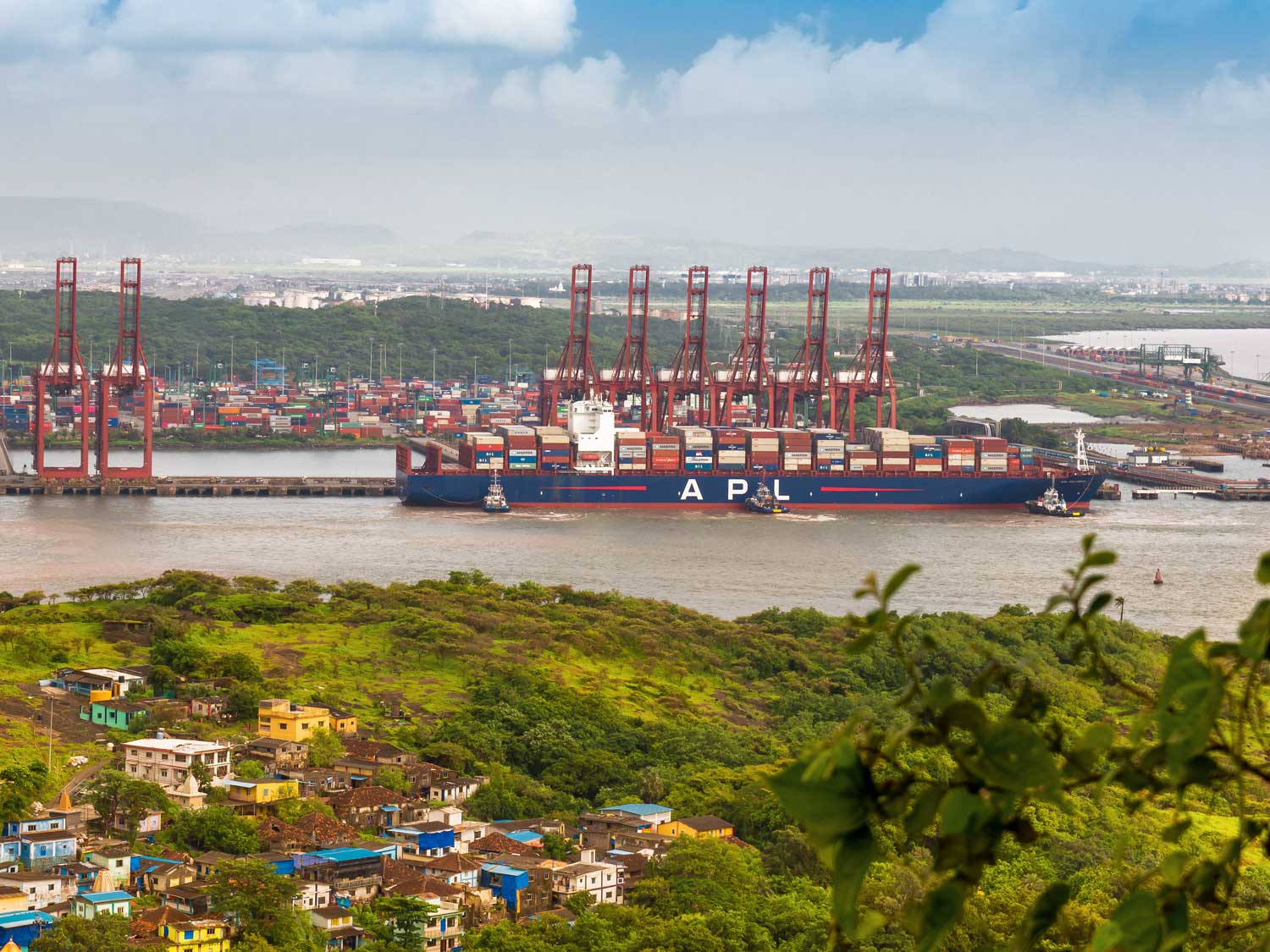
Nhava Sheva

India’s changing shipping networks add pressure to US supply chains

Congestion across South Asia's container shipping network is increasing costs and disrupting connections for US-bound cargo, while surging China–India demand and changing Middle East trade flows accelerate India's emergence as a regional transhipment hub.

India's expanding manufacturing economy and the disruption of established Middle East shipping routes are reshaping container movements across the Indian Ocean.

Freight rates from China to India have more than doubled since July, while congestion at Colombo, Nhava Sheva and Mundra is adding uncertainty to regional connections.

For US importers sourcing from India, these developments potentially create upstream cost pressures and increase the importance of reliable feeder services, transhipment connections and inland logistics.

At the same time, India's ports are handling growing volumes of cargo previously routed through Middle Eastern hubs, creating opportunities to strengthen the country's position in international shipping networks.

China–India demand drives freight rates higher

Strong demand for Chinese components, machinery and consumer goods is placing sustained pressure on container capacity into India.

Spot rates on China–India routes have more than doubled since July, with Shanghai–Nhava Sheva rates increasing approximately 20% since late August and Shanghai–Chennai rising around 25%.

The increases reflect growing import demand alongside the redeployment of vessels to higher-yielding east–west trades.

China remains India's largest trading partner, with Indian imports increasing 16% in the 2025–26 financial year. Growth accelerated further during the first five months of the current financial year, with import values rising approximately 27%.

Much of this demand comes from Indian manufacturers importing intermediate components, electronics and capital equipment to support domestic production.

Seasonal consumer demand and advance purchasing ahead of regulatory changes have added further pressure.

The cost increases extend across the wider intra-Asia market. Drewry's Intra-Asia Container Index remained 209% above year-earlier levels in early October, despite easing 1% during China's Golden Week holiday. Six consecutive weekly increases before the holiday underline the sustained cost pressure facing regional supply chains.

Carriers are responding with additional intra-Asia services, but expanding coverage has yet to offset the combined impact of demand and constrained vessel space.

Colombo congestion threatens India–US connections

Sri Lanka's Colombo port has become an increasingly important transhipment hub as shipping lines divert cargo away from traditional Middle Eastern gateways.

The additional traffic is placing considerable pressure on terminal operations. Colombo's transhipment volumes increased 7.8% year on year in August and now account for more than 82% of total port throughput.

Terminal yard utilisation has exceeded 130%, with vessel delays of two to three days reported and container turnaround times extending beyond six days at some facilities.

For Indian exporters, particularly those shipping through southern gateways such as Chennai, Tuticorin and Cochin, the consequences extend beyond port delays.

Securing space on a mainline vessel does not guarantee that cargo will make its intended sailing. Feeder schedules, container availability, transhipment dwell times and mainline port calls must all align. When vessels omit Colombo to recover schedules, containers can miss connections even when space remains available on the onward service.

For US-bound cargo, these missed connections can extend transit times, increase storage and handling costs, and disrupt delivery schedules.

Pressure is also evident at other regional transhipment hubs. While freight rates from China to several Asian destinations eased during Golden Week, rates to Singapore and Tanjung Pelepas increased 2%, reflecting uneven conditions across regional shipping corridors.

Congestion at India's Nhava Sheva and Mundra ports adds another layer of uncertainty, making coordination across the complete transport chain increasingly important.

India emerges as an alternative regional hub

While congestion is creating immediate operational challenges, changing shipping patterns are also opening longer-term opportunities for Indian ports.

Middle East disruption has encouraged carriers to use India's west coast terminals to relay cargo previously handled through established Gulf hubs.

The shift now extends beyond Asia–Middle East shipments, with Indian ports increasingly handling Gulf-bound cargo originating in the US, Europe and Africa.

Nhava Sheva has become central to this development. The port handled more than 703,000 TEU of transhipment cargo between March and August, compared with approximately 513,000 TEU during the entire previous financial year.

At Mundra, transhipment volumes increased approximately 18% year on year between April and July.

These increases demonstrate how quickly carriers have adapted their networks, but the additional volumes are also contributing to terminal congestion and inland transport delays.

Both ports are developing additional storage and container-handling infrastructure to accommodate growing demand.

Regional networks are also being reconfigured. Four Asian carriers are removing Singapore calls from their joint China–India service, illustrating how shipping lines are reassessing established port rotations and connections.

Other gateways, including India's Vizhinjam and Sri Lanka's Hambantota, are attracting interest as carriers seek alternative transhipment options.

India's ability to retain this additional business will depend on whether its ports can deliver competitive costs, reliable feeder connections and consistent operational performance once Middle Eastern shipping patterns stabilise.

Connecting India and the USA with greater control

For US importers, the interaction between rising upstream costs, port congestion and changing shipping networks makes supply-chain planning increasingly complex.

China–India transport costs can affect Indian manufacturers before finished goods begin their export journey, while missed transhipment connections introduce further delays and expense.

A shipment's reliability now depends as much on feeder connections, terminal conditions and inland coordination as it does on securing mainline vessel space.

As India becomes an increasingly important sourcing and manufacturing partner for US businesses, effective coordination between origin and destination markets is essential.

Metro India and Metro USA provide connected expertise at both ends of this developing trade corridor, combining local market intelligence, carrier relationships and international freight capabilities to identify practical routing and transport options.

From managing origin arrangements and assessing alternative gateways to coordinating US imports and inland delivery, Metro helps customers maintain visibility and control across the complete supply chain.

Contact Metro UK, India or USA to review your shipping requirements, identify potential cost and transit-time risks, and build more reliable connections between India and the United States.

strike at port

German port strikes averted, but Rhine disruption deepens

German dockworkers have accepted a new pay agreement, averting widespread port strikes, but record-low Rhine water levels continue to disrupt inland freight movements, increasing costs and threatening North European supply chains.

North European importers have avoided another potential disruption after German dockworkers accepted revised employment terms, reducing the immediate threat of industrial action at Hamburg, Bremerhaven and Wilhelmshaven.

However, congestion remains at several terminals, while exceptionally low Rhine water levels are restricting barge operations between Germany's industrial heartland and the major container gateways of Rotterdam and Antwerp.

The result is a continuing challenge for European supply chains: even when ocean freight services and port operations improve, inland transport constraints can still delay cargo and increase costs.

German port agreement reduces strike risk

Germany's ver.di union accepted revised employment terms on 6 October, following several rounds of negotiations and earlier warning strikes.

The agreement covers approximately 11,000 workers across six German ports and includes a 3.4% wage increase over 12 months.

Although final approval from port employers remains outstanding, the agreement has significantly reduced the immediate threat of industrial action.

However, terminal congestion remains a concern. Bremerhaven's container yard utilisation has reached 90%, compared with 80–85% at Hamburg and approximately 65% at Wilhelmshaven.

Vessel waiting times have improved since early September, but high terminal utilisation leaves limited flexibility to absorb further disruption.

Rhine restrictions threaten inland connections

The Rhine presents a more persistent challenge. Exceptionally low water levels have restricted barge movements along one of Europe's most important inland freight corridors, connecting German industrial centres with Rotterdam and Antwerp.

At Kaub, a critical navigation point, water levels fell to just 6cm on the gauge during August, the lowest recorded since measurements began in 1880.

Barges have been forced to operate with substantially reduced loads, while some vessels have been unable to complete their journeys.

The scale of the disruption is significant. A single 1,500-tonne barge can carry the equivalent of approximately 60 lorry loads, placing additional pressure on road and rail networks when river transport becomes unavailable.

Congestion is also affecting barge operations, with average waiting times reaching 36 hours at Antwerp and 56 hours at Rotterdam.

The severity of the situation was reinforced over the weekend of 10–11 October, when four inland vessels ran aground near Ludwigshöhe, prompting additional restrictions on vessel movements near Mainz.

Although all four vessels were subsequently refloated, the incidents underline the continuing risks facing inland shipping.

Low-water surcharges increase transport costs

Restricted barge capacity is also increasing inland transport costs. Shipping lines and barge operators have revised low-water surcharges to reflect the additional expense of operating vessels with reduced loads.

Surcharge structures link charges to water levels at Duisburg-Ruhrort, Kaub and Cologne.

As river levels fall, charges increase progressively, with the most severe restrictions potentially adding more than €1,500 per container to inland transport costs.

At particularly low levels, operators may be unable to guarantee container movements at all.

Alternative road and rail services can help maintain cargo flows, but limited capacity and increased demand may introduce further delays and expense.

A container arriving on schedule at Rotterdam, Antwerp or a German gateway offers little benefit if its onward movement is delayed by restricted inland capacity.

Keep your European supply chain moving

Metro's ocean freight and European logistics specialists combine carrier relationships, local market intelligence and inland transport expertise to help customers maintain reliable cargo movements.

From assessing alternative gateways and inland routes to coordinating road, rail and multimodal transport, Metro can identify practical options to minimise disruption and protect delivery commitments.

Don't let inland disruption undermine your shipping plans. Talk to Metro's freight specialists about your upcoming European shipments and the transport options that can keep your cargo moving.