Maersk at FXT 1440x1080 1

Maersk leave Felixstowe as shipping Alliances prepare for launch

The container shipping industry is undergoing significant realignments, with three major alliances and MSC operating independently, restructuring their networks to enhance efficiency and reliability.

These alliance changes represent a major shift in container shipping, affecting global trade routes and port operations, with the major carriers adapting to evolving market needs, regulatory pressures, and cost management requirements.

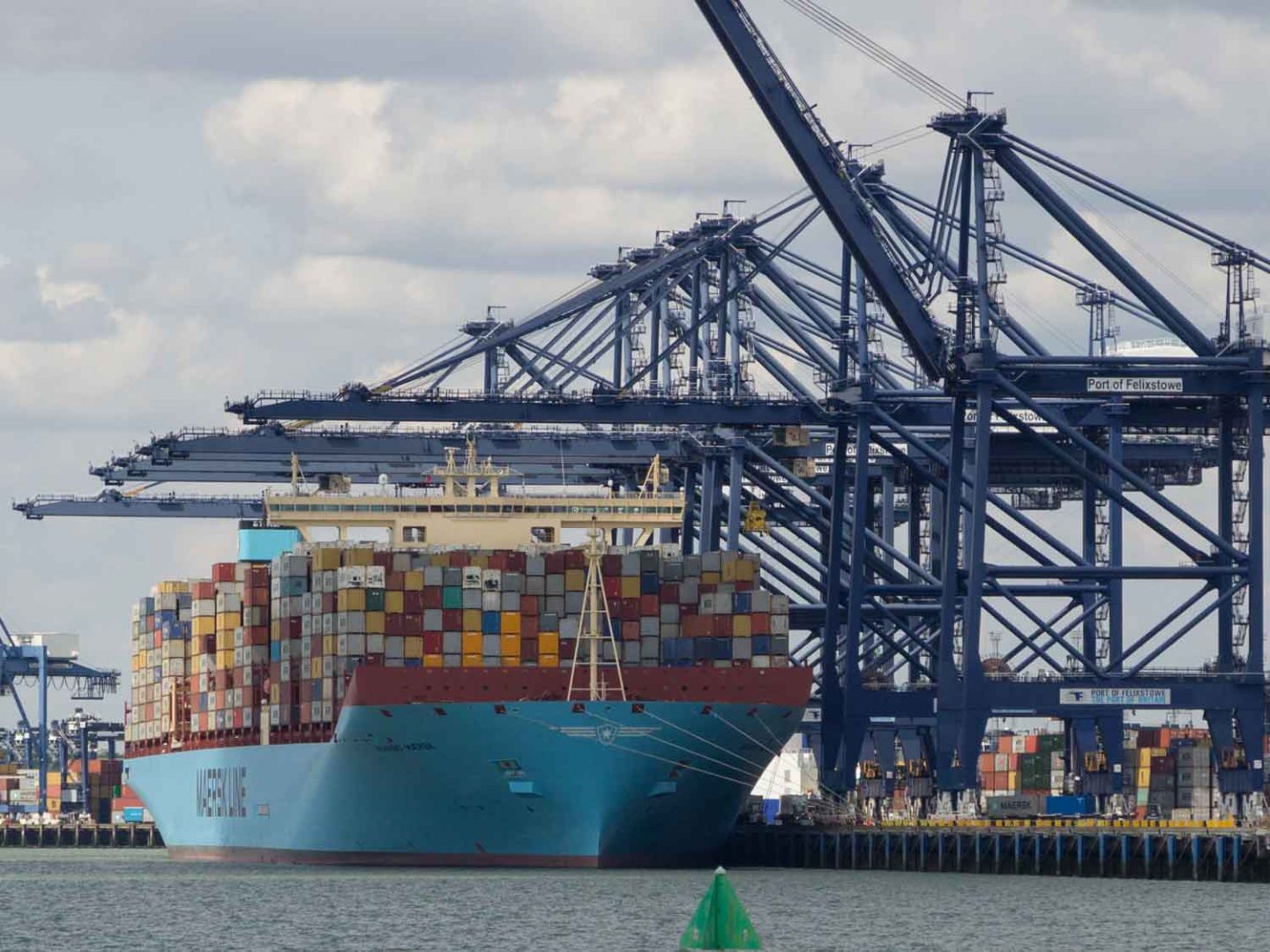
In a shock move announced last week Gemini Cooperation partners, Maersk and Hapag-Lloyd have chosen London Gateway as their primary UK hub for Asia-Europe services, replacing the Port of Felixstowe. Choosing ports is crucial for the ambition of Maersk and Hapag-Lloyd to achieve 90% schedule reliability.

Through Gemini they aim to reduce network complexity by implementing single-operator loops and fewer port calls per service, thereby enhancing reliability and speed for customers. The Gemini Cooperation will deploy a fleet of approximately 290 vessels, with Maersk contributing 60% and Hapag-Lloyd 40%, totalling a combined capacity of 3.4 million TEU. 

The dissolution of the 2M Alliance between Maersk and MSC, effective January 2025, has prompted these realignments. Additionally, Hapag-Lloyd’s departure from THE Alliance has led to the formation of the Premier Alliance, comprising Ocean Network Express (ONE), Yang Ming, and HMM.

2025 Container shipping alliances

Gemini Cooperation
Formation: A new alliance starting 1st February, 2025.

Members:
Maersk
Hapag-Lloyd

Key Features:
– Focus on high reliability (target: 90% service reliability).
– Simplified loops and reduced port calls to optimize efficiency.
– Major trade lanes: Asia-Europe, Trans-Pacific, and North-South trades.
– UK hub: London Gateway (replacing Felixstowe).

Premier Alliance
Formation: Starts February 2025; a five-year agreement.

Members:
Ocean Network Express
HMM
Yang Ming

Key Features:
– Coverage of East-West trade lanes, including Asia-Europe, Asia-North America, and Trans-Pacific routes.
– Aims to improve operational efficiency and cost-sharing among smaller carriers compared to the larger players.
– While the exact number of vessels allocated to the Premier Alliance is not specified, the extensive service network suggests a significant fleet deployment.

Ocean Alliance
Formation: Originally formed in 2017; extended until 2032.

Members:
COSCO
OOCL
CMA CGM
Evergreen Marine Corporation

Key Features:
– Operates 330 vessels with a total capacity of 3.8 million TEUs.
– Major trade routes: Asia-Europe, Asia-North America, and intra-Asia.
– Focuses on stability and long-term collaboration.

MSC Standalone Network
Mediterranean Shipping Company, the world’s largest carrier by fleet size.

Key Features:
– Operates independently without alliances.
– Plans to maintain flexibility and control over service offerings.
– Network includes extensive global coverage, particularly on Asia-Europe and Trans-Pacific lanes.
– Fleet of approximately 850 container vessels (6 million TEU), with 99 vessels on order, which would add nearly 1.2 million TEU to its capacity.

Legacy Alliances (Dissolved):
2M Alliance
Members: Maersk and MSC.

THE Alliance
Members: ONE, HMM, Yang Ming (until January 2025).
– Transitioning into the Premier Alliance.

Metro negotiate contracts and volume agreements with a broad portfolio of carriers, including MSC and across the alliances, to offer our shippers the widest range of service offerings, port-pairings and rates.

Our bespoke solutions uniquely reflect our customers requirements and expectations. For further information please EMAIL Chief Commercial Officer, Andy Smith, who would be delighted to review your situation. 
Qatar A350 1440x1080 1

Air freight faces prolonged capacity constraints amid rising demand

The tightening capacity situation could continue for several years, with constrained availability of freighter aircraft and high demand driving up rates across key routes.

While air cargo demand has not yet surged during this year’s peak season, rates remain elevated due to the limited capacity available, particularly on export lanes from Asia to Europe and North America. Looking ahead, supply chain pressures are expected to persist as new aircraft production delays and sustainability regulations further restrict capacity growth.

Steady rate increases
Despite a quieter-than-anticipated peak season, air freight spot rates have seen steady increases on major trade routes in October. Spot rates out of Asia showed notable increases, with outbound rates from Hong Kong rising by more than 8% month-on-month and over 10% compared to last year. Shanghai showed an even stronger performance, with rates increasing by over 12% month-on-month and over 22% year-on-year. Other Asian markets, including India, Vietnam, and Thailand, have also seen sustained rate increases, reflecting strong export demand and constrained capacity.

While the peak season leading up to major holidays like Thanksgiving and Christmas has not delivered the significant rate spikes anticipated, the rise in prices signals a solid demand foundation.

Long-term capacity shortages expected to intensify
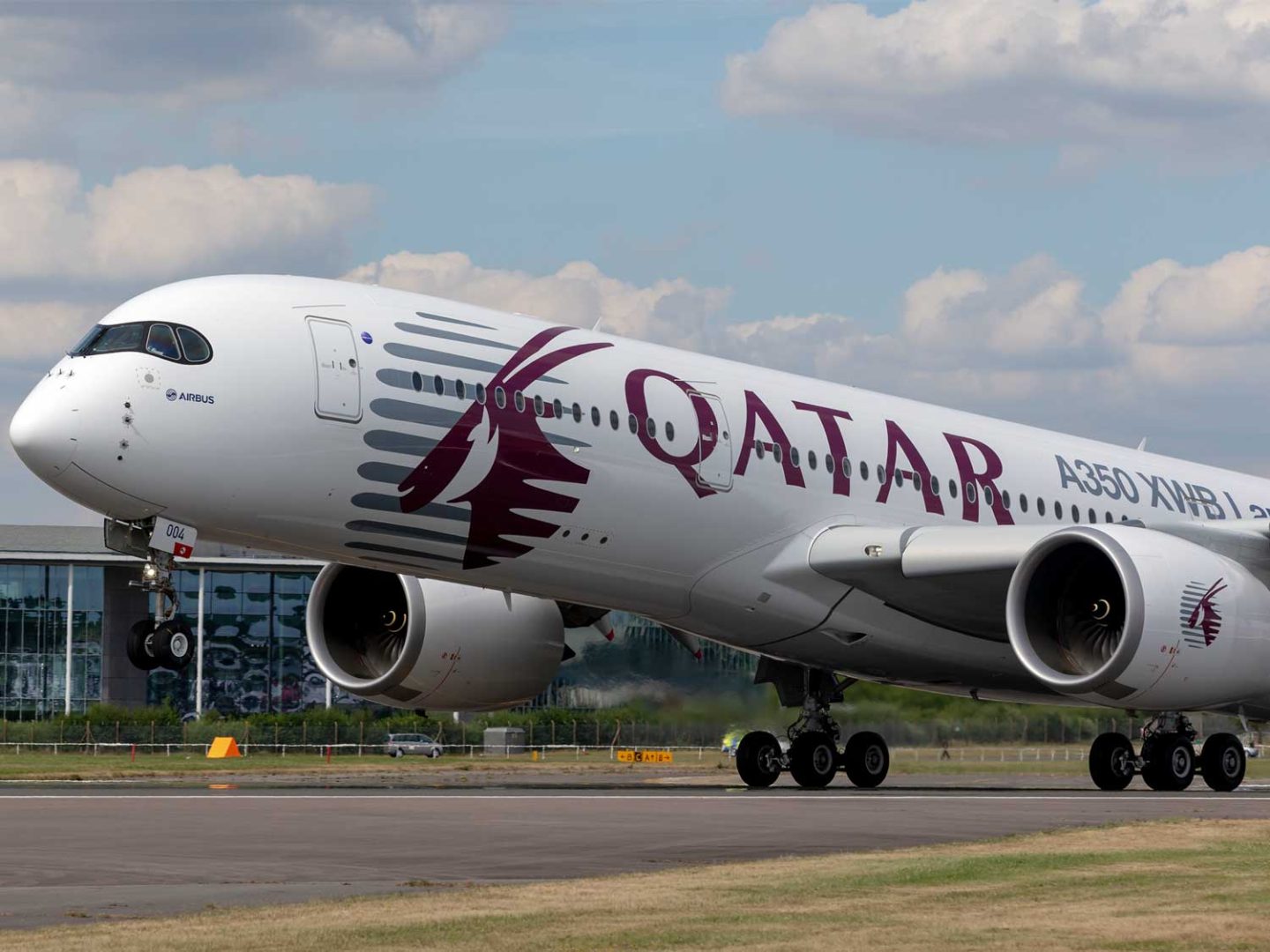
As the air cargo market looks beyond the current year, long-term capacity shortages are likely to become an enduring feature. Boeing’s production challenges and limited feedstock for aircraft conversions have constrained the introduction of new freighter capacity, while delays in new technology, such as Airbus’s A350 freighter and Boeing’s 777-8 freighter, further tighten the timeline for expanded availability. The first A350 freighter is now expected in late 2026, and production of the 777-8 freighter remains uncertain.

Additionally, the International Civil Aviation Organization’s (ICAO) 2028 emissions standards deadline is anticipated to impact freighter availability. These standards will limit the production of certain aircraft types, likely exacerbating the capacity shortage. As capacity remains restricted, competition for available space will drive rates higher.

The air freight sector faces an extended period of rate volatility and capacity restrictions that may last well into the decade.

Our block space agreements (BSA) and capacity purchase agreements (CPA) protect space and capacity on the busiest routes, so we can fly your cargo at the best rates.

Regardless of your cargo type, size and requirements, we have extremely competitive rate and service combinations, to meet every deadline and budget.

EMAIL Elliot Carlile, Operations Director, for insights and prices. 

MSC and Maersk 1440x1080 1

New alliances reshape East-West trade container shipping

Container shipping faces a transformative year in 2025, as key East-West and transatlantic shipping routes are set for substantial realignment, with the dissolution of existing alliances and the formation of new ones.

Carriers are optimising their networks to enhance competitiveness and meet the evolving demands of global trade, with the emergence of two new alliances: the Gemini Cooperation, a partnership between Maersk and Hapag-Lloyd, and the Premier Alliance, a collaboration of Yang Ming, HMM, and ONE, alongside new slotting arrangements with MSC.

The Ocean Alliance remains unchanged, continuing with CMA CGM, Evergreen, Cosco, and OOCL. These shifts will impact service offerings, schedules, and direct port-pair connections across major East-West routes, providing shippers with a mix of increased options and competition.

New alliances drive service innovation
MSC’s standalone network, set to operate independently of the previous 2M Alliance with Maersk, offers massive connectivity across five key trade routes: Asia to North Europe, the Mediterranean, North America West Coast, North America East Coast, and the transatlantic. The network promises high direct connectivity through both the Suez and the Cape of Good Hope, featuring over 1,900 direct port pairs, making it a formidable standalone competitor.

In contrast, the newly formed Gemini Cooperation offers few direct port-port pairs, concentrating on transhipment and feeder services to optimise efficiency. On the Asia-Europe route, MSC offers three-and-a-half times more direct connections than Gemini, while the Premier Alliance has structured its services with a high frequency of calls on selected port pairs, adding competitive pressure, especially on the Asia-North America route.

Competitive corridors and service options
For Asia-Europe, key origins including Shanghai and Ningbo will see extensive service coverage, with MSC offering the most direct options, followed closely by Ocean Alliance. MSC’s standalone network is set to offer daily services along some of these high-demand corridors, which will include major destination ports in North Europe, such as Antwerp and Felixstowe.

The Ocean Alliance will leverage its consistent service network with regular calls to European hubs, meeting demand with a steady schedule. In contrast, the Gemini Cooperation will focus on select routes with a more streamlined approach, prioritising efficiency over frequency, while the Premier Alliance positions itself as a flexible choice with direct connectivity to both large and mid-size European ports.

On the transatlantic route, the landscape is also evolving. MSC’s expanded standalone service includes comprehensive transatlantic offerings, with high-frequency connections to both North American and European ports. These routes cater to demand for direct services between major East Coast ports in the US and destinations such as Hamburg, Antwerp, and Rotterdam. The Premier Alliance, through its slot exchanges with MSC, will also deliver enhanced transatlantic options, further enriching service choices on this important corridor. The Gemini Cooperation, however, has chosen to limit its transatlantic service focus, concentrating on key North European ports.

Flexibility and choice
While 36 key port pairs will see direct services from all alliances, offering shippers competitive choices, 139 port pairs will be exclusively serviced by a single alliance, providing unique service propositions.

The distinct approaches taken by each alliance highlight a shift towards service flexibility, with alliances focusing on varying service concepts, transit times, and reliability levels to cater to different market needs.

As new alliances settle into their operational structures and MSC advances as a powerful standalone force, the reshaped East-West trade-lanes, including transatlantic services, will give shippers a broader selection of service configurations.

Metro negotiate rates and volume agreements with a broad portfolio of carriers, including MSC and across the alliances, to offer our shippers the widest range of service offerings, port-pairings and rates.

Our bespoke solutions uniquely reflect our customers requirements and expectations. For further information please EMAIL Chief Commercial Officer, Andy Smith, who would be delighted to review your situation. 

Montreal

Labour tensions rise on North America’s East coast

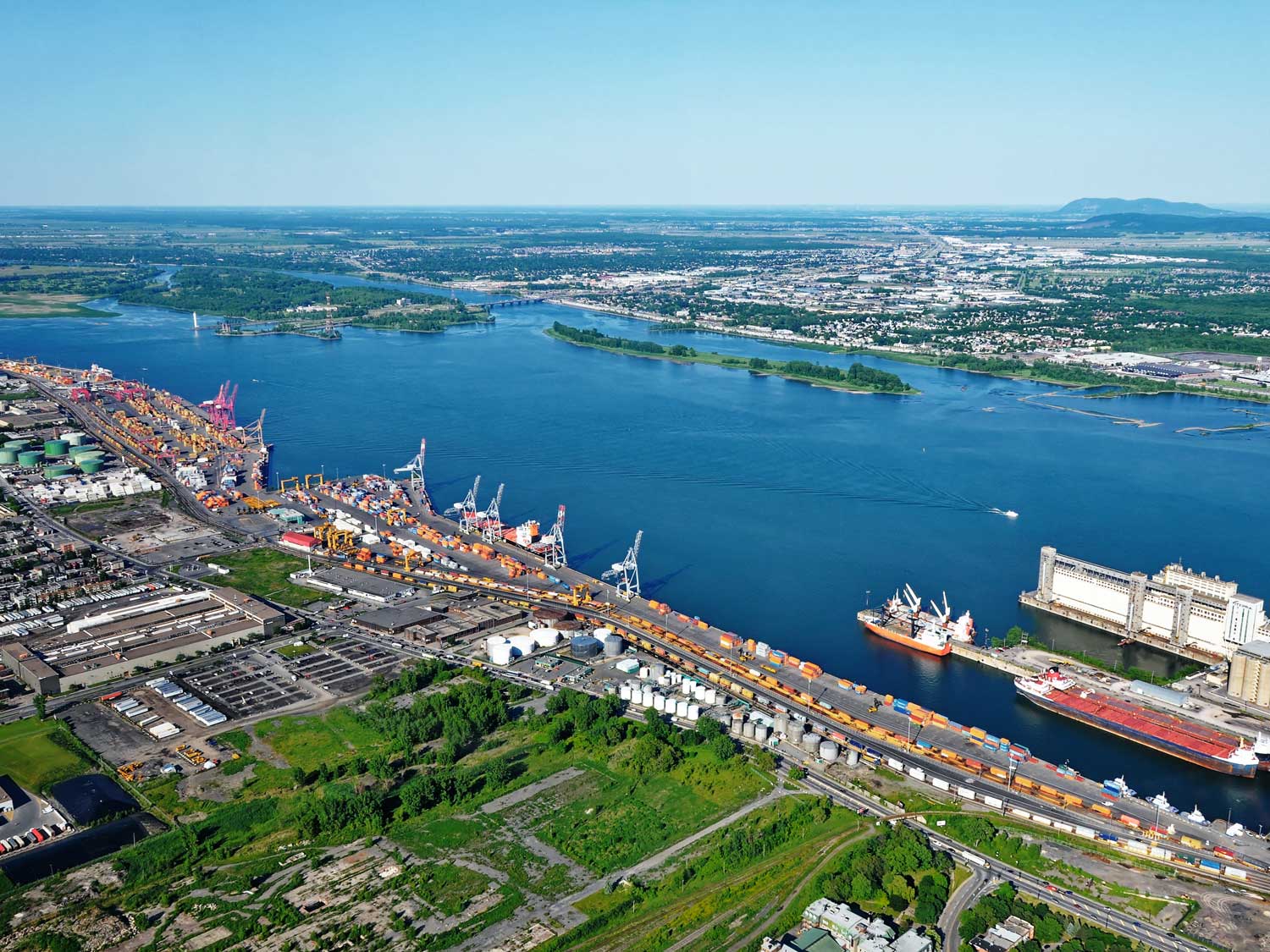
Ongoing labour disputes on the US East Coast and Canada’s Port of Montreal continue to threaten disruptions to North American supply chains.

The agreement between the ILA and the United States Maritime Alliance (USMX) on the US East coast (USEC) brings temporary relief, securing peace for the next three months. The wage increase of over 60% marks significant progress, but the contentious issue of automation remains unresolved and could lead to further disruptions when the current contract extension expires on 15 January 2025.

With over 60 ships backed-up during the strike, ports have been working hard to clear the backlog. They have been aided by spare capacity, which has been created by shippers front-loading and cargo diversions.

In many cases the ports extended operational hours to process delayed vessels, ensuring that the backlog will not stretch far into the busy holiday season.

Meanwhile, the Port of Montreal is bracing for an indefinite overtime strike that started on 10 October, following earlier strike actions that halted operations at two terminals. The port’s longshoremen are using the strike to pressure employers amid slow-moving negotiations, which have dragged on for over a year. This escalation threatens to further disrupt operations at Canada’s second-largest port, affecting supply chains and causing delays for transatlantic trade.

While some carriers have suspended their Emergency Operations Surcharges on the USEC, several have announced peak season surcharge (PSS) hikes. Maersk, CMA CGM, and MSC are introducing increased surcharges of up to 15% from Europe, the Mediterranean, and other regions to North America.

Some carriers have rerouted cargo to alternative ports to mitigate delays, and flexibility will be crucial as labour disputes continue. The ILA’s extension of negotiations to January, just before Chinese New Year shipping demand, suggests potential for further congestion and delays in the coming months.

The combination of vessel congestion, labour disputes, and surging rates highlights the importance of adaptable logistics strategies in today’s volatile shipping environment.

Metro works with shippers to overcome rising freight rates and operational uncertainty, with innovative solutions and proactive planning to keep supply chains flowing.

We have contingency plans in place to avoid the ports likely to be most affected by strikes, as well as alternative routes and entry points.

To discuss these issues and how Metro can protect your supply chain, please EMAIL Andrew Smith, Chief Commercial Officer.