

Rachel Reeves 1440x1080 1

UK trade expansion, investment, and regulatory shifts

While challenges remain, including rising costs and global economic uncertainties, the UK’s export trade environment is set for significant transformation, driven by infrastructure investments, regulatory updates, and evolving international partnerships.

Chancellor Rachel Reeves has outlined ambitious plans to boost growth, focusing on airport expansions, international trade missions, and economic cooperation with key partners. These initiatives come as Europe faces economic headwinds, underscored by a recent interest rate cut by the European Central Bank.

Infrastructure expansion to boost trade

Reeves has signalled strong government support for expanding the UK’s aviation infrastructure, including at Heathrow, recognising its critical role in trade and connectivity. 

The government is considering further development at Luton and Gatwick airports, in addition to backing expansion at London City and Stansted. The proposed reopening of Doncaster Sheffield Airport and the establishment of an advanced manufacturing and logistics park at Manchester Airport are expected to generate significant investment and job creation.

“A third runway at Heathrow should be a priority,” said Marco Forgione, director general of the Chartered Institute of Export & International Trade. “We also urge the government to invest in the UK’s broader infrastructure network, including road, rail, and ports, to remain competitive in the global market.”

Strengthening global trade ties

The UK government is ramping up efforts to strengthen international trade relationships. Business and trade secretary Jonathan Reynolds will lead a trade delegation to India next month, aiming to secure new partnerships and investment opportunities. Reeves also reaffirmed the UK’s commitment to leveraging its “special relationship” with the US, particularly under the administration of President Trump.

Meanwhile, China is solidifying its dominance in clean energy mineral supply chains, issuing loans worth billions to developing countries. This move highlights the urgency for the UK to secure its own critical mineral supply chains to support green energy initiatives.

Customs and regulatory updates

Changes in trade regulations continue to impact UK exporters. HMRC has announced the closure of the Modernising Authorisations project following a spending review. However, ongoing improvements to customs guidance and technical handbooks will still be delivered, ensuring businesses receive the necessary support for compliance.

Additionally, new safety and security requirements have been implemented, alongside updates to the Customs Declaration Service. These regulatory shifts reinforce the importance of businesses staying informed and adapting to evolving trade procedures.

UK-EU economic cooperation

The UK is pursuing deeper economic cooperation with the EU, with a proposal to link the UK and EU Emissions Trading Schemes (ETS). This alignment could help streamline cross-border trade and reduce compliance burdens when both parties fully implement their respective Carbon Border Adjustment Mechanisms (CBAMs). These mechanisms, designed to tax high-emission imports, aim to prevent carbon leakage by discouraging companies from relocating polluting activities to regions with looser environmental regulations.

EU officials have confirmed that the UK has requested ETS linkage and CBAM discussions to be included in an upcoming UK-EU summit. Minister for EU relations Nick Thomas-Symonds described this as an “absolute priority” for ensuring regulatory alignment and minimising trade disruptions.

Navigating the complexities of international trade requires real-time insights and expert guidance. At Metro, we continuously monitor market influences, including currency fluctuations, macroeconomic trends, and evolving regulations, to help you de-risk your supply chain and maximise opportunities.

Our MVT supply chain platform offers in-depth reporting, tracking global CO2 emissions and providing essential environmental compliance templates. Whether you’re entering new export markets, sourcing from fresh suppliers, or responding to regulatory changes, we provide tailored solutions to keep your business competitive.

With over 40 years of expertise in multimodal transport and customs brokerage, we lead the way with CuDoS, our automated customs declaration platform, ensuring swift compliance with UK and EU trade regimes.

Make informed decisions with Metro’s strategic support. For trade insights and risk management advice, EMAIL Laurence Burford, Chief Financial Officer. For customs and regulatory solutions, EMAIL Andrew Smith, Managing Director.

Trump tariffs on mobile 1440x1080 1

The risks of President Trump’s trade policies

President Donald Trump’s inauguration speech and subsequent executive orders have provided further insights into his proposed trade policies. 

His emphasis on protectionism, territorial expansion, and the establishment of an “External Revenue Service” marks a significant shift in the approach to international trade, raising concerns among stakeholders in global supply chains.

While intended to prioritise domestic economic growth, these policies could have far-reaching consequences for international trade, supply chains, and geopolitical stability.

In his inauguration speech, President Trump stated a commitment to reversing what he views as exploitative trade practices. Key elements of his vision include:

Tariffs and Revenue Generation: Trump announced the establishment of an “External Revenue Service” to manage tariffs, duties, and revenues, asserting that this would generate “massive amounts of money pouring into our treasury coming from foreign sources.” He also hinted at potential tariffs of 25% on imports from Mexico and Canada, with implementation possibly starting as early as February.

Territorial Expansion and Strategic Assets: In a surprising claim, Trump indicated intentions to “take back” the Panama Canal, erroneously stating that China operates it. He further noted ambitions to expand US territory, with implications for regions like Panama, Greenland, and Canada. These statements have added to geopolitical uncertainties.

Inflation Concerns: Despite his stated goal of reducing inflation, Trump’s emphasis on tariffs directly contradicts this aim. As economic experts have pointed out, tariffs tend to increase costs for businesses and consumers, creating inflationary pressures.

Implications for Global Trade and Supply Chains

Tariffs and Retaliation
The proposed tariffs, including the suggested 25% levies on Mexico and Canada, pose a risk of retaliation from trading partners. Such measures could disrupt the smooth flow of goods, increase trade barriers, and lead to a cycle of reciprocal tariffs. Industries like automotive, manufacturing, and electronics, which rely heavily on global supply chains, would be particularly affected.

These policies also threaten to undermine trade relationships between the US and its partners, creating uncertainty for businesses dependent on predictable supply chain operations.

Inflationary Impact
Trump’s claim that tariffs would enrich the US by taxing foreign countries misrepresents how tariffs function. In reality, these costs are borne by importers and ultimately passed on to consumers in the form of higher prices. This would likely lead to inflation, contradicting the administration’s stated goal of reducing costs and combating record inflation.

Geopolitical Tensions
Trump’s assertion regarding the Panama Canal and broader territorial ambitions increases geopolitical uncertainties. Control of key trade corridors like the Panama Canal is crucial for global shipping routes, and such rhetoric risks destabilising international relations. The suggestion of US territorial expansion further complicates trade dynamics, with potential repercussions for trade routes and global commerce.

Impacts on the UK and Europe
For the UK, the indirect effects of Trump’s policies are concerning. Europe, a key trading partner for the UK, may face economic disruptions due to strained US-EU trade relations. The UK’s automotive, machinery, and chemicals sectors, which rely on seamless integration with European supply chains, could experience higher costs, delays, and reduced demand.

Additionally, retaliatory measures by China and other US trading partners may flood global markets with cheaper goods, increasing competition for European industries and indirectly affecting UK exporters.

At Metro, we leverage award-winning services and deep market expertise to help businesses navigate the challenges posed by new tariffs, rising trade barriers, and supply chain disruptions. Whether it’s mitigating the impact of rising trade barriers, reconfiguring supply chains to address changing energy policies, or responding to broader global and UK economic developments, Metro provides tailored insights and solutions to ensure your success.

In times of uncertainty, preparation is key. With Metro as your trusted partner, you can adapt and thrive in this evolving landscape.

Contact Managing Director Andy Smith today to explore how we can safeguard your supply chain and help you navigate the complexities of 2025.

Trump on tv 1440x1080 1

Global financial events and Trump’s presidency: Implications for trade and logistics in 2025

As we step into 2025, the global financial and political landscape is undergoing significant transformations. Among the most notable developments is Donald Trump’s return to the U.S. presidency, a shift that is likely to influence international trade and logistics. 

Closer to home, Q1 economic indicators in the UK also signal a complex year ahead, marked by both opportunities and challenges for businesses operating in the trade and logistics sectors.

Shifting economic landscape in the UK

Investor confidence in the UK is showing signs of improvement as the year begins, with several factors contributing to this optimistic outlook:
Economic growth: The UK economy is projected to grow by 1.5% in 2025, up from 0.9% in 2024. This improvement is driven by more expansionary fiscal policies and increased public spending, which are expected to provide momentum to key sectors.
Interest rate cuts: The Bank of England is anticipated to implement further rate reductions throughout 2025 and into 2026. Lower borrowing costs are already boosting confidence, particularly in the commercial property sector.

However, the private sector remains under pressure from elevated taxes, borrowing costs, and rising wage expenses, factors that may temper overall growth.

Trump’s presidency and its potential impact on trade

Donald Trump’s return to the presidency this month may see the introduction of new policies that could reshape international trade and logistics. His administration has signalled a focus on tariffs, energy production, and stricter border controls, all of which carry implications for global supply chains:
Tariffs and trade policies: Proposed tariffs on imports could increase costs for goods entering the U.S., affecting supply chains globally. Retaliatory measures from other countries may escalate into a trade war, disrupting established trade routes and adding volatility to logistics markets. Higher shipping costs and increased customs barriers would likely emerge as additional challenges for businesses.
Energy production: By prioritising domestic energy production, the U.S. aims to reduce reliance on foreign oil. While this policy may lower energy costs domestically and benefit logistics operations reliant on energy-intensive processes, it could also influence global oil prices, impacting trade dynamics for oil-exporting nations.

The performance of the U.S. dollar under these policies is also likely to affect global markets, with potential downward pressure on the GBP/USD exchange rate impacting UK businesses reliant on international trade.

Navigating 2025’s complexities

The events shaping Q1 2025, both domestically and internationally, will have far-reaching consequences for the trade and logistics sectors. Businesses must remain agile and proactive to adapt to shifting market dynamics.

Metro’s award-winning services and unparalleled market expertise position us uniquely to help businesses navigate the complexities of 2025. Whether managing disruptions from new tariffs, adjusting supply chains in response to energy policy shifts, or adapting to UK economic changes, we provide the insights and solutions needed to succeed in a rapidly evolving landscape.

In the face of uncertainty, preparation and adaptability are key. With Metro as your partner, you can confidently tackle whatever challenges 2025 may bring.

EMAIL Managing Director, Andy Smith today to learn how we can safeguard your supply chain.

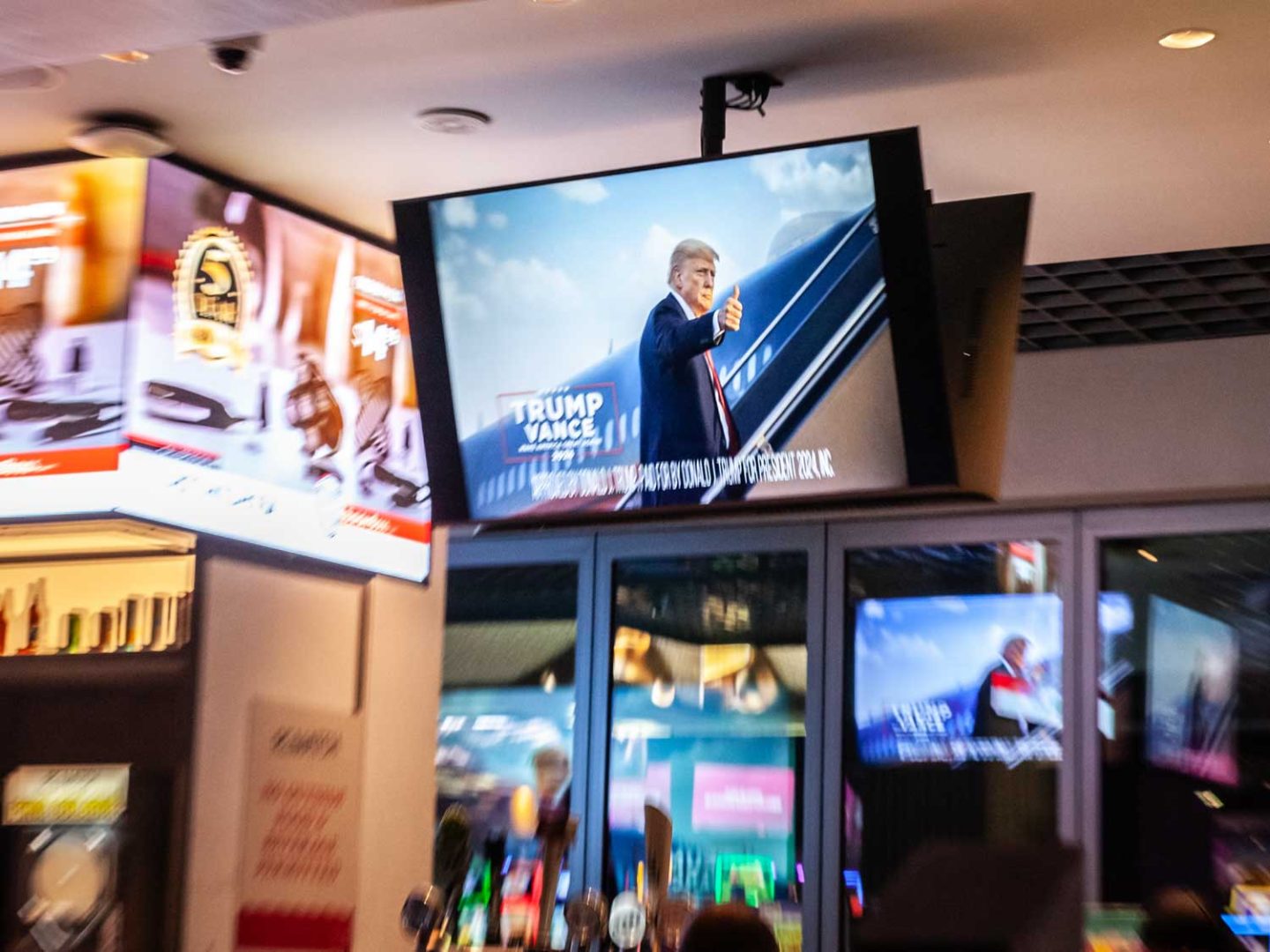
Trump on tv 1440x1080 1

The potential impact of the new US administration on global trade

As the United States, and the world, braces for potential shifts in trade policy, new tariff proposals and ongoing supply chain challenges are reshaping the global logistics landscape.

President-Elect Trump’s threatened trade tariffs, along with geopolitical and operational pressures, are driving significant changes in import patterns, freight rates, and supply chain strategies.

Protectionist policies
President Trump’s first administration was marked by aggressive trade policies, and his second term is marked by a resurgence of tariff-based strategies targeting China and other major trading partners. Proposed tariffs include a universal rate of 10-20% on all imports to the US, with an additional 60-100% on imports from China, together with another 10% above any additional tariffs, on all products, until the supply of the illegal drug fentanyl ceases. 

These measures could significantly raise consumer costs for goods such as apparel, toys, furniture, and household appliances. In 2023, tariffs on Chinese apparel cost U.S. companies and consumers $1.3 billion, with forecasts estimating that consumers would pay between $13.9 billion and $24 billion more annually due to the proposed tariffs.

Additional tariffs could reduce trans-Pacific shipping volumes, while supply chains may diversify further to Southeast Asia, India, and Latin America. These shifts would alter global shipping patterns and potentially lower container shipping demand from Asia.

Surge in imports ahead of tariffs
The prospect of new tariffs is expected to accelerate import activity, as businesses aim to pre-empt the potential cost increases by expediting shipments, placing substantial demand on vessel space. This surge, if realised, would exacerbate pressures on an already strained logistics infrastructure, particularly during peak seasons.

Volatility in sea freight rates
Tariff-driven demand spikes are poised to push freight rates higher, especially on trans-Pacific routes. Companies, wary of increasing costs, are likely to explore alternative sourcing locations outside China, though this has been complicated further as the US president-elect said he would sign an executive order imposing a 25% tariff on all goods coming from Mexico and Canada, after being inaugurated on 20 January 2025. The impending early Chinese lunar new year in late January 2025 further compounds the uncertainty, as shippers rush to secure capacity.

Heightened supply chain challenges
Labour disputes continue to threaten North American supply chains, with the potential for an International Longshoremen’s Association (ILA) strike if negotiations do not conclude positively by January 2025. Concurrently, recent lockouts at Montreal and Vancouver ports have disrupted trade flows, with ripple effects expected at other ports, including Halifax.

A second Trump administration may prioritise renegotiating or withdrawing from international trade agreements to favour US interests, including potential revisions to WTO agreements. Such moves could disrupt North American trade flows and create further uncertainty for global shipping stakeholders. Additionally, heightened geopolitical tensions could impact critical maritime routes and alliances, particularly in the South China Sea.

The combination of tariff uncertainties, labour disputes, and shifting sourcing strategies signals a challenging period for global trade. Rising costs and operational complexities could challenge shipping in the long term, with broader implications for economic stability.

As the situation in the United States develops we will continue to provide regular updates, but if you have any concerns or questions about how these events might impact your shipments, please reach out to us.

EMAIL Chief Commercial Officer, Andy Smith today to learn how we can safeguard your supply chain during challenging periods.