

Med satellite 1440x1080 1

UK Bid to Join Pan-Europe Trade Area Blocked

The UK government’s attempt to join the Pan-Euro-Mediterranean (PEM) Convention, a framework that simplifies supply chains and reduces tariffs across Europe, North Africa, and parts of the Middle East has been blocked by the EU.

Established in 2012 and modernised in 2025, the PEM Convention allows manufacturers in member countries to “cumulate” inputs, counting components sourced from any PEM country as local when determining a product’s origin for tariff purposes. 

So, if a Turkish manufacturer made a machine from EU-sourced parts, the item would be considered as “made in Turkey” when exported to France, benefiting from preferential trade agreements. This enables goods like cars, chemicals, and processed foods to move across borders with reduced  paperwork and lower tariffs.

The convention’s 25 members include the EU, Norway, Switzerland, Turkey, Ukraine, Egypt, Morocco, and Israel. The UK, notably, is one of the few European countries not included.

Joining PEM could ease post-Brexit trade friction, particularly for UK manufacturers relying on complex, multinational supply chains. It would:

– Reduce rules-of-origin paperwork
– Provide greater sourcing flexibility
– Support industries like automotive, chemicals, and food processing

While some experts say the impact would be moderate, others argue it’s a pragmatic step that offers clear benefits without requiring a return to the EU single market or customs union.

Why Is the UK Blocked?
Despite initially signalling openness, the European Commission has withheld support for UK accession, citing concerns that UK-made goods could unfairly qualify for low-tariff access to EU markets.

Technically, incorporating PEM provisions into the EU–UK Trade and Cooperation Agreement (TCA) would require reopening parts of the Brexit deal and EU officials have indicated they want to stick closely to the “common understanding” agreed at the May UK–EU summit, to avoid further complications.

This block has frustrated UK trade bodies, including the British Chambers of Commerce, which see PEM as a practical tool to improve trade flows.

The UK government has said it will continue to review the potential benefits of PEM and engage with the EU and other PEM members. However, with Brussels signalling little appetite to renegotiate TCA terms, short-term progress may be unlikely.

Metro’s customs specialists design tax-efficient supply chains using bonded warehousing, IPR/OPR, duty drawback, and other regimes to protect your cash flow, minimise duty exposure, and keep you fully compliant. EMAIL Managing Director, Andy Smith, to learn more
RoRo in US 1440x1080 1

U.S. RoRo Port Fees Set to Disrupt Automotive Logistics

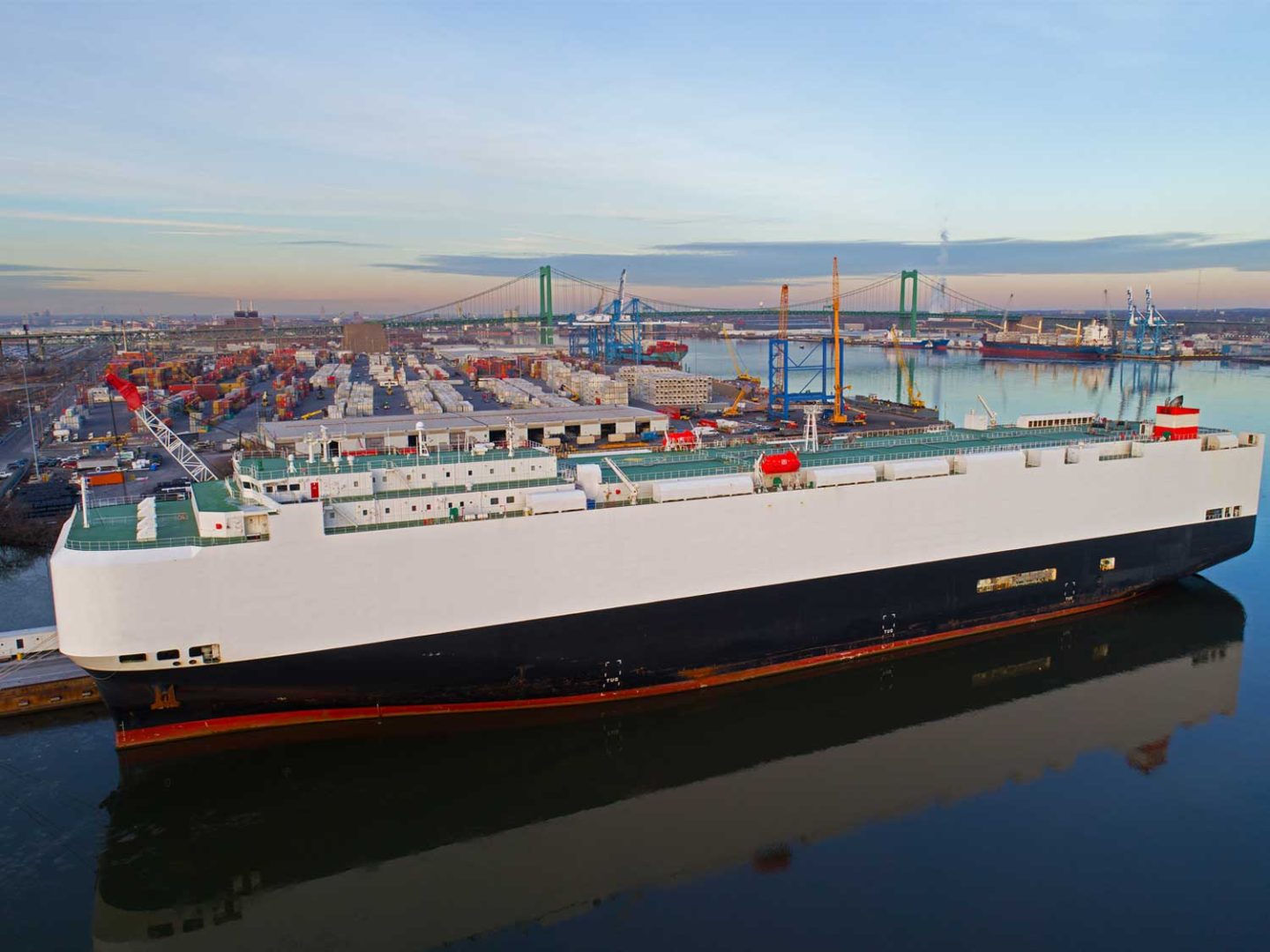
The U.S. Trade Representative (USTR) has confirmed it will introduce new fees on foreign-built roll-on/roll-off (RoRo) car carriers calling at U.S. ports from October 14, 2025, as part of a broader push to counter China’s maritime influence.

The initial fee of $150 per Car Equivalent Unit (CEU) is designed to incentivise shipping lines to invest in U.S. built vessels. A temporary remission is offered to companies that order and take delivery of a U.S. built car carrier of equal or greater capacity within three years. They can avoid the charges during that period.

However, recent USTR updates suggest the fee may shift to a $14 per net ton charge to simplify administration and reduce the risk of fee evasion. The final decision is pending following public consultations.

Impacts on RoRo Operators and Automotive Logistics
Major global vehicle carriers operating between Europe, Asia, and the U.S. are warning of significant cost increases, potentially reaching hundreds of millions of dollars annually. 

A leading Nordic carrier estimates its annual liability could reach $300 million, based on 300–350 annual voyages to the U.S, while another major Norwegian operator projects $60–70 million per year in additional fees.

Major carriers impacted include Japanese operators “K” Line, Mitsui O.S.K. Lines, NYK Line, and South Korea’s Hyundai Glovis, all of whom have extensive U.S. vehicle import operations.

While some carriers plan to pass costs onto customers, there is growing concern that surcharges will ripple through supply chains, raising prices for manufacturers, dealers, and ultimately consumers.

There is also confusion over how mixed-use vessels, those carrying both cars and containers will be classified, with some operators calling for fees to be based on actual cargo moved, not total vessel capacity.

The risk of double charges on multi-port U.S. calls is further raising alarm, with some carriers warning they may be forced to reduce or withdraw U.S. services altogether if the fee regime is not clarified or adjusted.

The fees will not apply to U.S. government cargo or vessels operated directly for the government by agents or contractors.

Critics argue that the USTR’s blanket approach to all foreign-built RoRo vessels may create unintended market distortions, harming non-Chinese carriers, squeezing capacity, and undermining U.S. automotive supply chains, while doing little to curb China’s maritime ambitions.

Final regulations are expected before the end of the summer, and the industry is watching closely.

Stay ahead of global logistics shifts, with Metro’s technology and expertise helping you overcome change. Drive automotive supply chain performance with Metro’s specialised logistics solutions. From finished-vehicle transport to after-sales support, we deliver precision, resilience, and cost efficiency across global automotive supply chains. EMAIL Managing Director, Andy Smith, to learn more

PCTC 1440x1080 1

UK Carmakers Challenged While China’s Ro/Ro Fleet Eye Europe

Britain’s automotive industry is facing a historic low, as UK vehicle production in May 2025 fell to its weakest level since 1949. Yet while UK manufacturers scale back, Chinese Ro/Ro operators are expanding aggressively, driven by rising vehicle exports and a strategic push into Europe’s automotive supply chain.

According to the Society of Motor Manufacturers and Traders (SMMT), May output plummeted by 33%, marking the fifth consecutive monthly drop and the worst May performance outside the pandemic in 75 years.

Passenger car production fell by 31% due to factory retooling, restructuring efforts, and export pressures, particularly the additional 25% US tariffs on British-built cars. Commercial vehicle output was hit even harder, down 54%.

Exports also declined sharply, with overall car exports down 28% in May, with sales to the US down more than 55% and EU shipments falling by 22.5%. The US now accounts for just 11.3% of UK car exports, compared to 18.2% last year. Commercial vehicle exports slumped by over 70%, dragging total export share down to 41%, from nearly 68% last year.

While trade deals with the US, EU, and India offer a glimmer of recovery, and the UK government’s new Industrial Strategy has been cautiously welcomed, competitiveness remains constrained by high energy costs and limited global market access.

Chinese Ro/Ro Fleet Target Europe
In sharp contrast, China’s automotive and maritime sectors are expanding in tandem and targeting Europe for growth. Chinese car exports hit 6 million units last year and have already grown by another 6% in 2025. 

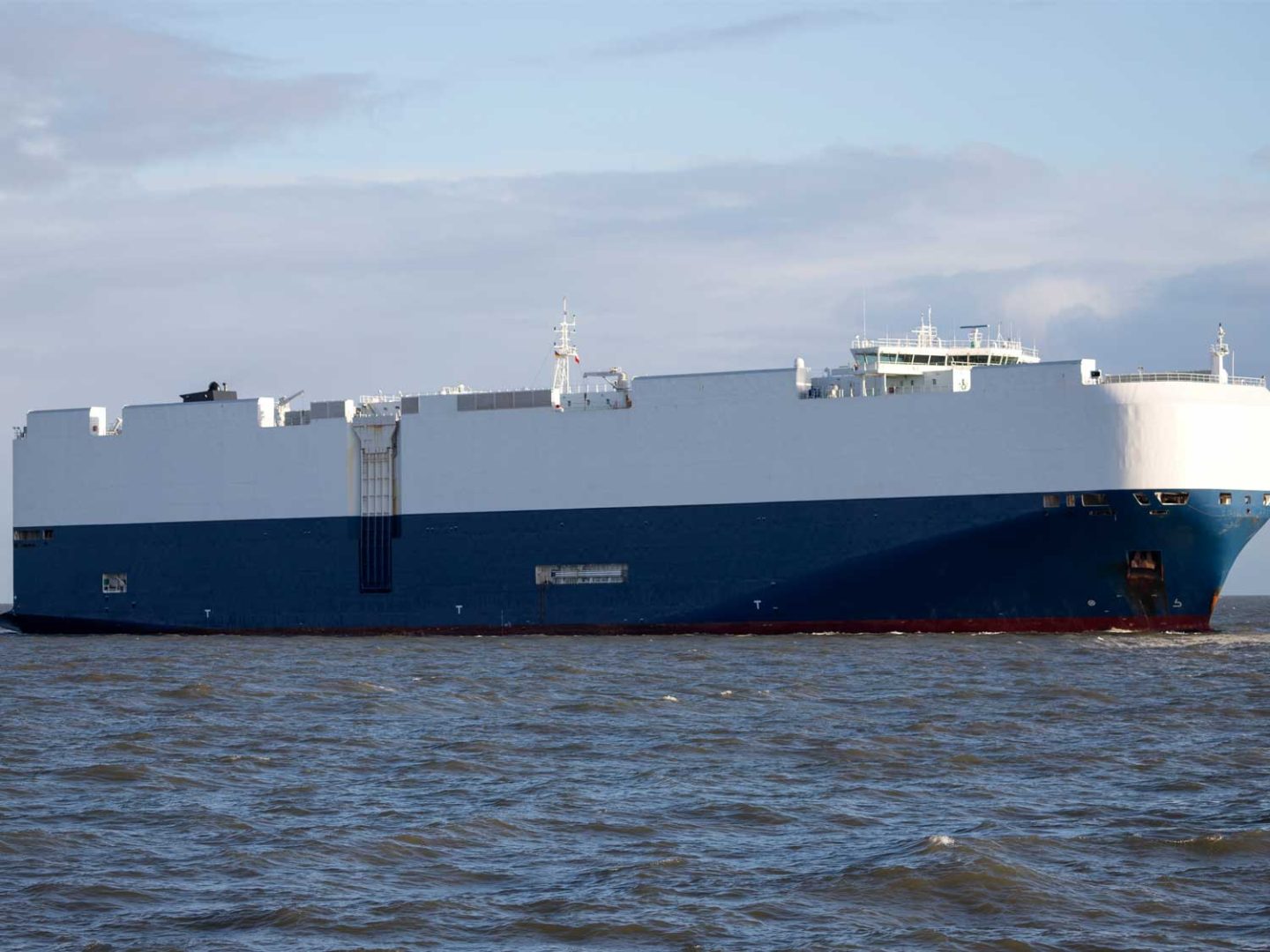
Backed by this momentum, Chinese logistics and manufacturing giants, including BYD, Geely and Cosco are deploying a wave of new pure car and truck carriers (PCTCs) to challenge global Ro/Ro shipping. China’s top operators already operate over 330,000 CEUs of deep-sea capacity, with more than 160 additional car carriers on order for delivery by 2028.

The strategy is clear: support Chinese auto exports, then aggressively seek return cargo from the UK, Europe and the US. Some of the largest PCTCs in the world, like BYD’s 9,200-CEU vessels, are already sailing, with their maiden voyages underway.

Unlike traditional operators, which serve a broad customer base and global networks, the Chinese model is focused and fast. With fewer port calls and less dwell time, these vessels will achieve higher utilisation and faster turnarounds, giving them a cost and scheduling advantage.

However, Chinese carriers currently lack established backhaul cargo volumes. To fill empty capacity on westbound legs, the expectations is that they will cut freight rates, potentially sparking a rate war in the PCTC market. While this may benefit cargo owners in the short term, it raises serious concerns about rate dumping and market distortion.

For automotive exporters already grappling with global competitiveness, rising Chinese presence in vehicle manufacturing and Ro/Ro shipping could further disrupt market balance, especially if European importers pivot toward Chinese brands supported by their own integrated logistics infrastructure.

Metro understands the complexities of global automotive supply chains and the growing pressures facing UK manufacturers. Our multimodal freight services, OEM experience and tailored Ro/Ro solutions help keep your production lines supplied and your finished vehicles moving to market—despite rising competition.

EMAIL our managing director Andrew Smith.

ship aerial 1440x1080 1

Europe Builds Momentum as Trans-Pacific Slowdown Deepens

Global container shipping is evolving rapidly, with Asia–Europe trade lanes showing fresh strength just as the transpacific market enters a significant slowdown. This divergence is creating new challenges and opportunities for shippers.

On the Asia–Europe route, demand has been steadily rising, with spot freight rates climbing significantly since the end of May. After a sluggish start to the year, the peak season seems to have arrived, driven by stronger consumer sentiment in Europe, improved macroeconomic indicators, and renewed retailer confidence in stock building.

Forecasts for European imports have been upgraded. Instead of the previously expected 3.5% annual growth, volumes are now set to increase by 6% through 2025. This is being supported by lower inflation, falling unemployment, rising disposable income, and stronger euro/sterling, which is making imports from Asia more affordable.

A new UK trade agreement is also giving exporters a boost by reducing U.S. tariffs on inbound goods to 10%. Discussions with the EU are ongoing, and similar tariff terms could apply more broadly to European supply chains, further stimulating demand.

In contrast, container traffic from Asia to North America is heading in the opposite direction. The sharp increase in demand earlier this year, driven by front-loading stock ahead of tariff deadlines, has left warehouses full and order volumes slowing. With inventory levels high and economic uncertainty persisting, import activity is falling, and rates have dropped since early June from Asia.

Adding to this pressure is the looming reintroduction of US tariffs. Temporary suspensions on general and China-specific tariffs are set to expire in July and August respectively. While extensions are possible, the expected imposition of new duties, potentially rising to 55% for some Chinese goods, may suppress demand further and shift sourcing decisions in the second half of the year.

Although a short-lived spike in cargo arrivals at US West Coast ports may materialise in July, driven by attempts to beat the tariff deadlines, this is expected to be a temporary reprieve in a broader downtrend.

Meanwhile, carriers on the Asia–Europe route are preparing to balance higher demand with tighter capacity. Shipping lines plan to withdraw approximately 90,000 TEU of scheduled space in August compared to July, using blank sailings and capacity cuts to maintain pricing discipline. If volumes remain strong, this could lead to a second wave of rate increases before the end of summer.

Beyond commercial dynamics, security remains a key concern in the Red Sea. A bulk carrier was attacked this week using drone boats, rocket-propelled grenades, and small arms, in the first such assault since December. Analysts warn that the threat level to commercial shipping has risen significantly, with continued disruption to Suez-linked services.

As trade routes shift, tariffs tighten, and risks increase, the ability to adapt quickly and make informed shipping decisions is more critical than ever.

Metro’s sea freight team provides expert guidance to help you navigate volatile conditions, mitigate disruption, and make your supply chain more resilient. Whether you’re importing from Asia or exporting to global markets, we’ll keep your cargo moving and your costs under control.  EMAIL our managing director Andrew Smith.