screen concept

Turning disruption into decision advantage

The simultaneous disruption in the Persian Gulf and continued Red Sea avoidance is creating a supply chain shock without modern precedent. Metro’s latest application release is giving you unprecedented visibility.

With vessels held or diverting, Gulf-bound cargo potentially discharging at intermediate hubs, and 2%+ of the global fleet positioned in or near the Persian Gulf, pressure is rapidly shifting across global port networks.

Congestion is no longer isolated to one region. It is migrating.

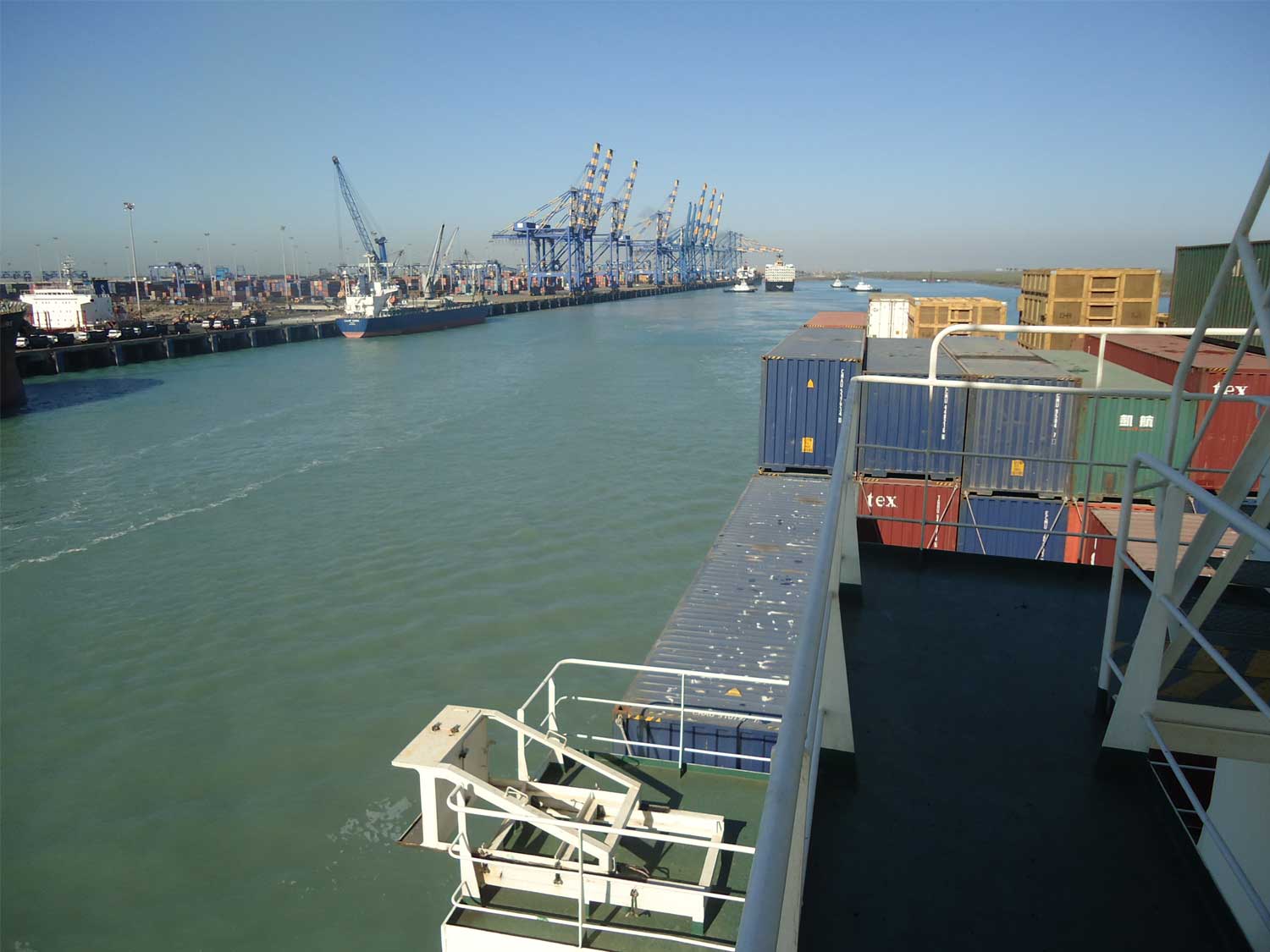
Transhipment hubs such as Salalah, Khor Fakkan, Sohar, Duqm and Colombo are absorbing displaced volumes. Secondary effects are already emerging at Singapore, Port Klang and Tanjung Pelepas. As carriers reassess Gulf calls and reroute services, containers already on the water may face discharge changes, berth delays and inland knock-on disruption.

In this environment, traditional vessel tracking is not enough.

Shippers need early, reliable visibility into port performance — not just where the vessel is, but what will happen when it arrives.

Introducing port congestion visibility in Metro MVT

To support customers navigating this evolving situation, Metro has launched a new Port Congestion application within the Metro MVT Portal.

The solution provides real-time, data-driven insight into port conditions across key global gateways, enabling proactive planning rather than reactive firefighting.

Key Capabilities

Interactive dashboards deliver clear visibility of:

• Vessel Waiting Time
• Vessel Traffic at Port
• Vessel Days Wasted
• Vessel Dwell Time
• Country-level congestion trends
• Port-level congestion indicators

This allows customers to identify where congestion is building — often days or weeks before cargo arrival.

Why this matters now

With emergency war-risk surcharges applied, routing changes underway and air cargo capacity reduced, cost exposure is already rising. Port congestion adds a further layer of unpredictability.

Early visibility enables:

Smarter Routing Decisions

Assess risk exposure at potential discharge ports before cargo is affected.

Delivery & Warehouse Planning

Align inland haulage, labour and warehouse capacity with real arrival conditions — not estimated schedules.

Priority Management

Identify at-risk shipments early and protect critical cargo before delays escalate.

Cost Control

Reduce detention, demurrage and last-minute premium transport spend triggered by unexpected congestion.

From tracking to foresight

In today’s environment, supply chain resilience depends on anticipation.

Port congestion visibility transforms MVT from a tracking platform into a decision-support tool, combining global congestion intelligence with shipment-level visibility in one place.

As geopolitical volatility reshapes trade flows, having early insight into where disruption is building can materially change operational outcomes.

Accessing the capability

All MVT users with access to the Track & Trace application automatically have access to the new Port Congestion feature.

Your account director will be in touch to arrange a demo. For further information or a guided walkthrough, please EMAIL Ian Powell, Customer & Technical Solutions Director.

US Iran flags

Middle east Crisis: global network implications

The evolving security situation across the Middle East is now materially affecting both ocean and air freight networks, with implications extending far beyond the region itself.

The Middle East is currently classified as high-risk for international transport operations, and the resulting disruption is creating a supply chain shock with no modern precedent.

Unlike isolated regional events, this situation affects two of the world’s most critical trade corridors simultaneously: the Persian Gulf and the Red Sea/Suez route.

The ripple effects are already visible.

Ocean freight: structural disruption, not just diversion

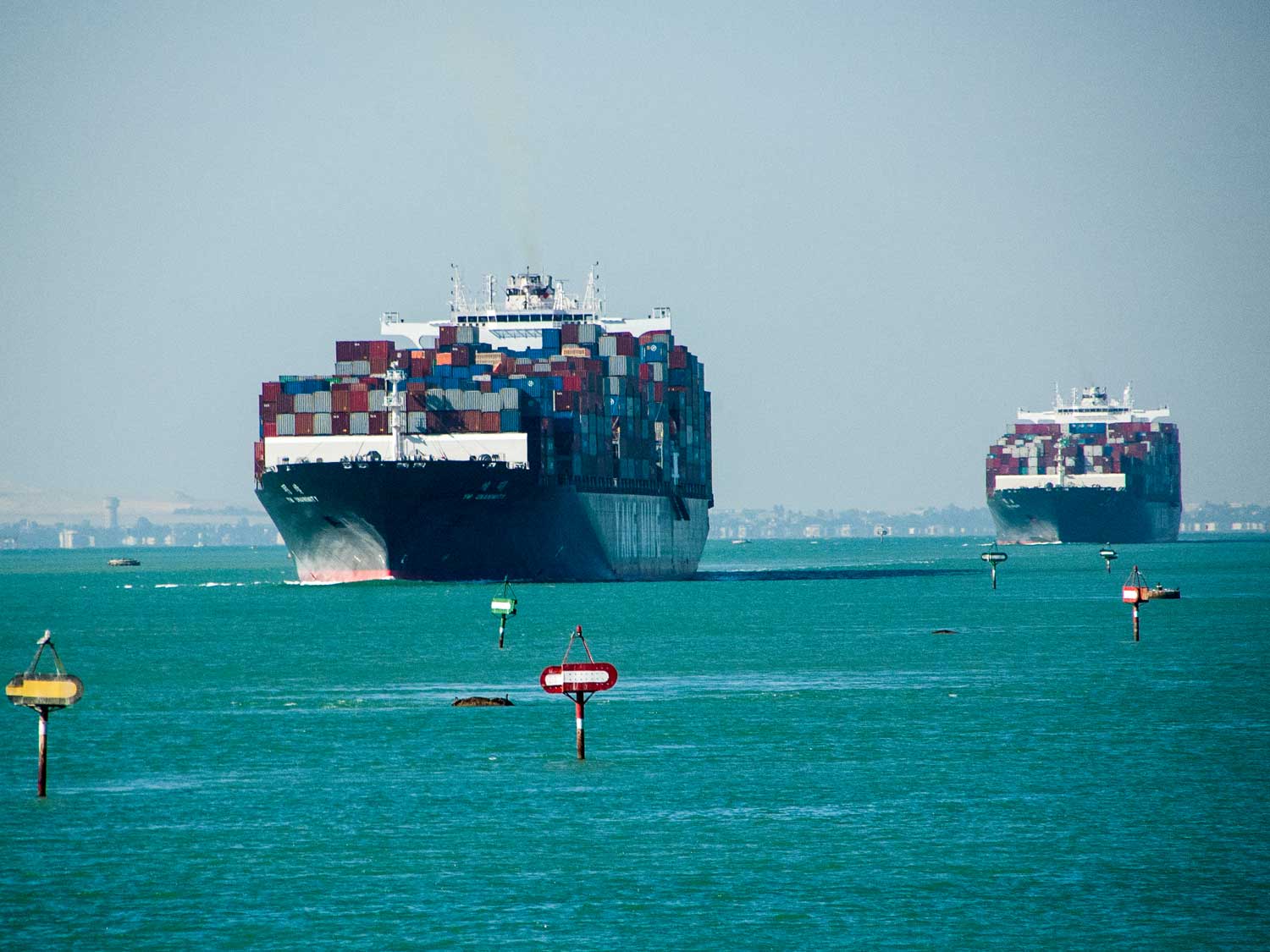
Over 2% of the global container fleet is currently positioned in or near the Persian Gulf. Several major carriers have suspended Gulf bookings or limited transits through the Strait of Hormuz.

Whereas the Red Sea disruption allowed vessels to reroute via the Cape of Good Hope, extending transit times but preserving destination access, a full restriction in the Persian Gulf removes the destination entirely for Gulf-bound cargo.

This includes major transhipment hubs handling significant volumes between Asia, the Indian Subcontinent and Europe.

Carrier responses include:

  • Suspension of high-risk sailings
  • Diversion around Southern Africa
  • Vessels instructed to seek safe anchorage
  • Potential discharge of Gulf-bound cargo at intermediate hubs

Emergency war-risk and conflict surcharges are now being applied across specific Gulf and Red Sea routes, alongside sharply rising marine insurance premiums.

The likely secondary impact:

  • Port congestion at alternative hubs such as Salalah, Khor Fakkan, Sohar, Duqm and Colombo
  • Knock-on bottlenecks at Singapore, Port Klang and Tanjung Pelepas
  • Upward pressure on spot rates as effective capacity tightens

The displacement of volume may take weeks, potentially months, to stabilise.

Air freight: capacity shock across a critical corridor

Air cargo networks are also under pressure.

Regional airspace closures affecting the United Arab Emirates, Qatar, Kuwait, Bahrain, Iraq, Iran, Israel and Jordan have significantly reduced available lift.

Global air cargo capacity is currently down by approximately 18%, with Asia–Middle East–Europe capacity falling by around 26%.

Airlines are bypassing traditional Gulf hubs such as Dubai, Abu Dhabi and Doha, resulting in:

  • Increased direct Asia–Europe flights
  • Extended routings for India–Europe and India–North America
  • Congestion at alternative technical stops
  • A potential 7–10 day backlog, even with rapid reopening

Sustained disruption could result in upward rate movement, particularly on Asia–Europe lanes.

Wider Market Impact

Energy markets have reacted sharply, increasing fuel costs for both ocean carriers and airlines. This adds further upward pressure on operating costs and may feed through into freight pricing.

What This Means for Shippers

In practical terms, customers should expect:

  • Extended transit times
  • Volatile routing patterns
  • Increased surcharges
  • Greater congestion risk at transhipment hubs
  • Potential rate fluctuations

Visibility and proactive planning are now critical

At Metro, we are maintaining continuous liaison with carriers, airlines and insurers, actively reviewing alternative routing options and communicating directly with affected customers.

As geopolitical disruption reshapes trade flows, agility and early visibility will determine how effectively supply chains absorb the shock.

We will continue to provide structured updates as the situation develops.

If you would like to review exposure across your current shipments or upcoming bookings, our team is available to support scenario planning and contingency routing.

BHX

Birmingham airport investment will enhance cargo capability

Birmingham International Airport, a long-standing strategic hub partner of Metro, has confirmed an ambitious growth programme that will strengthen its infrastructure and bolster its role in air cargo logistics and global connectivity.

Building on years of collaborative development with Metro and ground-handling partners, which have already improved cargo turnaround efficiency, expanded value-added services, and supported new freighter services into key markets, the airport is now moving into a new phase of investment. 

Major investment plan sets framework for growth

The airport has outlined a £300 million capital programme aimed at modernising key facilities and preparing for anticipated increases in passenger and freight demand. This investment includes:

  • A significant capital commitment toward terminal and airfield enhancements designed to improve operational resilience. 
  • Upgraded airfield infrastructure, including taxiway reconstruction, new aircraft stands and runway works, which will support more frequent and diverse cargo aircraft operations. 
  • Enhanced baggage and cargo handling systems, to contribute to greater throughput capacity and speed of processing for both inbound and outbound consignments. 

While the initial focus of much recent investment has been on passenger facilities, these infrastructure improvements will also benefit cargo flows by increasing overall operational efficiency and flexibility across the airport.

In parallel with capital spending, the airport has appointed a leading international consultancy to help develop its next long-term masterplan. This forthcoming blueprint will define how the airport evolves over the coming decade, taking account of technological, sustainability and market trends. 

This forward-looking strategy reaffirms Birmingham Airport’s role as a regional and international gateway that supports economic growth and cargo connectivity across the Midlands and beyond.

Complementing physical investment, broader transport links being developed around the airport — including future rail connections and improved surface access — are expected to enhance the airport’s appeal as a logistics centre. These improvements will widen the airport’s catchment area and could unlock further opportunities for cargo route development and new airline services. 

Implications for Metro’s shippers

For Metro and its customers, these expansions reinforce the strategic value of Birmingham Airport:

  • Faster turnaround times, with greater handling capacity reducing potential bottlenecks during peak periods.
  • Improved reliability and service quality as infrastructure upgrades take effect.
  • Enhanced route potential, supporting ambitions for more diverse cargo services to and from key global markets.
  • Stronger regional freight hub, strengthening the airport’s competitive position relative to other UK gateways.

Birmingham Airport’s investment and planning activities signal confidence in the growth of both passenger and cargo traffic. By modernising infrastructure and preparing for future needs, the airport is positioning itself as a more capable and flexible partner for Metro’s client community.

Metro are able to offer time critical ‘JIT’ services through the airport where freight can be transferred in minutes rather than hours from aircraft to the road. Additional customs formalities such as ATA carnets are handled swiftly and efficiently. 

Birmingham International is the UK’s fastest-growing airport and our central air freight hub, with proximity to major clients and manufacturing regions, for speed of first/final mile logistics and 90% of the UK population within a few hours drive. EMAIL our managing director, Andrew Smith, to learn more.

Shanghai Hongqiao Airport 1440x1080 1

Air freight markets firm as Chinese New Year front-loading reshapes early-year demand

Air freight markets have entered the new year on firmer footing than many expected, with volumes rebounding sharply through January as shippers accelerate movements ahead of earlier-than-usual Chinese New Year factory shutdowns. 

While underlying demand remains uneven, front-loading has concentrated uplift into a narrower time window, particularly on East–West and transpacific trade lanes.

Global air cargo volumes increased by around 5% year on year in the second and third weeks of January, with chargeable weight recovering rapidly from the post-Christmas slowdown. Volumes remain approximately 10% below mid-December peak levels, but are now close to pre-holiday norms and materially stronger than the same period last year, helped by a softer start to 2025.

Asia–Europe demand has accelerated faster than Asia–North America, reflecting front-loaded demand across North and Southeast Asia. Volumes from Asia Pacific to Europe rose by close to 20% year on year in mid-January, with particularly strong growth from Southeast Asian origins alongside solid demand from China and Hong Kong.

The transpacific market is also improving, but with more uneven performance. Asia–US volumes were up by around 6% year on year, masking significant divergence beneath the headline number. Shipments from Southeast Asia to the US have continued to post double-digit growth, while volumes from China and Hong Kong remain below last year’s levels. This pattern reflects ongoing supply-chain diversification rather than a uniform demand recovery.

Front-loading adds to traditional peak

This year’s Chinese New Year dynamic differs markedly from historical norms. Rather than a late-January surge, earlier factory shutdowns have pulled production and uplift forward into the first half of the month. Manufacturing windows are tighter, shipping schedules more compressed and cargo flows more concentrated.

Unlike previous years, ocean freight’s pre-holiday volume spike has been somewhat muted, pushing a greater share of time-critical shipments into the air. Air volumes are firm, but not at the extreme peak levels seen in prior cycles.

Capacity behaviour is now the dominant market influence. Freighter operators have reinstated aircraft quickly following the year-end peak, with freighter capacity rising by more than 15% week on week in early January. Overall global air cargo capacity remains around 7% below mid-December highs, but has rebounded faster than demand in several markets.

This rapid capacity return prevented the sharp rate escalation typically associated with Chinese New Year. Average global air freight rates sitting roughly 10% below mid-December levels, but still slightly above the same period last year. On transpacific lanes, pricing to the US West Coast has largely stabilised, with East Coast rates modestly higher.

Concentrated production cycles, e-commerce demand and high-value cargo flows are sustaining baseline volumes. At the same time, uncertainty around ocean routing and the unlikely return of container services through the Red Sea in H1 continues to underpin air demand on selected lanes.

Securing space at the right time, and at the right cost, requires proactive planning and real-time market insight.

Metro works closely with shippers and carrier partners to manage uplift around peak periods, optimise routing and balance speed against cost as market conditions shift. Our teams monitor capacity, rates and network changes daily to help customers move time-critical cargo with confidence.

EMAIL Andrew Smith, Metro’s Managing Director, today to review your air freight strategy and ensure your supply chain stays resilient through the first half of 2026.