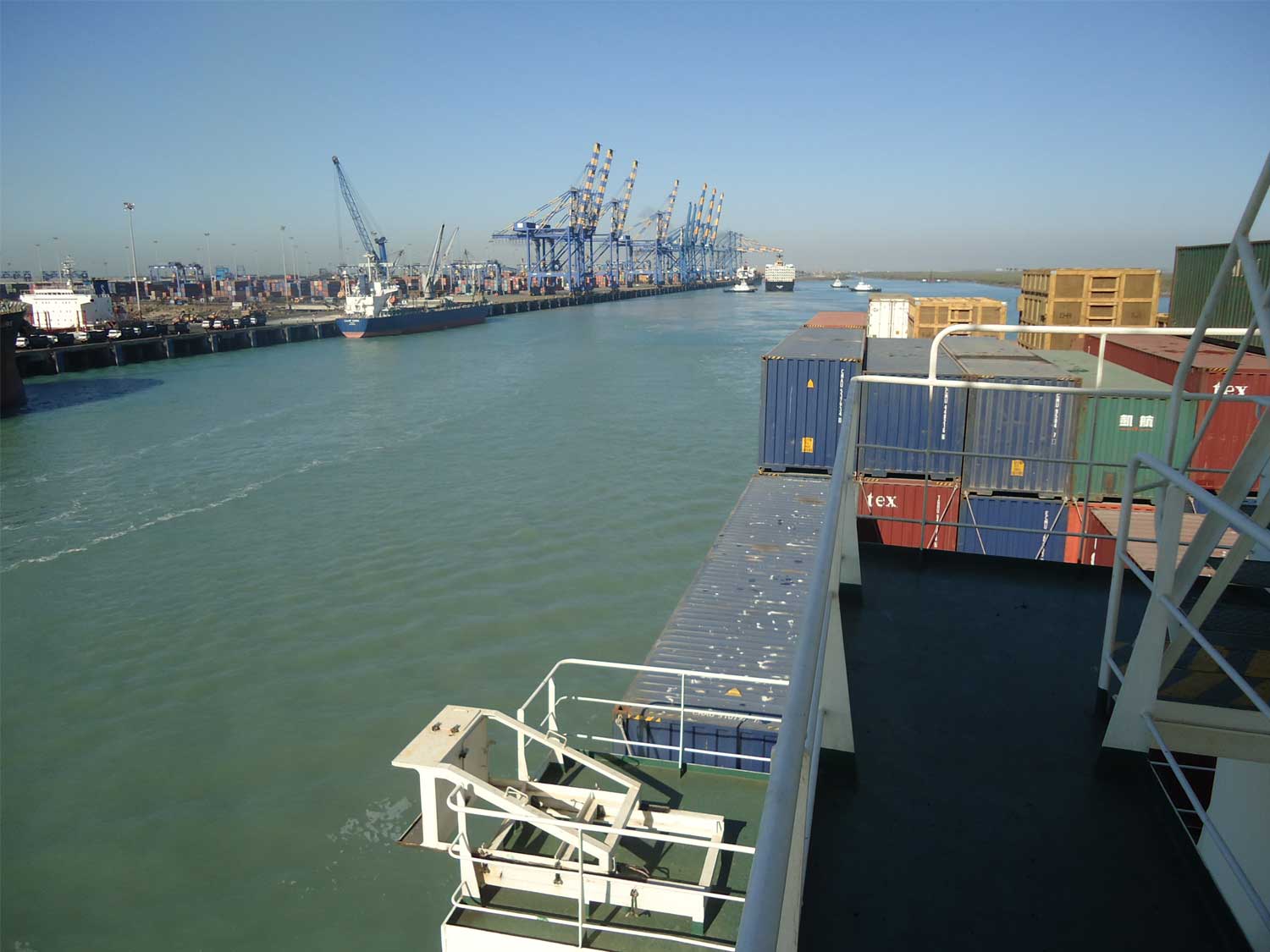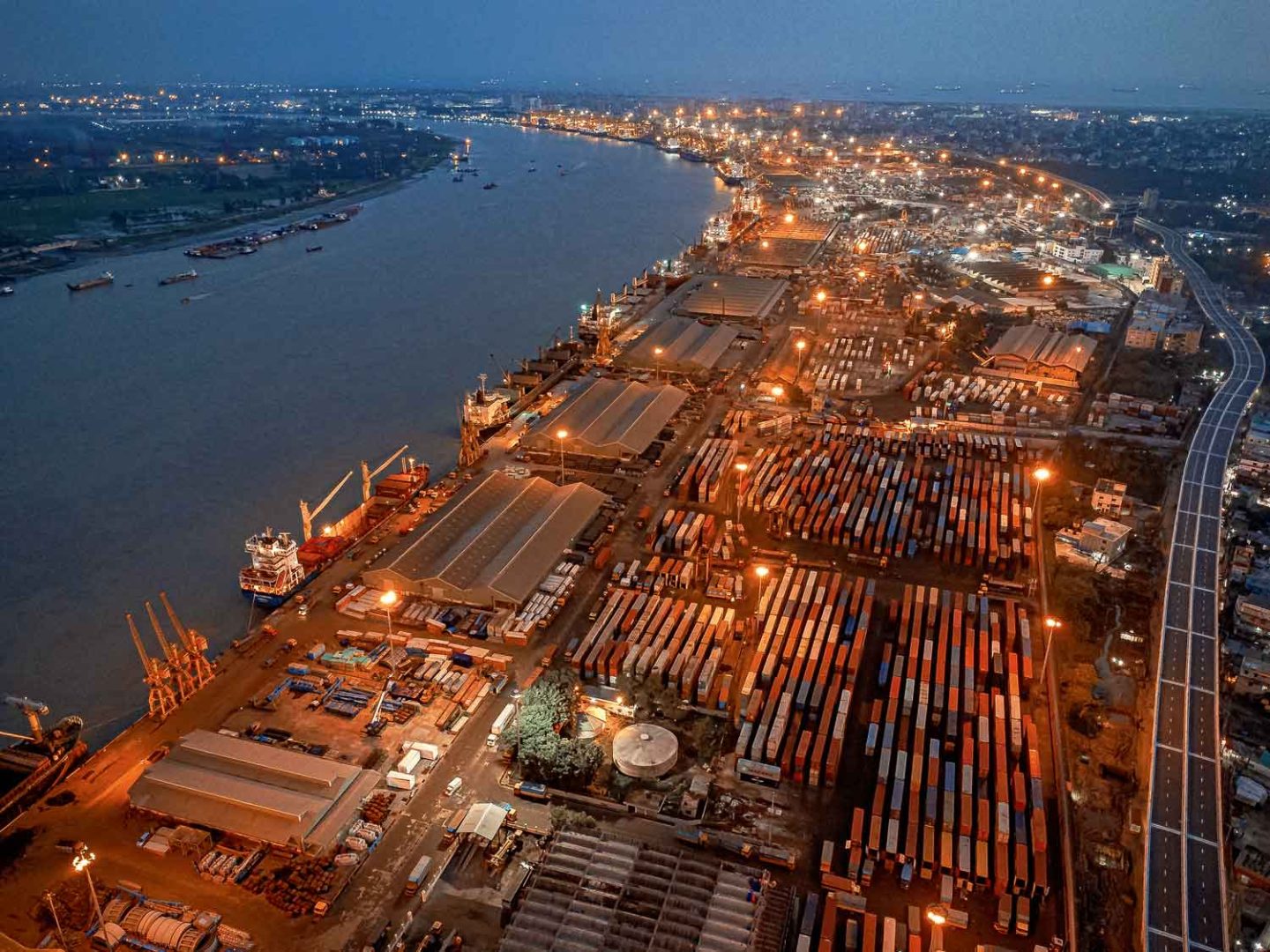
US flag and port

US importers face multiple challenges

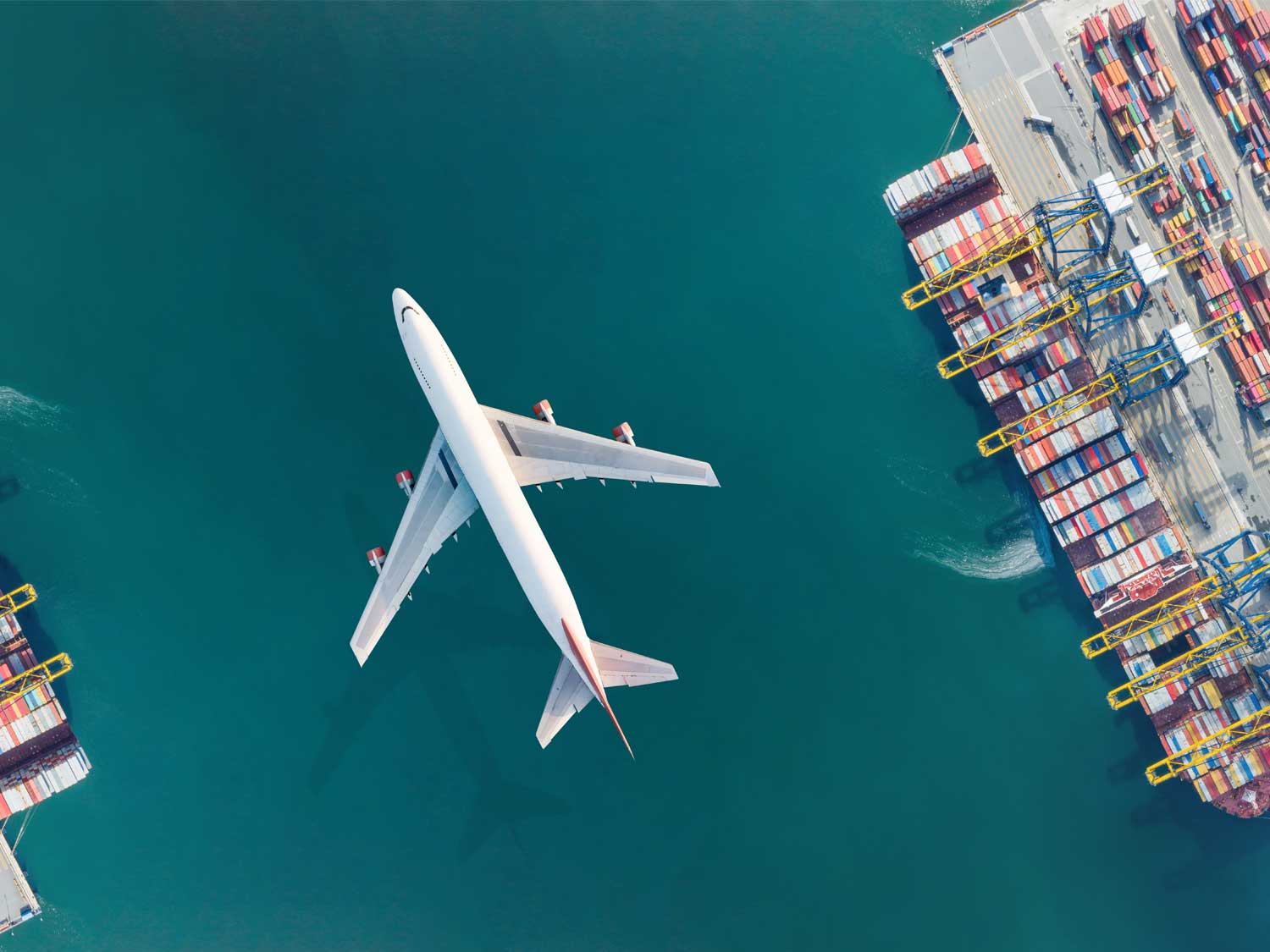
The rapid escalation of transpacific ocean freight spot rates is reminiscent of the spike experienced during the COVID-19 pandemic, while the air freight surge from Asia to the United States, that began late last year, looks likely to continue through the traditionally quiet summer months and into a potentially robust peak season.

Container shipping lines are being accused by the trade press in the US of slashing back or eliminating contracted volume allocations, in favour of carrying higher-yielding cargo at spot rates that have increased by more than 50% in Q2.

It is likely that contracted fixed-rate bookings will diminish even further as spot rates from Asia to the US continue to increase.

Carriers implemented a general rate increase (GRI) on the 15th May, which will double average spot rates (MoM) from Asia to the US West Coast, if successful. And with space on vessels leaving Asia in May extremely tight, and carriers rolling containers onto subsequent voyages, they are likely to be successful.

In anticipation of their success, carriers have already filed a further GRI for the 1st June, mimicking the rapid escalation of pricing that was triggered by the 2021–22 COVID-19 pandemic.

US imports from Asia have already surged over 19% YoY in 2024 and retailers are forecasting continued import growth into the traditional fall peak shipping season.

West Coast congestion
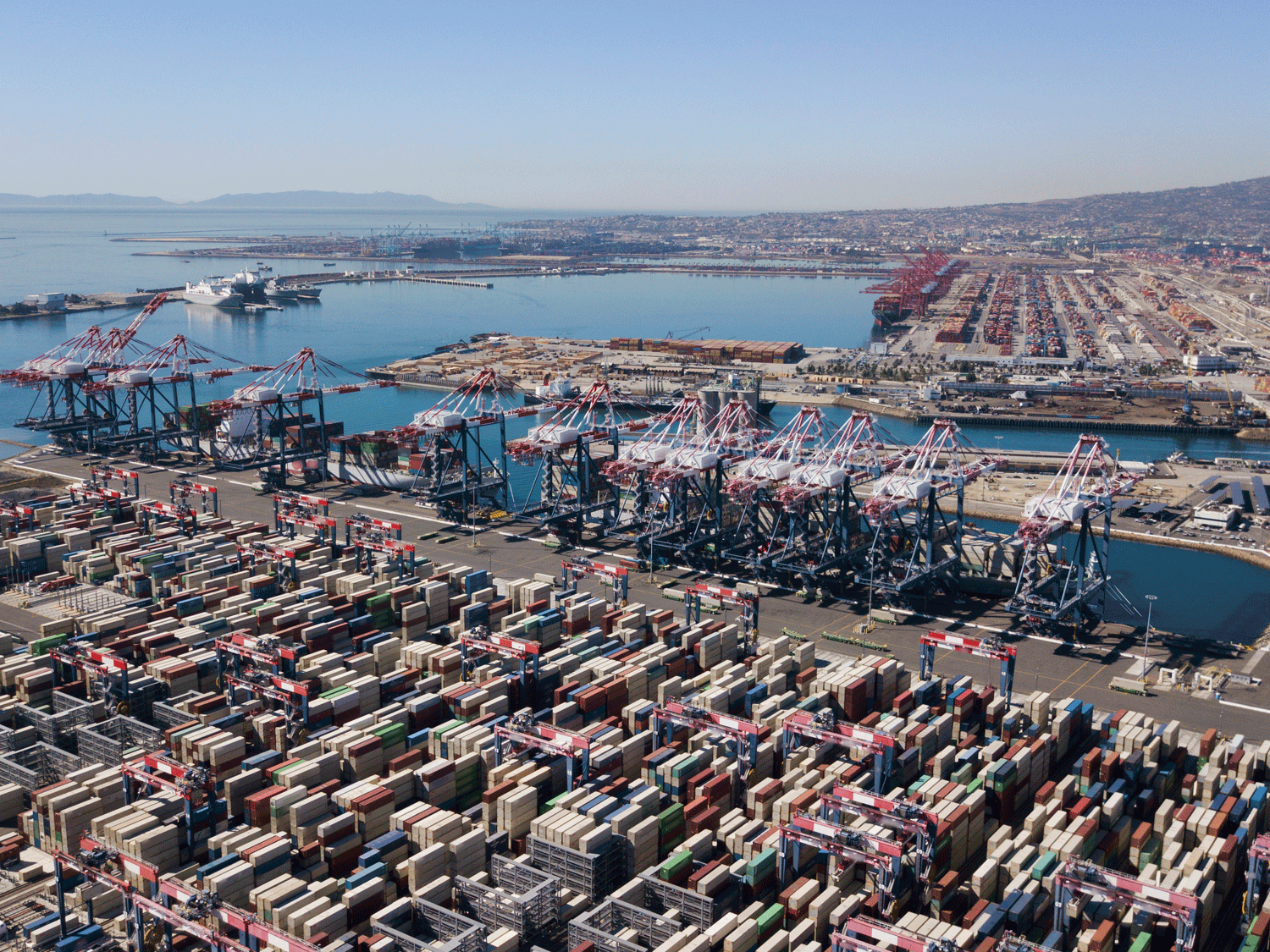
Imports from Asia into Los Angeles-Long Beach increased by almost 1/3 in Q1 2024 to 1.96 million TEUs, creating container backlogs at marine terminals, a sharp increase in eastbound intermodal train movements and a chronic shortage of returning railcars, which exacerbates delays.

Most backlogs have cleared and terminal operators insist they have successfully supported first quarter volumes, but their challenge is not over with imports forecast to increase 5.5% in May, 8.9% in June, 6.6% in July and 6.9% in August.

Baltimore Bridge Accident
The collapse of the Francis Scott Key Bridge in Baltimore created some disruption, but activity pretty swiftly shifted to nearby ports, so its impact has been limited. 

A criminal investigation by the FBI will determine if the crew left port knowing that the ship had serious system problems, while the ship’s owners eventually declared general average, which means that shippers with goods on board become financially jointly and severally liable for the incident, which could be very expensive without appropriate marine cover.

The Port of Baltimore expects to restore normal capacity by the end of May.

Threat of East Coast strikes growing
The International Longshoremen’s Association’s labour contract on the East Coast expires on the 31st September, with the 17th May the cut-off date set by the union for local contracts to be agreed, so an overall master contract can then be negotiated.

No deal has been agreed and the threat of strikes loom closer.

Air freight surge continues
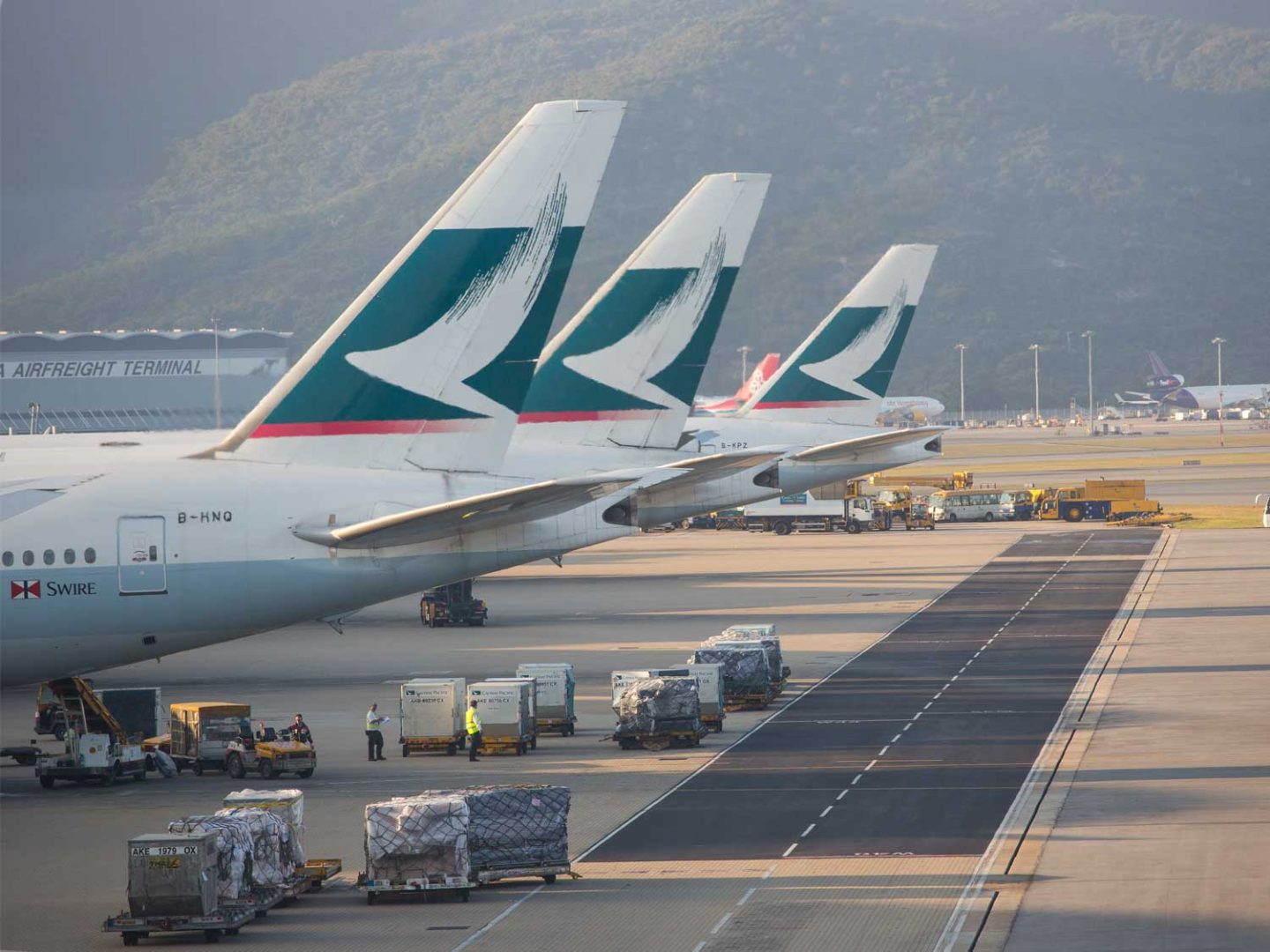
Relentless eCommerce demand from China to the US, which has continued for over six months, shows no signs of letting up as we move into traditionally slower months.

The intense air cargo demand that began late last year is set to extend through the summer and into a robust peak season. Largely driven by modal shift, due to the Red Sea crisis and a huge increase in consumer volumes from eCommerce marketplaces like Shein and Temu, who send over 600,000 packages to the US every day.

Demand for air cargo space out of China to ship eCommerce is absorbing more than half the available outbound capacity, particularly in the southern regions and is so intense that rates on alternative sea/air routes to the US via Taiwan, Japan and Korea are exceeding those from mainland China.

In the UK shipments up to £135 are exempt from duties, although they are always subject to VAT regardless of value.

The US’ de minimis threshold is $800 and it is estimated that 2.5 million de minimis shipments currently arrive at US Customs and Border Protection (CBP) facilities every day.

In 2023, CBP processed more than 1 billion de minimis shipments; in January 2024, CBP had already processed half a billion.

There are calls to close the ‘de minimis loophole, but while it lasts, sustained demand is likely to keep transpacific air freight rates well above prior-year and pre-pandemic levels.

We negotiate long-term and protected contracts with airlines and shipping lines across the alliances to secure space and rates, so that we can provide the best alternatives and options, whatever the situation.

To learn how we can support transpacific and transatlantic trade, or to learn more about our ocean and air solutions, please EMAIL our Chief Commercial Officer, Andy Smith. 

India industrial revolution 1440x1080 1

India; sourcing opportunity

For years India has been looked to as the next global manufacturing powerhouse and it now appears to be finally becoming the manufacturing power and sourcing alternative to China that it has long promised to be.

India’s Prime Minister Narendra Modi inherited an economy that was teetering on an economic precipice a decade ago.

Immediately after his victory in 2014, the prime minister launched an ambitious ‘Make In India’ campaign to turn India into the world’s factory.

Foxconn – which makes iPhones for Apple – are moving their supply chain to India and other major global giants like Tesla, Micron and Samsung have also been enthused to invest in manufacturing.

And while investment in manufacturing has not reached the highest expectations, India’s growth is outpacing other major economies, overtaking the UK as the fifth largest economy and it’s on track to leapfrog Japan and Germany and hit the third spot by 2027.

India has been heralded as the next global manufacturing powerhouse, only to be outshone in trade diversification initiatives by Vietnam, and more recently by Mexico, but over the last decade, US imports from India have doubled, to the 1 million TEU range, with East Coast ports reaping the largest gains.

Retailers and fashion brands have been shifting their focus to India for many years, in a bid to speed up supply chains, keep costs down and spread out sourcing to other countries.

Carrier commitment
Container shipping lines are expanding services and local presence, with ONE launching a service to the US East Coast and HMM securing slots on the new loop.

In December, MSC acquired a 49% stake in a container terminal, near Chennai, while CMA CGM and Hapag-Lloyd are also targeting Indian port opportunities.

Last year, Hapag-Lloyd invested in local ports and logistics and Maersk also has a significant footprint inland, with marine terminal operations at Nhava Sheva and Pipavav.

OOCL and APL have invested in rail services and container freight stations for nearly two decades.

The current supply chain
Despite the investment and presence of the shipping lines, Indian exporters are turning to air freight as ‘Red Sea’ vessel diversions around southern Africa have choked off capacity, by omitting Indian subcontinent port calls, making air cargo and sea/air the viable alternatives.

In a further complication fashion products are moving in trucks from Bangladesh into India, which is adding further demand for air freight.

Another significant contributing factor to elevated export air cargo rates is the shortage of capacity as big Chinese eCommerce marketplaces buy up as much space as they can find at premium rates.

With high rates on offer, capacity has moved from the Indian subcontinent to the Chinese market and as capacity dwindles rates out of India, Pakistan and Bangladesh go up even faster.

Overall, rates to Europe from South Asia are up 120% from the same time last year, with India to Europe spot rates up 174%.

There is also strong underlying economic growth in India, with HSBC reporting that the economy’s rate of expansion the strongest since July 2023, led by the strongest manufacturing output in nearly three and a half years, with export orders showing improved robustness.

India’s next decade could resemble China’s hyper growth, analysts from Morgan Stanley wrote and other trends like digitalisation, clean energy and growth in global offshoring will propel future growth, say experts.

For over 40 years Metro has helped customers open up new export markets and diversify sourcing across Asia and India.

Integrated on our MVT supply chain platform, our commercial and operations teams work closely with our partners across India and surrounding regions, processing air, ocean and sea/air shipments.

If you have any questions, rate requests or would like any further information on our capability in India, please EMAIL our Chief Commercial Officer, Andy Smith.

Sea Air aerial

State of the air freight market

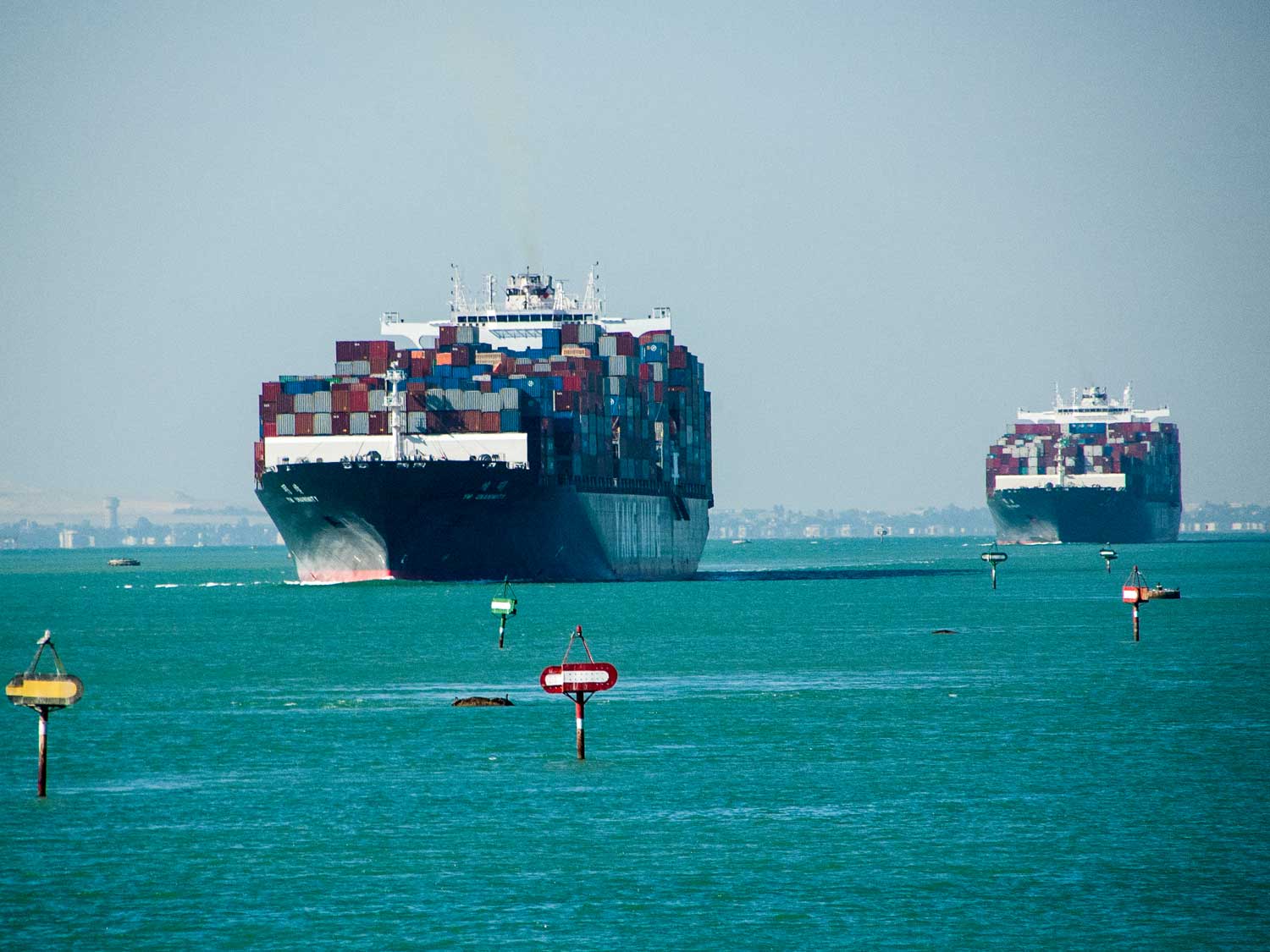
The effective closure of the Red Sea and the Suez Canal to container ships is adding around two weeks to supply chain transit times and creating a backlog of manufacturing components, late shipments and inventory replenishment, with critical consignments reliant on air solutions. While Iran’s attack on Israel has led to major carriers rerouting or cancelling flights and causing potential bottlenecks and price hikes.

Traffic ex-South Asia has been particularly driven by the Red Sea push to air, with spot rates climbing significantly. 

Contributing significantly to demand has been a massive spike in eCommerce volumes out of China, which is pushing prices well above typical levels for non-peak periods.

Average spot prices to North America have nearly doubled since mid-December, while Europe rates have climbed over 120%.

The eCommerce spike has seen Heathrow (LHR) imposing restrictions on ad-hoc freighters and charters from Shanghai, which has resulted in diversions to alternative gateways, including Birmingham International, with at least one charter operator transferring their slots away from LHR to Birmingham (BHX).

Traffic ex-South Asia has been particularly driven by the Red Sea push to air, with spot rates climbing significantly. Average spot prices to North America have nearly doubled since mid-December, while Europe rates have climbed over 120%.

The recent loosening of US restrictions on the number of weekly flights to the US allotted to Chinese carriers will increase China to US air capacity and could ease some pressure on rates.

The closure of Iranian airspace, due to safety concerns, following Iran’s attack on Israel has led to major carriers rerouting or cancelling flights and causing potential bottlenecks and price hikes for shipments from India.

Carriers operating to Europe are using alternative routes; primarily through Turkey and Azerbaijan, for Middle-East and Chinese carriers or via Egypt and Saudi Arabia for European/Western carriers. While major carriers, including Air India, Emirates, Qatar Airways and Lufthansa Cargo are temporarily suspending flights to Israel and other affected destinations.

The need to carry (and buy) additional fuel for the extended flights means that there will be a payload impact to passenger flights operating from India to Europe and vice versa, as they will need to significantly restrict the cargo payload, which reduces capacity and increases cost.

The seizure of the MSC Aries by Iran in the Strait of Hormuz raises concerns about the accessibility of the Dubai port, a crucial hub for sea-air transshipments, because if Hormuz is considered a high-risk area, it could mean sea-air shipments being diverted to alternative hubs like Colombo or Bangkok.

Whether rates will soften, or supply vs demand become an issue in the next quarter and beyond depends on world geopolitical events improving, the Red Sea re-opening up and no other global crisis occurring.

If there are no further global events then the market is very likely to soften, however, if the Israeli/Iran situation deteriorates airspace could be closed for the foreseeable future and that will cause huge issues to all logistics activities including airfreight, sea/air, ocean and rail.

For urgent, valuable and sensitive shipments we have a range of airfreight and sea/air solutions, with block space agreements (BSA) and capacity purchase agreements (CPA) that protect space and capacity on the busiest routes.

Regardless of your cargo type, size and requirements, we have extremely competitive rate and service combinations, to meet every deadline and budget.

EMAIL Elliot Carlile, Operations Director, for insights, prices and advice. 

Bangladesh label

Red Sea, garments and eCommerce among factors driving up airfreight rates

Traditionally airfreight rates would soften at this time, as the start of the airline passenger summer season adds significant amounts of belly-hold airfreight capacity on long-haul routes, but pockets of high volumes are pushing rates up.

Globally, the air cargo market is experiencing rising rates, particularly from vital global regions such as the Asia Pacific, the Middle East and South Asia, driven by disruptions in container shipping and increased demand for cross-border e-commerce shipments.

Ex-India, Bangladesh, and Sri Lanka spot rates experienced significant increases, rising by 81%, 40%, and 55% respectively last month, driven by strong demand for apparel products.

Airfreight is congested across all India origin airports and transhipment points, with space overbooked at origin and hubs, which means that rates are increasing, often without any notice. 

Space is really critical to the US and EU, with transit times for the US regularly extending to seven days and six days for Europe, with booking timelines up to nine days before carrier handover. 

There has been severe backlog and congestion in Chennai, Mumbai, Delhi and Bengaluru, with off-loading badly delayed and minimum times for off-loading trucks reaching 44 hours.

Air France’s decision to cut Chennai from its summer schedule, plus cancellation of a key freighter service, had led to a capacity crunch out of the southern Indian city, with the dynamic load factor from India to Europe reaching its highest level since April 2022. 

Traditionally, larger cargo volumes are charged at a cheaper per kg price than smaller volumes, but that dynamic is currently reversed, for the first time since the onset of the COVID19 pandemic, when the air cargo market encountered a massive capacity squeeze.

Average spot rates from the region reached levels nearly 160% higher than before the crisis in the Red Sea, but they are expected to fall back from these excessive levels.

While Indian volumes are thought to be high owing to garment exports, combined with the Red Sea challenges, Hong Kong’s sustained traffic levels are being sustained by eCommerce volumes, though merchants are concerned over high freight rates and the threat of economic sanctions.

Despite the merchants’ fears, freighter operators are investing in new aircraft, to expand their fleets and operations outside Asia, with flights to Europe, the Middle East and USA, in large part to capitalise on eCommerce.  

For urgent, valuable and sensitive shipments we have a range of airfreight and sea/air solutions, with block space agreements (BSA) and capacity purchase agreements (CPA) that protect space and capacity on the busiest routes.

Regardless of your cargo type, size and requirements, we have extremely competitive rate and service combinations, to meet every deadline and budget.

EMAIL Elliot Carlile, Operations Director, for insights, prices and advice.