
Smoke 1440x1080 1

South Korea factory fire underline danger of lithium batteries

In June, a catastrophic factory fire erupted after several lithium batteries exploded, killing 22 people in South Korea. As a leading producer of lithium batteries, South Korea’s Aricell factory housed an estimated 35,000 battery cells, used in products ranging from electric vehicles to laptops.

The fire started with a series of battery cell explosions and due to the highly flammable nature of battery materials like nickel, the blaze spread rapidly, leaving workers with little time to escape. Officials stated that victims likely succumbed to toxic gases within seconds.

Lithium fires react intensely with water, forcing firefighters to use dry sand to extinguish the blaze, which took six hours to control.

Handling lithium batteries safely
Metro specialises in the safe handling, storing, and transporting of lithium batteries by road, air, and sea, with qualified personnel providing documentation and logistics solutions for hazardous cargoes.

Transporting dangerous goods is regulated based on the UN classification system, structured by mode of transport: IATA’s Dangerous Goods Regulations (DGR) for air; the International Maritime Dangerous Goods (IMDG) Code for sea; and the International Carriage of Dangerous Goods by Road (ADR).

When clients ship dangerous goods, including lithium batteries, Metro’s dangerous goods (DG) team advises on classification, quantity limits, documentation, packaging, and labelling requirements, as well as the best transport modes. Team members have completed health and safety training for transporting dangerous goods, supported by dangerous goods safety advisers (DGSA).

Proper documentation is crucial when shipping dangerous goods. Non-compliance can be dangerous and costly, with significant penalties for incorrect paperwork. Metro assists with necessary labelling and documentation, including Dangerous Goods Notes/Declaration and Material Safety Data Sheets (MSDS), ensuring hazardous cargo is handled safely and transported appropriately.

Shipping dangerous goods is inherently hazardous, which is why automotive brands, chemical suppliers, and manufacturers rely on Metro’s expertise to ensure correct classification and documentation. Attention to detail is paramount, as even a minor mistake can have severe consequences.

Metro prioritises the safety of products, people, and the environment during storage and transit. An emergency response plan is in place for accidents at any point. Metro operates a specialised distribution centre at Felixstowe, equipped with state-of-the-art safety features, dedicated to the secure storage of lithium batteries, whether in transit or awaiting call-off.

For further information on hazardous, chemical, and automotive capabilities, please EMAIL Ian Tubbs.
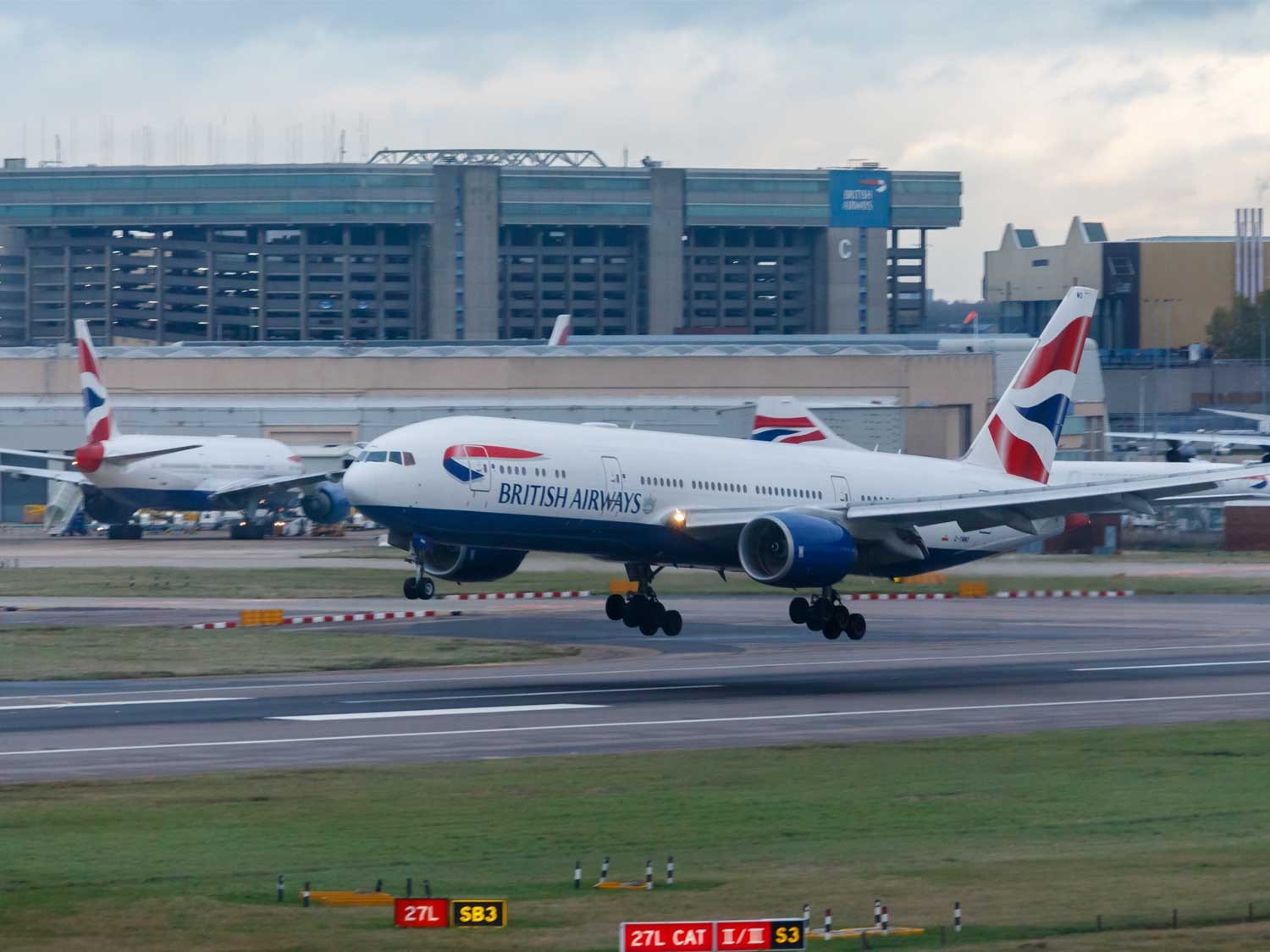
LHR BA landing

Air Cargo Demand Grows Strongly in Q2 2024 – and will continue for the rest of the year

Robust growth in global air cargo markets for April 2024 marks a strong start to the second quarter, with airfreight rates on key trades out of Asia remaining “firm” in June, despite the market entering the traditional quieter summer period or ‘slack season’. Quite simply there isn’t one.

Total demand, measured in cargo tonne-kilometres (CTKs), rose in double-digits compared to April 2023. This marks the fifth consecutive month of double-digit annual growth. Capacity, measured in available cargo tonne-kilometres (ACTKs), grew by 7.1% compared to April 2023, with international capacity up by 10.2%.

Despite economic uncertainties, air cargo demand remains strong, with the Purchasing Managers Index (PMI) for global manufacturing output and new export orders turning positive in April, indicating growth. This is the first time in two years that new export orders have been risen, suggesting a robust outlook for air cargo for the rest of the year and likely beyond.

Key economic factors

  • April PMIs for global manufacturing output and new export orders were 51.5 and 50.5, respectively
  • Industrial production increased by 1.6% year-on-year in March
  • Inflation remained stable in major economies: US (3.4%), EU (2.6%), Japan (2.5%), and China (0.2%)

Regional Performance in April

  • Asia-Pacific – Demand grew by 14.0% year-on-year
  • North America – Demand increased by 7.0% year-on-year
  • Europe – Demand rose by 12.7% year-on-year
  • Middle East – Demand increased by 9.4% year-on-year
  • Latin America – Demand grew by 11.7% year-on-year
  • Africa – Demand rose by 10.6% year-on-year

That’s a lot of stats but we are demonstrating the consistent demand and growth in what should be a soft period. eCommerce is a huge contributor to the above absorbing any excess capacity on scheduled carriers and adding hundreds of dedicated charters a week into the market. This has an impact on general air cargo and through supply and demand dynamics pushes the prices up, or certainly does not allow them to fall.

Spot rate index round-up
The Baltic Exchange Airfreight Index (BAI) shows that rates from Hong Kong to both Europe and North America remained up on a year ago and also increased slightly compared with May levels.

From Hong Kong to North America, the average spot rate in June was up nearly 17% compared with a year earlier, while Hong Kong to Europe, rates in June increased over 22% year on year.

The market has remained surprisingly strong through what is normally a low season in the year, as extra belly-hold capacity comes on stream for the summer, reflecting continuing robust eCommerce activity.

Rates are also significantly higher year on year out of some other big markets in Asia, notably from India and Vietnam and particularly on lanes to Europe.

Generally we are seeing huge demand on most inbound lanes into Europe on air freight with congestion at global hubs still prevalent.

Unlike the ocean freight theory that the market is busy due to restocking (and of course the Red Sea/Suez Canal effective closure) this idea does not make sense for air freight and time critical cargo. It’s simply a case of higher demand and not enough capacity so the signs are for a remarkably busy traditional peak season from September through to Chinese New Year.

Let us get prepared for this and discuss your requirements for known air freight, or possible/expected delayed ‘distressed’ ocean freight, that will need to be sped up in the supply chain.

For urgent, valuable and sensitive shipments we have a range of airfreight, charter, sea/air and land-bridge solutions, with block space agreements (BSA) and capacity purchase agreements (CPA) that protect space and capacity on the busiest routes.

Regardless of your cargo type, size and requirements, we have extremely competitive rate and service combinations, to meet every deadline and budget. Please speak to us. With visibility and planning we will always deliver your product when required.

EMAIL Elliot Carlile, Operations Director, for insights, prices and advice. 

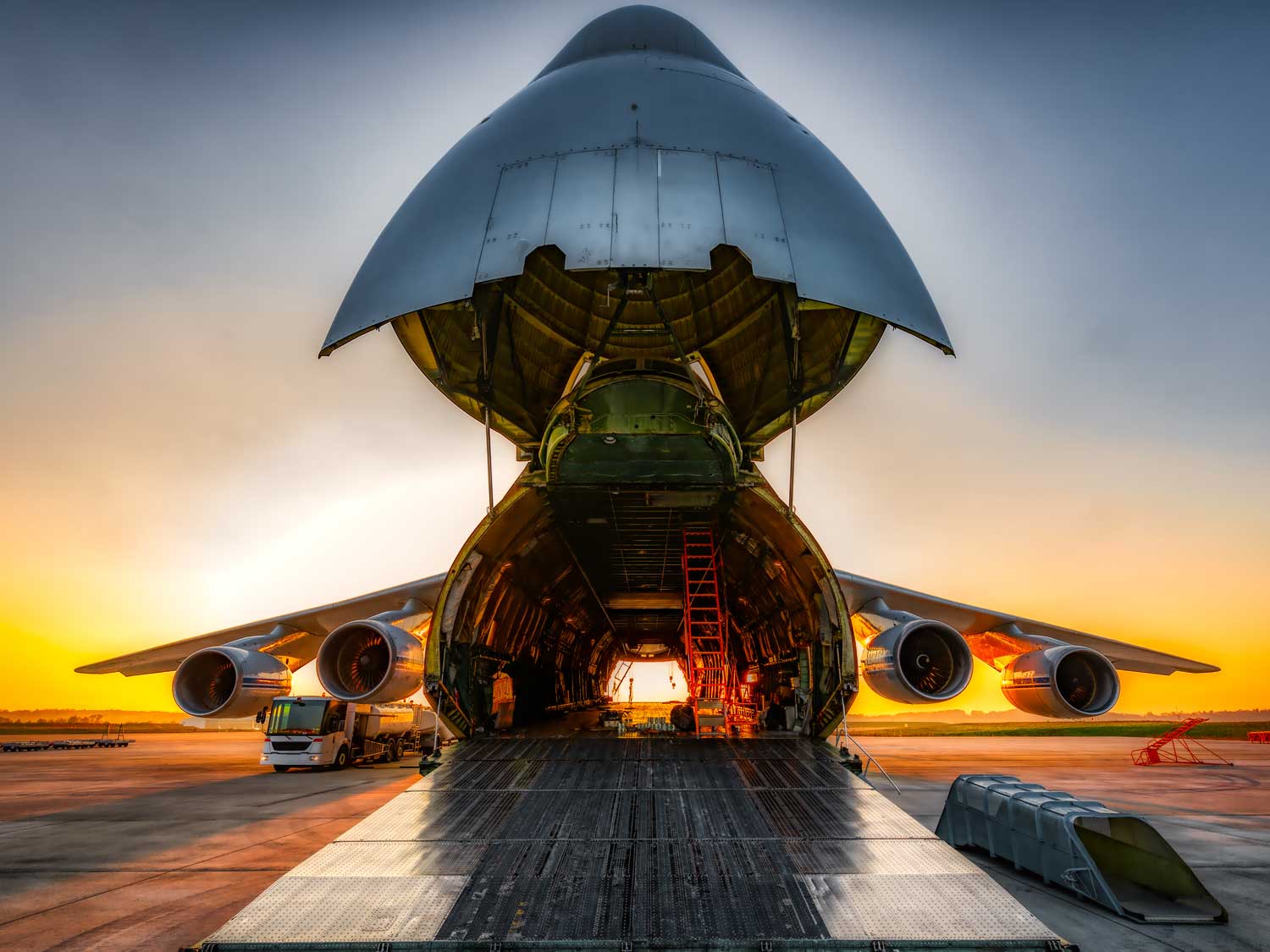
Freighter

US Customs target non-compliant eCommerce and brokers

US Customs and Border Protection (CBP) is taking action to minimise the exploitation of the generous small package, or ‘de minimis’ environment. Seizing goods and enhancing enforcement efforts to hold brokers accountable, the CBP’s actions are unsettling the eCommerce and freighter markets, as the government considers action to fix the tax and data loophole.

The crackdown by the CBP began at the end of May, with a large seizure of goods and the suspension of six customs brokers, which led to some Chinese eCommerce sellers initially suspending air charter operations into the US.

The CBP seized 1,000 tons of goods related to shipments from the Chinese eCommerce retailer Shein, according to reports in The Loadstar and while the situation may have Chinese shippers nervous, we have not seen any obvious decreases in transpacific freighter flights or in China-originating flights.

The U.S. exempts ‘de minimis’ shipments from duties and formal entry requirements and the threshold was increased from $200 to $800 to facilitate trade and simplify customs procedures for low-value shipments, with Type 86 Entry in the Automated Commercial Environment (ACE) introduced on a trial basis in September 2019, to file the required dataset within 15 days of arrival.

Earlier this year CBP announced enforcement measures to prevent the importation of illicit substances, while compliance enforcement efforts brought to light violations including:

– Entry by parties without the right to make entry
– Incorrect manifesting of cargo
– Misclassification
– Mis-delivery ( e.g., delivery of goods prior to release from CBP custody)
– Undervaluation
– Incorrectly executed powers of attorney

CBP has suspended multiple customs brokers from participating in the Entry Type 86 Test after determining that their entries posed an unacceptable compliance risk.

Where we are now
Air cargo yields out of China and Hong Kong at the beginning of the year were up 45% compared to pre-pandemic 2019 and online cross-border consumer orders reached a scale where they were filling the equivalent of 90 Boeing 747 freighters out of Southern China every day.

New York-based Atlas Air recently disclosed it will operate two Boeing 747-400 jumbo jets for Shein and Temu to the United States, starting in the third quarter.

Canada’s Cargojet has agreed its own eCommerce fulfilment deal for services between Hangzhou and Vancouver on 767-300Fs, which began last month with three flights a week, but it could scale up, with the possibility of moving consignments overland to the US.

However, volumes from eCommerce platforms like Temu and Shein have been the main driver of strong demand, tight capacity and elevated rates from China to North America and Europe and if their access to the US market were diminished it will release capacity and potentially put downward pressure on rates.

The EU has designated Temu and Shein as Very Large Online Platforms (VLOP) which impose stringent rules and while it does not directly impact their logistics, compliance rules could impact demand, with certain items banned from the platform.

The EU is also proposing to end its €150 ($1§63) de minimis threshold from 2028.

Metro has been providing ocean and air services into the USA since 1981, providing national Customs Brokerage solutions, across all regimes, that keep U.S. importers and exporters of all types of product compliant and free of regulatory penalties.

We operate daily import/export air freight services, full load container departure on next vessel and weekly groupage services.

If you would like to review our services for the United States, improve your supply chain or reduce costs, please EMAIL our Chief Commercial Officer, Andy Smith.

Paris grandstand 1440x1080 1

Summer 2024; France supply chain alert

This summer, a number of large-scale sporting events are likely to create some supply chain disruption, with the Olympic and Paralympic Games taking place in Paris between the 26th of July to the 11th of August, and the 28th of August to the 8th of September.

The Paris 2024 Olympic Games, which begin on the 26th July, will take place in 36 locations and are expected to attract about 13.5 million people, with parts of Paris closed off and drivers expected to gain access through online applications.

We are following the situation closely with our French partners, but it is inevitable that the current installation of infrastructure, movement of athletes and visitors and the subsequent dismantling and clearing of temporary traffic routes to the end of October, will require widespread access restrictions to routes in Paris and the wider Metropolitan area during the summer, which will impact local distribution.

OPERATIONAL TIMELINE AND ROAD CLOSURES
April: Infrastructure assembly began at Grand Palais, Point Alexandre III, and Invalides
June: Assembly begins on the docks in the Opening Ceremony area
Early July: Assembly begins on the bridges at the area of the Opening Ceremony
Mid-July: Olympic Village is opened
26th July: Olympic Games begin, accompanied by the introduction of reserved lanes
Early August: Bridges and docks will start to open up again
September – October: Dismantling phase and gradual release of competition sites

As stated above most impacts will be caused due to infrastructure assembly and disassembly operations throughout the 35 Olympic sites, with on-road or road-adjacent sporting events also having impacts on road transportation due to road closures.

Delays and re-routings of cargo moving through this area during the summer are inevitable and we are aware of carriers announcing surcharges for transportation through the Île-de-France area. 

We are reorganising our activities to cope with all the restrictions and will keep you informed as the situation evolves. 

To discuss the potential impact of the Olympics on your French traffic EMAIL Richard Gibbs to begin a conversation.