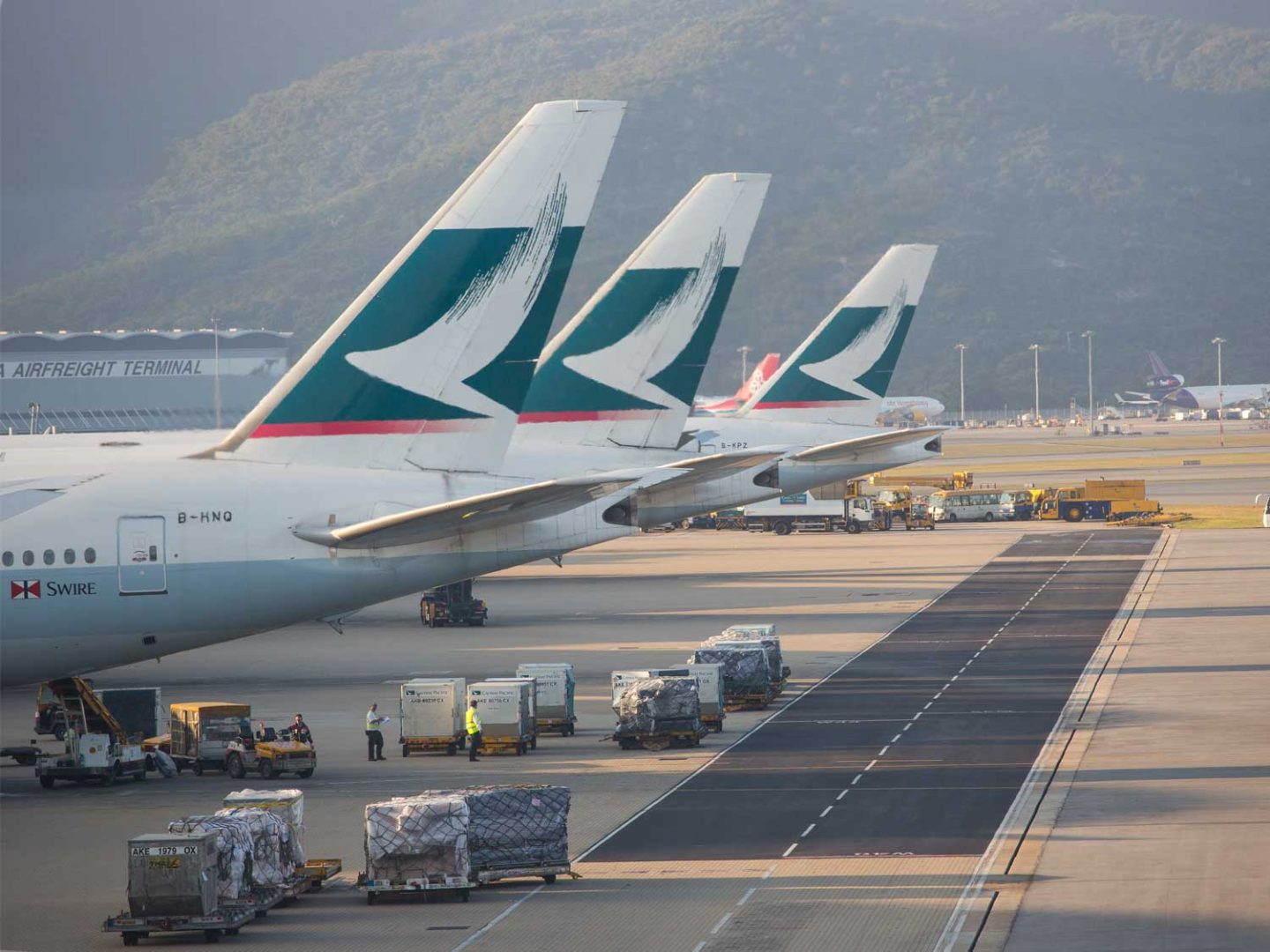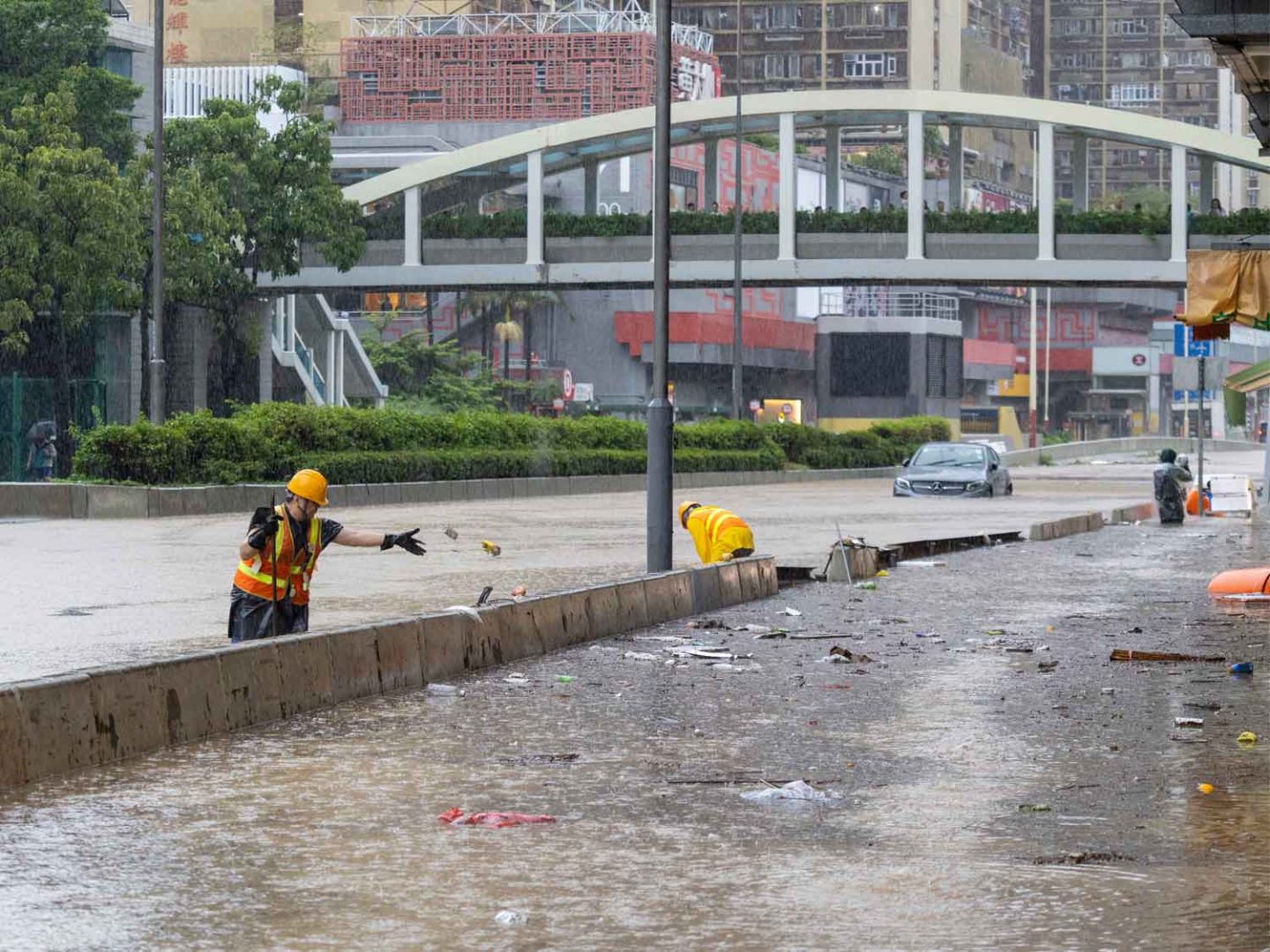
For years, weather disruption was largely viewed as an operational inconvenience. A storm might delay a vessel, flooding could close a road for a day or two, or high winds might temporarily suspend port operations. That is no longer the case.
Across the world's major trade routes, climate-related disruption is becoming more frequent, affecting more regions at the same time and lasting significantly longer. Drought, heatwaves, wildfires and tropical storms are now influencing shipping capacity, inland transport, manufacturing and inventory planning simultaneously.
Recent events across Europe, Asia and the Americas demonstrate that weather is no longer simply an environmental issue. It’s becoming a fundamental supply chain risk that needs to be anticipated and planned for.
Panama Canal faces renewed pressure
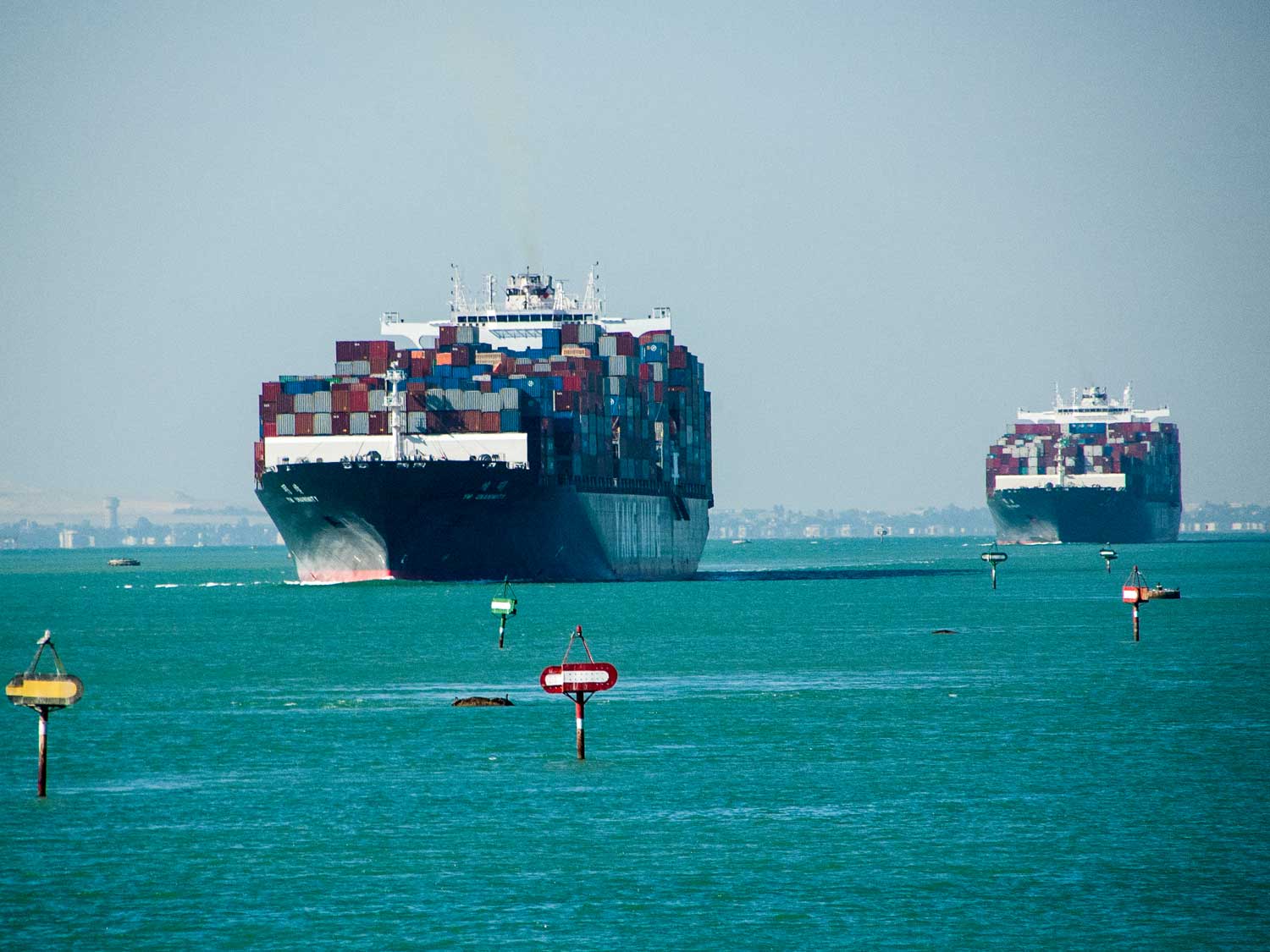
One of the clearest examples is the Panama Canal, where falling water levels in Gatun Lake have prompted the Panama Canal Authority to progressively reduce maximum vessel draft during the summer as it conserves freshwater ahead of an anticipated Super El Niño. While current restrictions remain less severe than those experienced during the 2023 drought, they are already increasing costs for shippers.
Several major ocean carriers have introduced Panama Canal surcharges ranging from $100 to $320 per TEU on Asia-US East Coast and Gulf Coast services, reflecting the reduced cargo each vessel can carry under tighter draft restrictions. Although the canal continues to operate normally, any future reduction in daily transit slots would have a much greater impact on schedule reliability than the current draft limits alone.
Europe's rivers are feeling the strain
The effects of prolonged hot, dry weather are also being felt across Europe's inland transport network.
Water levels on the Rhine have fallen to critically low levels, severely restricting barge operations between Rotterdam, Antwerp and inland Germany. Operators have been introducing low-water surcharges for several weeks, while some services have become commercially or operationally unviable.
Efforts to transfer freight onto rail have proved equally challenging, with alternative corridors already operating close to capacity because of ongoing infrastructure works.
For manufacturers relying on Europe's inland waterways, disruption is no longer confined to river transport, it increasingly affects rail capacity, road availability and overall distribution costs.
Wildfires are disrupting European road freight
Across southern Europe, another climate-related challenge is emerging, as large wildfires in France and Spain disrupt some of Europe's busiest freight corridors through road closures, diversions, reduced visibility and extreme temperatures. Longer journey times are increasing fuel consumption, delaying deliveries and placing additional pressure on temperature-controlled supply chains.
The impact extends well beyond the affected regions. France remains the principal land bridge between the UK and the Iberian Peninsula, and with around 75% of UK trade with continental Europe transported by road, closures and diversions across France can have far-reaching consequences for supply chains across Europe.
For businesses importing fresh produce or operating just-in-time supply chains, even relatively localised events can have continent-wide consequences.
Typhoon season continues to test Asian supply chains
Meanwhile, North Asia is experiencing another challenging tropical storm season.
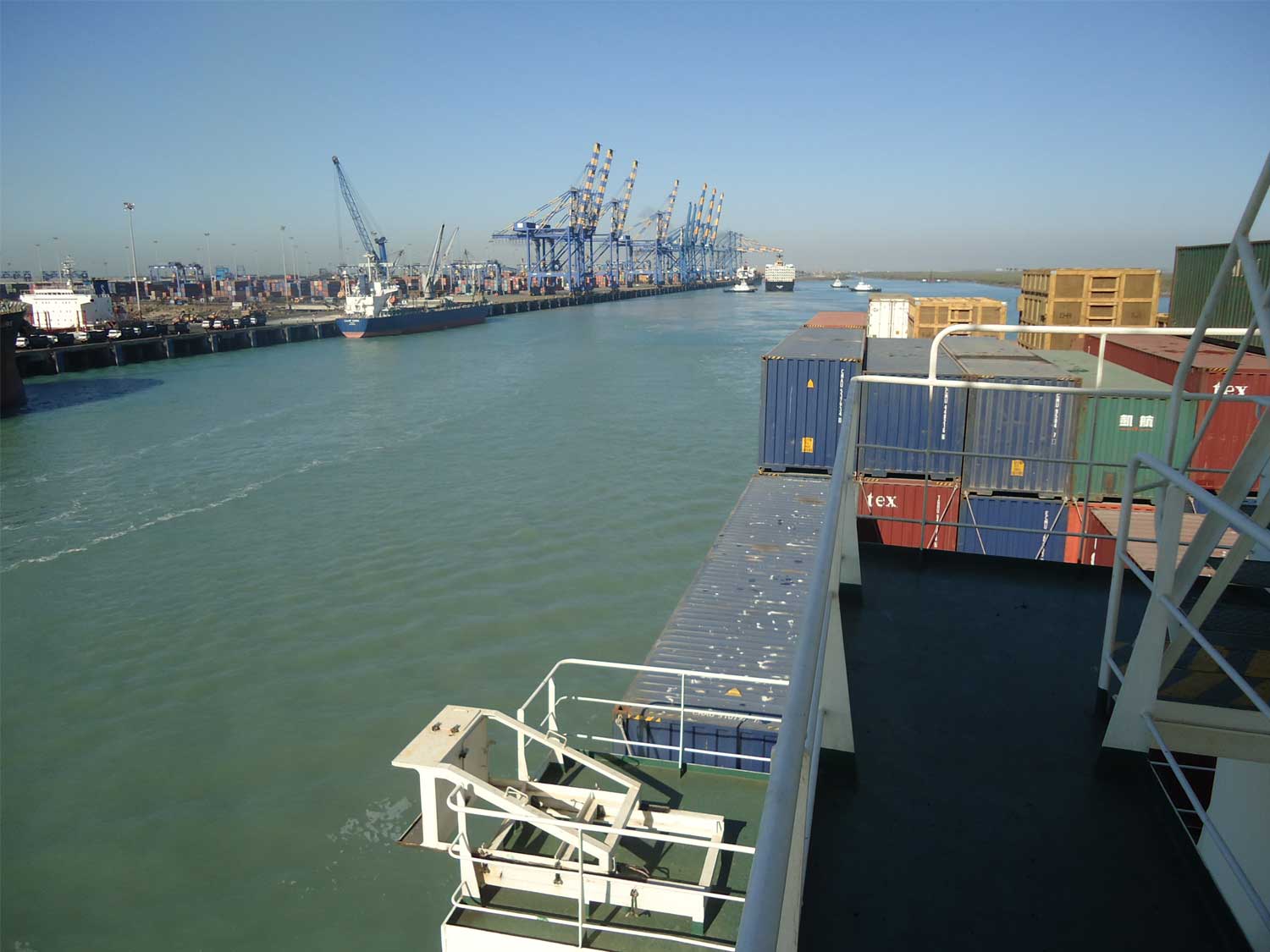
Following the disruption caused by Typhoon Bavi, Typhoon Dolphin is threatening further delays across one of the world's busiest manufacturing and shipping regions. Major ports including Shanghai, Ningbo and Qingdao are already managing congestion, with delays of up to 8 days and while the typhoon is being downgraded, another severe weather event risks extending vessel queues and delaying cargo movements before previous backlogs have fully cleared.
The timing is particularly significant as peak season demand continues, increasing pressure on both container shipping and bulk commodity movements throughout the region.
Weather disruption is becoming interconnected
Individually, each of these events presents a local operational challenge, but together, they highlight a much broader trend.
Lower water levels restrict major waterways. Heat and drought increase wildfire risk. Tropical storms disrupt manufacturing and port operations. Each event creates knock-on effects that spread rapidly through global supply chains, affecting transport capacity, transit times and logistics costs far beyond the immediate area.
With forecasters warning that a strengthening Super El Niño could increase the frequency and severity of weather extremes over the coming months, businesses should expect climate-related disruption to remain a significant operational risk.
Building resilience into the supply chain
Extreme weather can no longer be treated as an occasional disruption that businesses simply react to.
Organisations that build resilience into their supply chains, through flexible transport options, contingency planning, alternative routings and greater supply chain visibility, will be far better placed to manage future disruption than those relying on historical weather patterns.
As climate events become more frequent and interconnected, resilience is becoming every bit as important as cost and transit time.
Whether you're moving freight through Europe, North America or Asia, Metro can deliver visibility throughout your supply chain and help you prepare for disruption before it happens. From alternative routings and multimodal solutions to warehousing, customs and contingency planning, we'll help build a more resilient supply chain that keeps your cargo moving when conditions change.
EMAIL Managing Director, Andrew Smith to start a conversation.