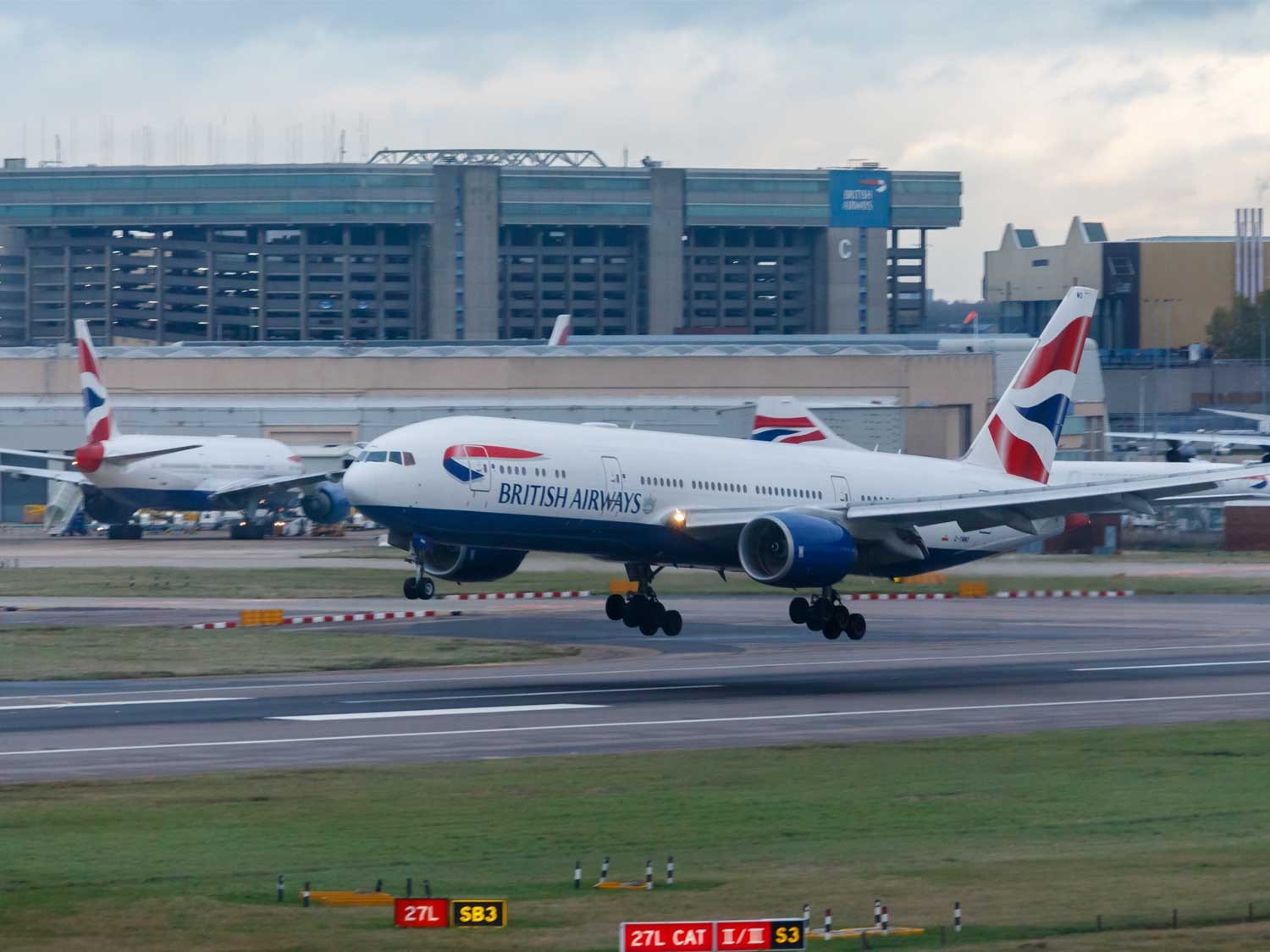
Air cargo rates surge as Vietnam becomes key export hub

Air cargo rates surge as Vietnam becomes key export hub

The air cargo market is seeing a significant surge in rates, driven by strong demand and tight capacity, especially on routes from Asia to North America and Europe.

In October, spot rates reached their highest point this year, with rates from Vietnam to the US increasing by 65% and to Europe by nearly 60%. Vietnam has emerged as a hotspot for eCommerce exports, with capacity out of Ho Chi Minh to North America increasing by 360% year-on-year.

Asia-Pacific has been hit hardest by the capacity constraints, with rates rising over 60% year-on-year due to increased demand for holiday shipments and high-tech goods. Despite the added capacity, rates continue to climb, further exacerbated by geopolitical tensions and disruptions in sea freight. The overall airfreight market grew by 10% year-on-year in September, as supply chain challenges forced more businesses to turn to airfreight.

Meanwhile, new security protocols introduced by the US and Canada are increasing the complexity of logistics for air cargo. These regulations, aimed at mitigating risks, require more detailed information from carriers, particularly on routes from Europe to North America. As a result, additional delays and operational hurdles are possible as peak season nears.

In Europe, demand for imports from Asia is forecast to remain strong through the rest of 2024, adding further pressure on already tight capacity. Surcharges have already been announced for Q4, with rates from Asia-Pacific to the US rising sharply. Transatlantic routes have seen a mix of rate movements, with rates increasing on westbound routes.

In response to the capacity crunch, shippers are exploring sea-air options through the Middle East, which has seen strong demand throughout 2024. However, these alternative routes are still subject to rising rates as supply struggles to keep pace with demand.

As the peak season approaches, air cargo rates are expected to continue climbing, and shippers are advised to plan for increased costs and potential delays. With demand surging and capacity remaining constrained, the air cargo market remains volatile, especially on key trade lanes from Asia to North America and Europe.

If you are exploring alternative sourcing strategies or looking for air freight support in Vietnam or Asia, please EMAIL our Chief Commercial Officer, Andy Smith, to schedule a consultation.

With 40 years of experience across Asia and Southeast Asia, we provide expert local assistance and ensure your products move smoothly to their distribution and sales points.

Our in-country specialists add value to your supply chain, offering seamless solutions tailored to meet your unique needs and requirements.

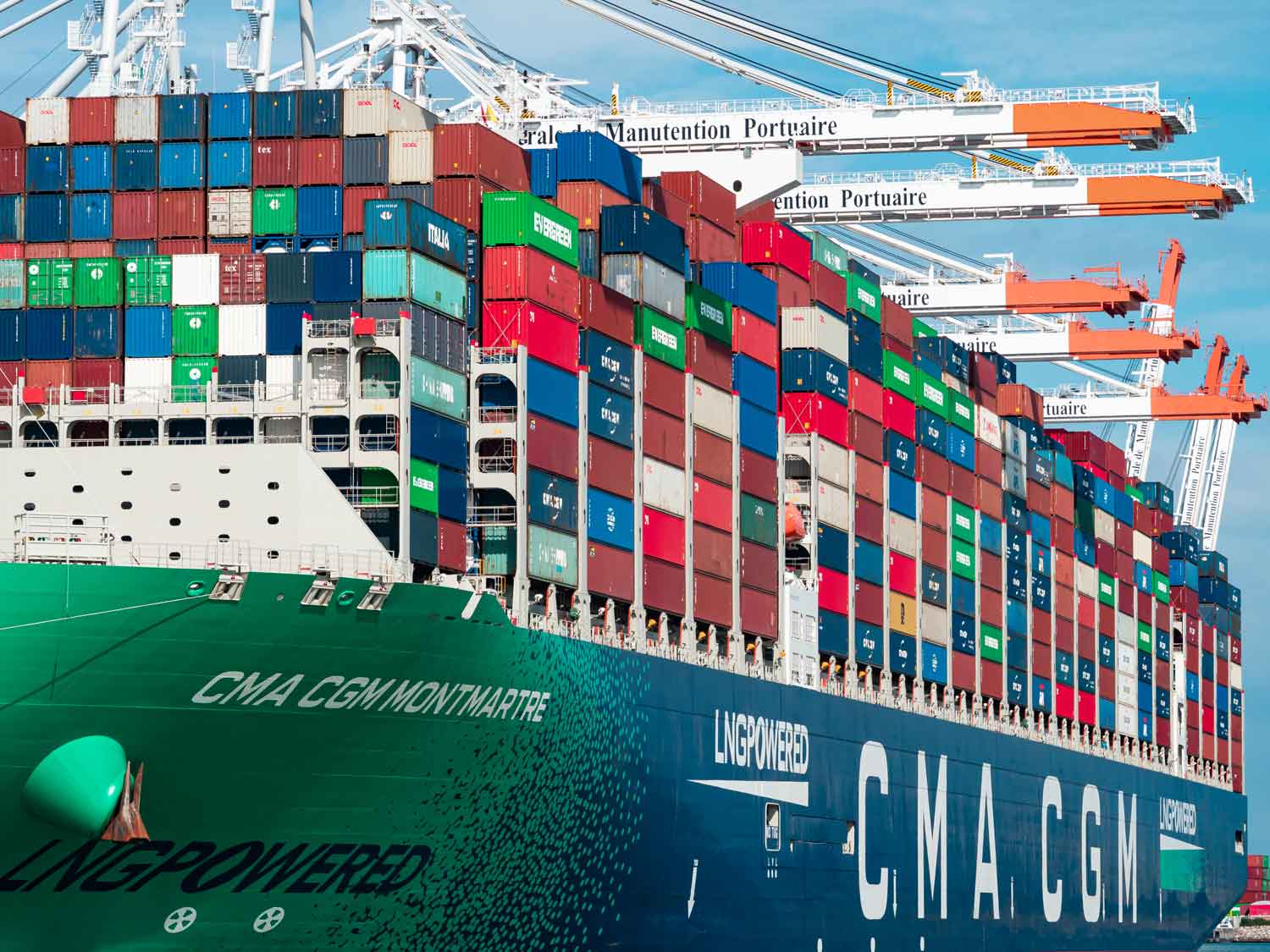
Creative solutions ease Bangladesh export challenges

Creative solutions ease Bangladesh export challenges

As Bangladesh’s apparel sector ramps up production following months of disruption, exporters are benefiting from creative logistics solutions to overcome rising freight rates and capacity shortages. 

Metro shipments from Bangladesh have been utilising an innovative mix of air freight, sea/air, and land/air routings, including through China and India to mitigate costs and delays. These approaches are proving crucial in reducing transport costs and often bypassing traditional Middle Eastern hubs, which have often been congested.

While air freight rates to Europe and the US have surged to their highest levels in two years, routing through alternative hubs, including in China offer viable alternatives. The availability of cargo space on Chinese airlines and the cost-effective nature of these routes are enabling exporters to avoid the bottlenecks plaguing Middle Eastern hubs. Additionally, India is emerging as a key transhipment point, where goods are trucked to Delhi and flown onward to Europe and the US.

Dhaka Airport’s infrastructure issues and capacity constraints have encouraged us to explore alternative transhipment routes. Creative routing strategies such as sea/air, where goods are shipped by sea to selected transhipment hubs before being flown to their final destination, are becoming vital to maintaining efficient supply chains.

Capacity growth in key regions is providing some relief, with air cargo capacity from Asia-Pacific to North America and Europe rising by over 16% and 19% respectively year-on-year. This increase is helping to balance the surge in demand and freight rates, ensuring that Bangladesh’s exporters can continue to navigate these challenging conditions.

Despite ongoing challenges, the outlook for Bangladesh’s exports are optimistic with creative air freight and alternative solutions keeping supply chains moving while mitigating the impact of high rates and capacity constraints. 

With flexible routing becoming an integral part of flexible logistics strategies, Metro continue to find innovative ways to adapt to volatile markets, with innovative solutions that maintain supply chain continuity. 

Our operations teams and local partners are navigating challenges at Chittagong Port and Dhaka Airport, while creative air, sea/air, and land/air strategies are helping mitigate the impact of high rates and capacity shortages. 

If you have any concerns or would like to discuss contingency plans to ensure stability in your supply chain, please EMAIL our Chief Commercial Officer, Andy Smith.

Record volumes raise concerns for peak season

Record volumes raise concerns for peak season

Global demand for ocean freight container shipping has surged to unprecedented levels, surpassing even the peak during the Covid pandemic and comes when available capacity is already strained due to diversions around Africa, leading to concerns that any peak season demand could be calamitous.

Chinese exports reached a record high of 6.2 million TEU in May and while there is hope that early shipments will reduce volumes during the traditional peak season in the third quarter, other factors could keep demand high. 

Nervous shippers are re-stocking and seeking to avoid potential future tariffs on imports from China, which could sustain high demand in the coming months.

Approximately 19% of US shippers and 26% of European customers are advancing their shipping schedules due to fears of supply chain disruptions.

Planned US tariff increases on goods, including electric vehicle-related materials, battery parts, and solar cells, could further elevate freight costs as exporters rush to front-load shipments. The Hong Kong Small and Medium Enterprises Association noted that many manufacturers are struggling with tighter deadlines and increased overtime pay in mainland China, jeopardising profitability.

With importing customers asking for orders to be shipped earlier than usual, Chinese manufacturers are increasingly struggling to meet the shortened schedules necessary for timely festive season deliveries. The average cost of moving a 40ft container between Asia and northern Europe has more than doubled in two months, with a roughly fivefold increase from the same period last year.

Recent spot rate indexes for sea freight have shown the smallest gains in months, with some main east-west routes seeing a pause in growth. The slowdown suggests the market might be reaching an equilibrium of supply and demand. However, it remains unclear whether this is a temporary early peak season or if demand from front-loading shippers will persist, particularly with potential US tariff increases looming.

While Asia-to-Market routes have stabilised, others continue to show week-on-week rises, with the WCI’s Shanghai-Rotterdam leg and XSI’s Asia-Europe component both increasing. Monitoring space availability closely, there are reports that vessel utilisation might be slipping, potentially making bookings easier to acquire. However, rates are expected to remain high throughout the peak season, especially for shipments ex-China.

Equipment shortages
Please be aware that we are seeing more reports from carriers that intra-Asia routes are experiencing equipment shortages, particularly out of China. This is an industry-wide issue that initially affected long-haul shipping but now has extended to intra-Asia routes. The demand for export containers in China means that carriers have to decide whether to prioritise carrying empty containers back to China or carrying laden containers to other destinations.

We are monitoring the station closely, as it could possibly push rates up, potentially cascading into the backhaul trades to Asia and regional trades.

The unprecedented demand for ocean freight and ongoing challenges in capacity and costs suggest a complex and potentially turbulent peak season ahead.

We recommend talking to us now, if you have any urgent or high-priority orders forthcoming and sharing your shipping forecasts, so that we can secure your space, on the services that meet your deadlines, at the best possible rates.

To learn how we can enhance your ocean freight solutions, please EMAIL our Chief Commercial Officer, Andy Smith. 

Air Cargo Demand Grows Strongly in Q2 2024 – and will continue for the rest of the year

Air Cargo Demand Grows Strongly in Q2 2024 – and will continue for the rest of the year

Robust growth in global air cargo markets for April 2024 marks a strong start to the second quarter, with airfreight rates on key trades out of Asia remaining “firm” in June, despite the market entering the traditional quieter summer period or ‘slack season’. Quite simply there isn’t one.

Total demand, measured in cargo tonne-kilometres (CTKs), rose in double-digits compared to April 2023. This marks the fifth consecutive month of double-digit annual growth. Capacity, measured in available cargo tonne-kilometres (ACTKs), grew by 7.1% compared to April 2023, with international capacity up by 10.2%.

Despite economic uncertainties, air cargo demand remains strong, with the Purchasing Managers Index (PMI) for global manufacturing output and new export orders turning positive in April, indicating growth. This is the first time in two years that new export orders have been risen, suggesting a robust outlook for air cargo for the rest of the year and likely beyond.

Key economic factors

  • April PMIs for global manufacturing output and new export orders were 51.5 and 50.5, respectively
  • Industrial production increased by 1.6% year-on-year in March
  • Inflation remained stable in major economies: US (3.4%), EU (2.6%), Japan (2.5%), and China (0.2%)

Regional Performance in April

  • Asia-Pacific – Demand grew by 14.0% year-on-year
  • North America – Demand increased by 7.0% year-on-year
  • Europe – Demand rose by 12.7% year-on-year
  • Middle East – Demand increased by 9.4% year-on-year
  • Latin America – Demand grew by 11.7% year-on-year
  • Africa – Demand rose by 10.6% year-on-year

That’s a lot of stats but we are demonstrating the consistent demand and growth in what should be a soft period. eCommerce is a huge contributor to the above absorbing any excess capacity on scheduled carriers and adding hundreds of dedicated charters a week into the market. This has an impact on general air cargo and through supply and demand dynamics pushes the prices up, or certainly does not allow them to fall.

Spot rate index round-up
The Baltic Exchange Airfreight Index (BAI) shows that rates from Hong Kong to both Europe and North America remained up on a year ago and also increased slightly compared with May levels.

From Hong Kong to North America, the average spot rate in June was up nearly 17% compared with a year earlier, while Hong Kong to Europe, rates in June increased over 22% year on year.

The market has remained surprisingly strong through what is normally a low season in the year, as extra belly-hold capacity comes on stream for the summer, reflecting continuing robust eCommerce activity.

Rates are also significantly higher year on year out of some other big markets in Asia, notably from India and Vietnam and particularly on lanes to Europe.

Generally we are seeing huge demand on most inbound lanes into Europe on air freight with congestion at global hubs still prevalent.

Unlike the ocean freight theory that the market is busy due to restocking (and of course the Red Sea/Suez Canal effective closure) this idea does not make sense for air freight and time critical cargo. It’s simply a case of higher demand and not enough capacity so the signs are for a remarkably busy traditional peak season from September through to Chinese New Year.

Let us get prepared for this and discuss your requirements for known air freight, or possible/expected delayed ‘distressed’ ocean freight, that will need to be sped up in the supply chain.

For urgent, valuable and sensitive shipments we have a range of airfreight, charter, sea/air and land-bridge solutions, with block space agreements (BSA) and capacity purchase agreements (CPA) that protect space and capacity on the busiest routes.

Regardless of your cargo type, size and requirements, we have extremely competitive rate and service combinations, to meet every deadline and budget. Please speak to us. With visibility and planning we will always deliver your product when required.

EMAIL Elliot Carlile, Operations Director, for insights, prices and advice.