HGV driver

Road freight market sees failure and consolidation

The UK road freight market is facing severe pressures from rising operational expenses and ongoing labour shortages, with Q3 rates surging 10% year-on-year, reflecting widespread cost increases.

This tough economic climate has led to the failure of nearly half of all haulage companies launched between 2019 and 2023, with fierce competition and volatile costs proving too much for smaller operators. Over 50,000 firms have exited the market, particularly in the container freight sector, with many drivers moving to alternative industries.

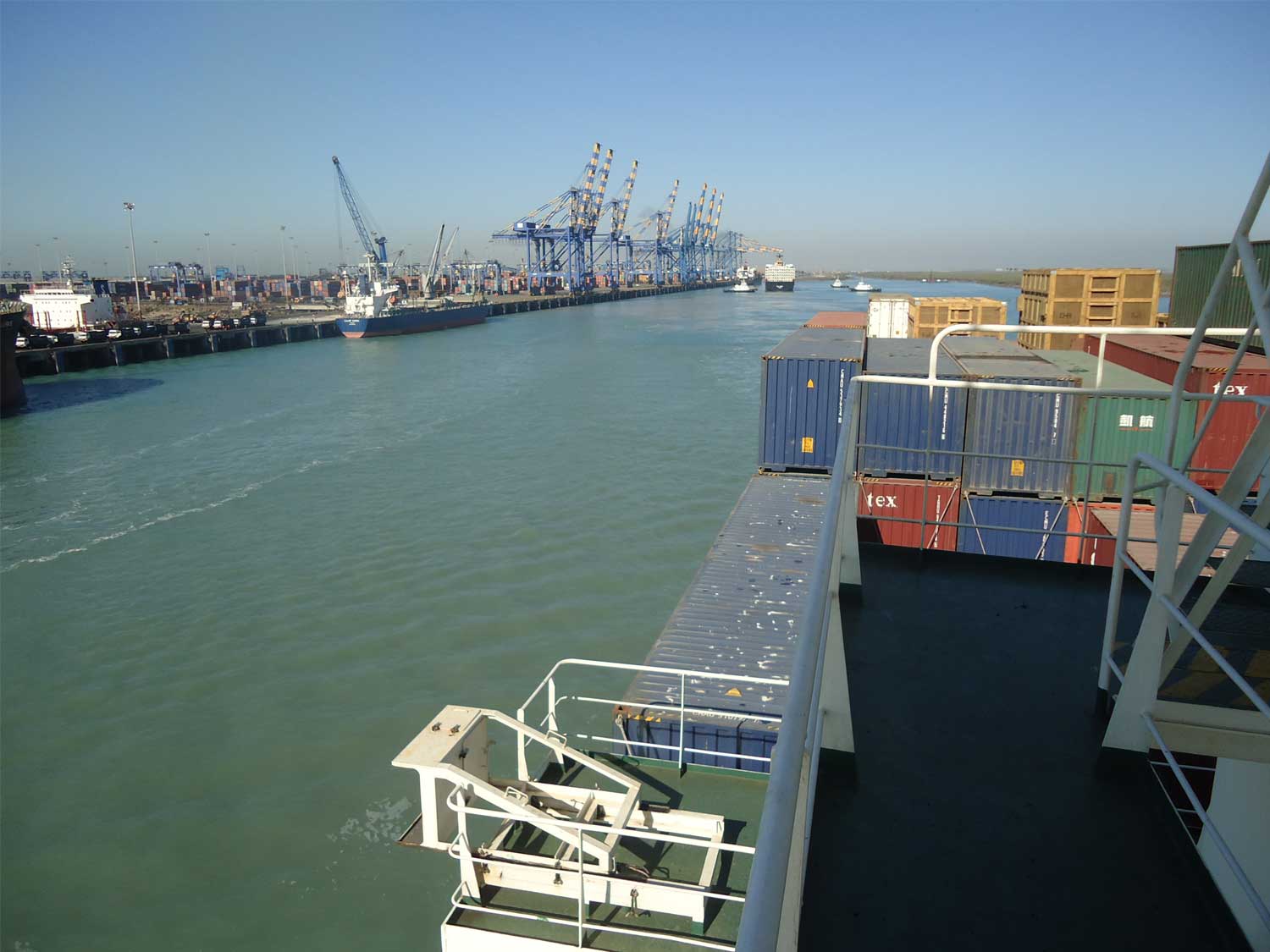
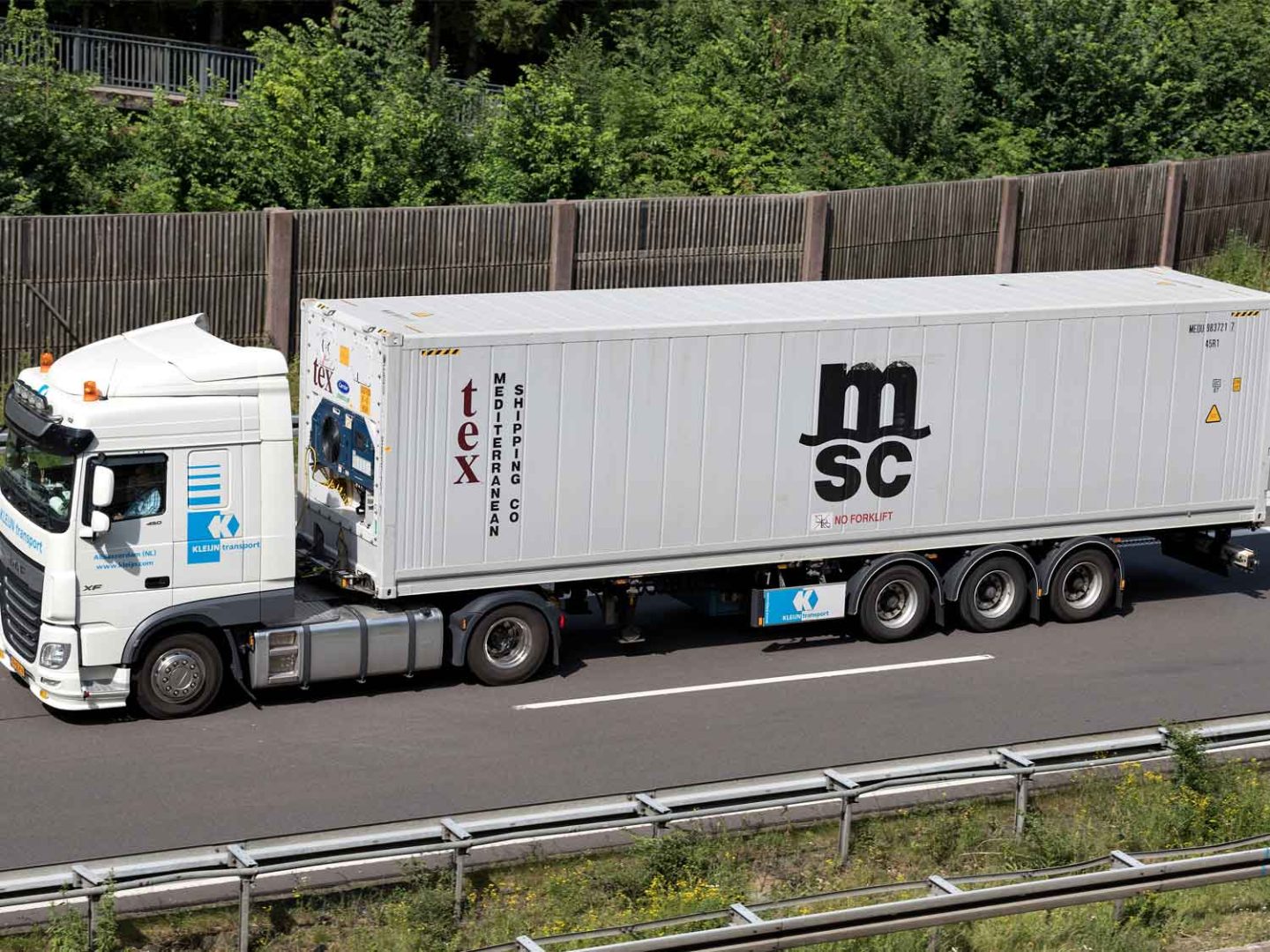
The failures of these smaller firms have opened the door to consolidation within the market. One of the most significant moves is MSC’s acquisition of Maritime Transport, the UK’s largest haulier. Maritime Transport operates a fleet of 1,600 trucks and has a significant presence at major UK ports.

MSC’s acquisition is part of a wider strategy to consolidate control of overland logistics throughout Europe and is likely to raise concerns among other shipping lines, potentially reshaping customer relationships in the industry.

Simultaneously, hauliers are dealing with significant challenges at UK ports. While DP World’s £1bn development of new berths at London Gateway is progressing, there are continuing political tensions between the operator and UK government officials.

Construction of two new berths will go ahead as part of a long-term plan to make London Gateway the UK’s largest container port, potentially handling six ultra-large container vessels simultaneously by the end of the decade. This expansion will significantly increase capacity and create around 400 new jobs.

Elsewhere, other UK ports are facing infrastructure delays, which are putting essential development projects at risk. The British Ports Association (BPA) has raised concerns over the backlog of harbour orders that ports require to make infrastructure upgrades and expand capacity. These delays threaten billions of pounds in investment and the ability of ports to meet growing trade demands. The situation is particularly dire for ports like Southampton and Plymouth, which have been waiting years for regulatory approvals to begin critical development work.

As the road freight industry faces these mounting pressures, larger operators are increasingly consolidating power while smaller firms struggle to survive.

The efficiency of the haulage sector remains dependent on the performance and expansion of the UK’s key ports, where delays and congestion could have far-reaching implications for supply chain resilience.

Metro offers secure road transport solutions with dedicated vehicles running on fixed routes, ensuring timely deliveries and GPS tracking for full visibility across the UK and continental Europe.

Our road freight teams are strategically located near major manufacturing and transport hubs throughout the UK, enabling efficient logistics support.

To learn more about our domestic and European services, please EMAIL Richard Gibbs to start a discussion tailored to your specific needs.
MSC reefer 1440x1080 1

Reefer container shortage looms as demand surges

The global market for refrigerated containers, or reefers, is facing significant pressure as we approach the end of 2024. Seasonal demand, combined with increased export activity from regions like Latin America, is straining equipment availability.

This surge coincides with the peak season for perishables, especially from countries like Argentina and Chile. Carriers are grappling with imbalances in reefer availability, worsened by longer transit times caused by vessels rerouting around the Cape of Good Hope. Imbalances are also evident in other regions, with South America showing a 73% reefer shortage and Europe facing a deficit of 19%.

Meanwhile, strong export growth in Southern Hemisphere regions like South Africa which are driven by products such as citrus, are further exacerbating the strain on reefer availability. As global demand for refrigerated goods continues to rise, particularly in key markets like the US and China, shippers are expected to face growing competition for reefer containers.

Challenges in securing enough equipment have also been affected by disruptions in ports such as Singapore and Dubai, where congestion reached record levels. The result is that shippers may need to explore alternative ports or reschedule shipments to avoid delays, as equipment shortages persist into early 2025.

In summary, the global reefer market is under significant pressure due to rising demand, particularly for Latin American exports, seasonal factors, and logistical disruptions. Shippers must carefully plan and adjust their supply chains to mitigate delays and shortages as reefer container availability remains strained well into 2025.

Metro specialises in refrigerated cargo shipping, cold-chain logistics, and insulated packaging to ensure your perishable goods arrive in optimal condition. Our expert foodstuffs team offers comprehensive support for all import and export needs, including guidance on Customs regulations and health authority compliance at both the origin and destination.

If you’d like to explore how Metro can optimise your temperature-sensitive supply chain, please contact Andrew Smith, Chief Commercial Officer, via EMAIL to discuss your specific requirements.

Sea Air aerial

Asia westbound market update

Air and sea freight from Asia continues to demonstrate remarkable resilience and growth, fuelled by robust demand, strategic capacity management, and dynamic trade routes, with India recording significant increases, driven by pro-industry government initiatives, eCommerce, and manufacturing growth.

Air Freight
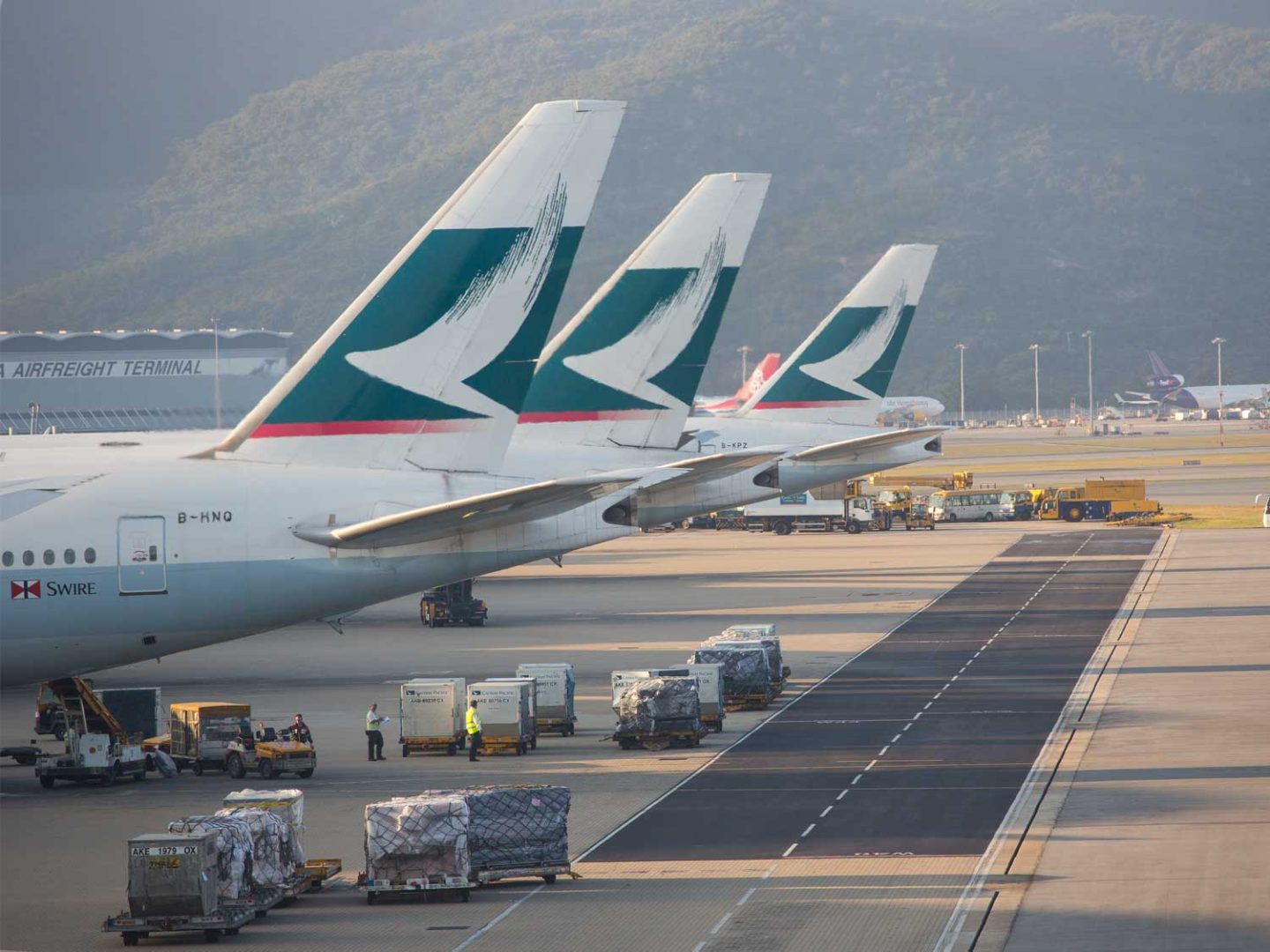
The latest data from the International Air Transport Association (IATA) for June highlights significant demand for airfreight out of Asia, which has continued, potentially extending well into 2025, fuelled by sustained eCommerce demand.

For exports from the Asia-Pacific region, the World ACD index reported a 25% year-on-year increase, with Asia-Pacific to US shipments up by 67%. However, China-US tonnage declined by 8%, with China-Los Angeles experiencing a 23% drop, marking a three-month trend of decline.

Despite the LA drop, airfreight has largely remained impervious to political and economic challenges, with US customs crackdowns on eCommerce deliveries from China not dampening the market.

India’s air cargo market is particularly bullish. Total volumes at Indian airports in Q2 2024 rose by 14% year-on-year, with international flows up 20%. This growth can be partly attributed to a modal shift from widely disrupted ocean services due to the Red Sea crisis, especially for urgent or time-sensitive shipments. 

Sea Freight
As we progress through the traditional container shipping peak season, analysing demand, prices, planned levels of blank sailings and capacity deployment provides valuable insights into carriers’ confidence in the 2024 peak season.

Ex Asia freight rates are anticipated to stay high until the end of the peak season, at least until the Golden Week, while strong increases in outbound demand from India have led to increased rates and equipment shortages.

For the Asia-North America West Coast route, carriers have planned to blank 4% of capacity, similar to pre-pandemic averages and 2020 levels. This is significantly lower than during the pandemic years when blank sailings were forced due to port congestion.

Capacity growth for the same period in 2024 is set to be 25% higher than in 2023, and 10% higher than in 2020, which saw peak capacity deployed in terms of TEUs. This strong capacity growth and relatively low level of blank sailings suggest that carriers are optimistic about the peak season.

On the Asia-North Europe route, the planned blanked capacity is 6% for the next 10 weeks, slightly higher than in 2020 and pre-pandemic averages, but not by much. There is no year-on-year growth in deployed capacity for 2024. However, in 2023, the trade saw a 13% year-on-year capacity growth, which was high compared to historical averages and exceeded the demand levels at that time.

The willingness of carriers to maintain this elevated capacity level in 2024, along with the relatively low number of blank sailings, indicates a strong and confident outlook.

However, with ocean supply chains still under significant pressure, concerns remain about a capacity crunch in the coming months, especially if disruptions such as the ILA East Coast strikes and China tariffs occur. Carriers flor now have opted to keep capacity elevated.

Port Congestion
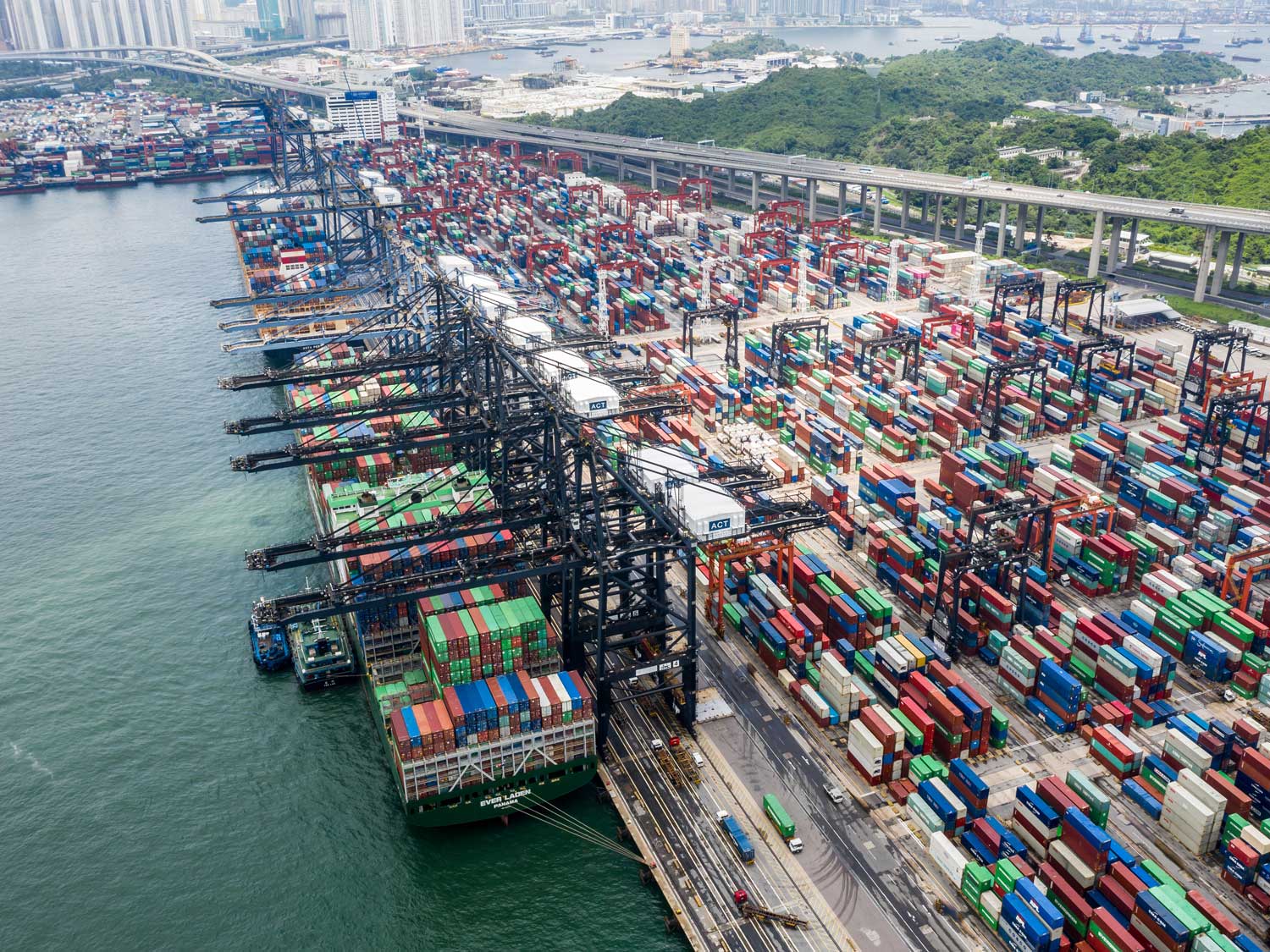
The latest port congestion data reveals extensive dwell times as the Red Sea crisis continues to impact operations. The top five congested ports globally include Durban with an average 8 day wait time, Ningbo with 6 days, Vancouver with 4 days, Los Angeles with 4 days, and Chittagong which worsens each day.

Over 60% of the South-east Asian ports analysed saw rising congestion over the quarter, while in Europe, 12 of 18 analysed ports reported increases.

Singapore congestion is improving as ships are skipping the port, though Barcelona and Valencia are still congested and there is an ongoing risk of strikes in Hamburg and Bremerhaven.

With ongoing shortages in empty equipment, high vessel utilisation and port congestion, further exacerbated by shippers front-loading to avoid delays, rates are likely to stabilise at high level in the coming months.

The unprecedented demand for ocean freight, combined with ongoing challenges in equipment, capacity, and costs, suggests that the next few months will be complex and potentially turbulent. 

We encourage you to contact us now if you have any urgent or high-priority orders on the horizon. Sharing your shipping forecasts with us will enable us to secure space on the best services to meet your deadlines and at the most competitive rates.

To discover how we can enhance your ocean freight solutions, please EMAIL our Chief Commercial Officer, Andy Smith.

Ellerman boxes

European market review and group developments

The European freight market continues to face a complex landscape, characterised by fluctuating demand and evolving capacity challenges. In this review, we examine the current state of the road freight market and highlight recent group developments, including the acquisition of a Portuguese intermodal specialist and the launch of a new container shipping service.

Road Freight Market
Despite some positive economic developments, the road freight sector remains challenged by uncertain demand, with no indication of a trend reversal over the summer. This persistent issue is also evident in the capacity trends reported by TIMOCOM’s index. Significant capacity bottlenecks were noted in the first quarter, primarily due to reduced truck fleets.

This trend persisted into the second quarter, with the ratio of freight to cargo space standing at 77:23, dropping further to 73:27 in July, which is typical for the summer months. Despite these challenges, freight rates remain high. Although diesel prices have moderated, other costs, such as driver wages, continue to rise.

The TEG Index tracked a 6% year-on-year increase in haulage prices in July 2023, reflecting the rising costs that hauliers face. This index typically shows prices stalling over the summer before recovering in September, indicating that current trends are in line with historical patterns.

Acquisition of Portuguese Intermodal Specialist
We are pleased to announce the acquisition of Portuguese intermodal specialist KLOG. This acquisition allows us to enhance our intermodal transport capabilities, particularly for customers with significant continental volumes or those aiming to meet decarbonisation targets.

KLOG is renowned for its efficient, reliable, and cost-effective intermodal services to and from the Iberian Peninsula, serving some of Europe’s largest retailers, brands, and manufacturers. Their established rail services to and from Germany and Poland, via hubs in Spain and France, present significant opportunities for shippers trading between Northern Europe and Iberia.

KLOG currently operates two block train departures a week to and from their Portuguese rail hub to Poznan in Poland and Duisburg in Germany, routing via France and Spain. 

These services are complemented by short sea/rail connections. Additionally, four block trains run weekly between Entroncamento (Portugal) and Tarragona (Spain), with a further three block trains operating weekly in Spain between Tarragona, Bilbao, Valladolid, and Sevilla.

A wide range of 45’ equipment is available for all services, including curtain-side, dry container, and refrigerated containers, as well as 20’ ISO tanks. Last-mile delivery and/or collection from the Tarragona hub is available with e-trucks as an option.

Key Benefits:
– 24/7 Control Tower Service
– High rail frequency with daily departures
– Reliable lead-time comparable to road transport
– Sustainable solutions available year-round
– Reduction in truck usage and reliance on scarce driver resources
– CO2 emission reductions of 90% compared to road alternatives

New container shipping service connecting Spain, Portugal, and Northern Europe
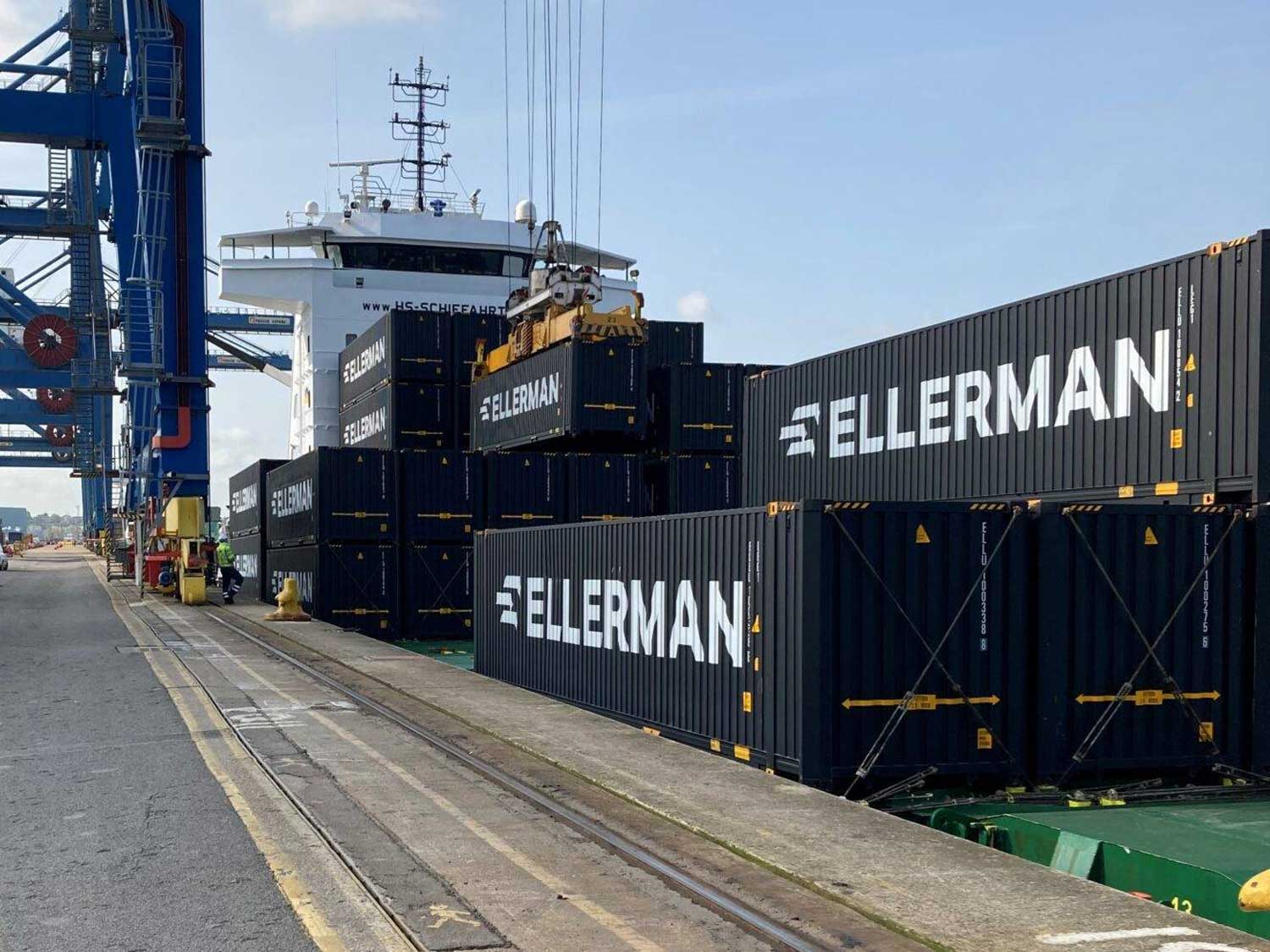
Ellerman City Liners, a group container shipping line with over 120 years of history, has introduced a new joint service with CMA CGM, connecting Spain, Portugal, and Northern Europe. This service aims to address ocean freight capacity shortages on key trade lanes, providing speed, service, and certainty to supply chains.

The first vessel of the new iNEX service departed Rotterdam on 9th July 2024. This service enhances efficiency, expands geographical scope, and reduces the carbon footprint for shippers. Operated with two 1,400 TEU vessels, the weekly sailing schedule includes the ports of Cadiz, Setubal, Leixoes, Ferrol, Tilbury, Dunkirk, and Rotterdam.

By working closely with partners Ellerman and KLOG, we are expanding the intermodal options available to our customers, delivering cost-effective and sustainable services as part of our commitment to decarbonising the supply chain.

Metro’s integrated transport services streamline import and export product flows across Europe, North Africa, and Turkey. By combining road, intermodal, and short sea modes, we ensure more efficient cargo transportation, reduced delivery times, and cost savings.

Our extensive partner network, multi-modal transport solutions, and MVT supply chain platforms are designed to meet even the most complex requirements across multiple regions, vendors, and customers.

Discover how we can enhance your trans-continental trading. EMAIL our Chief Commercial Officer, Andrew Smith, to arrange a consultation and scoping discussion.