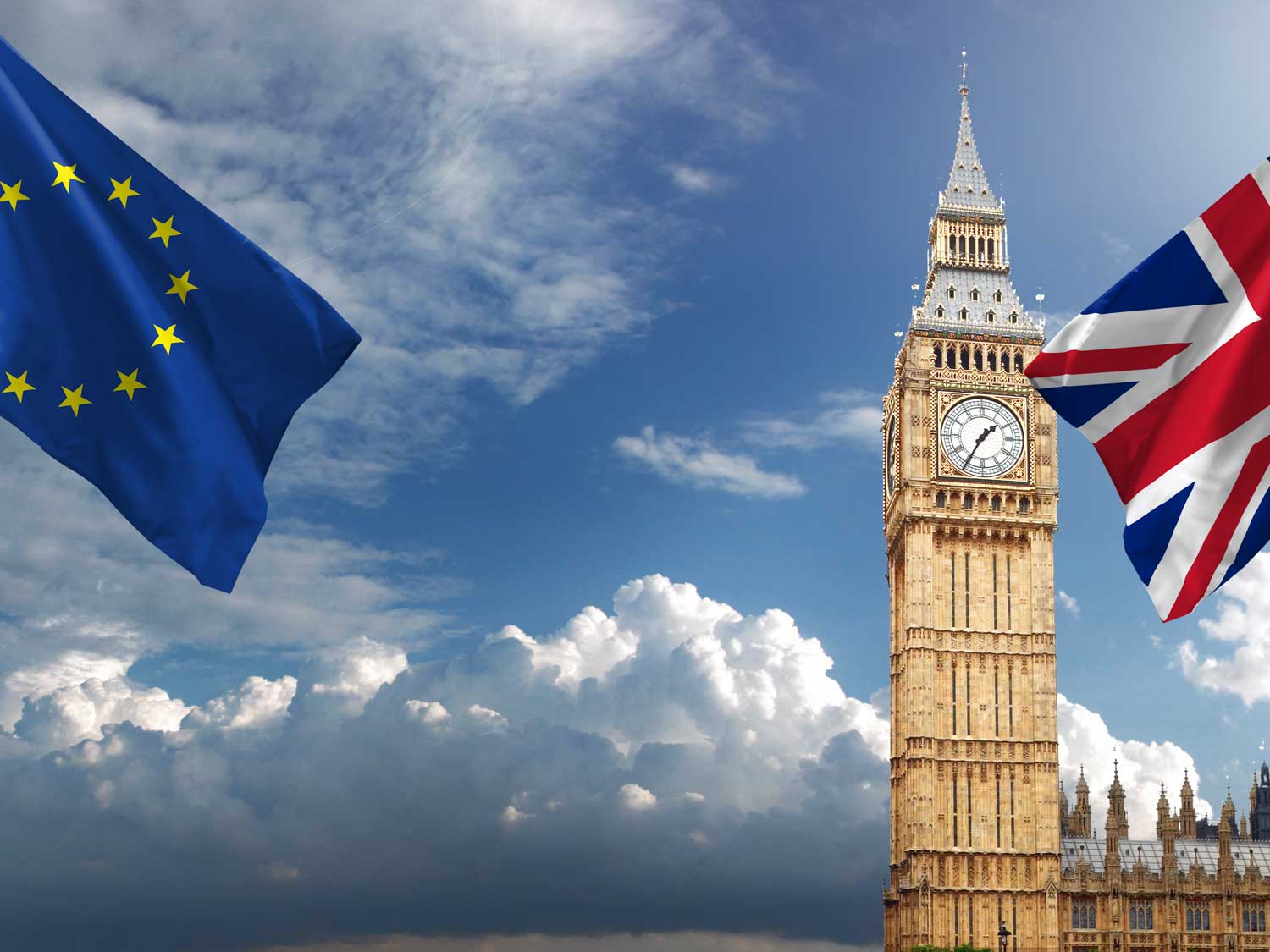
On 13 May 2026, the King's Speech set out the government's plans for the next Parliamentary session, including efforts to reset post-Brexit relations, forge closer economic ties with the EU and reduce unnecessary barriers to trade.
The reset is not a return to the single market or customs union. Instead, it is being presented as a targeted attempt to stabilise the trading relationship through closer alignment in specific areas where the government believes reduced friction could support growth, cut costs and improve supply chain efficiency.
SPS alignment could simplify GB–EU border processes
The government intends to pass legislation by the end of 2026 to enable an SPS agreement with the EU to take effect by mid-2027. The agreement would cover animal and plant health, food safety and related agri-food rules, with the UK aligning to relevant EU legislation in order to ease border procedures.
SPS controls have been among the most disruptive post-Brexit trade barriers, creating additional documentation, inspection, certification and timing challenges at the GB–EU border.
A veterinary-style agreement could reduce the need for some routine checks and help make border movements more predictable. For exporters, this may improve access into EU markets. For importers, it could reduce delays, compliance costs and uncertainty when bringing goods into Great Britain.
Emissions trading alignment could reshape supply chain costs
Alongside the SPS agreement, the government is also negotiating closer alignment between the UK and EU emissions trading schemes (ETS), designed to reduce regulatory divergence and support longer-term industrial and energy cooperation.
For businesses involved in manufacturing, energy-intensive production, transport and international trade, the implications could extend well beyond environmental policy.
A linked or more closely aligned ETS framework could help reduce friction for exporters trading into Europe, particularly as the EU continues expanding carbon-related trade measures and compliance requirements. It may also provide greater long-term certainty for businesses operating across both UK and EU markets.
Dynamic alignment brings certainty but also new compliance considerations
The proposed reset relies on dynamic alignment in selected areas, meaning UK rules would keep pace with relevant EU law as it evolves. This is central to the government’s ambition to reduce border friction, because smoother trade processes depend on both sides recognising equivalent standards.
For logistics and supply chain teams, this could provide greater medium-term certainty over the regulatory framework affecting GB–EU trade. However, it also means businesses will need to monitor changes in EU rules that may flow into UK requirements over time.
The wider political debate remains active. Critics argue that dynamic alignment could reduce UK regulatory flexibility, while others want the government to go further and pursue a customs union.
What this means for UK traders
The direction of travel may point toward a less burdensome GB–EU trading environment, but the more realistic reading is:
- Customs declarations are not going away simply because an SPS deal is agreed.
- Rules of origin issues are not being removed by the reset as described in this briefing.
- What may improve is the regulatory layer sitting on top of customs processes for certain categories of goods, especially agri-food.
That distinction matters, because a truck can still need customs processing even if SPS checks become lighter or less frequent.
So the likely benefit is not “no border”, but a border with fewer SPS-related interruptions, fewer compliance mismatches and a lower chance that a shipment is delayed because UK and EU technical rules have drifted apart.
Importers and exporters should now review where SPS controls, border checks, certification or documentary requirements are creating cost, delay or uncertainty in their supply chains. They should also assess whether current customs and compliance processes are flexible enough to adapt as the UK–EU framework develops.
As the UK–EU reset develops, Metro is helping customers assess how changing customs procedures, SPS requirements and evolving regulatory alignment could affect their supply chains, transit times and compliance obligations.
Through integrated freight forwarding, customs support and cross-border logistics expertise, Metro helps businesses prepare for changing GB–EU trade conditions and maintain efficient cargo flow across European supply chains.
EMAIL Managing Director, Andrew Smith, today to learn more.