Security incidents on 11 March have added further pressure to global freight networks already affected by disruption across the Middle East.
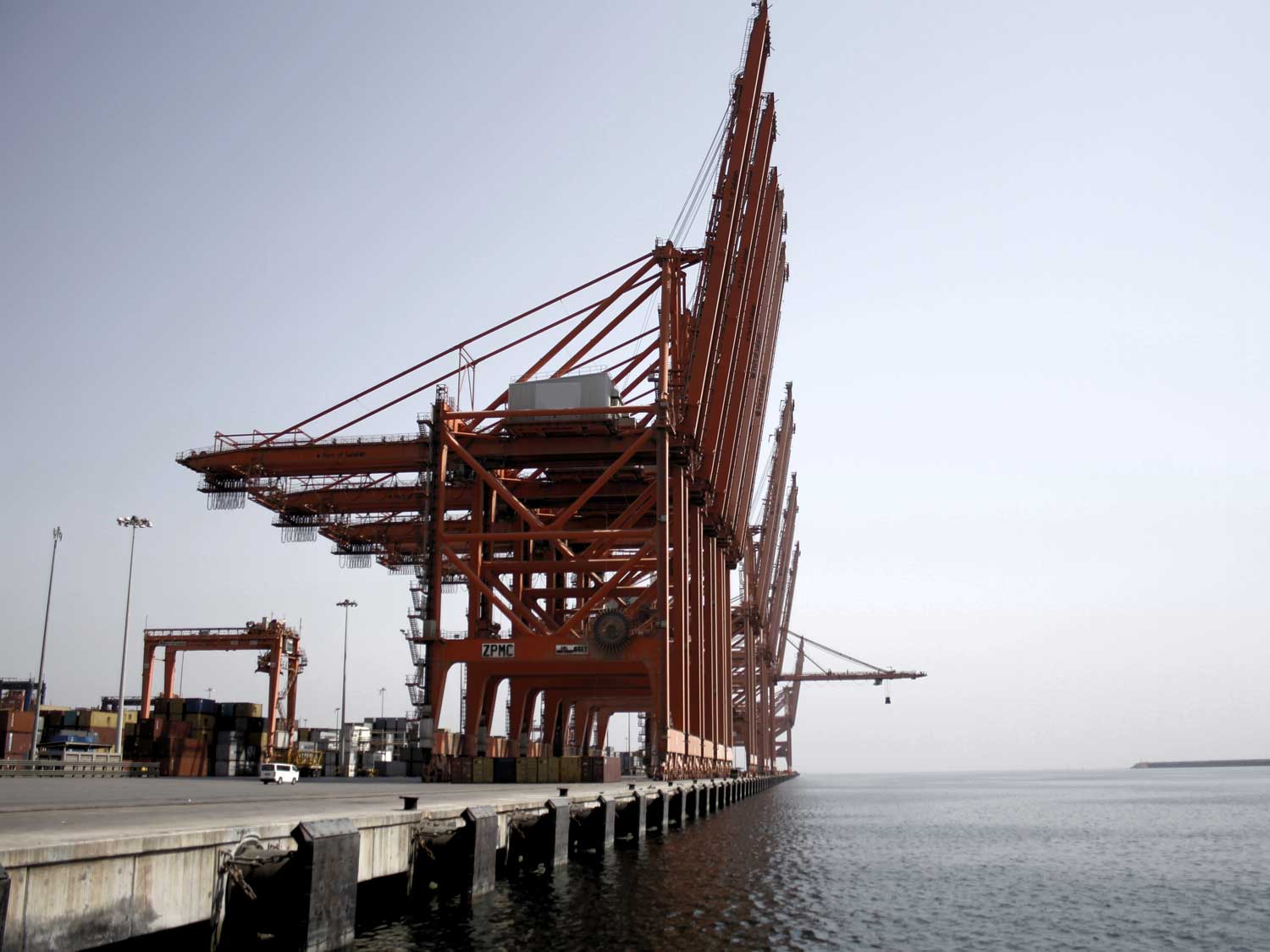
A drone strike at the Port of Salalah in Oman hit fuel storage tanks, forcing the suspension of port operations and bunkering activity at one of the region’s key container transhipment and fuel supply hubs. Salalah is a critical location for vessel refuelling and cargo transfers in the Arabian Sea, and any interruption to bunkering services can affect shipping schedules and vessel routing across multiple trade lanes.
Initial assessments indicate both port operations and bunker supply remain suspended while the extent of the damage is evaluated. The incident follows earlier security events near the port and additional reported attacks affecting nearby Duqm, increasing concern over the resilience of key logistics infrastructure in the region.
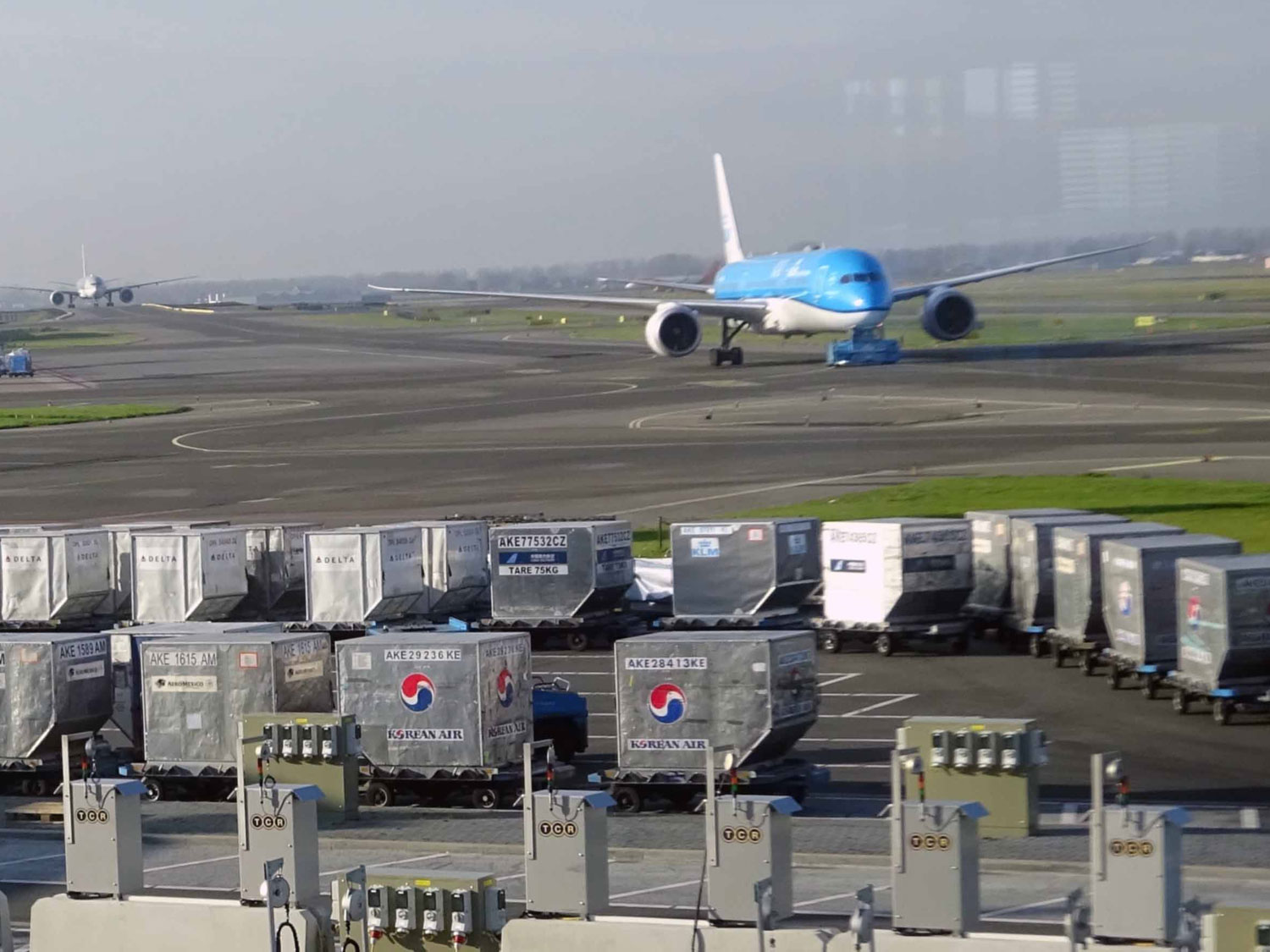
At the same time, Dubai International Airport temporarily halted operations after a drone strike nearby wounded four people on the morning of 11 March. Flights have since resumed, but the incident briefly disrupted one of the world’s busiest international aviation hubs and a critical gateway for global air cargo flows.
Port congestion risk rising
The operational disruption comes at a time when global container shipping networks remain highly sensitive to sudden shocks.
When vessels are diverted or delayed, shipping networks can rapidly move from normal operations to congestion. Cargo diverted from disrupted Gulf ports is already being redirected to other locations, with India’s west coast ports among the first to experience increased volumes.
Shipping networks remain vulnerable because delays compound quickly across vessel rotations. In 2025, Red Sea re-routings took about 9% of capacity out of the system, while port congestion took out a further 10%. That’s capacity lost, not because the ships didn’t exist, but because delays made them non-functional.
The current situation’s risk comes in two parts. First, as carriers abandon Suez transits because of the new strikes, schedules shift unevenly back toward the Cape of Good Hope. And as carriers move at different cadences, it creates vessel bunching, port congestion and massive service instability.
Secondly, the blockade of the Strait of Hormuz has trapped vessels and forced carriers to suspend transits, creating a sudden loss of capacity that is rippling through the whole supply chain.
Air cargo capacity tightening across global routes
Air freight markets are also tightening as disruption across Middle Eastern aviation hubs affects global cargo connectivity.
Many international air cargo supply chains rely on Gulf carriers and airports as transit points between Asia, Europe and North America. When these hubs face operational disruption or flight cancellations, cargo must be rerouted through alternative airports and airlines.
The impact is already visible in export markets heavily dependent on these connections. In Bangladesh, where around 60% of air cargo typically moves through Middle Eastern hubs, hundreds of flights have been cancelled since late February.
As a result, air freight rates to Europe have more than tripled, while rates to the United States have almost doubled, reflecting the sudden shortage of available capacity.
What this means for shippers
The attacks on Salalah and the temporary disruption at Dubai International Airport highlight how quickly events in the region can affect global logistics infrastructure.
For shippers, the immediate risks include reduced air cargo capacity, potential vessel delays linked to bunkering disruption, and increased pressure on alternative ports and airports as cargo flows are redirected.
Metro is monitoring developments across Middle Eastern ports, airports and carrier networks and will continue to provide updates as the situation evolves.
If your shipments move through affected trade lanes, contact your Metro account manager to review routing options and ensure your supply chain remains resilient as conditions develop.