Suspension of Transit

<strong>Schedule reliability and port congestion in decline</strong>

The latest, market leading source, Sea-Intelligence schedule reliability figures show a slight decline of 0.7% in September to 45.5%, which is the first fall since reliability began to trend upwards in April and follows the year’s largest reliability increase of 5.8% in August.

The average delay for late vessel arrivals has been dropping consistently since the start of the year and In September improved once again, albeit slightly, dropping by -0.10 days, bringing the average delay to 5.81 days and is the second consecutive month that the delay has dropped below the 6-day mark since April 2021. Pre-Covid pandemic situation this would have been deemed completely unacceptable. But transits and measurements have changed over the last few years and many traders would like to slow down their products in transit in the current global environment so it is actually, by some businesses adjusting their supply chains in line with current consumer demand, considered a benefit we have observed.

With schedule reliability of 53.2%, 2M was the most reliable carrier in September 2022, followed by CMA CGM with 45.5%, with another four carriers recording schedule reliability of 40%-50% and the remainder at 30%-40%, or lower, it has been widely reported in the trade news.

Yang Ming recorded the lowest schedule reliability of 35.1%. In September 2022, once again, most of the carriers were very close to each other, with the difference between Yang Ming at the bottom and CMA CGM at second, a little over 10 percentage points.

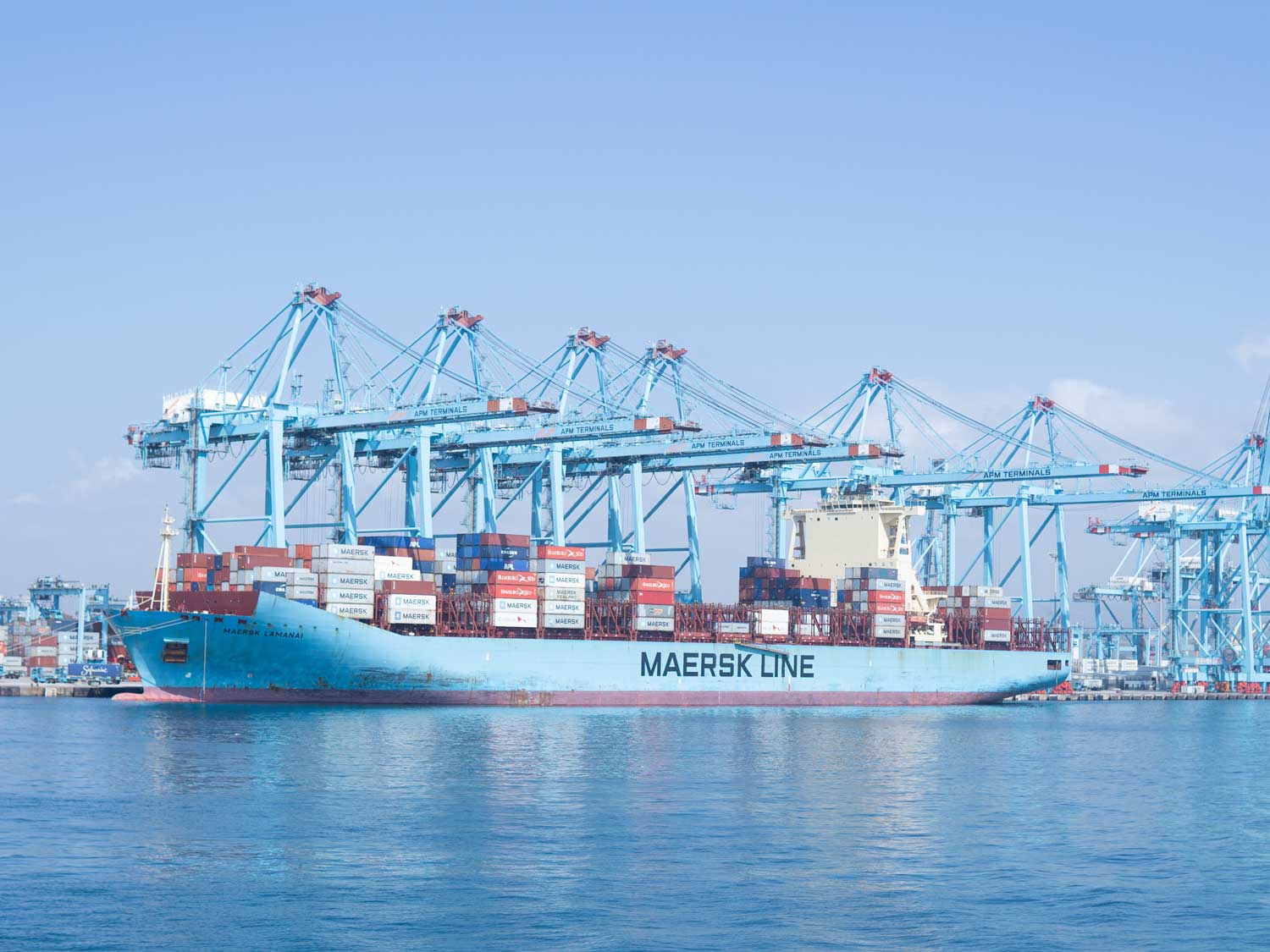
Despite schedule reliability improvements global port congestion remains an issue with ~11% / 2.8m TEU of capacity tied up due to bottlenecks, labour shortages, industrial disputes and other post-pandemic disruptions.

The overall trend is on a downward trajectory, as congestion is starting to ease across the main hotspots in the US and Europe, though there was a small increase in vessels waiting at Chinese ports, due to weather related issues and isolated COVID lockdowns.

US East Coast port congestion is improving, with Savannah remaining the most congested port with 33 vessels recently waiting at anchor. US West Coast congestion is now almost cleared with only a handful of vessels waiting in the San Pedro Bay area.

The situation at the main European ports remained largely unchanged, although dockworkers at the Port of Liverpool began their second strike last Monday and are set to continue through this week, and with no agreement reached with the Unite union at Felixstowe, there is a risk of further industrial action at either port before Christmas.

We are working closely with our offices and network partners to monitor the situation throughout US and European ports, with contingency plans to ensure product is delivered to market, without delay, until congestion finally subsides.

To learn how we can help you avoid disruption and port congestion, or to request our regular ocean market report, please EMAIL our sea freight director, Andy Smith, who can advise on the best solutions for your ocean supply chain. 

The freight market is changing every week, across all modes – we have the latest intel and will share our recommendations on the coming months and into the New Year of 2023 – a NEW challenge approaches. You are in safe hands to ensure you have the options available to achieve your future plans. Across the board we try to future proof all aspects of global trade to ensure that you achieve, as an agile leader and ambitious partner to your business.

Terms of trade will trip you up

Metro are getting BIGGER in Europe

Metro has been shipping freight to, from and across Europe since 1981, using road, rail and short-sea services to create country and product-specific transport solutions. Our new Head of European Services, Matt Paxton-Rhodes, wants to make these award-winning solutions available to more shippers, in more verticals.

Metro’s European transport solutions are designed to meet the needs of individual customers, many of whom have entrusted the management and operation of their supply chain to Metro. 

Safely, efficiently and cost-effectively, Metro plan and arrange the time-definite transport of components intra-Europe, and finished products from the manufacturer or producer, to their final point of use on the European continent.

The European team is experienced in orchestrating and overseeing the timely, cost-effective transport of goods to anywhere in Europe, using rail, short-sea and carrier partners’ modern fleet of vehicles. Designed to transport loads of any size and type, including out-of-gauge, refrigerated and automotive.

Metro’s new Head of European Services, Matt Paxton-Rhodes, has held senior executive roles with some of the biggest global carriers and forwarders, gaining an enviable breadth of experience, knowledge and contacts along the way.

It is a sign of Metro’s growth and stature, that a senior industry professional like Matt is excited by his move and the opportunity to transform the European product.

Matt is very clear on the factors that attracted him to Metro:

People - The passion of the senior team and their total commitment to customers and colleagues.

Power - The flat reporting structure and the empowering of management to make decisions gives Metro the agility to react quickly to customers’ needs. Now.

Product - Metro’s European product is established, proven and effective, with a distinct opportunity for replication in new verticals and geographies. 

Platform – We will always provide all options and best fit recommendations – regardless of the requirement for overland trucking. Trade with our closest markets continues to change, almost daily – so do we with our solutions.

Despite only being with the business for less than a year, Matt has set his sights on some short term objectives. 

“The Metro team has extensive knowledge of European transport and customs compliance arrangements, which means they are well experienced in providing the most appropriate solutions for transporting goods in the fastest, safest and most reliable ways, to deadline and including for JIT operations.”

“Having an established and effective core-product means that I can focus on building a dedicated team to increase capacity, by taking our best-practice and matching it closely to the needs of new verticals, on new routes.”

“Turkey, an increasingly popular location for near-shoring, is a good place to start as it is one of our most established routes and the potential for growth is immense.”

‘’Our brokerage team are market leading and cutting edge – the whole end to end piece is naturally part of the offer and it is a very compelling proposition that we design around our customers individual needs and requirements.’’

If you would like to explore our European capability, or learn more about our Turkish services, EMAIL Matt now. It will be 5 minutes well used!

Liverpool

UK container port strikes continue

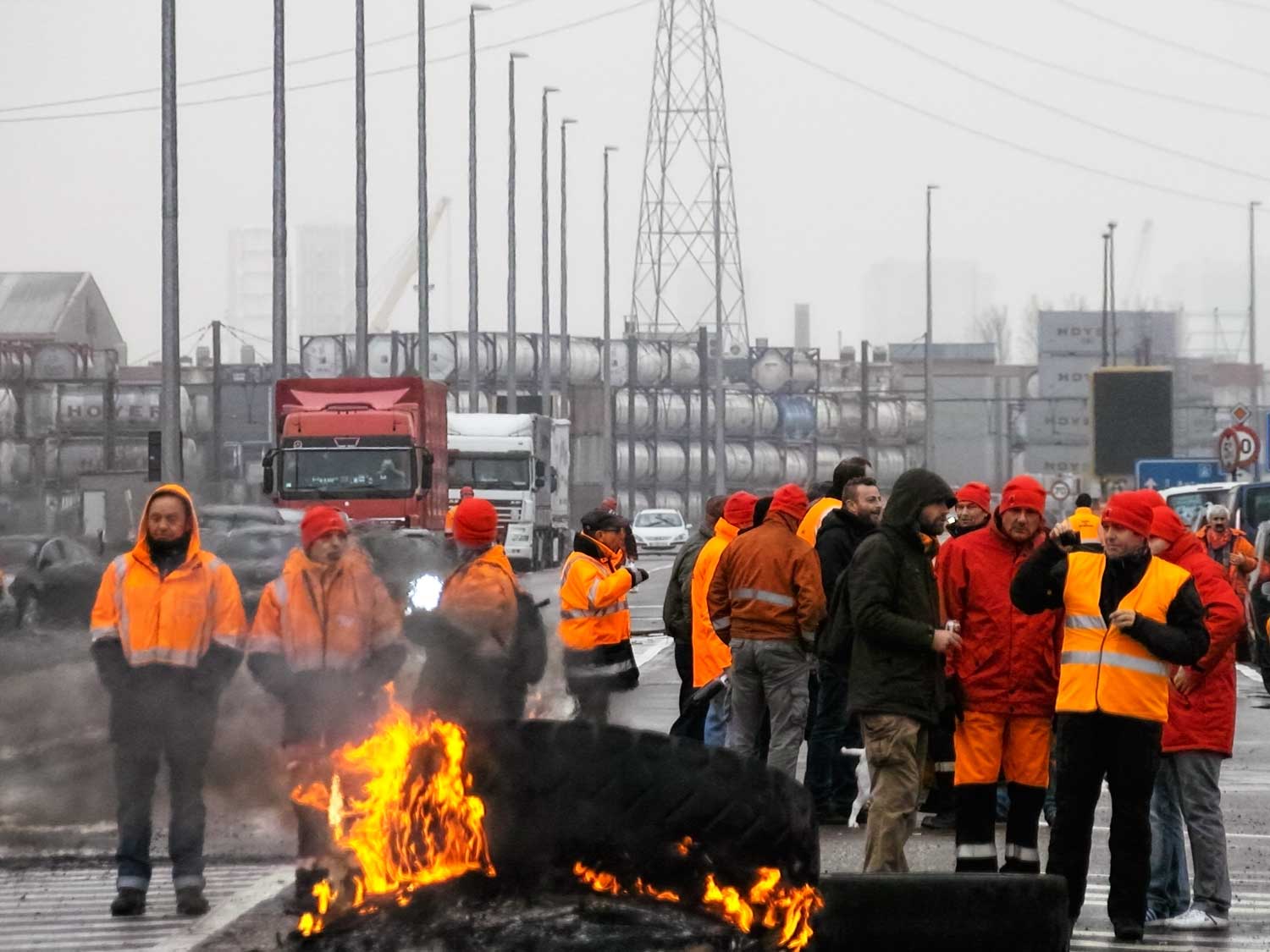
Dock worker strikes at Felixstowe and Liverpool, which overlapped for seven days, ended this week still without agreement and the likelihood of further disruption appears inevitable, with Liverpool members of the Unite Union preparing to stage a second walkout, from the 11th to 17th of October.

The Unite union said the offer of an 8.3% pay rise and one-off £750 payment by Liverpool Port’s operators fell well short of the present rate of inflation, which is forecast to continue rising.

Despite the strikes at Liverpool and Felixstowe, they have had a limited impact on our operations, with increasing numbers of shifts working on strike days, to keep Felixstowe partially operational. Continuing labour disputes are in no one’s interest and we hope that all parties can reach an amicable settlement without delay.

Much of Unite’s Liverpool grievance concerns Peel Port’s failure to honour promises from the 2021 pay agreement and improving shift rotas. Unite officer Steven Gerrard said: “It has refused to honour previous pay pledges it made to our members and is refusing to put forward an acceptable pay rise now.”

The Unite Union blamed the Felixstowe Dock and Railway Company for unilaterally ending pay talks, after refusing to improve its pay offer and imposing a pay deal of 7% on the workforce.

Bobby Morton, national officer of Unite said. “We will strike again and again and again until our wages match inflation. We asked our members, are you prepared to accept the 7% that’s been imposed upon you? Or do you want to carry on striking to get what you deserve? And we got a return of 82% of our members saying that we want to carry on regardless. Now the inflation rate is rocketing.”

Unite union representatives from Felixstowe and Liverpool were to meet yesterday to discuss next steps. We understand that employers are not part of this discussion and details of any agreements or actions have yet to emerge.

Industrial action is also prevalent throughout European and American ports and other related infrastructure and we are ensuring that we report back as soon as these are announced, with options and recommendations to mitigate the fallout as it occurs. This is not unique to the UK.

We continue to monitor and manage the evolving situation at Liverpool and Felixstowe and will keep you updated should there be any significant developments.

As with previous industrial action, we clear our cargoes from the ports in advance of strike dates and have contingency plans to protect supply chains and work around any points of disruption.

For further updates and the latest news on the announced strike action and potential impact, please contact Simon Balfe, who is leading the team or your day to day account manager.

Autonomous vehicles

Environmental developments you may have missed

While we continue to drive forward our ‘green’ initiatives, by selecting environmentally focused partners and further developing our MVT ECO platform in managing, measuring and offsetting carbon emissions, we also monitor ‘green’ developments that may impact our sector.

The Hydrofoil alternative to air freight

Air freight emissions account for 0.5% of global emissions and are expected to grow to 6-13% by 2050. Boundary Layer Technologies (BLT) is developing a hydrofoil fast vessel powered by emission-free green hydrogen, as a viable alternative to air.

The vessel (Argo), due to be launched in intra-Asia trade lanes in the first quarter of 2025, will carry 20 TEU, with a range of 1,500 nautical miles and cruise at 40 knots, as a replacement for short-range air freight transport.

The team behind Argo’s development claim it can replace air freight with only a small increase in door-to-door transit time and will target high-value, time-sensitive cargo like electronics, automotive parts and pharmaceuticals. It will be equipped with power to support reefer containers and offer freight prices that will be 50% cheaper than air freight, based on average 2019 rates.

Argo is intended to be powered by green liquid hydrogen fuel cells, although BLT has yet to secure a supply contract for green hydrogen and it is unclear whether dedicated pipelines for the transport of green hydrogen to the ports used by Argo will be built in time for its launch.

ARGO image courtesy of Boundary Layer Technologies (https://www.boundarylayer.tech/argo)

Sustainable aviation fuel (SAF)

SAF is similar in its chemistry to traditional fossil jet fuel and is produced from sustainable feedstocks, including cooking oil, non-palm waste oils from animals or plants; solid waste from homes and businesses, and food scraps that would otherwise go to landfill or incineration. Other potential sources include forestry waste, such as waste wood, and energy crops, including fast growing plants and algae.

Using SAF results in a reduction of up to 80% in carbon emissions over the lifecycle of the fuel compared to the traditional jet fuel it replaces, depending on the sustainable feedstock used, production method and the supply chain to the airport. 

We work closely with the Air France/KLM/Martinair SAF programme, in growing the adoption of SAF and reducing the carbon footprint of our air cargo miles. We are considering migration to programme partnership and contributions to further SAF acquisition.

Driverless electric trucks on public roads

Swedish freight technology company Einride has granted a permit in the United States for a pilot project, to test electric, autonomous trucks, which will run for two weeks in the third quarter of 2022 and take place on public roads.

The Einride autonomous electric truck operates without a driver and is monitored by a specially-trained remote driver who can take control if necessary.

Autonomous trucks will mix with normal traffic on public roads located near project partner GE Appliance’s plant near Memphis, Tennessee. 

As part of the pilot, the autonomous trucks will test moving goods, as well as loading/unloading goods with warehouse teams at nearly locations.

Image courtesy of Einride (https://www.einride.tech)

Automated container terminals

Following on from ECT, which opened in 1993 and became the first fully automated terminal in the world, a new container terminal with five deep sea berths is being developed at Rotterdam. It will add 7m teu of annual capacity when it begins operations in 2027, with 2.6km of quay at the north end of the ECT terminal.

Like ECT, the new facility will be fully automated, with vessels unloaded by autonomous cranes and cabin-less ground vehicles.

The cleanest vessel power source

The greenest of power sources, wind propulsion, has received a lot of interest as ship owners aim to reduce fuel consumption and lower CO2 emissions. Depending on the size of the sails, efficiency gained from wind propulsion assists mechanisms generally in the range of 15-20%.

Maersk’s liquid bulk division sold the Maersk Pelican to an Indonesian carrier last year, the vessel was the world’s first product tanker to incorporate wind propulsion technology into its operations.

The vessel was sold with the technology installed on board and Maersk has confirmed that it will continue to work with relevant parties to enable the use of wind propulsion technology, optimise vessel performance and reduce CO2 emissions.

From giant kites that pull cargo ships to inflatable sails to spinning rotors that create lift, the move towards wind-powered commercial vessels will generate a doubling of such ships on the water by 2023, as lines work to help meet the industry goal of cutting greenhouse gas emissions from the global fleet by 50% by 2050, from 2008 levels.

In July, Japanese  carrier K Line boosted its kite orders to five and signed a contract to install as many as 50 on its fleet of about 420 vessels, as part of its move to net-zero greenhouse gas emissions by 2050.

Giant commodity trader Cargill will pilot-test two 120-foot-high rigid wind sails made of steel and composite glass that will be outfitted on the 751-foot-long carrier that it charters and could help cut emissions by as much as 30%, which equates to about 6,400 metric tons of carbon dioxide per year. If the trial is successful, Cargill will retrofit up to 10 more ships.

There are about 12 wind propulsion systems on the market, with seven more coming online in 2023, including 37 meter rigid sails, 100-square-meter inflatable wing sails and 35 meter rotor sails.

The biggest hurdle for many shipowners is the capital investment, with rotors and rigid sails easily costing $1 million to $1.5 million each and ships often needing at least three or more. The return on investment typically is about seven to eight years, but with higher fuel costs, that time is being trimmed dramatically.

Seawing image courtesy of K Line (https://klineurope.com)

Metro has committed to Sustainability Disclosure Requirements and is achieving CO2 neutrality by measuring, reporting and offsetting our CO2 emissions.

The ‘free of charge’ Eco module, that sits in our MVT supply chain platform, monitors the energy emissions, emission costs and CO2 equivalent emissions, of our customer’s consignments, by every mode. Which means that Metro customers can monitor the environmental impact of their supply chains and participate in offset projects that will eradicate their supply chain CO2 footprint.

To request a demo or discuss your requirements, please contact Simon George, who can outline our proven carbon reduction strategies and the availability of offset projects.