Ho Chi Minh 1440x1080 1

Air cargo rates surge as Vietnam becomes key export hub

The air cargo market is seeing a significant surge in rates, driven by strong demand and tight capacity, especially on routes from Asia to North America and Europe.

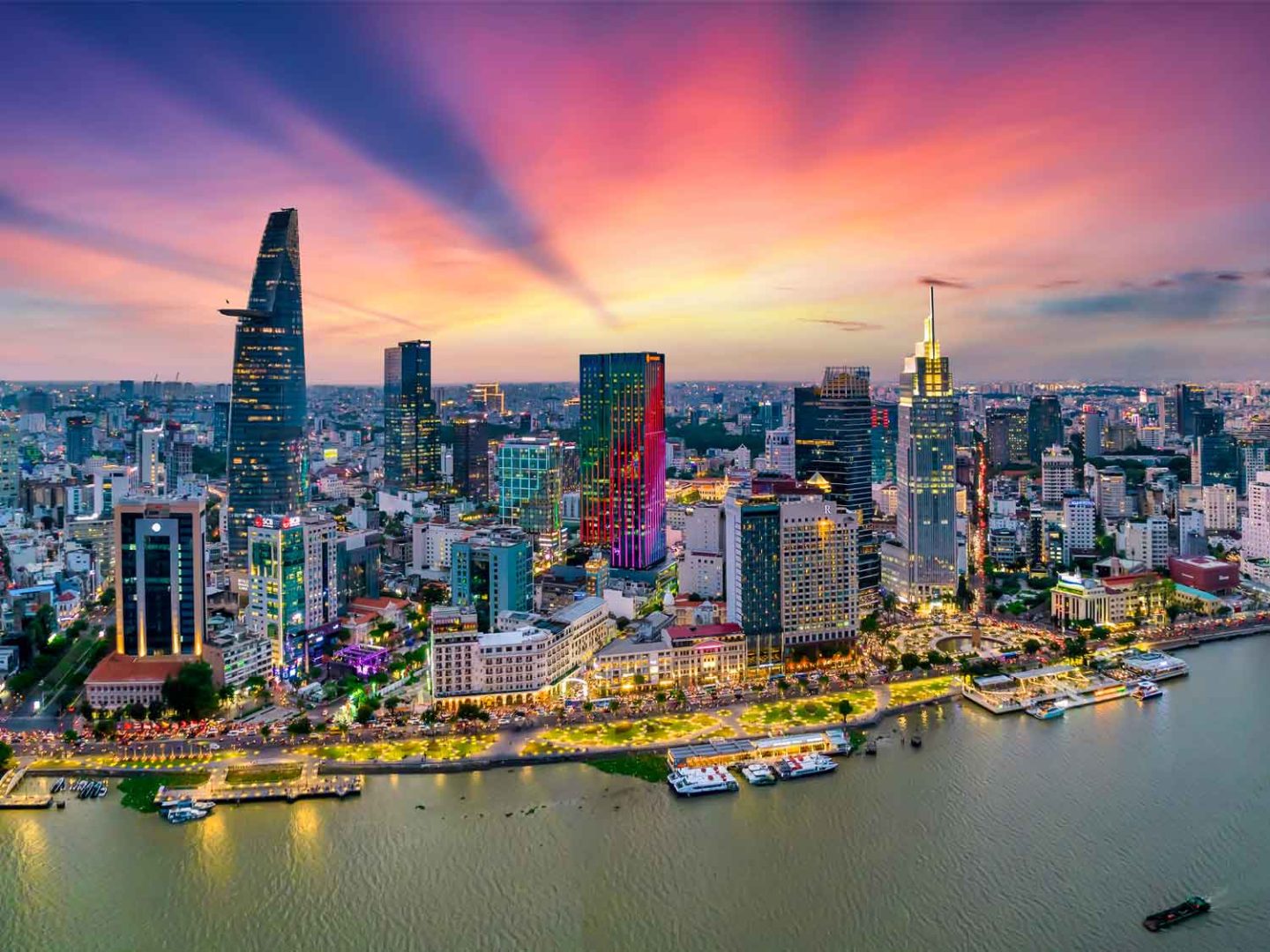
In October, spot rates reached their highest point this year, with rates from Vietnam to the US increasing by 65% and to Europe by nearly 60%. Vietnam has emerged as a hotspot for eCommerce exports, with capacity out of Ho Chi Minh to North America increasing by 360% year-on-year.

Asia-Pacific has been hit hardest by the capacity constraints, with rates rising over 60% year-on-year due to increased demand for holiday shipments and high-tech goods. Despite the added capacity, rates continue to climb, further exacerbated by geopolitical tensions and disruptions in sea freight. The overall airfreight market grew by 10% year-on-year in September, as supply chain challenges forced more businesses to turn to airfreight.

Meanwhile, new security protocols introduced by the US and Canada are increasing the complexity of logistics for air cargo. These regulations, aimed at mitigating risks, require more detailed information from carriers, particularly on routes from Europe to North America. As a result, additional delays and operational hurdles are possible as peak season nears.

In Europe, demand for imports from Asia is forecast to remain strong through the rest of 2024, adding further pressure on already tight capacity. Surcharges have already been announced for Q4, with rates from Asia-Pacific to the US rising sharply. Transatlantic routes have seen a mix of rate movements, with rates increasing on westbound routes.

In response to the capacity crunch, shippers are exploring sea-air options through the Middle East, which has seen strong demand throughout 2024. However, these alternative routes are still subject to rising rates as supply struggles to keep pace with demand.

As the peak season approaches, air cargo rates are expected to continue climbing, and shippers are advised to plan for increased costs and potential delays. With demand surging and capacity remaining constrained, the air cargo market remains volatile, especially on key trade lanes from Asia to North America and Europe.

If you are exploring alternative sourcing strategies or looking for air freight support in Vietnam or Asia, please EMAIL our Chief Commercial Officer, Andy Smith, to schedule a consultation.

With 40 years of experience across Asia and Southeast Asia, we provide expert local assistance and ensure your products move smoothly to their distribution and sales points.

Our in-country specialists add value to your supply chain, offering seamless solutions tailored to meet your unique needs and requirements.

Dhaka 1440x1080 1

Creative solutions ease Bangladesh export challenges

As Bangladesh’s apparel sector ramps up production following months of disruption, exporters are benefiting from creative logistics solutions to overcome rising freight rates and capacity shortages. 

Metro shipments from Bangladesh have been utilising an innovative mix of air freight, sea/air, and land/air routings, including through China and India to mitigate costs and delays. These approaches are proving crucial in reducing transport costs and often bypassing traditional Middle Eastern hubs, which have often been congested.

While air freight rates to Europe and the US have surged to their highest levels in two years, routing through alternative hubs, including in China offer viable alternatives. The availability of cargo space on Chinese airlines and the cost-effective nature of these routes are enabling exporters to avoid the bottlenecks plaguing Middle Eastern hubs. Additionally, India is emerging as a key transhipment point, where goods are trucked to Delhi and flown onward to Europe and the US.

Dhaka Airport’s infrastructure issues and capacity constraints have encouraged us to explore alternative transhipment routes. Creative routing strategies such as sea/air, where goods are shipped by sea to selected transhipment hubs before being flown to their final destination, are becoming vital to maintaining efficient supply chains.

Capacity growth in key regions is providing some relief, with air cargo capacity from Asia-Pacific to North America and Europe rising by over 16% and 19% respectively year-on-year. This increase is helping to balance the surge in demand and freight rates, ensuring that Bangladesh’s exporters can continue to navigate these challenging conditions.

Despite ongoing challenges, the outlook for Bangladesh’s exports are optimistic with creative air freight and alternative solutions keeping supply chains moving while mitigating the impact of high rates and capacity constraints. 

With flexible routing becoming an integral part of flexible logistics strategies, Metro continue to find innovative ways to adapt to volatile markets, with innovative solutions that maintain supply chain continuity. 

Our operations teams and local partners are navigating challenges at Chittagong Port and Dhaka Airport, while creative air, sea/air, and land/air strategies are helping mitigate the impact of high rates and capacity shortages. 

If you have any concerns or would like to discuss contingency plans to ensure stability in your supply chain, please EMAIL our Chief Commercial Officer, Andy Smith.

container ships

Sea freight market review

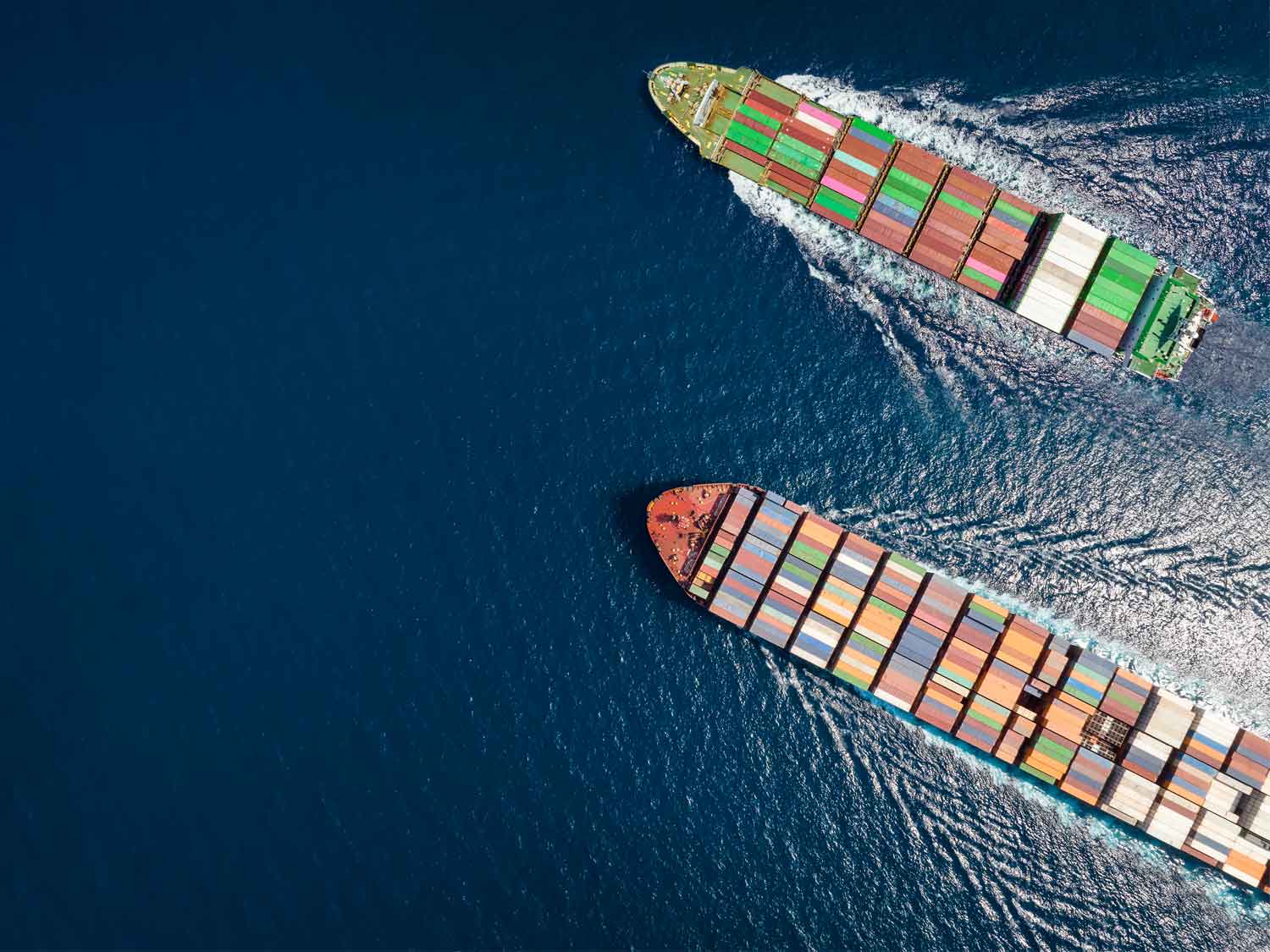
The sea freight market in October 2024 is facing continued challenges from geopolitical tensions and industrial actions, with strikes on the US East and Gulf Coasts contributing to significant disruptions.

Although the three-day US East coast strike in early October has been resolved with a tentative agreement, the backlog of vessels could take weeks to clear. Montreal has also faced industrial action, adding to the strain on transatlantic trade.

Demand remains moderate, with global GDP growth projections modest due to ongoing geopolitical tensions and weak manufacturing performance. The ocean freight market has been challenging due to disruptions, including congestion caused by rerouting vessels around the Cape of Good Hope, following the Red Sea crisis.

Carrier alliances are reshaping trade routes. The 2M alliance between Maersk and MSC will dissolve in 2025, replaced by new alliances such as Gemini Cooperation and the Premier Alliance. The introduction of these new structures is expected to streamline services, particularly on Asia-Europe trades, but could cause shifts in port calls, with some major hubs benefitting and others losing direct connections.

Freight rates have fluctuated as a result of these disruptions. The muted Golden Week in Asia didn’t bring the anticipated rush, but rates on Asia-Europe routes saw some pressure, rising 1-2% in early October. Carriers have implemented cost-recovery surcharges in response to strikes and rerouting delays. The Shanghai Containerised Freight Index (SCFI) dropped from its July peak, but rates remain well above 2023 levels.

Capacity continues to tighten due to vessel bunching and delays, with 10% of the global fleet currently waiting at anchorages, the highest level recorded outside the pandemic period. Schedule reliability remains volatile – hovering just above 50% – especially on key routes from Asia to Europe and the Americas, with congestion at major Asian ports like Shanghai and Ningbo adding to delays.

In the near term, shippers should expect continued volatility, with upcoming industrial actions and new carrier alliances potentially altering trade patterns. While freight rates are stabilising in some regions, capacity remains limited, and schedule reliability a concern.

With ocean freight demand remaining high and capacity challenges on the horizon, the peak season could still be unpredictable. We encourage you to reach out now if you have urgent shipments and share your forecasts, so we can secure space on services that align with your deadlines and offer competitive rates.

To explore how we can strengthen and safeguard your ocean supply chain, please EMAIL our Chief Commercial Officer, Andy Smith.

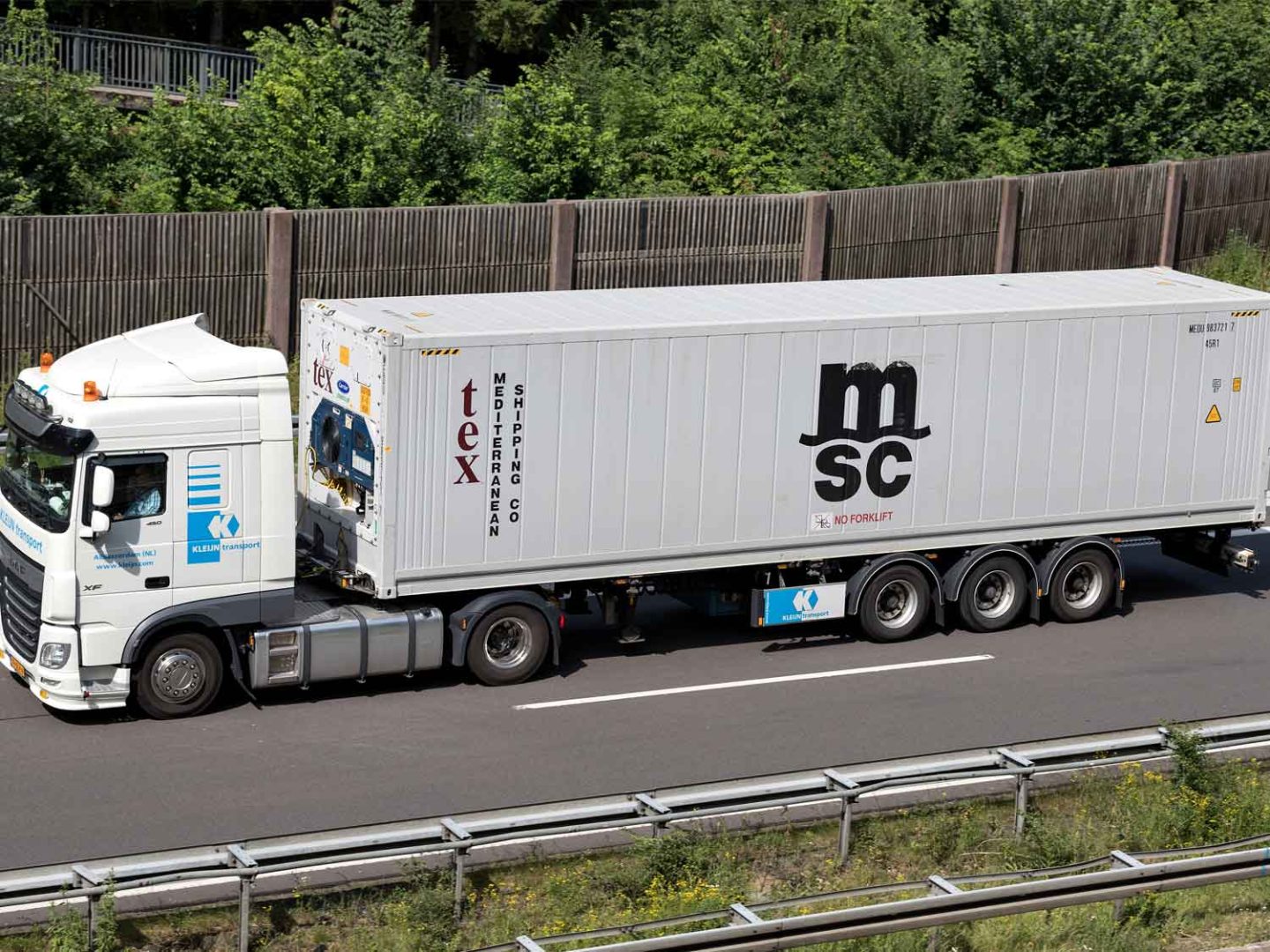
MSC reefer 1440x1080 1

Reefer container shortage looms as demand surges

The global market for refrigerated containers, or reefers, is facing significant pressure as we approach the end of 2024. Seasonal demand, combined with increased export activity from regions like Latin America, is straining equipment availability.

This surge coincides with the peak season for perishables, especially from countries like Argentina and Chile. Carriers are grappling with imbalances in reefer availability, worsened by longer transit times caused by vessels rerouting around the Cape of Good Hope. Imbalances are also evident in other regions, with South America showing a 73% reefer shortage and Europe facing a deficit of 19%.

Meanwhile, strong export growth in Southern Hemisphere regions like South Africa which are driven by products such as citrus, are further exacerbating the strain on reefer availability. As global demand for refrigerated goods continues to rise, particularly in key markets like the US and China, shippers are expected to face growing competition for reefer containers.

Challenges in securing enough equipment have also been affected by disruptions in ports such as Singapore and Dubai, where congestion reached record levels. The result is that shippers may need to explore alternative ports or reschedule shipments to avoid delays, as equipment shortages persist into early 2025.

In summary, the global reefer market is under significant pressure due to rising demand, particularly for Latin American exports, seasonal factors, and logistical disruptions. Shippers must carefully plan and adjust their supply chains to mitigate delays and shortages as reefer container availability remains strained well into 2025.

Metro specialises in refrigerated cargo shipping, cold-chain logistics, and insulated packaging to ensure your perishable goods arrive in optimal condition. Our expert foodstuffs team offers comprehensive support for all import and export needs, including guidance on Customs regulations and health authority compliance at both the origin and destination.

If you’d like to explore how Metro can optimise your temperature-sensitive supply chain, please contact Andrew Smith, Chief Commercial Officer, via EMAIL to discuss your specific requirements.