Algeciras 1440x1080 1

Red Sea diversions create Western Mediterranean port congestion

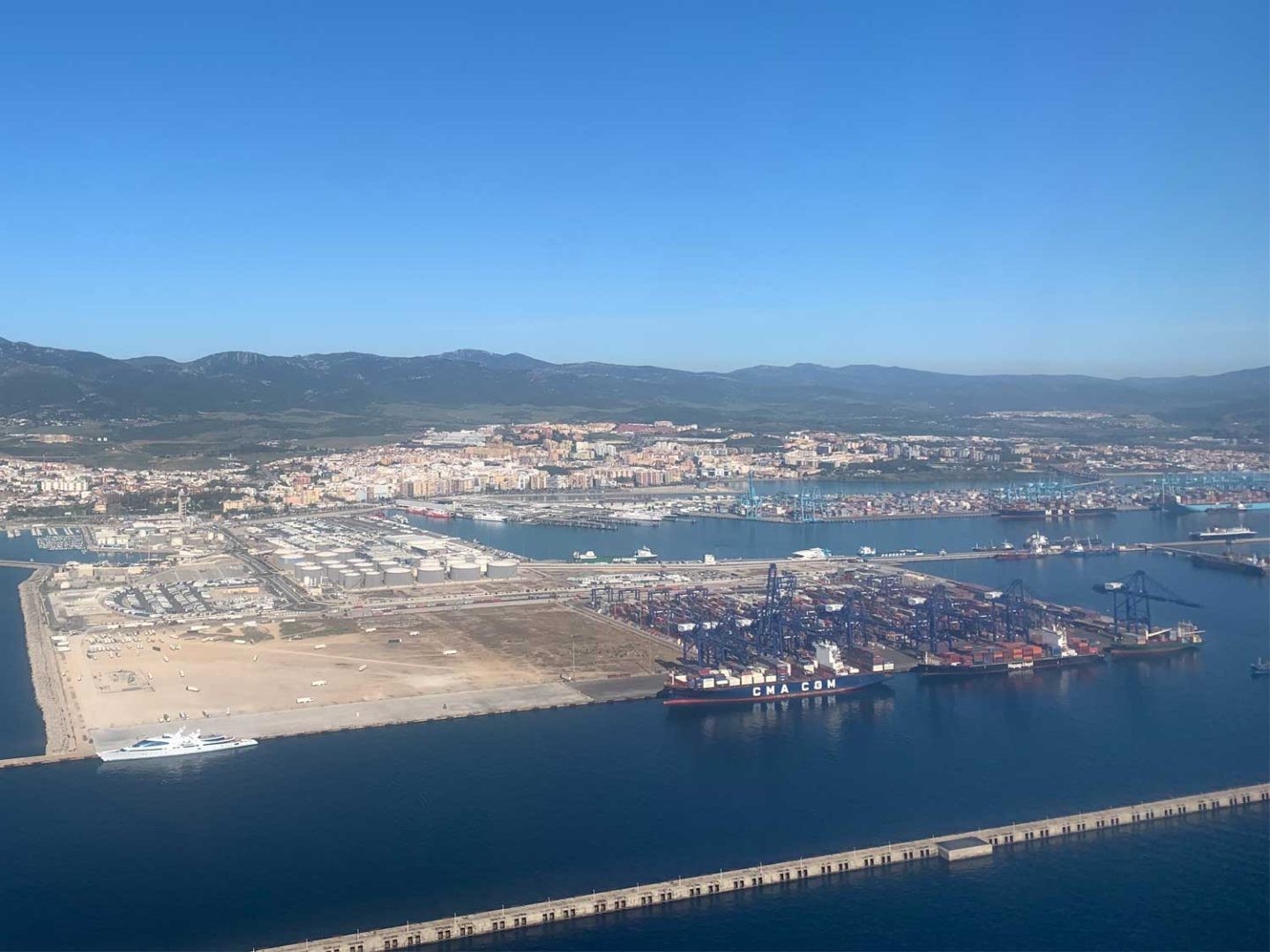
The mass diversion of container ships away from the Red Sea since December has raised fears of congestion across west Mediterranean container ports, as carriers from Asia drop boxes destined for the eastern Mediterranean.

Instead of entering the Mediterranean Sea dead end, created by the effective closure of the Suez Canal, Ultra-large container ships from the Far East are offloading containers at western Mediterranean ports such as Barcelona, with smaller feeder vessels transporting them to final central and eastern Mediterranean destinations.

Transhipment traffic in Barcelona was up year on year by 22%, 64% and 63% in January, February and March, while Algeciras, Valencia and Las Palmas grew at 7%, 18% and 33% in Q1 2024.

And while the ports managed the first quarter’s throughput, they are operating at (or are close to) operational capacity, which means that any continuation or increase in volumes could lead to a dangerously high level of utilisation and potentially serious congestion.

Alternatives, to spread volumes out, include the Moroccan hub of Tanger Med, but its utilisation is already sitting at 83%, so even a relatively small increase in volumes could fill it up.

The southern Portuguese port of Sines has capacity to handle an additional 1.4m teu, while the ports of Malaga and Castellon may also be worthy of consideration, to avoid a potential supply chain bottleneck, with storage yard capacity drying up at ports in the western Mediterranean.

The seven-day average vessel waiting time at Barcelona increased two days due to increased cargo flow, lowered productivity, IT issues and bad weather. Shipping lines are asking customers to pick up both their import units and empty containers as early as possible, due to congested line-up and increased waiting times.

One of the two container terminals at Algeciras confirmed that their facility was “quite full” and warned that “capacity is very limited”, leading them to restrict the amount of cargo accepted, to avoid severe congestion.

There are two potentially significant negative outcomes due to the current Mediterranean situation:

First, transshipment networks require more ships for the feeder services and carriers may remove ships from other trades, particularly those in North Europe, which could create a capacity squeeze and push rates up.

Second, port congestion creates a de-facto reduction of available vessel capacity, which leads to an increase in blank sailings, because there is a schedule gap when vessels are unavailable, which squeezes capacity and pushes up rates.

If you have any questions or concerns about the issues outlined in this article, or would like to discuss any aspect of your Mediterranean supply chain, please EMAIL our Chief Commercial Officer, Andy Smith.

Food factory 1440x1080 1

Importers concerned at cost of Brexit trade checks

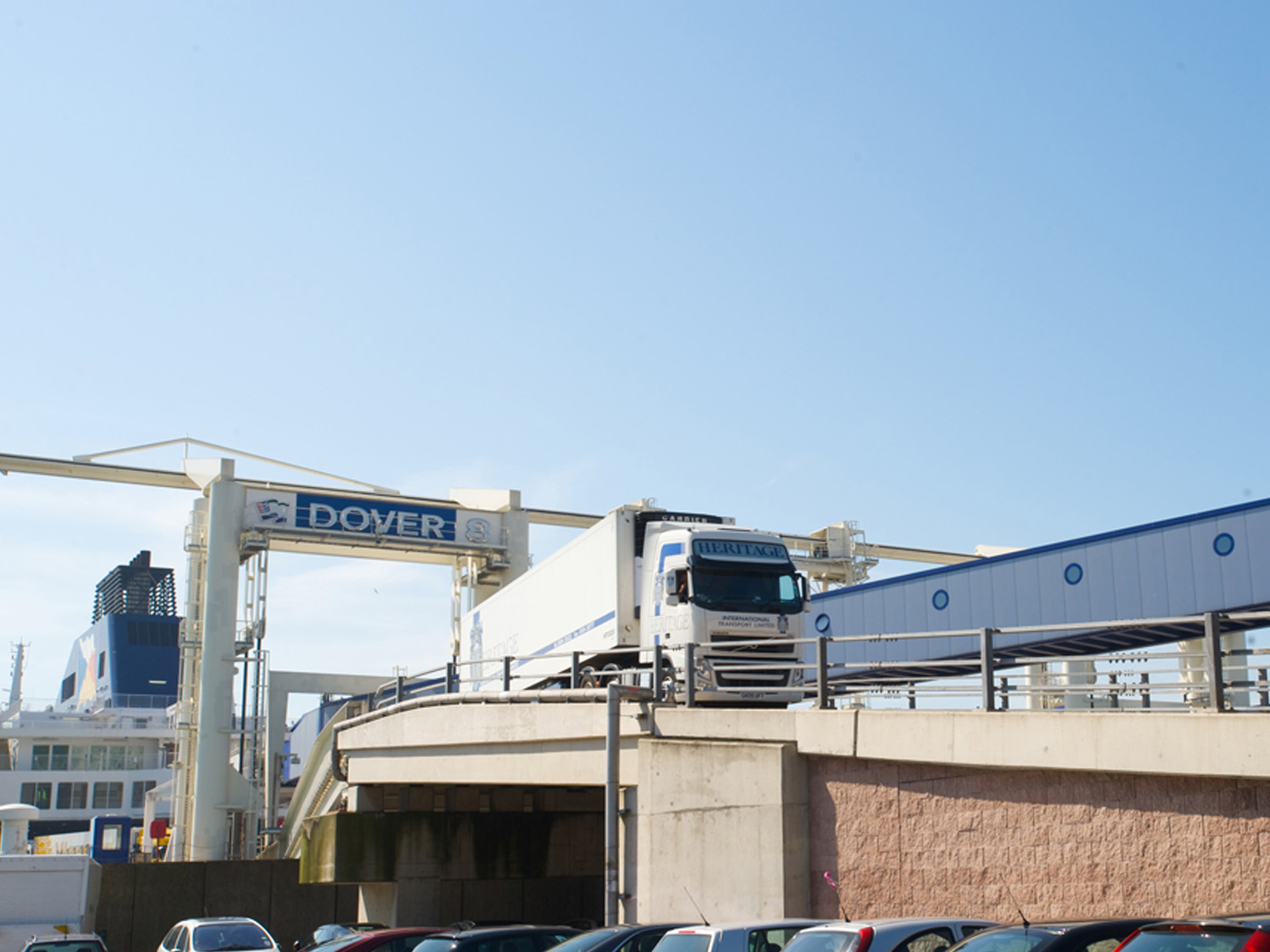
Delayed five times by the UK government, post-Brexit physical border checks of animal products, plants and plant products through the Port of Dover and Eurotunnel were finally implemented on the 30th April 2024. However, importers of affected products express concern about additional costs.

The common user charge (CUC) was also introduced on the 30th April for commercial movements of animal products, plants and plant products through the Port of Dover and Eurotunnel.

It covers imports, goods in transit and goods eligible for sanitary and phytosanitary (SPS) checks at a government-run border control post.

The CUC applies to small imports of products such as plants, seeds, fish, salami, sausage, cheese and yoghurt. The flat-rate of £10 or £29 per commodity has been capped at £145, “specifically to help smaller businesses”, Defra said.

Health certificates were introduced in January on EU goods ranging from cut flowers, to fresh produce including meat, fruit and vegetables, but physical checks for the goods came into force two weeks ago.

Physical checks will be based on the “risk” category that goods fall into, so high-risk goods, such as live animals, will be subject to identity and physical checks at the border.

Products that present a medium risk to biosecurity will also be checked, while low-risk goods, such as canned meat will not require any checks.

But businesses, especially smaller companies, have raised concerns that the new checks from the EU could disrupt their supply chains and despite the £145 cap will increase their costs, with one importer interviewed by the BBC, suggesting “the checks would cost his business between £200,000 and £225,000 per year.”

Controls for SPS goods from the rest of the world are long-established and traders are aware of the responsibilities and inherent risk of goods moved from the rest of the world, but the extensions to goods moving from the EU is catching them out.

An additional CUC cost of £29 for a single commodity is minimal, but if you have four trailers carrying five or more commodities arriving every day then you easily add £200,000 plus to your supply chain.

There have been some easements with Customs, which allow fewer inspections and there are processes which can reduce costs, but preparation is key and the correct documentation is critical in ensuring a smoother frontier transition.

Metro are at the forefront of customs brokerage solutions, with our automated CuDoS declaration platform.

We can automate your CHED import notification, on the import of products, animals, food and feed system (IPAFFS) and simplify customs compliance, to safeguard your supply chain and cut costs.

To learn more about CUC or CuDoS, or how we can simplify and automate customs declarations for your business, please EMAIL Andy Fitchett, Brokerage Manager.

Dover truck arrival

UK and EU customs border changes

ICS2 advance filings will be used by EU customs to identify high-risk shipments from the 3rd June, while post-Brexit import charges which come into effect on the 30th April have raised fears of UK food price inflation.

The UK Common User Charge (CUC)
The CUC will apply to each commodity line in a Common Health Entry Document (CHED) and the maximum charge for one CHED will be limited to 5 commodity lines, even if there are more than 5 commodity lines present in the CHED.

The CHED is an import notification, that is submitted on the Import of Products, Animals, Food and Feed System (IPAFFS) to notify authorities in Great Britain about the import, and each commodity line defines a quantity of goods that are entered as a separate item in the CHED.

Delayed by the government five times to give businesses time to prepare and to reduce disruption to supply chains, the CUC will come into effect on the 30th April and applies to imports of products such as fish, salami, sausage, cheese and yoghurt, with the flat-rate of £10 or £29 per commodity, capped at £145.

The Fresh Produce Consortium said the charges would add £200m in costs for the fresh produce sector, at a time it is already struggling with inflation.

CUC rates only apply to goods entering the UK via Eurotunnel or the port of Dover, while the other (circa 30) commercially run entry points will set their own rates.

EU Import Control System 2 (ICS2)
The third release of the European Union’s customs pre-arrival safety and security system, the Import Control System 2 (ICS2), will go live on 3rd June 2024. 

The advanced filing of Entry Summary Declarations (ENS) for deep sea and short sea cargo will still apply to all cargo either discharging or transhipping in the EU, Northern Ireland, or Norway and to cargo remaining on board.

With the new release, the ENS will have to contain more mandatory data elements than today, including Buyer and Seller data, EORI of supplementary declarant in case of multiple filing and data elements such as the 6-digit HS Code with a complete and accurate cargo description. 

We have been sending EU Customs advanced security data in then Entry Summary Declaration (ENS) for years and are continuously developing our CuDoS customs platform and carrier integrations to receive additional data. We will be approaching affected customers with additional information on this process and any additional requirements.

When the ENS information is not provided to EU customs, shipments will be stopped and will not be processed for customs clearance, which will lead to delays and potential fines.

We can guide you on the CUC and ICS2 changes, help you to educate your suppliers and provide full support for all your import and export documentary needs.

Metro are at the forefront of customs brokerage solutions, with our automated CuDoS declaration platform and dedicated team of customs experts, reacting swiftly to any changes in the UK and EU’s trading regimes.

To learn more about CUC or ICS2, or to see how we can simplify and automate customs declarations for your businesses, please EMAIL Andy Fitchett, Brokerage Manager.

factory emissions

The Carbon Border Adjustment Mechanism

There are 195 signatories to the Paris Agreement to limit their greenhouse gas (GHG) emissions, though some including the EU and UK have undertaken to cut carbon emissions faster than others.

The EU’s Emissions Trading System (ETS) continuously expands to include new sectors to encourage industrial decarbonisation. However, it also drives carbon prices upwards, which risks carbon leakage if consumers switch from buying EU-produced goods to purchasing substitutes from non-EU countries, that have lower emission requirements.

To combat this, the Carbon Border Adjustment Mechanism (CBAM) came into place on 17th May 2023 and is expected to be fully implemented by 2026. It is designed to counter the risk of carbon leakage by imposing a charge on the embedded carbon content of certain imports that is equal to the charge imposed on domestic goods under the ETS.

The UK CBAM is about a year behind the EU’s version and means that specified goods imported into the UK from countries with a lower or no carbon price will have to pay a levy by 2027.

Like the EU CBAM, unprepared businesses who import or export to the UK could face higher costs and carbon reporting challenges.

The UK CBAM is designed to tackle the most carbon-intensive industrial goods imported to the UK, by putting a price on the carbon footprint of the manufacture of products in the aluminium, cement, ceramics, fertiliser, glass, hydrogen, iron and steel sectors, with a consultation currently determining the precise list of products in the CBAM’s scope.

The consultation launched on 21st March 2024 and seeks views on proposals for the design and administration of CBAM. It is available on this LINK and closes on 13th of June.

The calculation of UK CBAM certificate price will be based on the carbon footprint of imported goods. Companies exporting to the UK will be required to pay a carbon price, reflecting the difference between the carbon price in the country of origin (if applicable) and the UK’s carbon price (which is currently one of the highest of all major trading partners).

The measurement of emissions for UK CBAM reporting is likely to be similar to the EU’s methodology for calculating CBAM emissions and declaring CBAM emissions.

In addition to the upcoming UK CBAM for imported goods, the UK already requires companies to report their carbon information through the Streamlined Energy and Carbon Reporting (SECR) policy.

Our MVT Eco module measures and monitors the emissions of every shipment, by every mode, with offsetting alternatives, so our customers can work towards carbon neutrality in their global supply chain. 

The MVT Eco module incorporates powerful reporting tools, which may be adapted to measure liabilities under the ETS and CBAM regimes.

To request an MVT Eco demo or to discuss any of the issues raised here, please EMAIL our CCO Andrew Smith.