With Lunar New Year falling 11 days earlier in 2027, Asian supply chains face a compressed production and shipping window, against a backdrop of port congestion, poor vessel schedule reliability and tightening access to ocean freight capacity.
Lunar New Year falls on Saturday 6 February 2027, with mainland China's official Spring Festival holiday running from 5 to 13 February. However, the impact on manufacturing and logistics will extend well beyond these dates, with production and transport capacity likely to decline during January and recover gradually into March.
For businesses sourcing from Asia, the challenge this year is that the traditional pre-holiday shipping rush is building before ocean freight networks have fully recovered from the disruption experienced during the second half of 2026.
Strong underlying cargo demand, congestion at Asian and European ports and the ongoing restructuring of shipping networks as carriers return to the Suez Canal are creating additional complications.
Businesses should use the remaining weeks of November and early December to review production schedules, confirm freight requirements and establish contingency plans for critical shipments.
Pre-holiday demand is building in an already stretched market
Container volumes from Asia to Northern Europe and the Mediterranean increased by almost 22% during the first nine months of 2026, with September volumes to Northern Europe alone rising 23% year-on-year.
This sustained growth is placing considerable pressure on European port and inland transport infrastructure, with congestion at several major gateways expected to intensify as pre-Lunar New Year shipments accelerate.
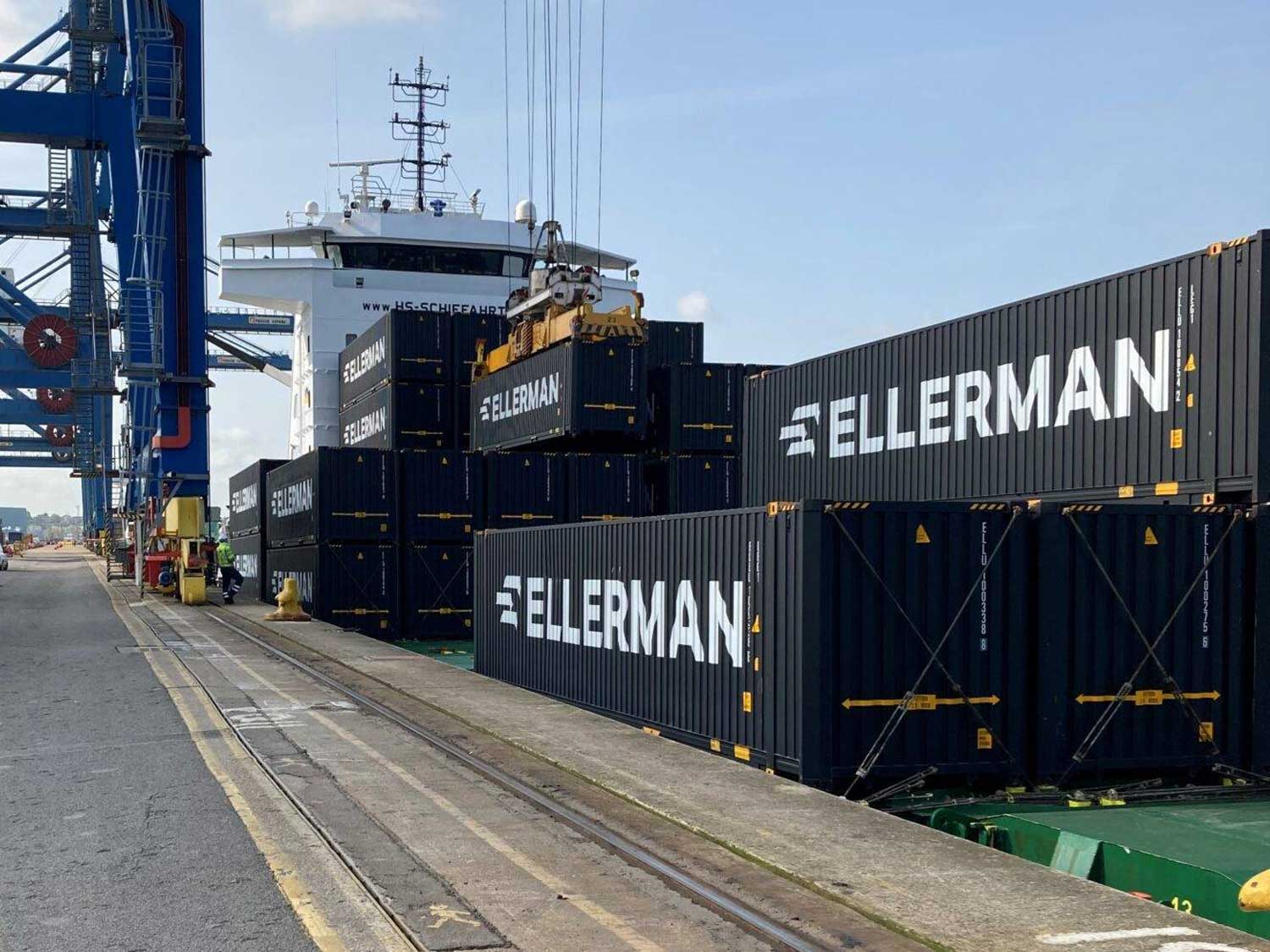
Felixstowe continues to experience the effects of delayed vessels following the Asian typhoon season and the increasing number of services returning through Suez, while low Rhine water levels are restricting inland barge operations from Rotterdam.
The gradual return to shorter Suez Canal routings is releasing additional vessel capacity, but the uneven transition between routes is contributing to vessels arriving in clusters, placing additional pressure on terminals, container handling and inland transport.
According to freight benchmarking specialist Xeneta, Asia–Europe vessel schedule reliability, measured against original proforma schedules, improved to just 8% in October, with average delays of nine days.
Carriers cancelled 18% of planned Asia–Europe capacity in October, compared with 6% in September, as they sought to manage disrupted schedules and balance supply with demand.
There are also indications that carriers are restricting access to contracted capacity in favour of higher-yielding short-term and spot market cargo, increasing the importance of early bookings and accurate volume forecasts.
While widespread container equipment shortages have yet to materialise, slow equipment turnaround in Europe could affect availability in Asia as seasonal demand accelerates.
What to expect at origin between now and March
December – accelerating demand.
Businesses bring shipments forward to protect inventory and avoid factory closures. Competition for vessel space increases, with the potential for further freight rate increases and peak-season surcharges.
January – the critical shipping window.
Factories focus on completing outstanding orders as workers begin travelling home. Production, trucking and warehouse capacity gradually decline, while demand for freight space intensifies. Mid-to-late January should be the target departure window for priority ocean shipments, wherever production schedules permit.
February – reduced operational capacity.
Factory closures and limited inland transport restrict cargo movements. Carriers are likely to introduce additional blank sailings in response to lower export volumes. Securing a vessel booking does not necessarily guarantee that cargo will reach the port in time.
March – gradual recovery.
Factory reopening does not mean an immediate return to normal production. Reduced staffing levels, outstanding orders and accumulated cargo may extend manufacturing and shipping lead times well into March.
Businesses sourcing from multiple Asian markets should also account for different regional holiday arrangements, including Vietnam, where Tết celebrations will affect manufacturing and logistics operations.
Lunar New Year 2027 action plan
With the holiday arriving almost two weeks earlier, businesses should work backwards from required delivery dates rather than forwards from anticipated production completion dates.
Now – early December: Review inventory forecasts, identify critical orders and confirm supplier production and closure schedules. Share anticipated freight volumes with Metro.
December: Secure priority ocean freight bookings, confirm cargo-ready dates and agree alternative transport options for time-sensitive shipments.
Early January: Monitor production progress, confirm inspections, arrange collections and verify terminal cut-offs and vessel departures.
Mid-to-late January: Target departure of priority ocean freight shipments. Activate contingency plans where production or transport delays threaten delivery deadlines.
February: Monitor shipments in transit, review inventory levels and confirm supplier reopening and production recovery schedules.
March: Manage outstanding orders, monitor capacity recovery and adjust replenishment schedules to reflect actual production and transport availability.
Establish contingency options in advance, including alternative sailings, gateways, shipment consolidation, split shipments and selective use of air freight.
Build appropriate stock buffers to cover both the holiday shutdown and the subsequent recovery period. Allow an additional one to two weeks in ocean freight transit plans where delivery deadlines are critical, and base forecasts on the routing and service actually booked.
Planning with Metro
Metro's teams across Asia and the UK are monitoring production schedules, carrier capacity, port congestion and the evolving return to Suez, helping customers identify emerging risks and protect critical shipments.
Our purchase order management and shipment visibility tools support planning at individual order and product level, enabling businesses to identify exceptions earlier, prioritise critical inventory and make informed decisions about alternative transport options.
The objective is not necessarily to ship everything before Lunar New Year, but to ensure that the right products arrive at the right time, while maintaining control of freight expenditure.
Share your anticipated cargo-ready dates, volumes and required delivery dates for January through March with your Metro contact. Together, we will establish a prioritised shipping plan, identify potential bottlenecks and agree contingency options before the pre-holiday pressure intensifies.