Following a joint visit to China and meetings with major airlines, shipping lines and strategic partners, Metro's Global Air Freight Director Stuart Lee and Global Ocean Freight Director Chris Gavin share their insights into market conditions, carrier strategies and the outlook for international freight.
With the peak airfreight season underway, ocean carriers preparing December rate increases and Chinese New Year falling earlier in 2027, Metro's senior air and ocean freight specialists recently travelled to China to meet carriers and strategic partners.
We caught up with Stuart and Chris to discuss what they learned at the heart of global manufacturing and international trade, what customers should prepare for and how Metro is developing its international freight capabilities.
Chris, ocean freight demand appears unusually strong for this time of year. What are the carriers telling you?
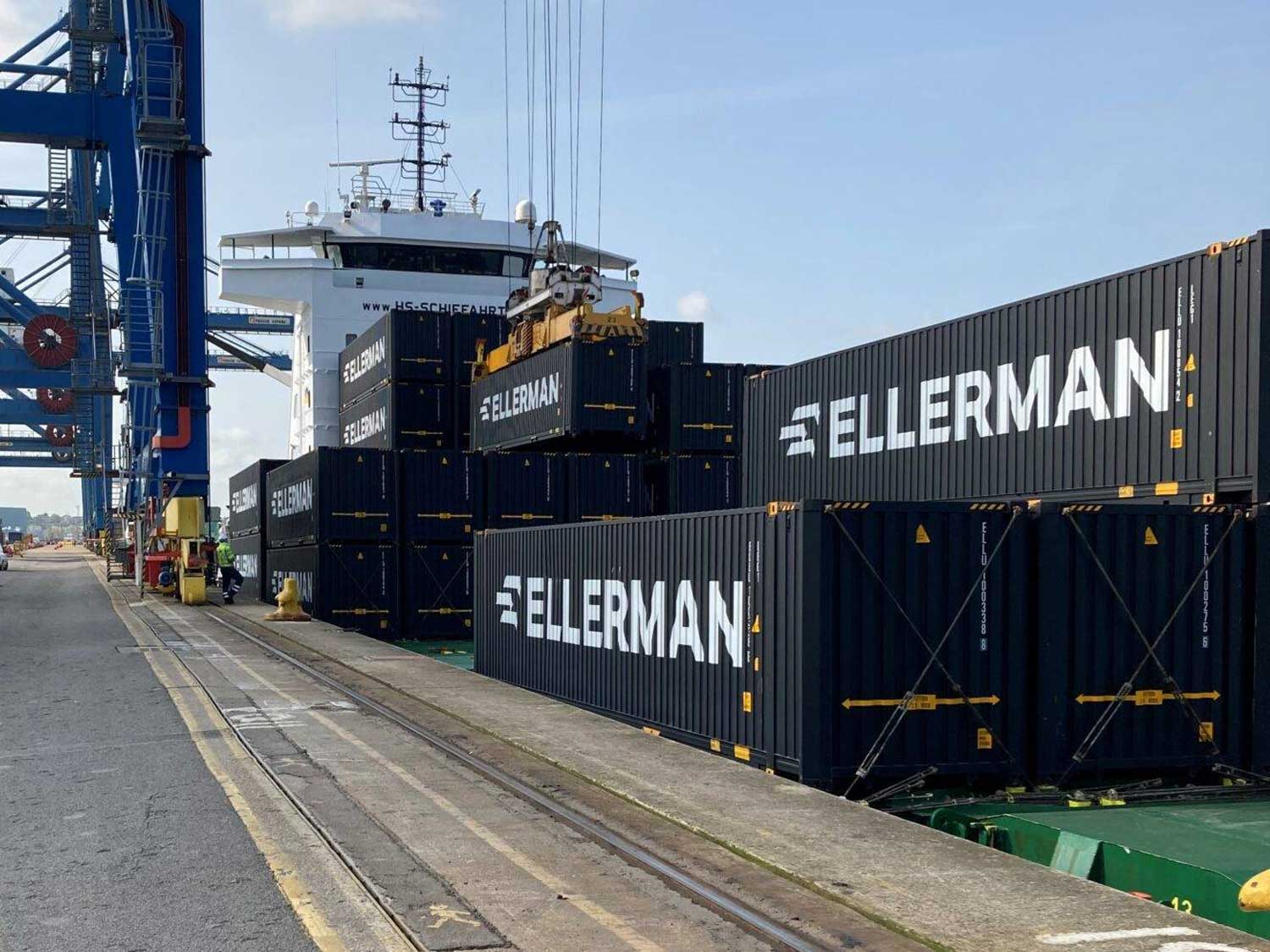
Chris Gavin, Global Ocean Freight Director: Vessel load factors are running at between 90% and 95% across most carriers, which is particularly high for November.
The shipping lines are introducing peak season surcharges from 1 December and there is considerable confidence among carriers that they will be able to sustain these increases throughout January.
Chinese New Year falls 11 days earlier than in 2026, effectively compressing the period during which manufacturers and exporters need to move goods ahead of factory closures.
The latest capacity figures show that scheduled weekly capacity between the Far East and Europe fell in November, although it remains almost 12% higher than a year ago.
That illustrates why headline capacity figures do not necessarily tell the whole story. When vessels are already heavily utilised, the availability of space on specific sailings becomes much more important.
For customers with production deadlines or delivery commitments early in the new year, we would encourage them to start discussing their requirements with us now.
Stuart, is the airfreight market following a similar pattern?
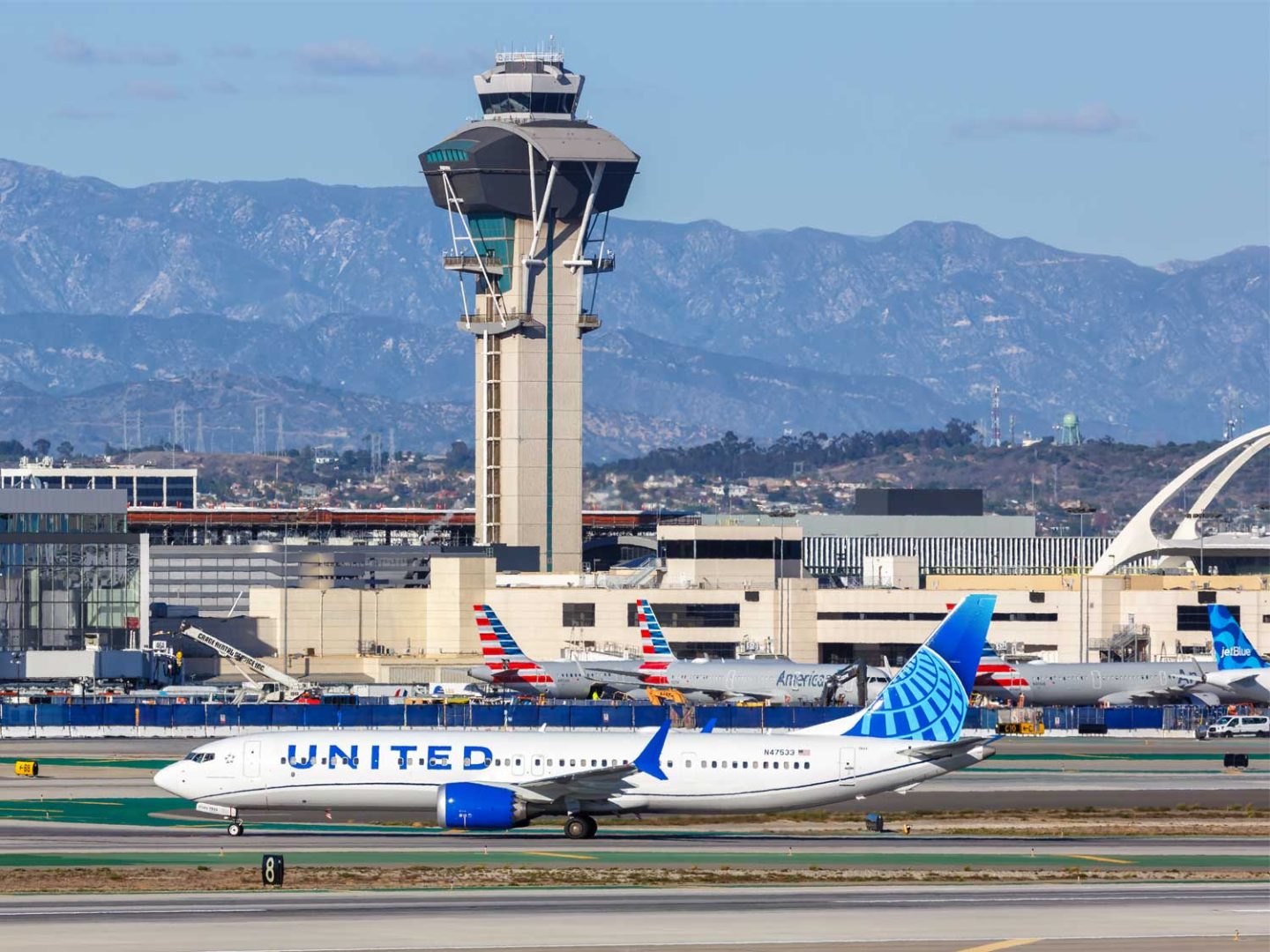
Stuart Lee, Global Air Freight Director: Our meetings with IAG Cargo in Hong Kong, Turkish Airlines in Guangzhou and Shanghai, and Qatar Airways in Shanghai all pointed towards continued strength in the airfreight market.
We expect a brief seasonal easing in December, but the indications from airlines are that capacity will remain tight and pricing firm through Chinese New Year.
The latest market data supports that outlook. Global airfreight rates reached their highest level of 2026 in the week to 23 November, more than 25% higher than a year earlier, with particularly strong increases from Hong Kong and mainland China.
What is interesting is that rates have continued to strengthen despite a significant reduction in jet fuel prices over the past month. That suggests the underlying balance between demand and available capacity remains a major influence on pricing.
The message for customers is that forward planning will be essential, particularly where shipments have fixed delivery deadlines or specific handling requirements.
Chris, are we getting closer to a full return to the Suez Canal?
Chris: Carriers are still describing the return to Suez as trials on selected service loops, but there is now much greater confidence that a full return is on the cards.
Nobody is committing to a definitive timetable, and security considerations will ultimately determine when carriers are comfortable restoring their networks.
However, the implications of a widespread return are significant. As vessels operating different routes converge on European ports, there is a risk of concentrated arrivals, congestion and temporary disruption to established schedules.
Most of the major carriers have plans to introduce additional large container vessels into their existing service loops, with deployment expected to accelerate gradually from the second quarter of 2027.
That creates an interesting contrast between the immediate outlook and what we could see later next year.
In the short term, high vessel utilisation and the pre-Chinese New Year shipping period are supporting carrier pricing, but further ahead, the combination of new vessel deliveries and capacity released by shorter Suez routings could significantly change the balance between supply and demand.
Stuart, beyond market conditions, what were the priorities for your meetings in Asia?
Stuart: A major objective was to strengthen relationships with our strategic partners and identify opportunities to enhance our services between Asia and the UK.
Airfreight is a relationship-driven business, particularly when markets become constrained or customers have complex and time-critical requirements.
Spending time with our partners at origin gives us a better understanding of their capabilities, the challenges they face and the opportunities to develop solutions together.
Those relationships become particularly valuable when demand exceeds available capacity or disruption requires us to find alternatives quickly.
Our focus is on building a stronger network that delivers greater flexibility, more competitive solutions and consistent service for our customers.
How is Metro's membership of the GB Global Group supporting that strategy?
Stuart: By combining expertise, cargo volumes and geographic reach across the wider group, we have opportunities to develop more competitive and scalable consolidation services.
Consolidation is about much more than bringing shipments together. It is about building sustainable volumes, developing reliable departure schedules and making the best use of available airline capacity.
The wider group gives us a stronger platform from which to develop those capabilities, and this will be an important area of focus as we move into 2027.
Investing in relationships that deliver for customers
Metro CEO Grant Liddell sees visits like these as part of a wider strategy to strengthen Metro's international capabilities and bring its customers closer to the markets on which their supply chains depend.
“Market intelligence is most valuable when it is informed by direct relationships and translated into practical benefits for our customers.
Having our global air and ocean freight directors working together at origin, meeting carriers and developing relationships with our strategic partners, strengthens our ability to anticipate market changes and respond effectively.
We are investing in our international network, our people and our capabilities to ensure that Metro continues to deliver the flexibility, reliability and consistency our customers need.”
With capacity expected to remain under pressure through Chinese New Year, now is the time to discuss your early 2027 shipping requirements with Metro. Our air and ocean freight teams are working closely with carriers and overseas partners to secure capacity, develop competitive solutions and prepare for changing market conditions.