Commercial shipping in the Strait of Hormuz and Red Sea is facing renewed disruption with 14 Iranian attacks on vessels since June 25th, the breakdown of the US-Iran ceasefire and a Houthi threat to target Saudi-linked shipping in the Bab al-Mandab.
The tanker Kavomaleas, initially reported on fire in the Strait of Hormuz, has since been confirmed as the target of an attack on Monday. Its crew abandoned the vessel, which remained adrift and on fire. UK Maritime Trade Operations also reported that another tanker in the Strait’s southern transit corridor had been attacked and set alight, with its crew also abandoning ship.
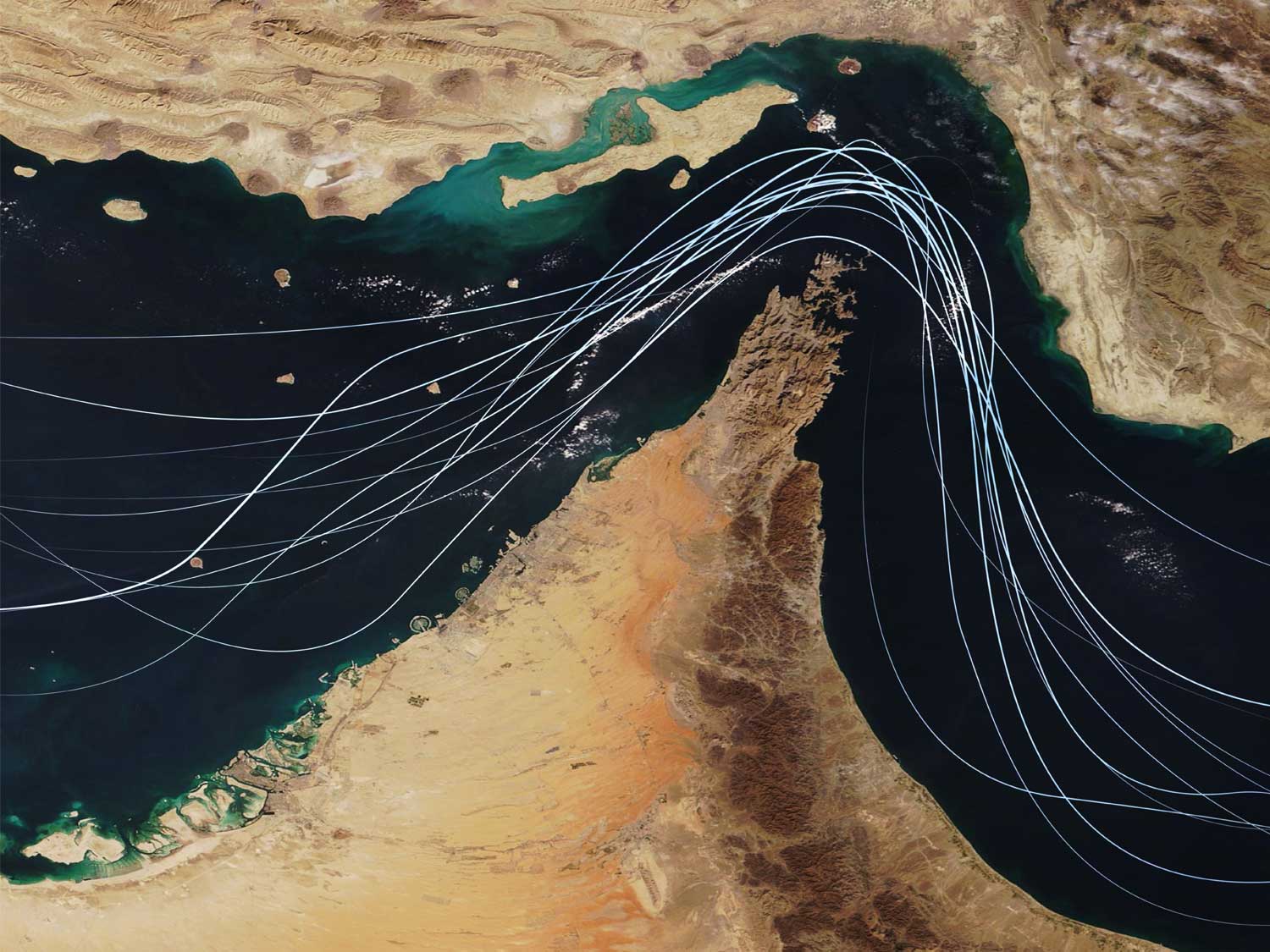
These incidents have further weakened confidence in the safety of the Strait, which has historically carried around one fifth of the world’s crude oil and liquefied natural gas.
Traffic has fallen sharply during the latest period of escalation, with only six vessels crossing the Strait in a day, the lowest level in five weeks, while hundreds remained at anchor outside the waterway.
For shippers, the concern extends well beyond regional security. Rising fuel costs, higher insurance premiums, longer voyage times and reduced network capacity all have the potential to increase transport costs and reduce schedule reliability across global supply chains.
Hormuz remains the world's most important energy chokepoint
The attacks on Kavomaleas and a second tanker follows earlier incidents in July involving three vessels, including a Qatari-flagged LNG carrier.
Iran subsequently accused vessels of transiting without its permission, using its interpretation of the MoU agreement to assert control over passage through the Strait.
While the United States insists the waterway remains open to commercial traffic and has deployed a naval blockade, Iran's Islamic Revolutionary Guard Corps (IRGC) threat to execute attacks on unauthorised vessels cannot be ignored.
The impact extends far beyond the Gulf itself. Because such a significant proportion of the world's crude oil and LNG exports move through Hormuz, even relatively limited disruption can trigger sharp movements in energy markets as traders price in the risk of prolonged restrictions.
Brent crude briefly climbed above US$90 per barrel following the latest escalation, increasing expectations of higher bunker costs and transport surcharges across both ocean and air freight markets.
Red Sea uncertainty threatens container shipping
While Hormuz is primarily an energy concern, the Red Sea remains critical to global container shipping.
Recent threats to Saudi-linked shipping in the Bab al-Mandab Strait have renewed concerns that carriers may once again reduce Red Sea transits or suspend recently restored Suez services.
Maersk recently returned its Gemini AE15 service to the Suez route and planned to add Jeddah from August. Its MECL service also calls at the port.
CMA CGM operates several Asia-Europe services through Suez. Recent schedules show some Jeddah calls omitted on the MEX and BEX2 services, although not all calls have been removed.
Should security risks increase again, those services could once more be rerouted around southern Africa.
Such diversions add thousands of nautical miles to Asia-Europe voyages, increasing fuel consumption, extending transit times and reducing the effective capacity of the global container fleet. Even though no vessels are removed from service, longer round voyages mean fewer sailings can be completed each year, tightening capacity and placing upward pressure on freight rates.
Marine insurance remains available for vessels transiting the Gulf, but at substantially higher prices.
War risk hull premiums reportedly stood at a fraction of 1% of insured vessel value before the crisis began in February. They have since risen to between 3% and 10%.
For a tanker valued at US$100 million, this could increase the premium for a single transit from around US$250,000 to as much as US$10 million.
The Lloyd’s Market Association has stated that the decline in traffic is not primarily the result of insurance being unavailable. It said owners are choosing not to transit because of safety concerns.
These costs ultimately feed through to supply chains via emergency surcharges, bunker adjustment factors and higher freight rates.
Although neither the Strait of Hormuz nor the Red Sea is theoretically closed, commercial conditions remain highly fluid.
Container carriers continue to review sailing schedules, tanker operators are assessing voyage risks on a daily basis and insurance markets remain volatile. Further attacks or additional security measures could quickly alter routing decisions across both regions.
Visibility turns uncertainty into control
Geopolitical events cannot be prevented, but their impact can be managed with real-time visibility and timely data.
Metro combines global freight expertise with advanced digital visibility through our MVT platform, providing customers with real-time shipment tracking down to SKU level across all transport modes. Metro helps businesses identify disruption early, make informed decisions and keep products flowing through increasingly complex global supply chains.
To learn how Metro can strengthen the resilience and visibility of your international supply chain, EMAIL Managing Director Andrew Smith today.