As global trade patterns shift and US tariffs reshape export economics, many UK fashion brands are re-evaluating where growth will come from next.
For an increasing number, the answer is closer to home. The European Union — a £250bn clothing market — is once again becoming a strategic priority for scalable, lower-risk international expansion.
At Metro, we are seeing a clear trend: brands that previously focused on the US are now actively re-establishing or expanding EU operations. The commercial logic is compelling, but success depends on understanding the operational realities.
Europe makes strategic sense again
Under the UK-EU Trade and Co-operation Agreement, most qualifying UK goods can enter the EU tariff-free, provided rules of origin are met.
Compared with elevated US baseline tariffs and longer transatlantic lead times, the EU offers:
- Shorter transit times
- Lower freight costs
- Established e-commerce and wholesale networks
- Cultural and style alignment
- A large, affluent consumer base
However, while tariffs may be reduced, compliance complexity remains.
The EU opportunity is real — but it is not frictionless. Brands need to approach it strategically, with proper customs planning, VAT management and logistics alignment from day one.
Choosing your route to market
There is no single entry model. Most successful brands adopt a hybrid approach.
Marketplace Partnerships
Many UK retailers are leveraging major EU marketplaces to accelerate scale.
Benefits:
- Immediate access to multiple markets
- Localised checkout and VAT handling
- Established logistics networks
- Faster delivery and returns
However, marketplace integration is not a silver bullet. Service charges, data integration, and margin considerations must be assessed carefully.
Establishing an EU entity
Setting up a legal entity in an EU member state has become more streamlined post-Brexit.
While it requires tax and legal advice, having an EU-based operation can:
- Simplify VAT registration
- Improve customer experience
- Reduce cross-border friction
- Enable more seamless returns management
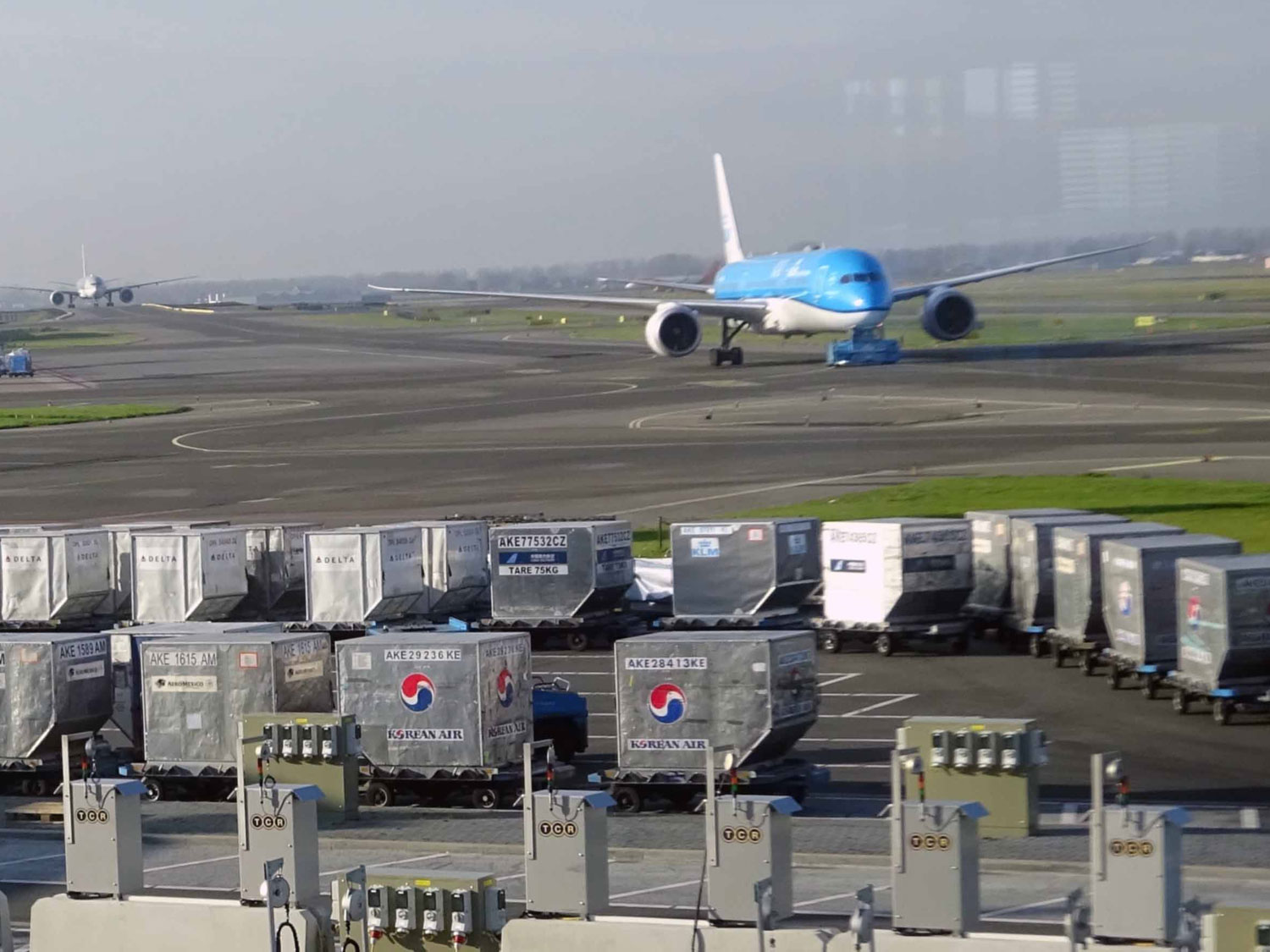
Many exporters continue to route EU goods via the Netherlands due to infrastructure strength and customs efficiency.
Wholesale & distribution
Wholesale partnerships remain a powerful growth lever.
Brands are:
- Partnering with department stores and independents
- Appointing local distributors in key territories
- Entering market-by-market rather than pan-EU immediately
Europe is not homogenous. Germany is not Spain. Italy is not Poland.
Localised strategy is essential.
De-minimis changes & customs evolution
The EU is ending its €150 de minimis duty exemption.
In 2024 alone, 4.6 billion low-value consignments entered the EU under this regime.
Regulatory tightening aims to improve compliance and level competition.
Key implications:
- Additional handling fees likely
- Greater customs scrutiny
- VAT management changes
- Phasing out of the Import One Stop Shop (IOSS)
- Introduction of the EU Customs Data Hub (from 2028)
Regulatory tightening increases compliance cost in the short term, but it also creates opportunity. Brands that invest in structured customs processes now will gain competitive advantage as enforcement strengthens.
Ship from UK or hold EU stock?
Many retailers initially ship EU orders from their UK hub, often supported by limited EU warehousing.
As volumes grow, models evolve toward:
- EU-based fulfilment centres
- Regional distribution capability
- Consolidated inventory hubs
- Faster returns processing
Efficient third-party logistics support is critical, particularly for managing VAT, customs documentation, and reverse logistics.
Sustainability & regulatory compliance
The EU remains at the forefront of sustainability regulation.
Fashion exporters must prepare for:
- Ecodesign for Sustainable Products Regulation (ESPR)
- Digital product passports
- Product Environmental Footprint (PEF) requirements
Sustainability compliance in the EU is no longer a branding choice, it is market access infrastructure.
Brands that build traceability into supply chains now will be better positioned globally as similar standards emerge elsewhere.
Long-term thinking wins
Recent tariff volatility has reinforced one lesson: international expansion requires a long-term horizon.
Successful EU strategies typically:
- Combine DTC, wholesale and marketplace channels
- Phase entry by priority markets
- Invest in compliance early
- Build local partnerships
- Use logistics as a competitive advantage
Europe’s scale, proximity and consumer alignment make it a logical next growth chapter for UK fashion brands.
But operational detail determines commercial success.
Final thoughts
The EU is not a return to pre-Brexit simplicity, but it is a structured, opportunity-rich market for brands willing to approach it strategically.
Entering Europe successfully isn’t about finding demand — demand is there. Metro’s experts can help you design the right logistics, compliance and localisation model to serve it efficiently.
For UK retailers ready to expand, Europe is no longer a fallback market.
It is becoming the priority again.
To learn about our EU-wide logistics, compliance and localisation services, and how we can help you grow your business in the EU with confidence, please EMAIL our Managing Director Andrew Smith.