Coronavirus highlights need for visibility

2022; Supply chain outlook

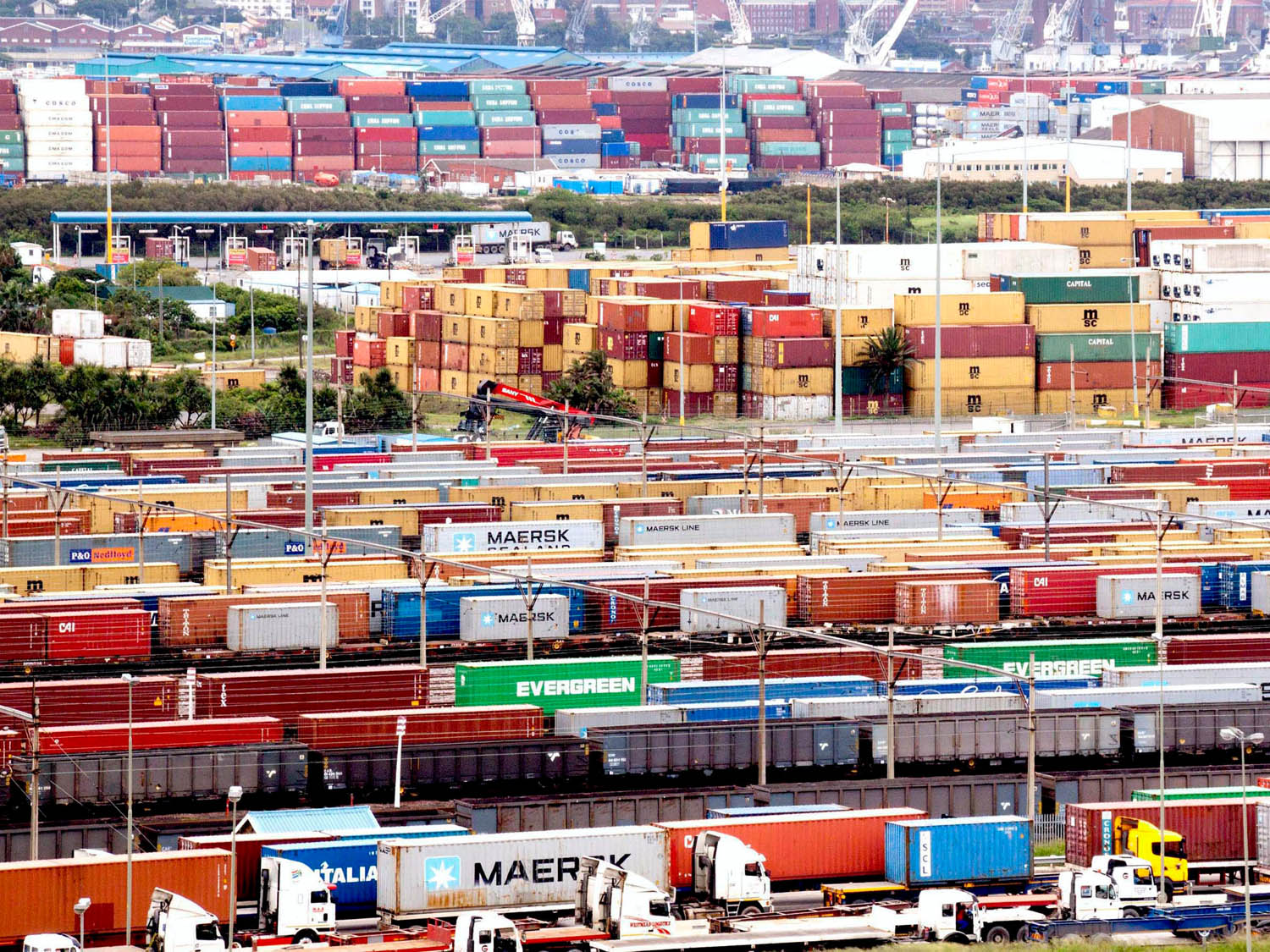
Supply chain pressures remain well above their pre-pandemic levels, but studies of worldwide supply chain constraints produced by the Federal Reserve Bank of New York suggest that pressures peaked in October 2021, raising faint hopes that global trade could start to normalise this year.

The gauge of worldwide supply chain constraints produced by the Federal Reserve is based on 27 variables, including global shipping rates and air freight costs, which dipped slightly lower in November and December, even as many countries face rising cases of the Omicron coronavirus variant and persistently high inflation.

Reproduced courtesy of the FT - https://www.ft.com/content/645837d9-a394-4ce5-bfd0-48f1aacc408d

Some analysts believe that the squeeze in certain areas will continue to ease off in the coming months, with some supply chain disruptions resolving themselves, while others may prove more persistent.

The swift reopening of the global economy caught many by surprise last year and while some sectors seem to be improving, many are still dealing with pandemic-related pressures, factory shutdowns and logistics bottlenecks.

Last year was a perfect storm for supply chains, with COVID disrupting global production, at the same time as the impact of the pandemic boosted consumer demand. The Suez Canal closure and terminal closures at two of the world’s busiest container ports caused months of disruption, knocking the highly synchronised global transport system out of rhythm.

Record vessel delays clogged ports and crammed warehouses and shippers competed to secure space in aircraft and on container ships, to keep production and sales moving, while facing cash flow pressure from increasing freight rates. Inevitably, as a result, consumers began to see empty shelves, limited product availability and rising prices.

If the bottlenecks persist in Asia Europe and the US, freight costs will remain high, cargo space will be limited and shippers will continue to face delays, that could in turn fuel inflation, prompting supply chain upheavals and accelerate consolidation of shipping networks, fundamentally changing world trade.

The size of the queue of vessels lined up outside Los Angeles/Long Beach, the US gateway for Asian imports, has become a barometer of worldwide supply chain convulsions and the number of container ships waiting is at a record high. 

LA/Long Beach accounts for roughly 22% of shipping capacity waiting to berth globally and if that bottleneck could be resolved, there would be enough capacity for the rest of the system.

Supply chains could prove more resilient this year, particularly if inflation hits consumer confidence and, in addition, any surplus in orders from the end-of-year holidays could help inventories replenish while outstanding orders come through.

The return of tourism, hospitality, rocketing fuel bills and higher-interest rates could all soften demand for goods, with some suggesting that shipping congestion could ease within weeks once consumers begin feeling the pinch.

Even as economists are generally optimistic about the year ahead, most indicators of supply-chain stress remain elevated above pre-coronavirus times and container shipping rates are still many times their level at the start of last year.

China’s zero-risk COVID approach remains a significant concern for supply chains this year, as any new wave of coronavirus infections, could lead to factory and port closures, which would further disrupt shipping.

Whatever challenges this year may hold we will continue to power the supply chains of our British headquartered and international customers, with our freight management and outsourcing teams and our multi-award winning MVT supply chain platform.

The MVT platform harnesses every supply chain participant, process, and milestone, to provide the real-time visibility, control and intelligence that supports resilient, flexible supply chains.

For further information on our MVT tool and to discuss how we can enhance your supply chains, please get in touch with Elliot Carlile or Simon George. 

ECO globe 2021

Metro deliver on ECO promise

Having conceived, created and launched the MVT Eco module in 2021 - to monitor the CO2 equivalent emissions, of each consignment we move - and committed to environmental transparency, Metro has now officially offset our emissions for 2020.

Companies’ response to climate change is arguably the most pressing issue facing society, which is why the UK government joined 38 international partners to welcome the establishment of new international sustainability reporting standards at COP26. 

Metro is among the 13,000 corporations that have committed to environmental transparency, using international sustainability reporting standards, by disclosing our environmental impact and working to reduce greenhouse gas emissions, safeguard water resources and protect forests.

Metro’s MVT Eco module, which is part of our MVT suite of digital solutions and unique supply chain ecosystem management tools, monitors the energy emissions, emission costs and CO2 equivalent emissions, of each consignment we move, by every mode. Metro customers have free access, to monitor the environmental impact of their supply chains and participate in offset projects that will eradicate their CO2 footprint.

Metro partnered with environmental consultancy Comply Direct, to undertake an organisational carbon footprint exercise, to measure, target, reduce and offset our carbon footprint, across all areas under operational control within the UK. Conducted under international sustainability reporting standards, using the internationally recognised GHG Corporate Standard Protocol.

Metro is committed through our ISO 14001 system to reduce our footprint, by fully offsetting current emissions through purchasing verified carbon offsets, which allows Metro to take responsibility for the emissions already released, while taking steps to reduce emissions going forward.

The projects Metro support are aligned with UN Sustainable Development Goals, and include protecting the rainforest in Brazil, providing clean cooking stoves in Kenya and helping to assist the delivery of renewable energy to India, a country currently heavily reliant on coal.

We know that our actions are a small step, but if all companies took similar responsibility and action, we are absolutely convinced it really would make a difference. Many small steps will take you a long way.

In 2022 we will make further progress with additional initiatives, including EV charging points in our office car parks and the adoption of EV company cars as existing cars are replaced. On a larger scale we are working with partners that use the most sustainable methods of fuel and energy and that have adopted, and implemented, their own environmental policies and protocols to ensure that we can create some of the most eco-friendly and green supply chains from and to anywhere, globally.

The MVT ECO module is a cloud-based solution, that is available, free-of-charge, to all our shippers on their MVT dashboard, where they can view key eco statistics related to their movements, to see which areas will benefit most from emissions offsetting and where efforts can have the most impact.

To request a demo or discuss your requirements, please contact Simon George, who leads our technical solution team, or Claus Rasmussen to discuss carbon reduction strategies and the availability of offset projects.

It really does work!

Ningbo

COVID outbreak impacts Ningbo port

The suspension of trucking services in several parts of Chinas Zhejiang province, followed a COVID outbreak just over a week ago and has slowed the movement of cargo through one of China’s biggest and most important ports, Ningbo.

Strict controls were imposed on lorries moving goods to or from the Beilun district in Ningbo after the discovery of several cases of COVID in the area.

This suspension, along with restrictions on truckers in some areas in and around Zhejiang, halted operations at some yards and warehouses at Ningbo port.

The curbs began last week after the city reported an outbreak of COVID which led to the closure of container freight stations and factories in the Beilun district near to the port, raising fears that importers would be unable to stock up their inventories, forcing them to look for alternative shipping or products, which may feed into higher costs for the consumer.

Ningbo is one of the world’s top container gateways and a crucial part of the global supply chains that connects importers to factories in East China. The port was partly shut for weeks last August after a COVID outbreak, causing a slowdown in exports, disruptions and congestion across supply lines.

Container loading and discharge operations at Ningbo port have been operating normally, but the impact on trucking and access to the port has been severe, making it extremely difficult to bring containers in or out, adding to concerns that shipping lines may decide to omit Ningbo.

With just a few weeks until Chinese New Year many shippers have been diverting consignments to alternative ports, particularly Shanghai rather than risk long landside delays at Ningbo.

Yesterday the trade press were reporting that a major complication is the lack of trucking permits for commercial vehicles to enter the Beilun district, with just 6,000 permits released for the 20,000 trucks in the area and truckers with permits must take two nucleic acid tests in three days and are required not to leave their vehicles while in the marine terminal. In a customer-advisory, Maersk said that just 10% of trucking capacity is operating in the Ningbo area.

In a fast-moving situation, our network partners in Ningbo have confirmed that the port and local trucking has resumed normal operations and they expect that any backlog will be cleared quickly.

Elsewhere, nucleic acid testing for drivers are creating delays for local trucking and transport in the Shenzhen and Tianjin areas, but the cities are not closed and port terminals are operating normally.

Metro are operating our own container vessels within our group of companies from Ningbo and Shanghai directly to the UK for discharge and reloading. We have vessels loading this week at both ports and have not experienced any impact with departures operating on time against our schedules as we use alternative terminals. Once they have left China they do not stop at any further ports en route and we can achieve the fastest available transit into the UK for our customers. 

For further information please contact Emma Hulbert who can discuss your specific requirements and share detail of the programme which will be running continually throughout 2022. A very exciting and unique platform available through Metro.

Supply chains have never faced so many challenges and with local conditions changing rapidly it is critical that you have the support of dependable partners. 

Metro will always share the latest news and most important developments, providing you with the best alternatives and options, to keep your supply chain optimised. 

For further information and to discuss your ongoing requirements please contact Elliot Carlile.

Lloyds

British businesses investing in 2022

According to research carried out by consultancy Deloitte, the UKs top firms will massively increase capital spending in the next 12 months, with over 30% of chief financial officers (CFO) at Britains premium listed firms scaling investment to capitalise on red hot domestic and foreign demand.

Deloitte surveyed 85 finance chiefs at firms which have a combined market value of nearly £500bn, representing 19% of the entire UK stock market.

CFOs seem to be looking past Omicron and plan to focus their businesses on growth in 2022, with 90% intending to expand their technological capacity in a sign that the productivity gains made by the rapid adoption of digital tools since the onset of the pandemic are set to continue.

Finance chiefs expect their gamble on investment to pay off, with 84% forecasting it will yield productivity enhancements.

This is certainly an approach that Metro, and our associate businesses, have taken, and plan to continue taking, over the foreseeable future with many initiatives and huge investment in our digital platforms. Embracing the latest technology, we continue to design, develop, create and deliver new and enhanced internal and external systems and applications.

And firms are more optimistic about operating in a post-Brexit environment. Worries that dominated the risk list in recent years – above all Brexit and weak global growth – have dropped sharply down the risk rankings.

However, Deloitte’s research indicates businesses are under intense pressure to survive amid a barrage of soaring costs and an ongoing labour squeeze, with 54% highlighting inflation as a key risk to their businesses’ performance, while 58% are concerned over persistent worker shortages.

Optimism dipped over the last month, driven lower by the threat of inflationary pressures and the hit to consumer confidence from plan B restrictions to curb the spread of Omicron.

At the same time, UK manufacturing supply chain disruptions eased in December, helping activity in the sector to expand at the fastest pace in four months. A positive indication of things to come in 2022.

Supply chains remain severely stretched, but the situation is stabilising, with vendor delivery times lengthening to the weakest extent for a year in December, which helped take some of the heat out of input price increases, and raise output across the consumer, intermediate and investment goods sectors during the final month of 2021.

The increased output was underpinned by rising intakes of new business as domestic market conditions strengthened.

With so much negative news abounding, it is heartening to see a positive business survey, that confirms some of our biggest firms will be investing for growth in 2022.

We certainly intend to continue our development, expanding our team, investing strategically and working with our network partners to grow our service portfolio globally.

Whatever your objectives are for the year ahead, we are ready to support you too, with supply chain solutions, that are designed around you and your operating environment.

We grow with our customers, by investing in our relationships and strategic partnership approach and consistently delivering the support that keeps them successful.

Metro continue, as always, to keep you updated on the current market conditions and situation and we will always have the latest news and best advice in the global logistics and supply chain environment, which is operating under new parameters in the ‘new normal’ world. Please do call us to arrange a meeting and discuss your own plans for 2022 and beyond and we will ensure that a tailored solution is designed that will ensure your business can continue to grow consistently.