emissions ship

EU Emission target will cost shipping $Billions

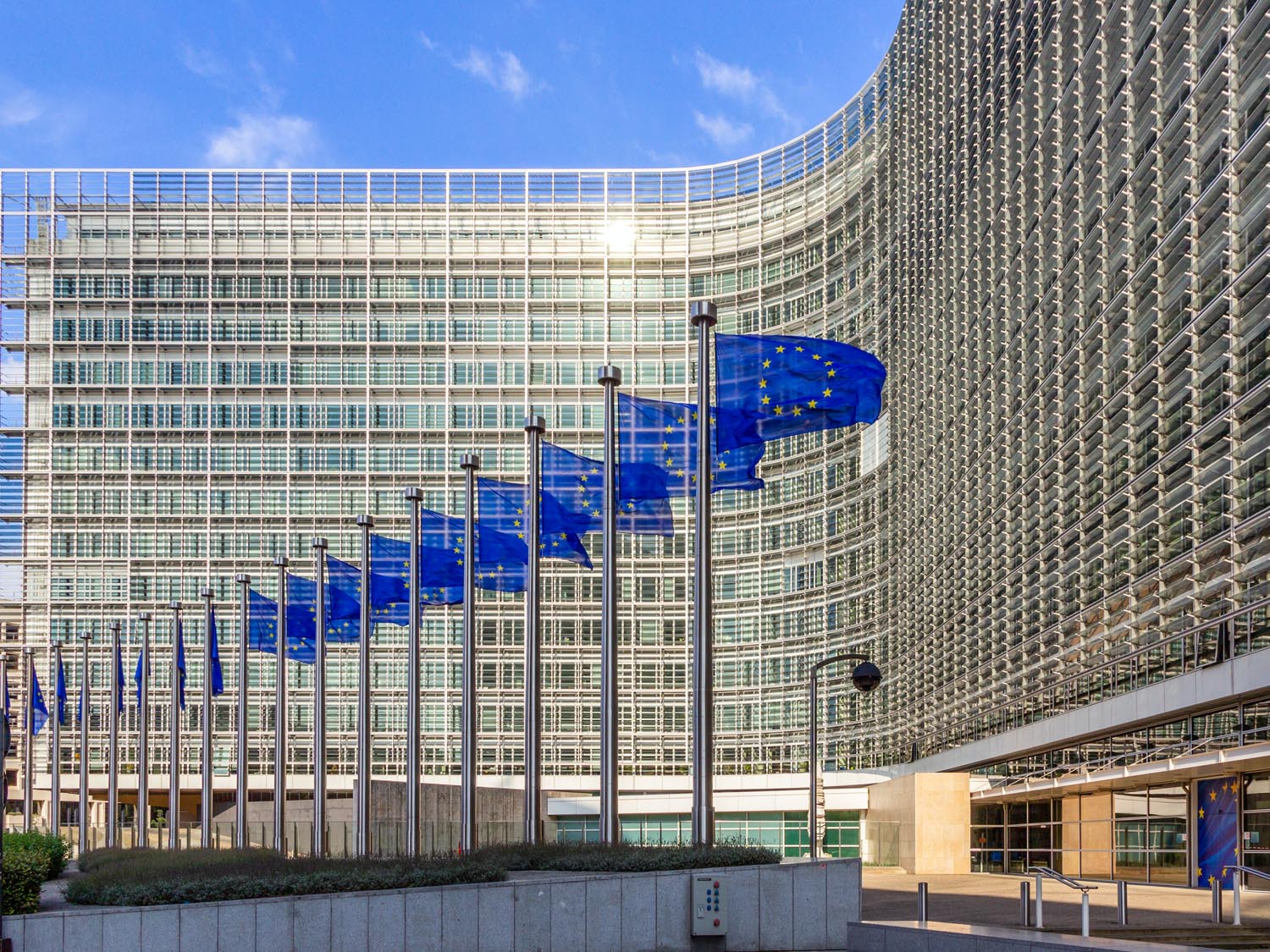
With a goal of net zero emissions by the year 2050, the European Union is expanding its Emissions Trading System (ETS) to the shipping sector in 2024, which means container shipping lines will need to purchase emission allowances while investing in alternative fuels, with the increased costs likely to be passed on.

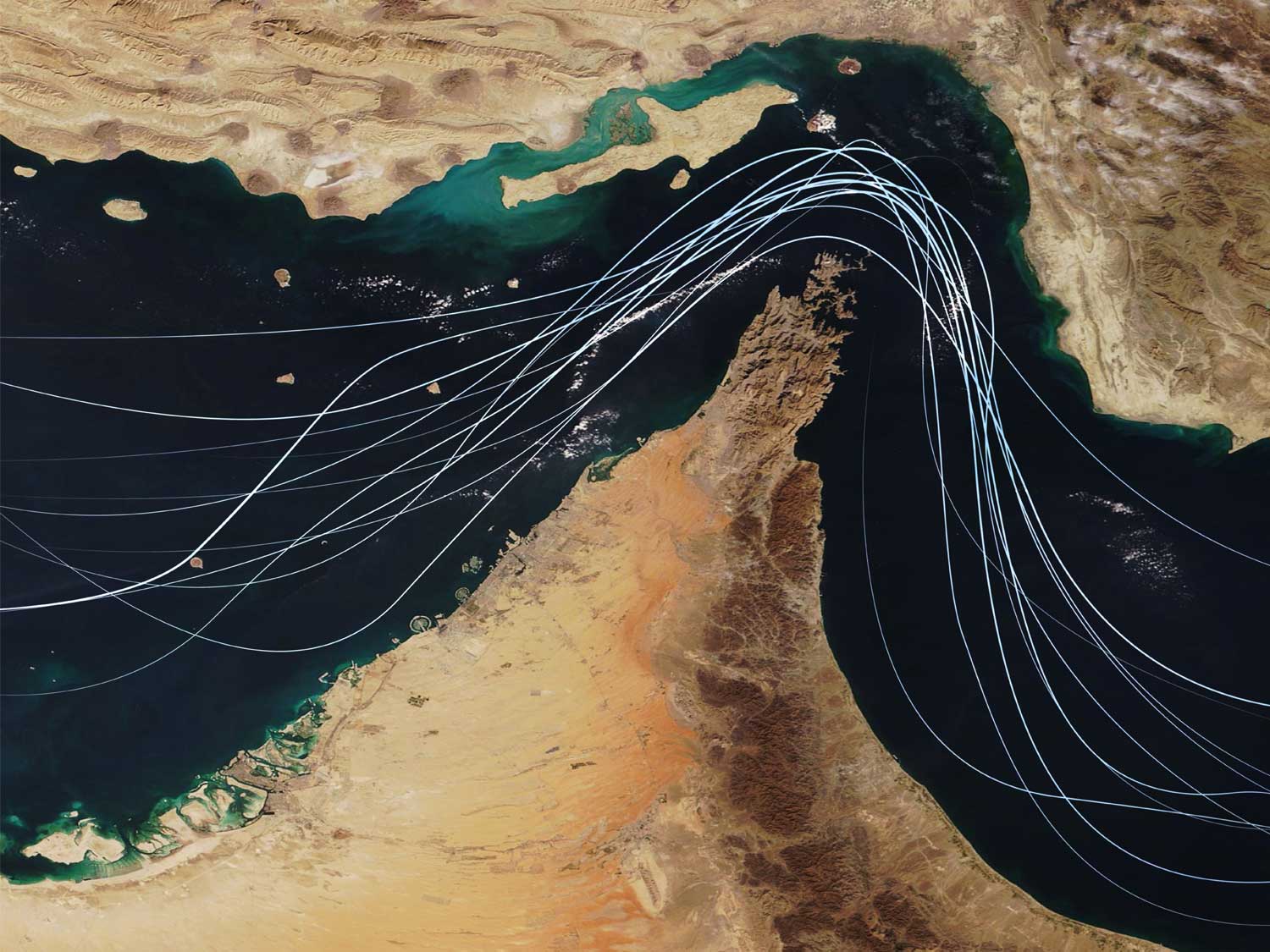
The European Union’s Monitoring, Reporting and Verification (EU MRV) regulation requires all ships exceeding 5,000 GT to collect and report data on CO2 emissions released to and from EU and EEA ports and will serve as the basis for shipping’s inclusion in the EU emissions trading system (ETS) from the 1st January 2024.

ETS is a ‘cap and trade’ scheme where a limit (the cap) is placed on the amount to emit specified pollutants and obliges individual shipping lines to hold an allowance for each tonne of CO2 or other carbon equivalent gases they emit.

The money from the sales of allowances will be used for EU’s green fund.

There will be no set price list for these emission allowances – instead, the price will be defined by supply and demand on the market. 

As the supply side of these emission allowances will gradually be reduced to support the 2050 goal of net zero emissions, emission allowances will be increasingly costly, putting an even higher pressure on shipping lines to accelerate efforts to reduce their environmental footprint.

ETS will include 100% of emissions for voyages within the EU, 50% of the emissions from voyages starting or ending outside of the EU, and all emissions that occur when ships are at berth in EU ports.

The UK has notified that they will eventually introduce a similar system which would have an impact both on UK domestic routes and UK-EU routes.

Total EU ETS-applicable emissions for the maritime industry amounted to 83.4m metric tonnes of CO2 equivalent which, at the current market value of €90 per emissions allowance (EUA), shipping emissions carried a total worth of €7.5bn for the year.

Taking into account the ETS phase-in period covering 40% of emissions in 2024, 70% in 2025 and 100% in 2026, the shipping industry could be liable for €3.1bn in 2024, €5.7bn in 2025 and €8.4bn in 2026. With container shipping potentially accounting for 30% of overall emissions, despite carrying less than 20% of seaborne trade (source: OECD).

There are still many unknowns relating to the EU ETS and what - if any - its cost impact might be. We will follow the developing situation closely, to keep you informed and to mitigate its impact on our customers.

We are also following the carriers adoption of cleaner fuel technology, the economies of scale offered by the largest vessels, the benefits of different routing options and any other initiatives which may offer cost and efficiency savings for our shippers.

Using our latest generation MVT Eco module, we develop low-carbon supply chain solutions, as well as measuring and monitoring the emissions of every shipment, by every mode, with offsetting alternatives, so our customers can work towards carbon neutrality in their global supply chain. 

The Eco module is under continuous development, with regular updates, including distance calculators, which may be adapted to measure liabilities under the new EU ETS regime. When it is rolled out.

To request an MVT Eco demo or to discuss any of the issues raised here, please EMAIL our CCO Andrew Smith.

Dover truck arrival

Post-Brexit food checks deferred for 5th time

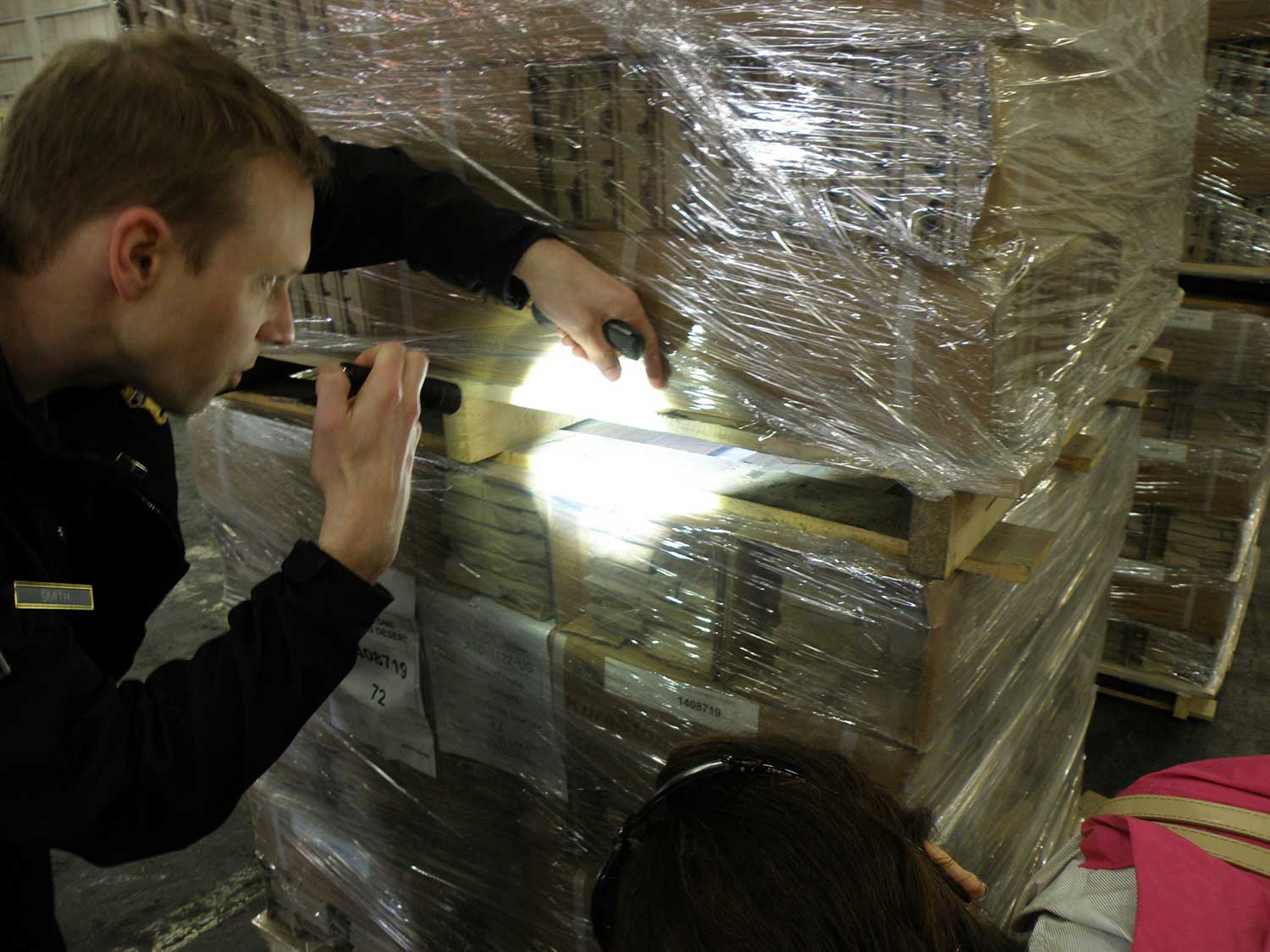
The Financial Times has reported that Brexit checks on food and food products coming to the UK from the EU, that were due to start at the end of October have been delayed by the government for the fifth time, due to fears over inflation.

The decision to suspend plans to enforce the controls, which have been applied in the other direction to British exports to the EU since January 2021, is due to inflation fears and will be announced imminently, according to the Financial Times.

Press reports said it was a “Treasury purge” of all changes that would cause disruption to the supply chain, given the sensitivity of the food market to price increases in the current economic climate.

Under the proposed controls that were due to be introduced in October, EU exporters of food products to the UK would have required “export health certificates” costing several hundred euros each and requiring a physical sign-off by a veterinary surgeon.

The food industry warned last June that plans to charge a flat-rate inspection fee of up to £43 on each consignment of food coming from the EU would drive up food prices, with the government estimating total additional costs of EU controls at £420mn a year.

The government has previously cited the COVID-19 pandemic and the war in Ukraine as reasons for delaying the new checks.

On 5th April, The Border Target Operating Model: Draft for Feedback was published by the Cabinet Office, it gave a clear time line for import controls on EU originating food products.

31st October 2023 - Export health certificates and phytosanitary certificates are introduced for medium risk animal products and plant and plant products imported to GB from the EU.

31st December 2023 - permanent waivers introduced from the requirement to submit Safety and Security declarations on certain categories of low-risk movements - fish which have been caught in UK territorial seas and landed outside of the UK.

1st January 2024 - Documentary checks and physical and identity checks at the border to be introduced for medium risk animal products, plant and plant products imported from the EU. Controls will also be applied to RoW low risk products, and pre notification no longer required for low risk plants/plant products.

31st October 2024 - Safety and Security declarations are required for EU imports. Alongside this, use of the UK Single Trade Window will remove duplication across pre-arrival datasets where possible.

A new timetable has not yet been signed off by ministers, but the start of the new regime is expected to slip into next year. It was originally supposed to have started in July 2021.

The current regulations for movements of foodstuffs remain unchanged, Metro as ever will be here to offer full support for all your import and export documentary needs.

Metro are at the forefront of customs brokerage solutions for the food and drink industry, with our automated CuDoS declaration platform and dedicated team of customs experts, reacting swiftly to any changes in the UK’s trading regimes.

To learn how we can simplify and automate customs declarations for your businesses, please EMAIL Andy Fitchett, Brokerage Manager, to review the options.

Dover queue 2

Metro is SMEs resource to deal with post-Brexit paperwork

Time-poor SMEs are being forced to outsource their post-Brexit paperwork, which is adding cost and time pressures, but Metro’s digital CuDoS platform offers an easy solution.

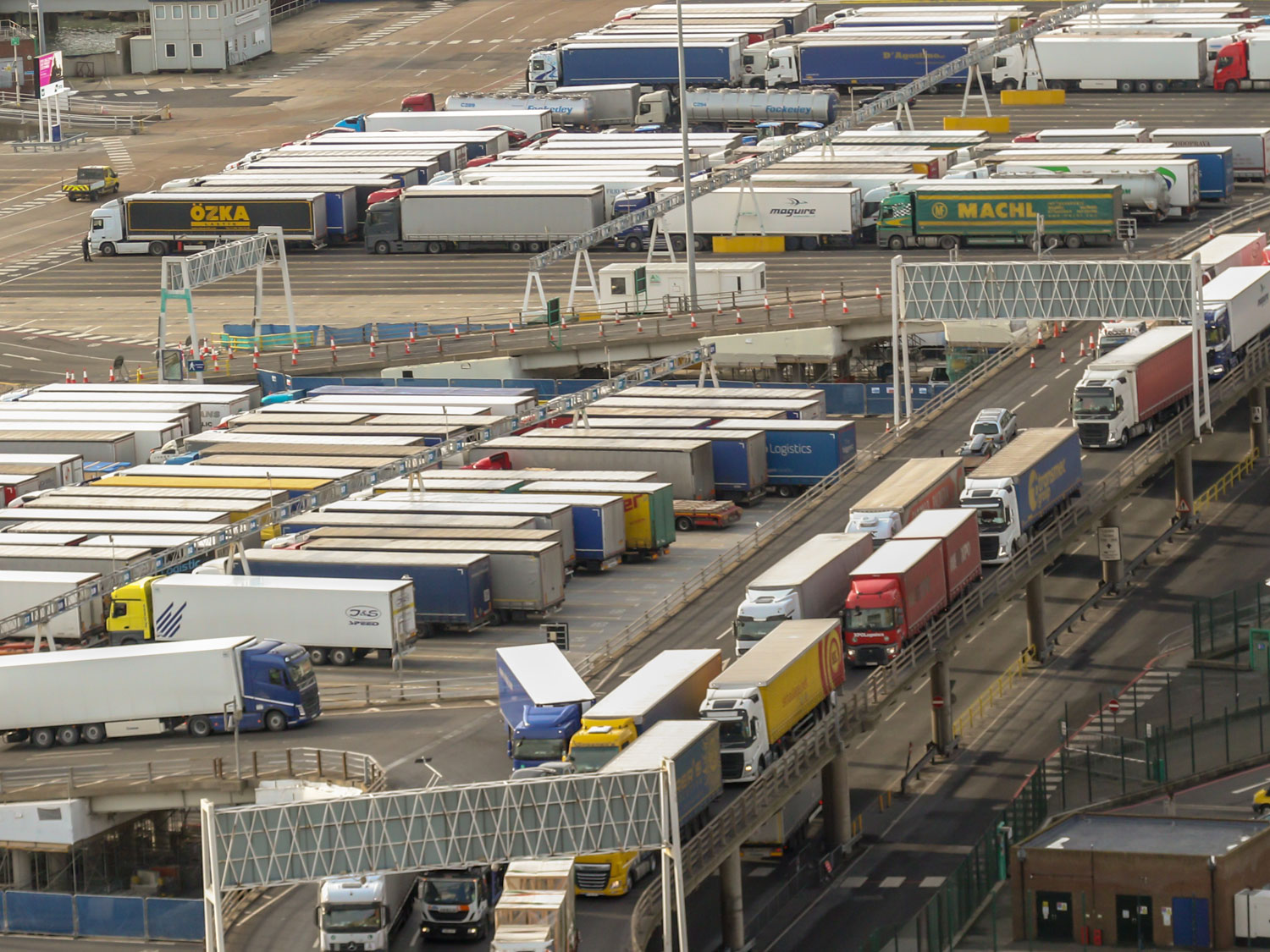
The  Federation of Small Business (FSB) Customs Clearance report found SMEs are often forced into using high-cost intermediaries because they do not have the internal resources to handle complex post-Brexit customs paperwork themselves.

The report revealed that less than one in ten SMEs have a dedicated staff member or team for customs procedures, with over a third of businesses saying that extra intermediary fees were posing a challenge to international trade because they increase their supply chain costs. 

The research also revealed that four in ten SMEs do not have the expertise required to handle customs declarations, while over half said they have outsourced this function to help free up their time for other tasks.  

FSB policy chair Tina McKenzie said: “Unlike big corporates, most small firms don’t have the specialised resources needed to deal with complex customs procedures, so they’re dependent on intermediaries. [But] Smaller businesses may also have to bear higher costs as they are unable to commit to large volumes and they are less able to reach fixed price agreements or to negotiate with couriers.”

Metro are at the forefront of automated customs brokerage solutions, simplifying and automating customs declarations for importers and exporters, with our CuDoS declaration platform and dedicated team of customs experts ready to support businesses of all types and sizes.

The CuDoS solution uses the latest artificial intelligence (AI), machine learning (ML) and automation capabilities to optimise the data capture and customs declaration processes, to create a compelling 20% reduction in headline costs and 25% increase in volumes.

Metro’s CuDoS is now achieving a SLA of 98% on two hour turnaround times, from customer submission/request through to document delivery, with 96% of declarations processed and submitted to HMRC within 30 minutes at a 99% processing accuracy.

The targeted business support provided by CuDoS reduces the cost of trade and is helping to unleash the export potential of small international traders as well as encouraging more businesses to sell overseas.

To learn how we can simplify and automate customs declarations for your businesses, please EMAIL Andy Fitchett to review the options.

Metro continues to invest in MVT and CuDoS innovation in 2023-2024, with more exciting releases planned.

Trailer

European division continues expansion

Five months ago European Director, Richard Gibbs, outlined his vision for Metro’s road freight and short sea services, in developing the business’ capability across the EU. Today, he updates us on his progress and next priorities.

“Since the start of the year we have been working very closely with our continental partners and carriers to add new ‘lanes’ to our transport network, extending the scope of our regular services, alongside our daily EU-wide FTL and LTL services.”

“At the same time we’ve been increasing our operational capacity, by growing the European team and adding new freight centres and groupage hubs in Leicester (Desford) and Manchester.”

“Service design has a been a primary point of focus, but so too has customs compliance solutions and advanced technology, to deliver visibility, control and supporting services.”

“The development of the CuDoS customs platform by our technical services team and the digitising of customs compliance has been a ‘game-changer’ for our customers and particularly those trading with Europe.”

“Using Artificial Intelligence and Machine Learning CuDos optimises data capture and customs declaration processes, with an SLA of 98% on turnaround times of under two hours and record turnaround speeds under 8 mins.”

“Since Brexit, the UK is considered as a third country and transactions with the EU are no longer intra-community, but considered as imports and exports, which means that VAT and duties need to be paid in the country of import, creating a trade barrier for many exporters.”

“Some EU importers are comfortable arranging import clearances and our standard T form services accommodate these movements, across single and multiple borders. However, some EU importers do not want to arrange import clearances, which is why we have created a range of options that allow UK exporters to complete transactions with their EU customers simply and seamlessly and even as if it were a domestic transaction.”

“The options are varied and can be adapted to suit specific transactions and customer relationships. They are listed below, but really require further explanation, which we will provide in a future post - or you can EMAIL me now.”

The Delivered Duty Paid or ‘DDP’ Incoterm means the exporter takes responsibility for the transport of the goods and customs formalities in the UK and EU, by becoming the ‘Importer of record” in France (or another member state) taking the burden away from your customer.

 - Regime 42 is for DDP transiting France for another EU destination. 

 - Regime 40 is for DDP shipments where the exporter has a French VAT number enabling clearance in France for free circulation in the EU.

 - DDP Light is where the consignee authorises their VAT number to be used as the importer of record but any duty is paid by the exporter. 

To learn more about our expanded European capability, including our CuDoS and EU/DDP solutions EMAIL Richard Gibbs.